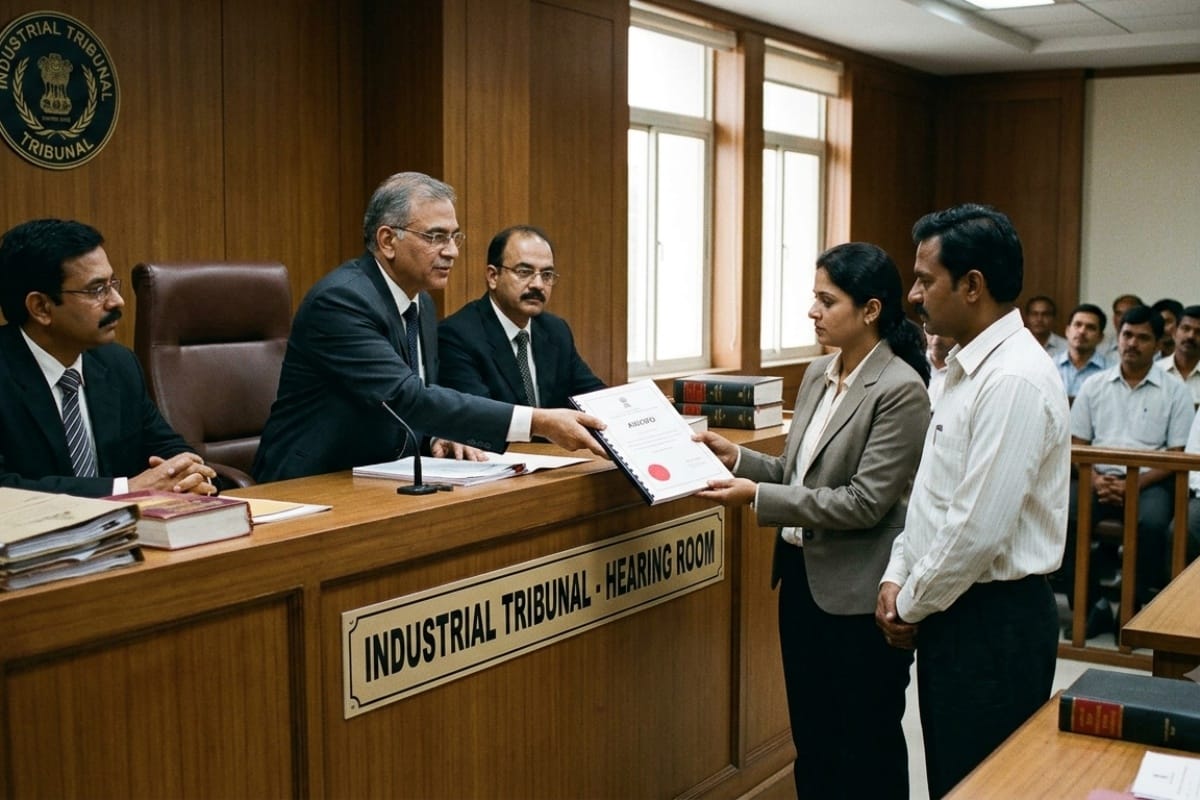
Deciding two connected writ petitions arising from a common Industrial Tribunal Award, the Delhi High Court set aside the Tribunal's direction granting hotel workmen a further…
Labour Laws
06/09/20264 min read
The Income Tax Appellate Tribunal (ITAT) in Rajkot dealt with a case where a taxpayer declared substantial agricultural income, but the assessing officer (AO) treated part of it as unexplained under Section 68 of the Income Tax Act due to insufficient evidence regarding landholding, agricultural activities, and related expenses. The original case involved an individual agriculturist who declared agricultural income of over Rs. 28 lakh but had a very low gross total income, raising suspicion. The AO found that there was no satisfactory documentary proof that agricultural activities matched the declared income, particularly questioning income derived from land cultivated under agreements with other farmers. Consequently, 50% of the agricultural income was treated as unexplained cash credit and added to the taxpayer’s income, and penalty proceedings were initiated.Upon appeal, the ITAT provided an opportunity to the assessee to substantiate the genuineness of agricultural receipts. It noted that the burden of proof lies with the taxpayer to demonstrate valid agricultural operations, land holdings, and related transactions. The tribunal underscored that mere self-serving affidavits or incomplete documentation would not suffice without corroborative evidence such as revenue records, operational expenses, or third-party confirmations. However, the ITAT found the AO's approach of presumptively treating half the income as unexplained income harsh and granted the assessee a chance to prove the claim, affirming that proper scrutiny and verification of evidence must precede adverse tax implications. This ruling highlights the delicate balance between due diligence by assessing authorities and safeguarding taxpayers' rights, especially in assessing agricultural income which is exempt yet vulnerable to misuse. It sets important precedent on procedural fairness, emphasizing that unexplained credit additions must be supported by substantive evidence rather than presumptions.
Deciding two connected writ petitions arising from a common Industrial Tribunal Award, the Delhi High Court set aside the Tribunal's direction granting hotel workmen a further…

Headnote The Delhi High Court dismissed a prosecutrix's appeal against acquittal of the accused on charges under Sections 328/376 2 n /377/506/509 IPC, despite DNA evidence…
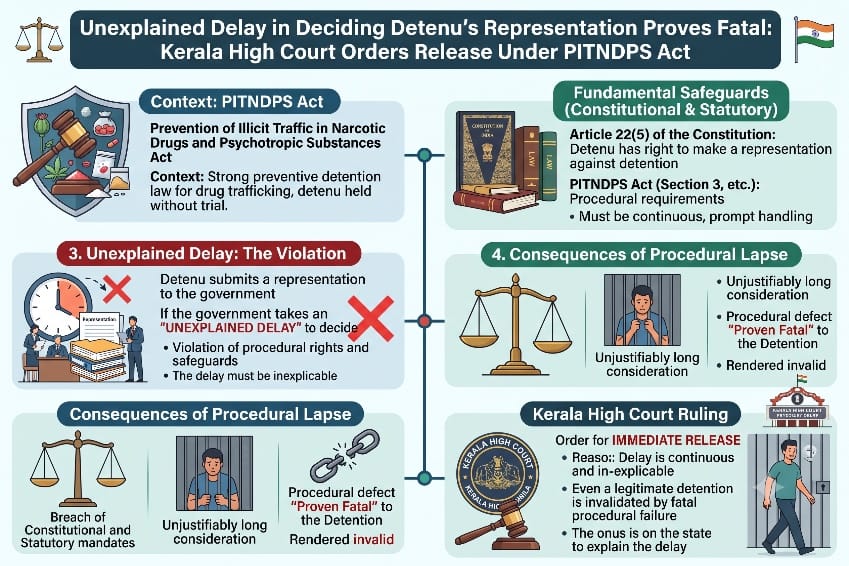
Fathimath Thasneem V.K. v. Union of India and Others | High Court of Kerala at Ernakulam | 3rd September, 2026 A habeas corpus writ petition by the wife of a detenu challenging…
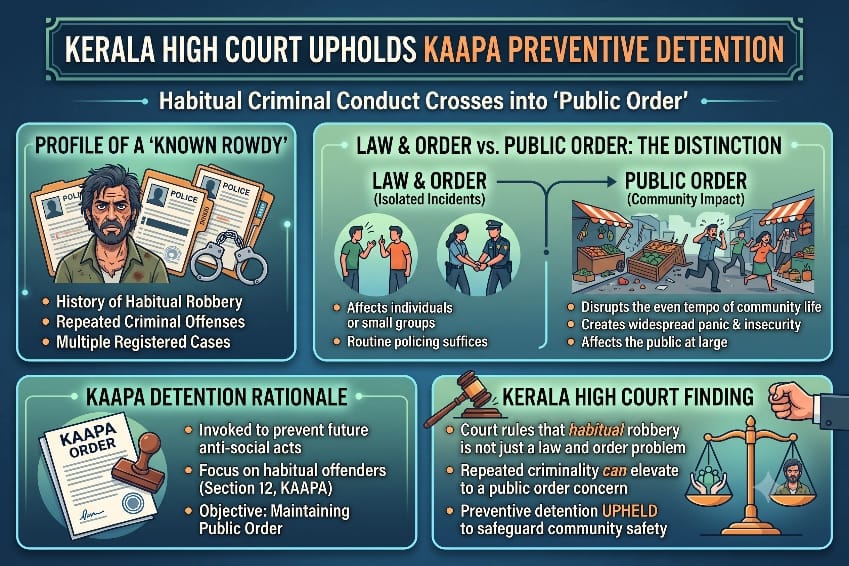
Thasmitha Abukutty v. State of Kerala and Others | High Court of Kerala at Ernakulam | 2nd September, 2026 A writ petition by the wife of a preventive detenu challenging a…
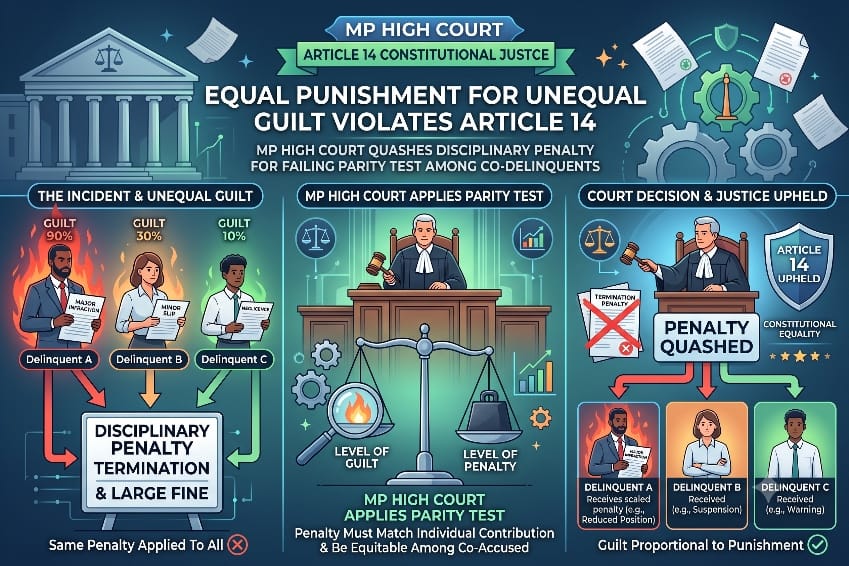
Brahm Kishore Dixit v. The State of Madhya Pradesh and Others | High Court of Madhya Pradesh, Gwalior | 1st September, 2026 A writ petition under Article 226 by a police Assistant…
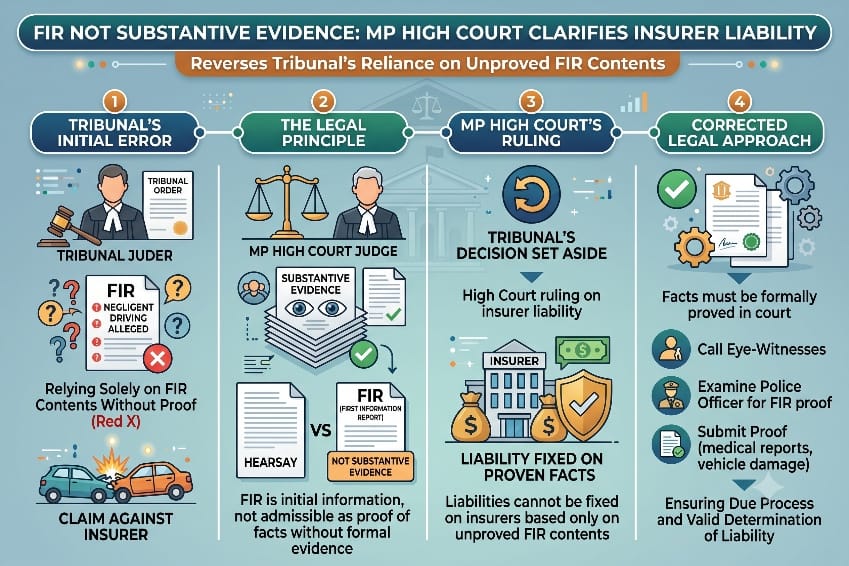
Anil Kumar Patel v. Smt. Munni Bai Barman and Others | High Court of Madhya Pradesh, Jabalpur | 1st September, 2026 A Motor Vehicle Act appeal under Section 173 1 against a Claims…
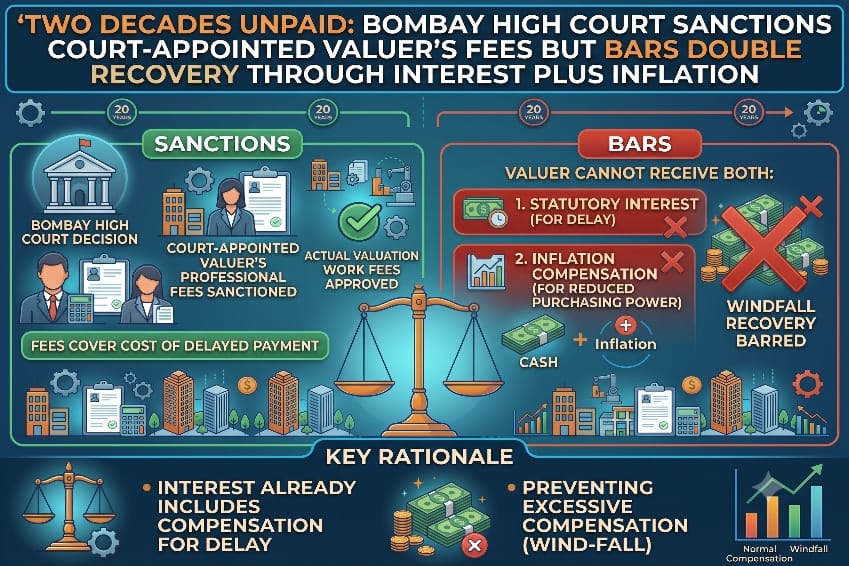
M/s. Kuber Mutual Benefits Ltd. & Ors. v. The State of Maharashtra & Ors. | High Court of Judicature at Bombay Appellate Side | 3rd September, 2026 A Court Receiver's Report…
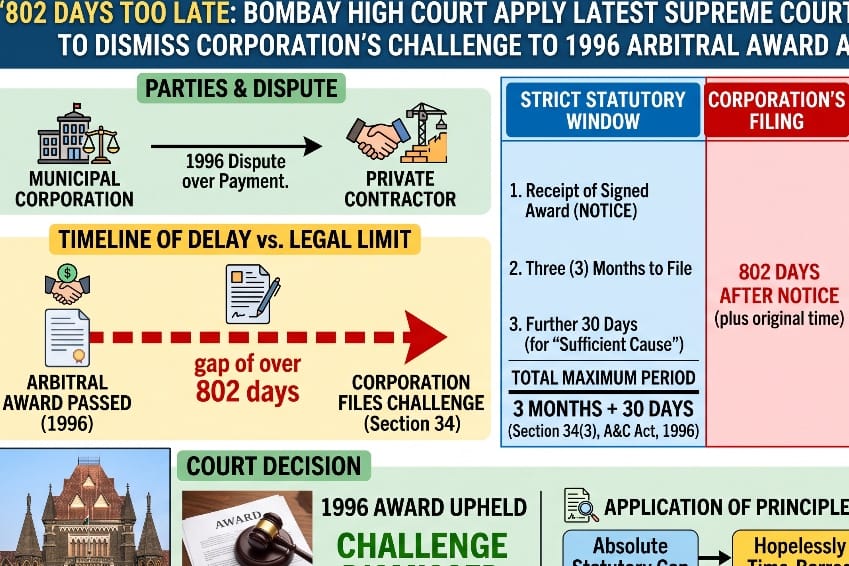
The Municipal Corporation of Greater Bombay v. M/s. Atul Raj Builders Pvt. Ltd. | High Court of Judicature at Bombay Ordinary Original Civil Jurisdiction | 3rd September, 2026 A…
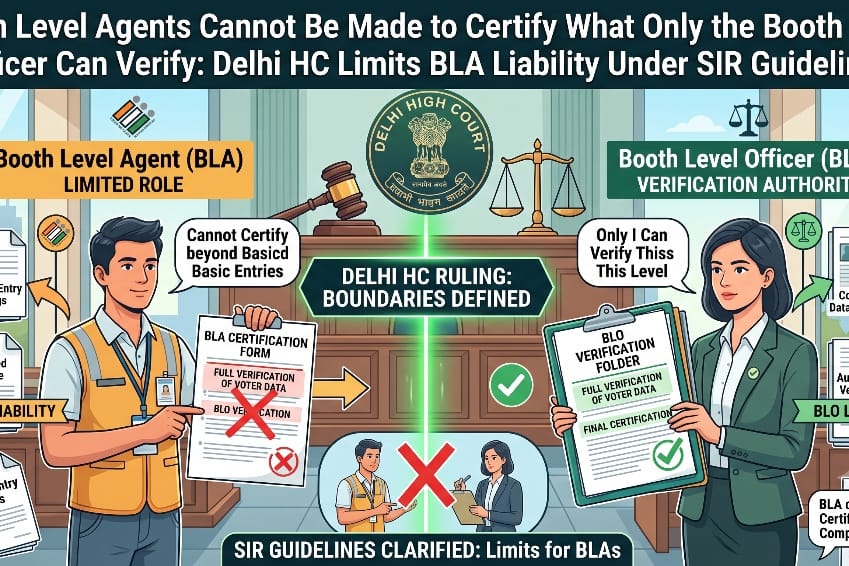
Devender Yadav & Anr. v. Election Commission of India & Anr. | High Court of Delhi Single Judge | Decided on: 03.09.2026 In a challenge to the Election Commission of India's…
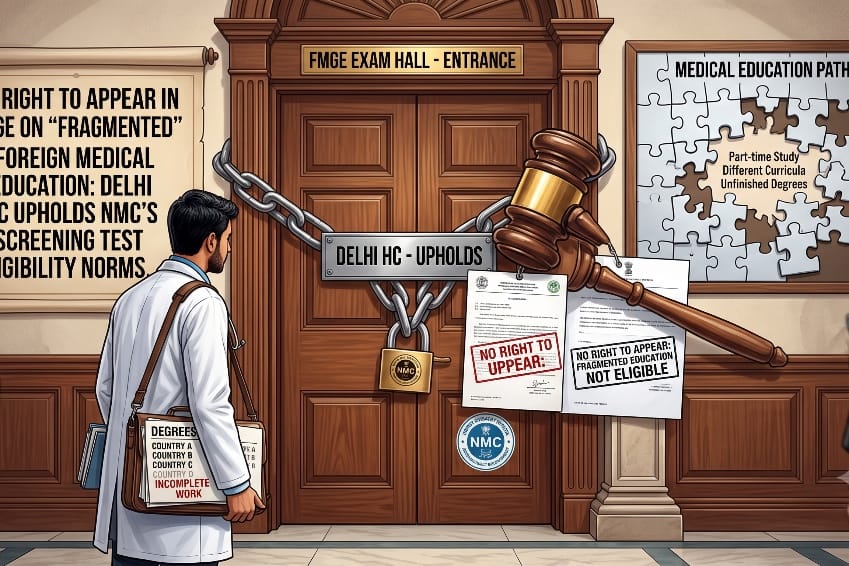
Brij Sharadbhai Bhatt & Ors. v. National Medical Commission & Ors. | High Court of Delhi Division Bench | Decided on: 03.09.2026 The Delhi High Court dismissed a challenge by…