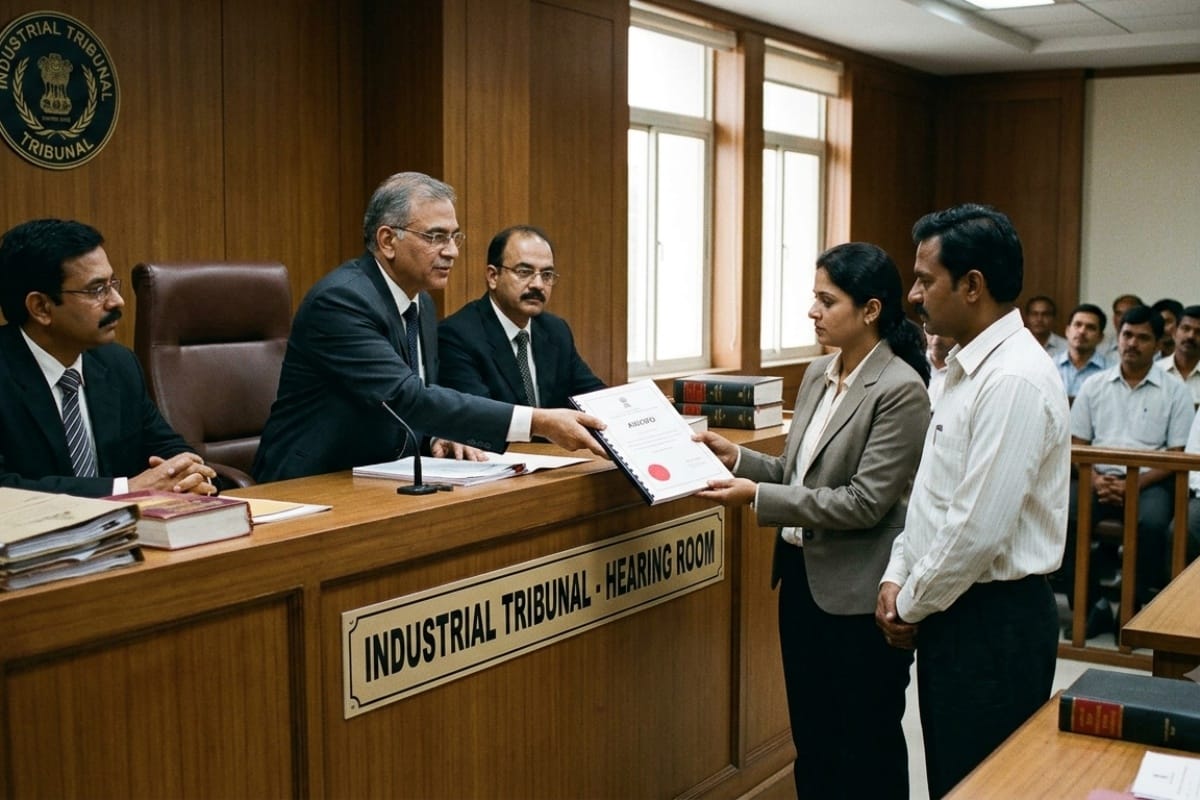
Deciding two connected writ petitions arising from a common Industrial Tribunal Award, the Delhi High Court set aside the Tribunal's direction granting hotel workmen a further…
Labour Laws
06/09/20264 min read
Update / Judgement Date
29 Sept 2025
Source
WCP News Bulletin
Author
Sakshi Bhardwaj — WCP Legal Desk
Reading Time
3 min read
The advent of Artificial Intelligence (AI) has ushered in transformative changes across various sectors, including the realm of Intellectual Property (IP). In India, the existing legal framework, primarily governed by the Copyright Act, 1957, and the Patents Act, 1970, faces significant challenges in addressing the complexities introduced by AI-generated creations.
1. Authorship and Ownership of AI-Generated Works
Under Section 2(d) of the Copyright Act, 1957, authorship is exclusively attributed to human creators. Consequently, works generated autonomously by AI systems fall into a legal grey area, as they lack a human author.
2. Data Scraping and Fair Dealing
AI models often rely on vast datasets, which may include copyrighted material, to train and enhance their functionalities. In India, the fair dealing provisions under Section 52 of the Copyright Act are limited and primarily cater to research, private study, criticism, or review.
3. Judicial and Legislative Responses
In response to these challenges, the Indian government established an expert panel in 2025 to review the adequacy of the current copyright law in addressing AI-related disputes. This initiative aims to identify and analyze legal and policy issues arising from AI's intersection with copyright, with the goal of modernizing the legal framework to accommodate the nuances of AI-generated content.
4. International Perspectives and Comparative Analysis
Globally, jurisdictions are grappling with similar issues. For instance, in the United States, the Authors Guild v. Google case (2015) examined the fair use of digitized books for AI training. Similarly, in the European Union, the Copyright Directive (2019/790) addresses the licensing of data scraping for AI purposes. These international precedents offer valuable insights for India as it navigates the complexities of AI and IP law.
5. Proposed Reforms and Future Directions
To address the evolving landscape, several reforms have been proposed:
The intersection of AI and Intellectual Property law in India presents a complex landscape that necessitates urgent legal reform. By modernizing the legal framework, India can foster innovation while safeguarding the rights of creators, ensuring that the benefits of AI advancements are equitably distributed.
Deciding two connected writ petitions arising from a common Industrial Tribunal Award, the Delhi High Court set aside the Tribunal's direction granting hotel workmen a further…
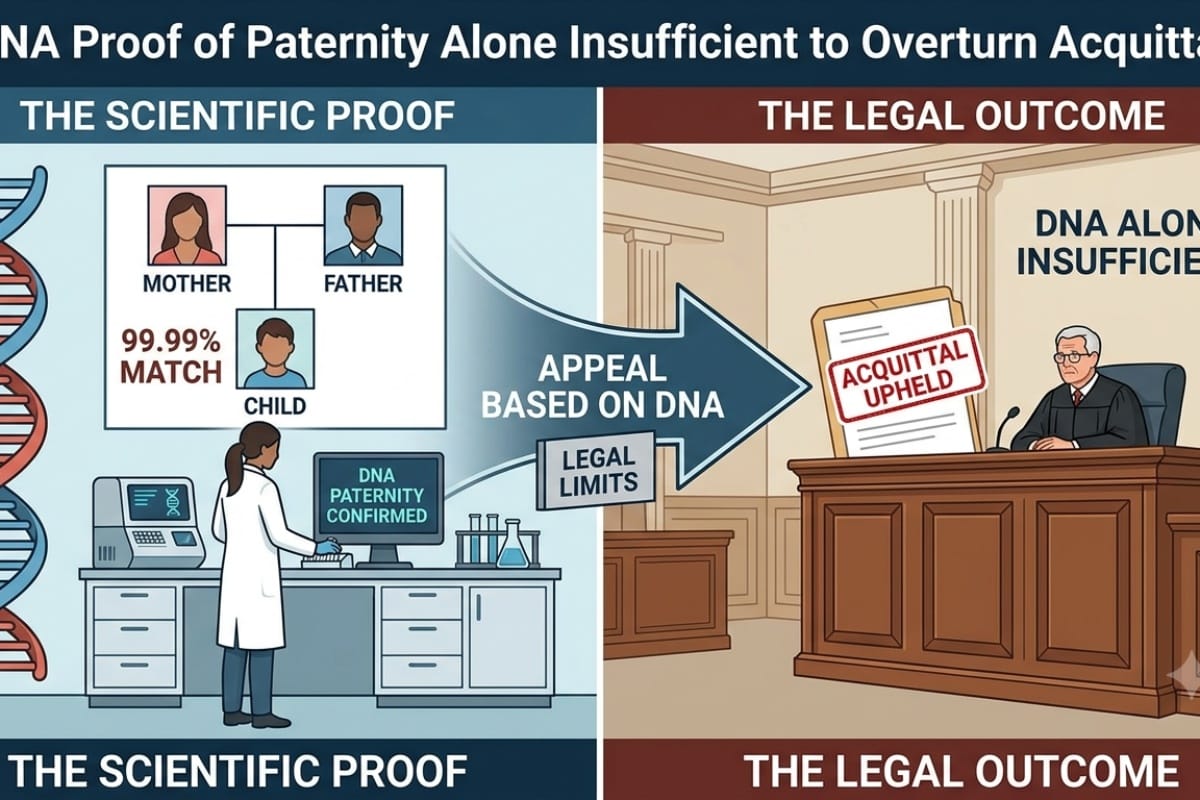
Headnote The Delhi High Court dismissed a prosecutrix's appeal against acquittal of the accused on charges under Sections 328/376 2 n /377/506/509 IPC, despite DNA evidence…
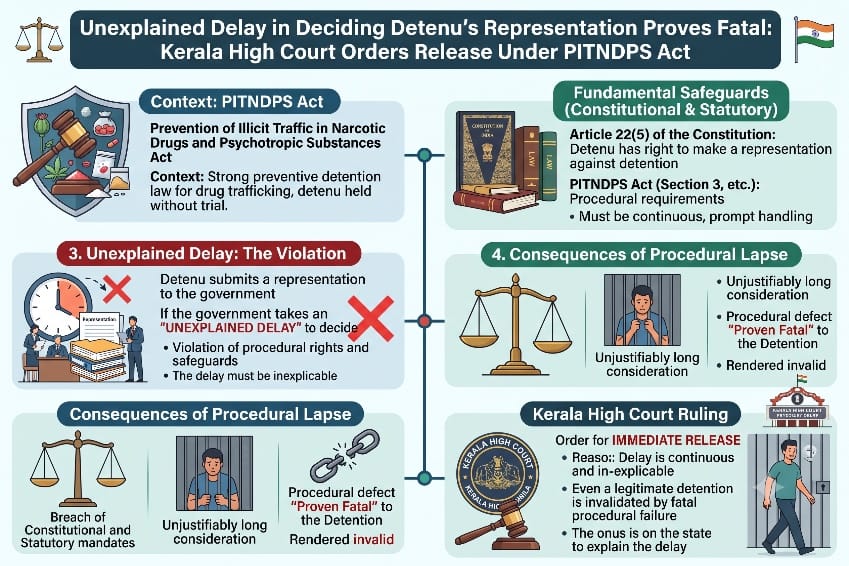
Fathimath Thasneem V.K. v. Union of India and Others | High Court of Kerala at Ernakulam | 3rd September, 2026 A habeas corpus writ petition by the wife of a detenu challenging…
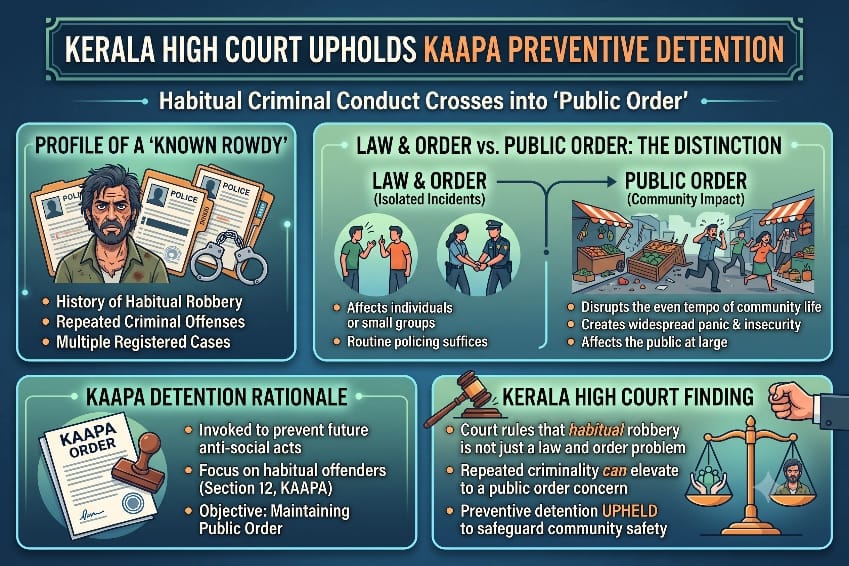
Thasmitha Abukutty v. State of Kerala and Others | High Court of Kerala at Ernakulam | 2nd September, 2026 A writ petition by the wife of a preventive detenu challenging a…
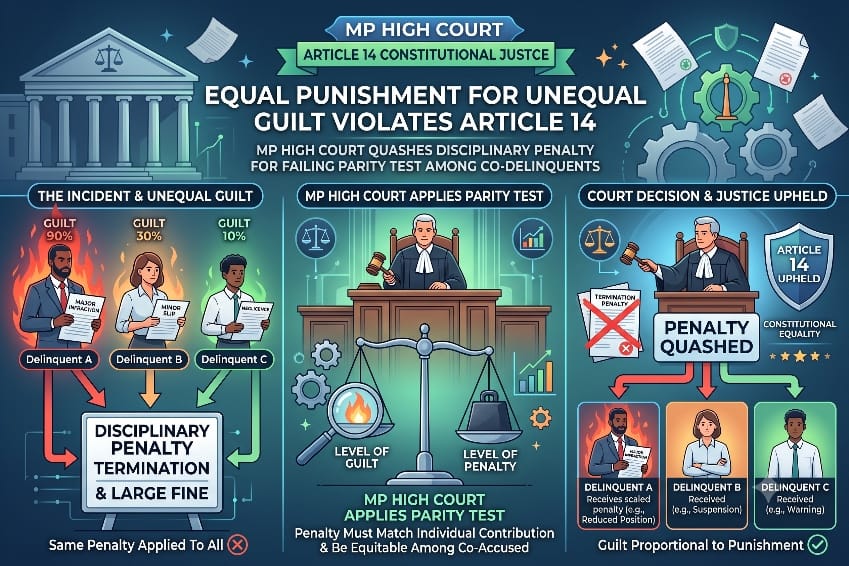
Brahm Kishore Dixit v. The State of Madhya Pradesh and Others | High Court of Madhya Pradesh, Gwalior | 1st September, 2026 A writ petition under Article 226 by a police Assistant…
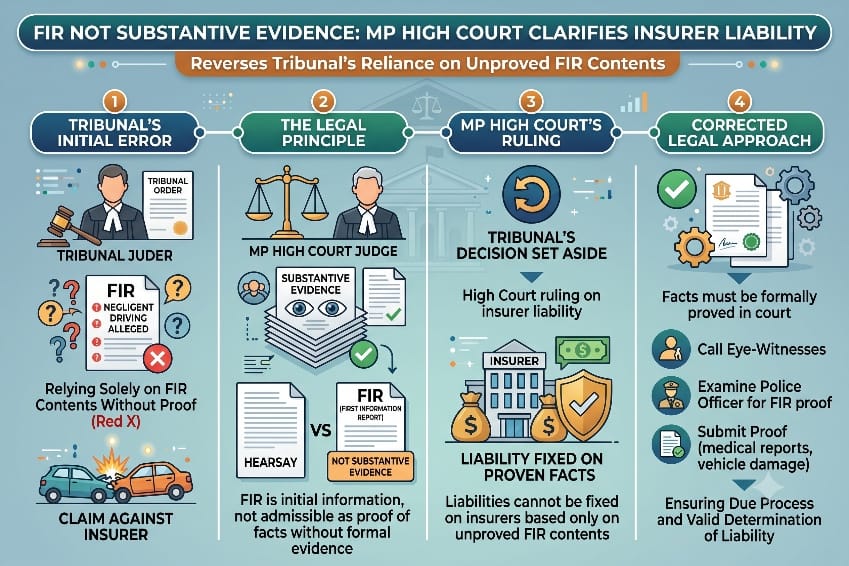
Anil Kumar Patel v. Smt. Munni Bai Barman and Others | High Court of Madhya Pradesh, Jabalpur | 1st September, 2026 A Motor Vehicle Act appeal under Section 173 1 against a Claims…
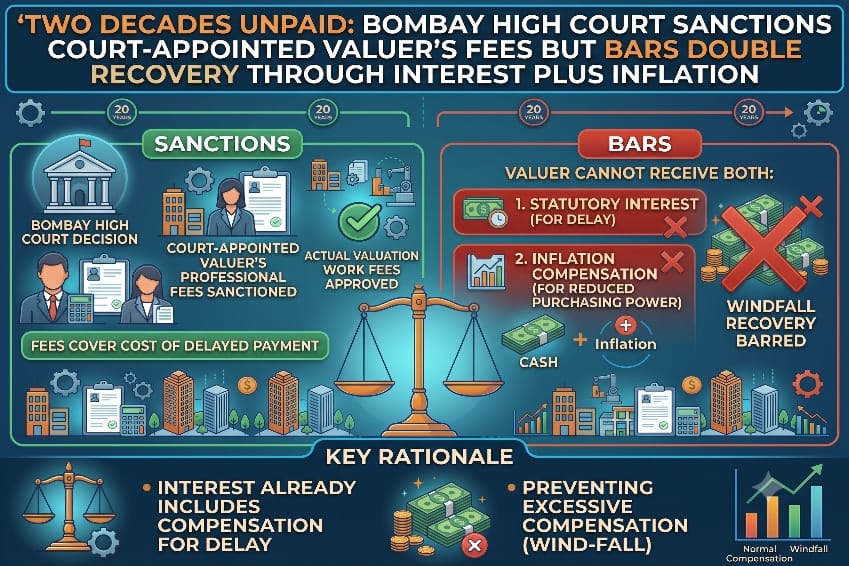
M/s. Kuber Mutual Benefits Ltd. & Ors. v. The State of Maharashtra & Ors. | High Court of Judicature at Bombay Appellate Side | 3rd September, 2026 A Court Receiver's Report…
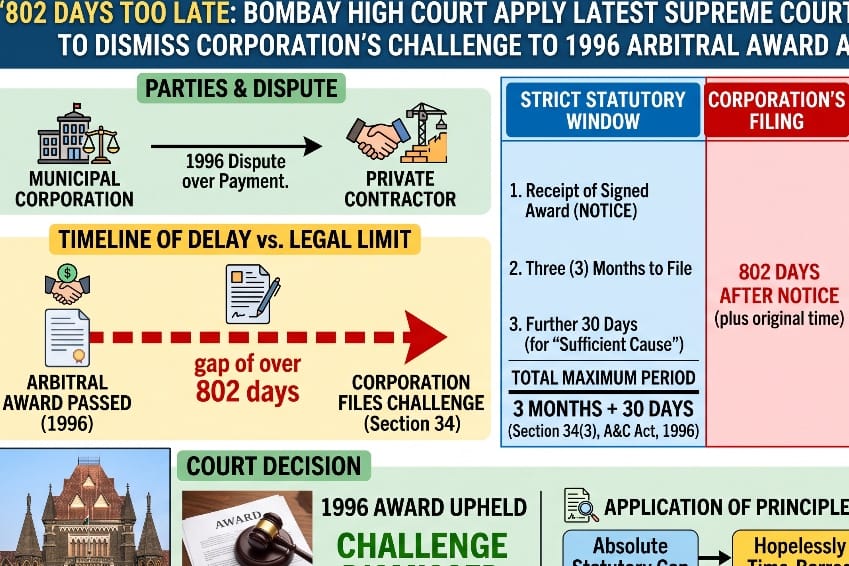
The Municipal Corporation of Greater Bombay v. M/s. Atul Raj Builders Pvt. Ltd. | High Court of Judicature at Bombay Ordinary Original Civil Jurisdiction | 3rd September, 2026 A…
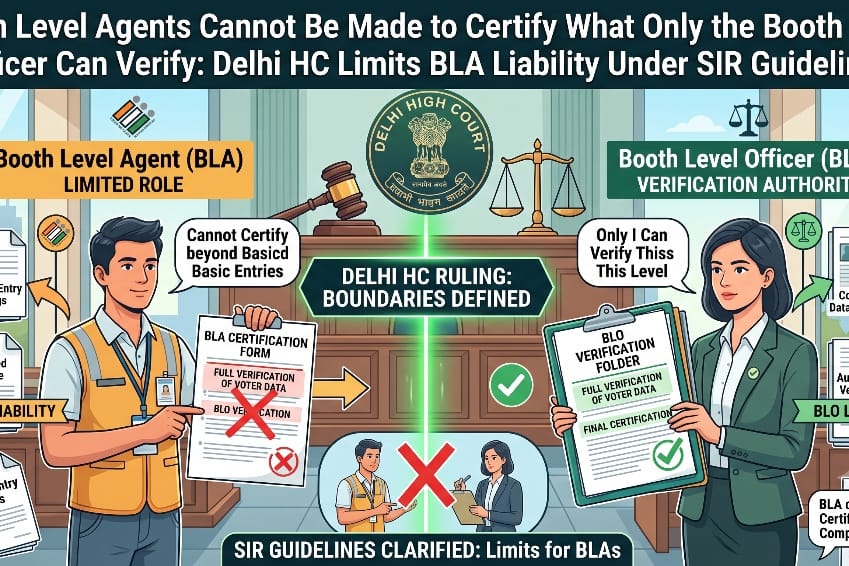
Devender Yadav & Anr. v. Election Commission of India & Anr. | High Court of Delhi Single Judge | Decided on: 03.09.2026 In a challenge to the Election Commission of India's…
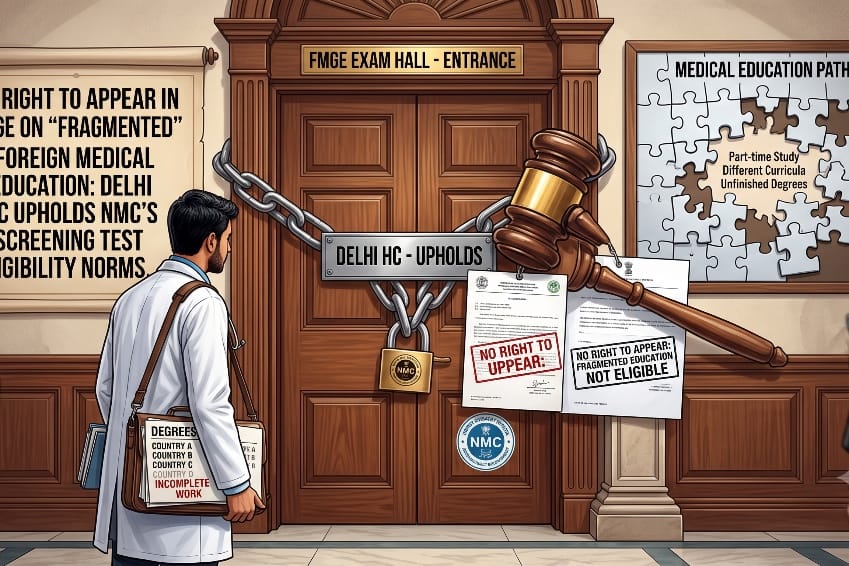
Brij Sharadbhai Bhatt & Ors. v. National Medical Commission & Ors. | High Court of Delhi Division Bench | Decided on: 03.09.2026 The Delhi High Court dismissed a challenge by…