
Deciding two connected writ petitions arising from a common Industrial Tribunal Award, the Delhi High Court set aside the Tribunal's direction granting hotel workmen a further…
Labour Laws
06/09/20264 min read
Update / Judgement Date
10 Oct 2025
Source
WCP News Bulletin
Author
Sakshi Bhardwaj — WCP Legal Desk
Reading Time
5 min read
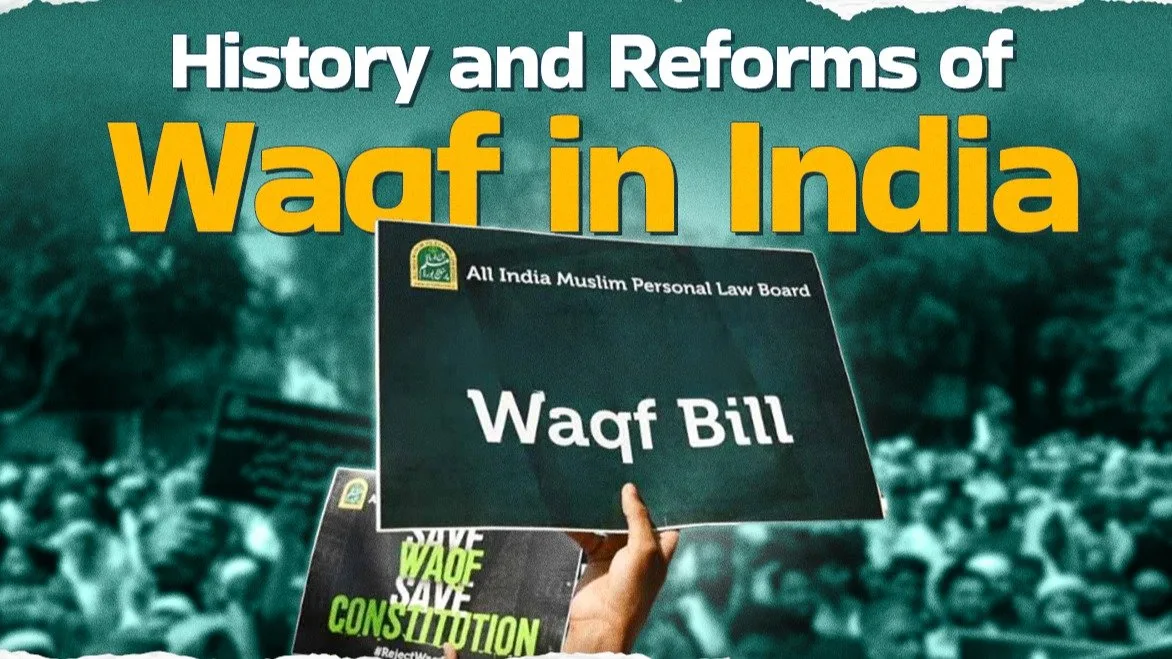
Introduction:
The Waqf (Amendment) Act, 2025, enacted by the Parliament of India, seeks to modernize and reform the administration of Waqf properties across the country. Waqf, a religious endowment in Islamic law, typically involves immovable or movable properties donated for religious or charitable purposes. Historically governed under the Waqf Act, 1995, the administration of Waqf properties has faced criticism due to mismanagement, encroachments, and lack of accountability. The 2025 Amendment introduces several provisions intended to address these challenges. However, certain aspects of the Act have triggered constitutional challenges, primarily concerning religious autonomy, property rights, and the proper scope of state intervention.
Key Provisions of the Waqf (Amendment) Act, 2025:
Constitutional Challenges:
The constitutional validity of the Waqf (Amendment) Act, 2025, is currently under scrutiny in the Supreme Court of India in Asaduddin Owaisi v. Union of India (2025 INSC 1116). The key legal challenges include:
1)Violation of Religious Autonomy: Petitioners argue that the inclusion of non-Muslim members in Waqf Boards violates the protection under Article 26(b) of the Constitution. It is contended that this provision undermines the ability of the Muslim community to manage its religious endowments independently.
2)Departure from Islamic Jurisprudence: The removal of ‘Waqf by User’ is challenged as being inconsistent with Islamic law principles, as it potentially excludes properties that have traditionally been recognized as Waqf due to long-standing religious usage.
3)Centralization and Administrative Overreach: Empowering district collectors to adjudicate ownership disputes over Waqf properties is seen as an encroachment upon the statutory powers of Waqf Boards. Petitioners argue this undermines the independence of religious institutions and may expose Waqf properties to arbitrary state action.
4)Impact on Property Rights: Applying the Limitation Act to Waqf properties could limit the ability of Waqf Boards to recover encroached properties, thereby affecting the protection of property rights and charitable obligations.
Legal Proceedings:
The Supreme Court has admitted multiple petitions challenging the constitutional validity of the Waqf (Amendment) Act, 2025. In interim directions, the Court has stayed specific provisions, including:
These stays reflect judicial concern regarding potential violations of religious autonomy and property rights and signal the Court’s intention to undertake detailed constitutional scrutiny.
Public and Political Reactions
The Amendment has generated significant public discourse. Muslim organizations such as the All India Muslim Personal Law Board (AIMPLB) and Jamiat Ulama-e-Hind have protested, asserting that the Act undermines religious freedoms and community autonomy. Opposition political parties have criticized the Act as an overreach, arguing that it represents undue interference in Muslim institutions.
Conversely, the central government defends the Amendment, emphasizing the need for reform to address historical mismanagement, prevent encroachments, and improve the utilization of Waqf properties for public welfare. The government contends that these reforms are consistent with the state’s duty under Article 21 to protect public interest and ensure effective administration of charitable endowments.
Legal Analysis and Implications
From a constitutional law perspective, the Waqf (Amendment) Act, 2025, raises critical questions regarding the balance between state regulation and religious autonomy. Article 26(b) provides that every religious denomination has the right to manage its own affairs in matters of religion. The challenge lies in determining whether state intervention in administrative matters of Waqf Boards constitutes an impermissible intrusion into religious freedom or a permissible regulatory action for ensuring transparency and accountability.
Further, the Amendment’s modification of property rights and dispute resolution mechanisms highlights the tension between private religious rights and public administrative interests. Courts may have to examine whether the provisions constitute a reasonable restriction under Article 25(2)(b) and whether they satisfy the tests of proportionality and minimal intrusion.
Conclusion:
The Waqf (Amendment) Act, 2025, represents a transformative attempt to regulate and modernize the administration of Waqf properties in India. While its objectives of transparency, accountability, and efficiency are laudable, several provisions raise substantial constitutional and religious concerns. The ongoing Supreme Court proceedings in Asaduddin Owaisi v. Union of India will likely determine the constitutional contours of state intervention in religious endowments. The judgment will have far-reaching implications, not only for the management of Waqf properties but also for the broader framework of religious autonomy and minority rights under the Indian Constitution.
Deciding two connected writ petitions arising from a common Industrial Tribunal Award, the Delhi High Court set aside the Tribunal's direction granting hotel workmen a further…

Headnote The Delhi High Court dismissed a prosecutrix's appeal against acquittal of the accused on charges under Sections 328/376 2 n /377/506/509 IPC, despite DNA evidence…
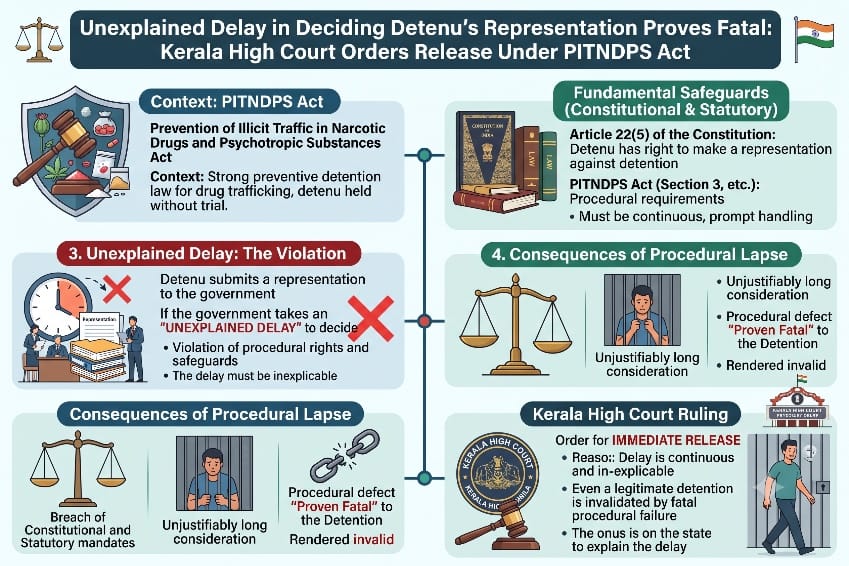
Fathimath Thasneem V.K. v. Union of India and Others | High Court of Kerala at Ernakulam | 3rd September, 2026 A habeas corpus writ petition by the wife of a detenu challenging…

Thasmitha Abukutty v. State of Kerala and Others | High Court of Kerala at Ernakulam | 2nd September, 2026 A writ petition by the wife of a preventive detenu challenging a…
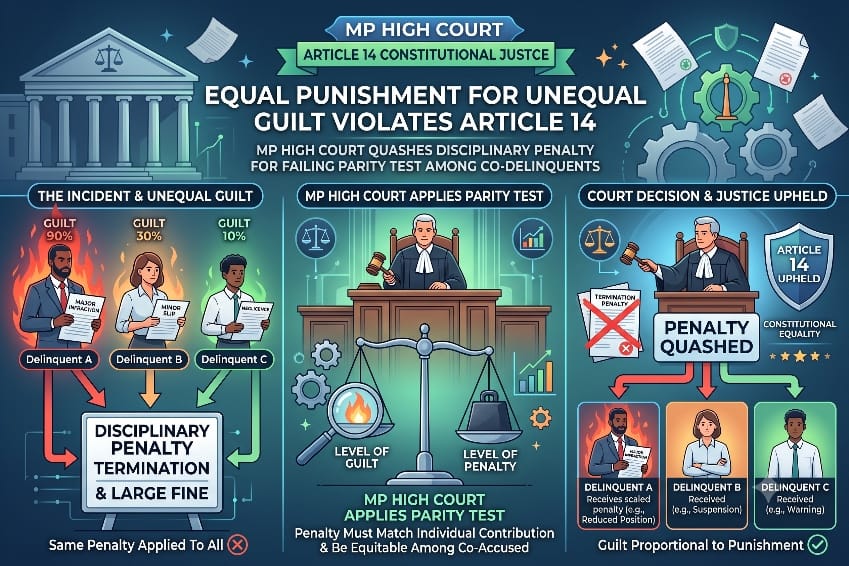
Brahm Kishore Dixit v. The State of Madhya Pradesh and Others | High Court of Madhya Pradesh, Gwalior | 1st September, 2026 A writ petition under Article 226 by a police Assistant…
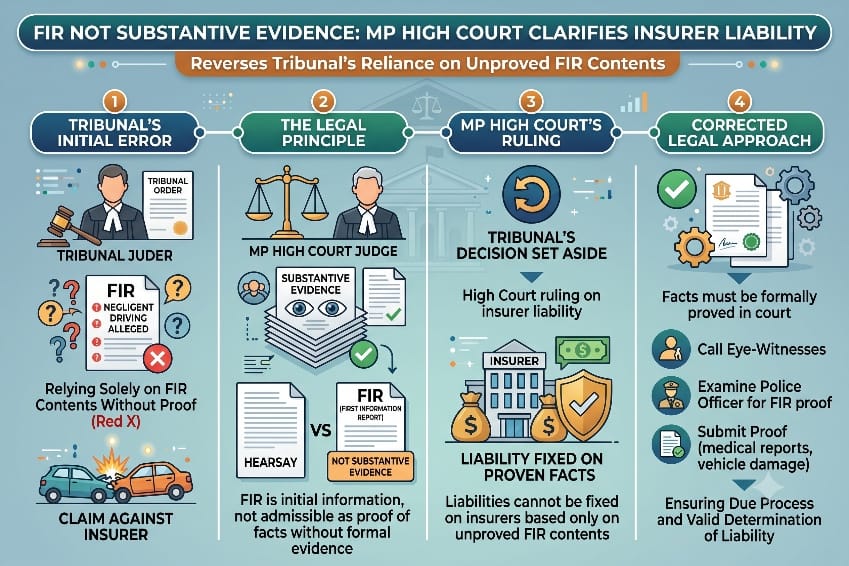
Anil Kumar Patel v. Smt. Munni Bai Barman and Others | High Court of Madhya Pradesh, Jabalpur | 1st September, 2026 A Motor Vehicle Act appeal under Section 173 1 against a Claims…
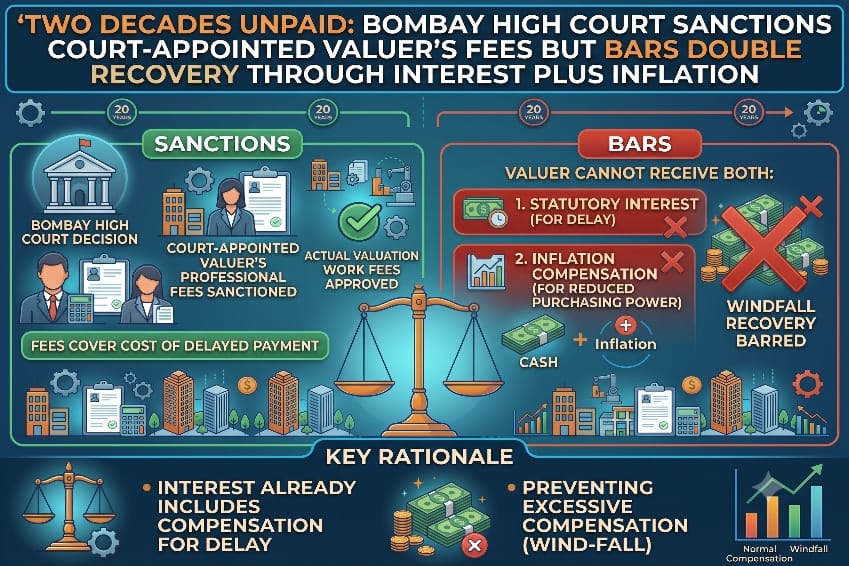
M/s. Kuber Mutual Benefits Ltd. & Ors. v. The State of Maharashtra & Ors. | High Court of Judicature at Bombay Appellate Side | 3rd September, 2026 A Court Receiver's Report…
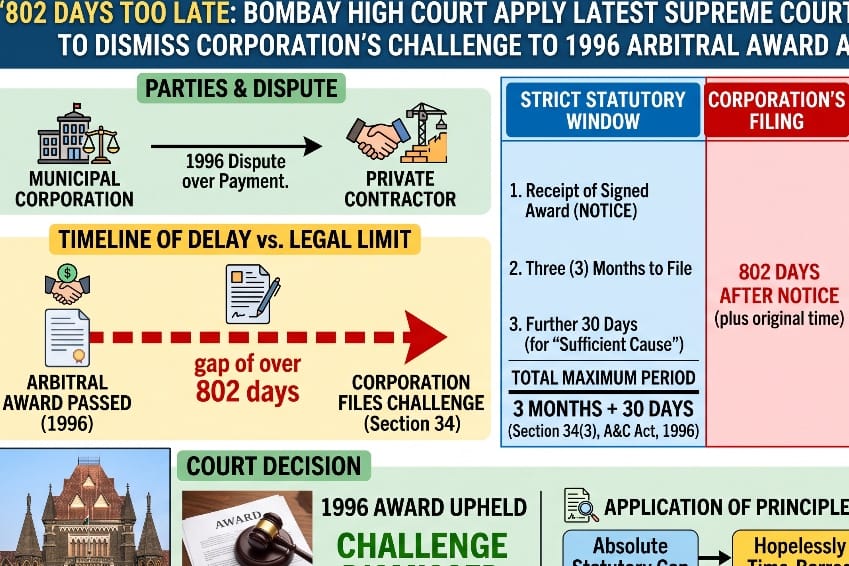
The Municipal Corporation of Greater Bombay v. M/s. Atul Raj Builders Pvt. Ltd. | High Court of Judicature at Bombay Ordinary Original Civil Jurisdiction | 3rd September, 2026 A…

Devender Yadav & Anr. v. Election Commission of India & Anr. | High Court of Delhi Single Judge | Decided on: 03.09.2026 In a challenge to the Election Commission of India's…
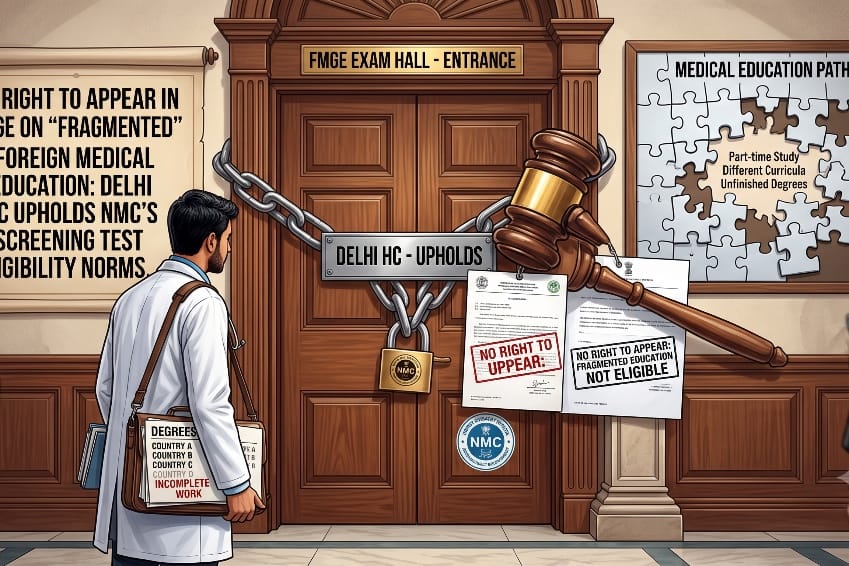
Brij Sharadbhai Bhatt & Ors. v. National Medical Commission & Ors. | High Court of Delhi Division Bench | Decided on: 03.09.2026 The Delhi High Court dismissed a challenge by…