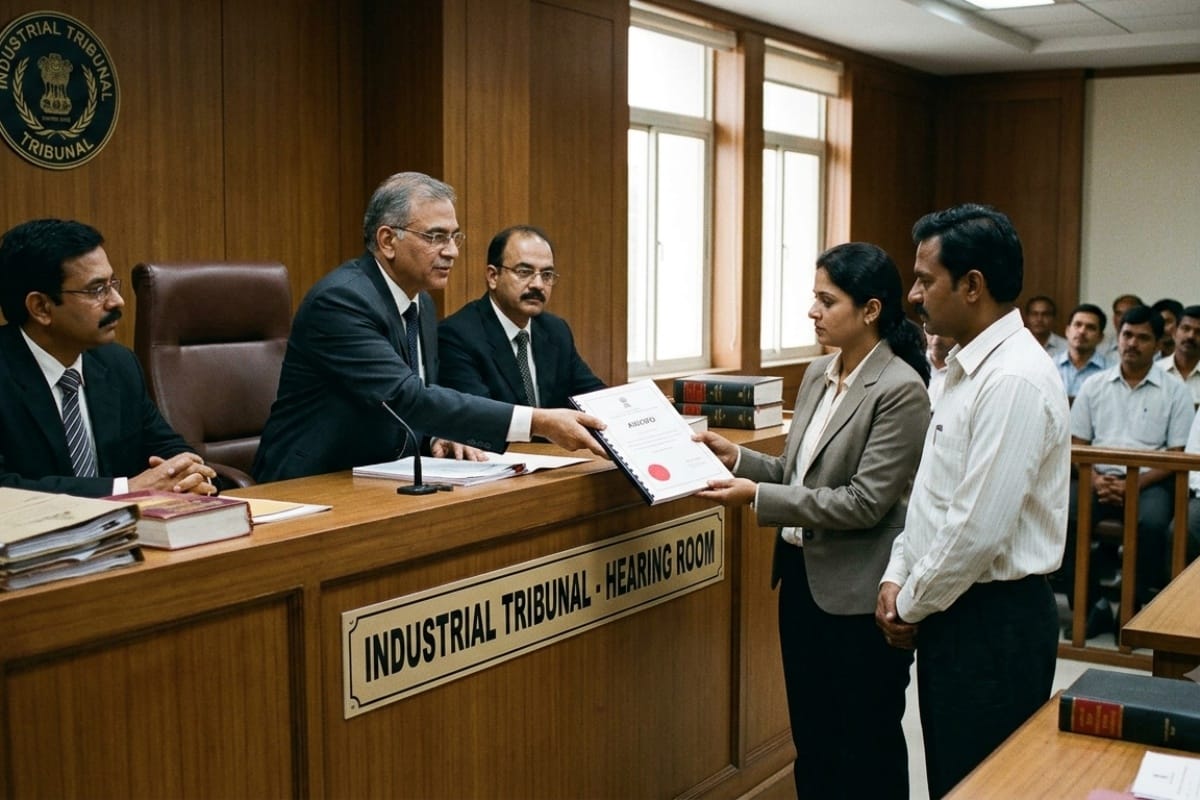
Deciding two connected writ petitions arising from a common Industrial Tribunal Award, the Delhi High Court set aside the Tribunal's direction granting hotel workmen a further…
Labour Laws
06/09/20264 min read
The Andhra Pradesh High Court has clarified the powers granted to police officers under Section 179(1) of the Bharatiya Nagarik Suraksha Sanhita (BNSS), restricting their ability to compel the attendance of “any person” acquainted with the facts of a case. The judgment limits a police officer’s authority to summon only individuals residing within the limits of their police station or any adjoining station. The Court emphasized that Section 179(1) does not endow officers with jurisdiction to call persons who reside outside these specified territorial areas, reinforcing that such individuals cannot be forced to appear merely by virtue of notice. Exceptions are specified under the first proviso, including males under 15 or above 60, women, the disabled, or those with serious illness, who are not legally obliged to attend. Willing persons may still provide statements at their residence or neutral locations if desired. Justice Venkata Jyothirmai Pratapa, adjudicating the case, reasoned that police can issue notice but cannot enforce appearance against these excluded groups, thus shielding vulnerable populations from unnecessary inconvenience or coercion. The facts revolved around a petitioner residing in Noida, issued repeated notices despite age and ill health, ultimately agreeing to cooperate under more accommodating circumstances. The State argued that written orders could still secure attendance, but the Court found this contrary to the limits of Section 179 and its provisos. The ruling concluded by allowing investigation at the person’s residence or via electronic means—with legal counsel present—highlighting procedural fairness and territorial boundaries in investigative practice.
Deciding two connected writ petitions arising from a common Industrial Tribunal Award, the Delhi High Court set aside the Tribunal's direction granting hotel workmen a further…
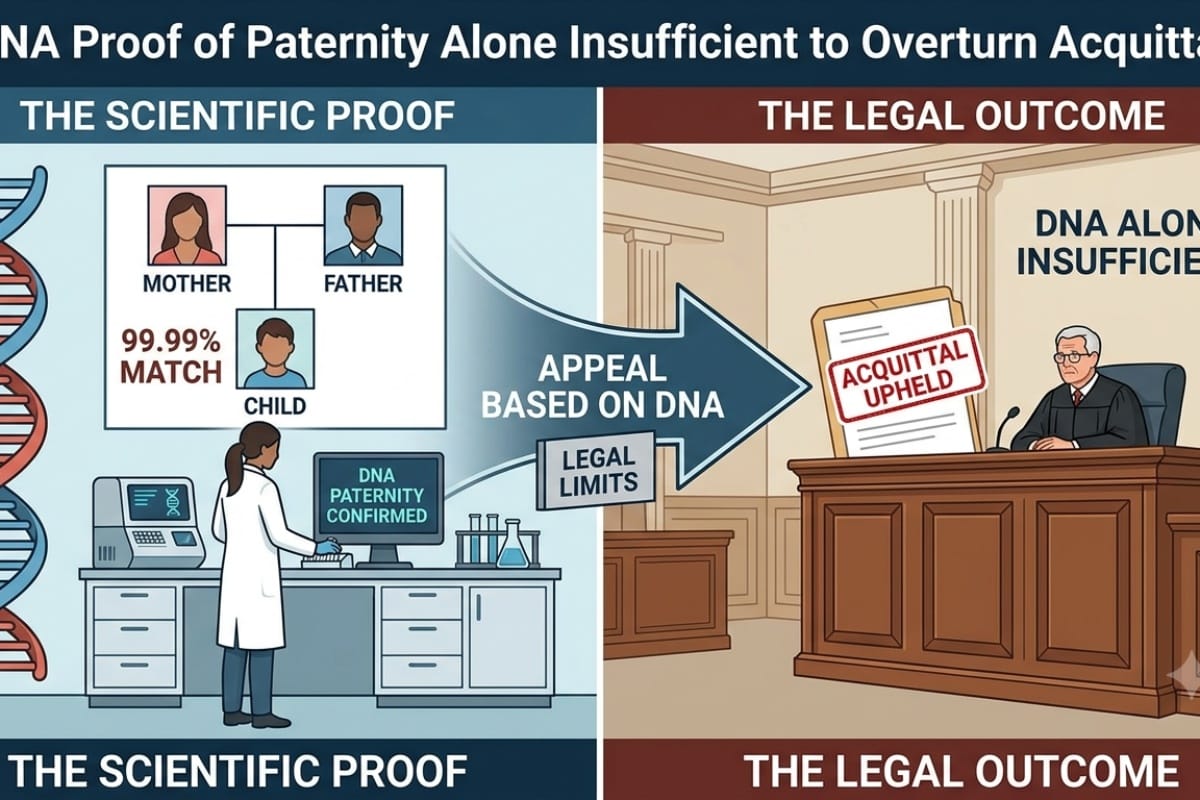
Headnote The Delhi High Court dismissed a prosecutrix's appeal against acquittal of the accused on charges under Sections 328/376 2 n /377/506/509 IPC, despite DNA evidence…
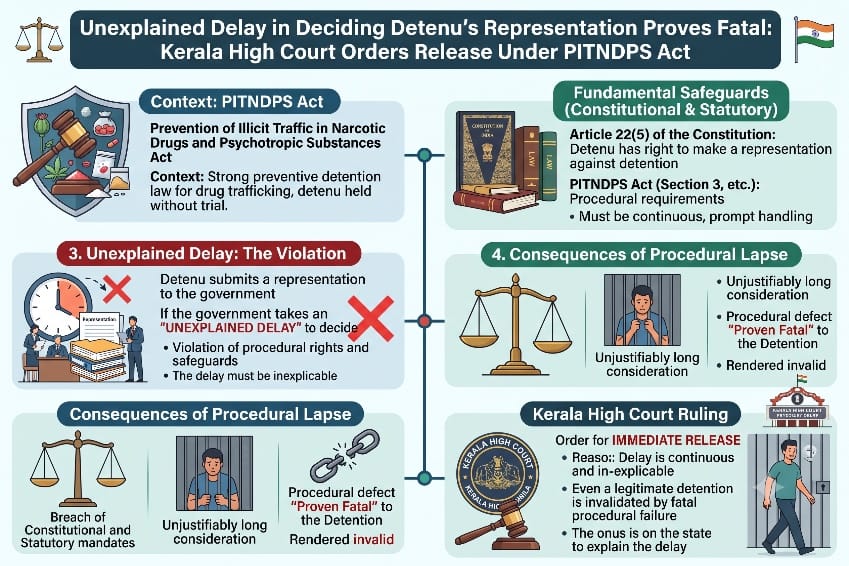
Fathimath Thasneem V.K. v. Union of India and Others | High Court of Kerala at Ernakulam | 3rd September, 2026 A habeas corpus writ petition by the wife of a detenu challenging…
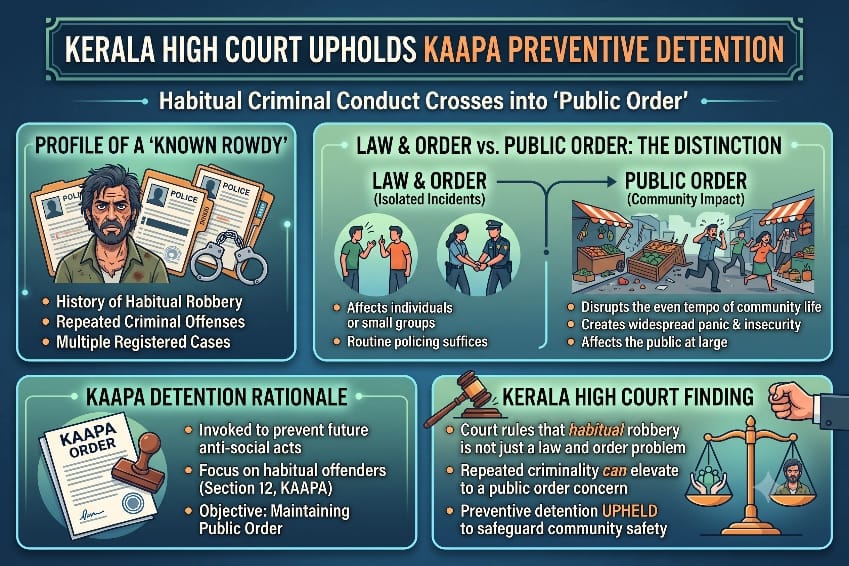
Thasmitha Abukutty v. State of Kerala and Others | High Court of Kerala at Ernakulam | 2nd September, 2026 A writ petition by the wife of a preventive detenu challenging a…
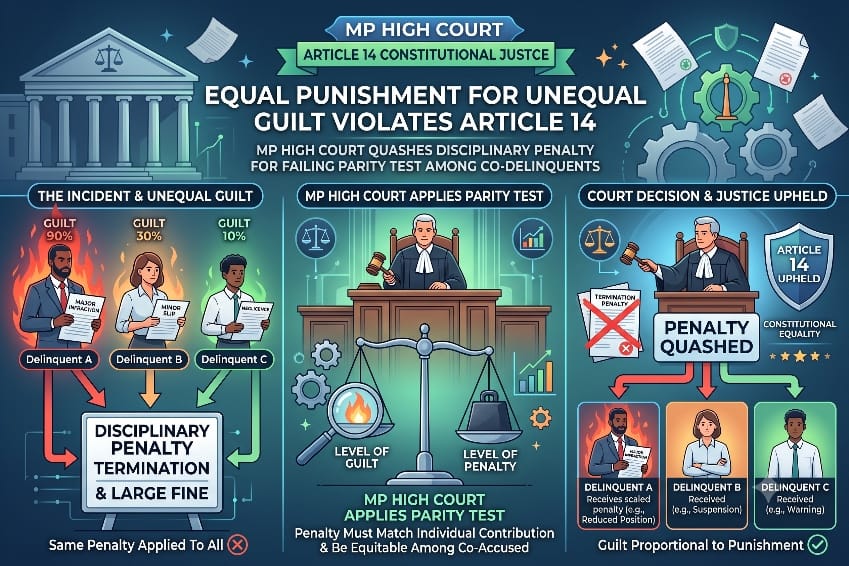
Brahm Kishore Dixit v. The State of Madhya Pradesh and Others | High Court of Madhya Pradesh, Gwalior | 1st September, 2026 A writ petition under Article 226 by a police Assistant…
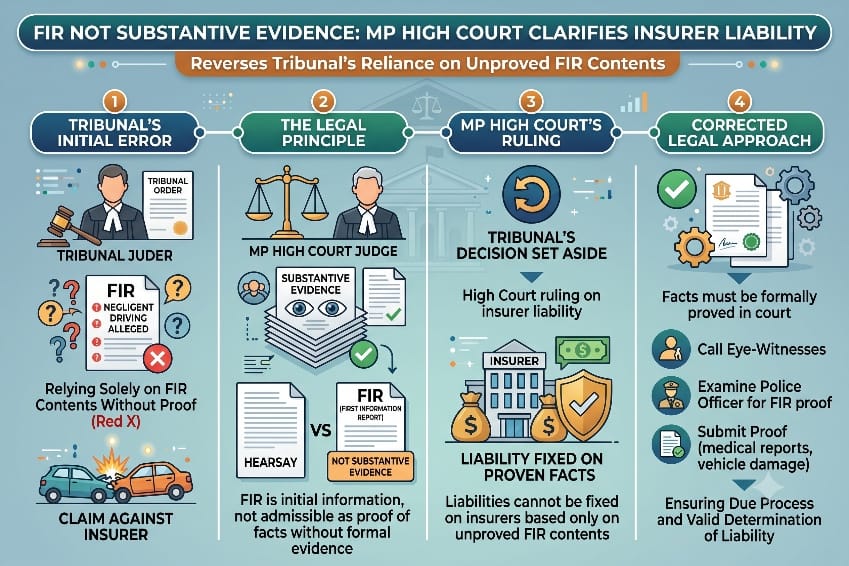
Anil Kumar Patel v. Smt. Munni Bai Barman and Others | High Court of Madhya Pradesh, Jabalpur | 1st September, 2026 A Motor Vehicle Act appeal under Section 173 1 against a Claims…
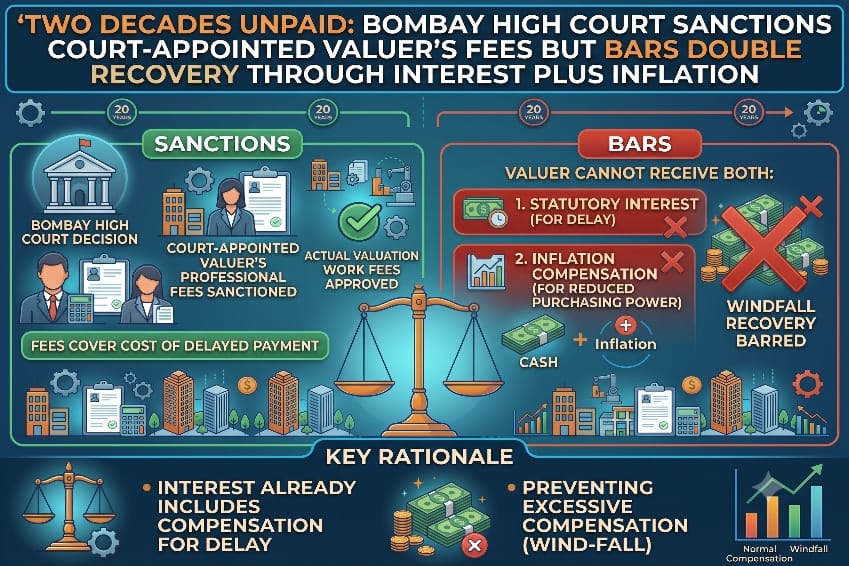
M/s. Kuber Mutual Benefits Ltd. & Ors. v. The State of Maharashtra & Ors. | High Court of Judicature at Bombay Appellate Side | 3rd September, 2026 A Court Receiver's Report…
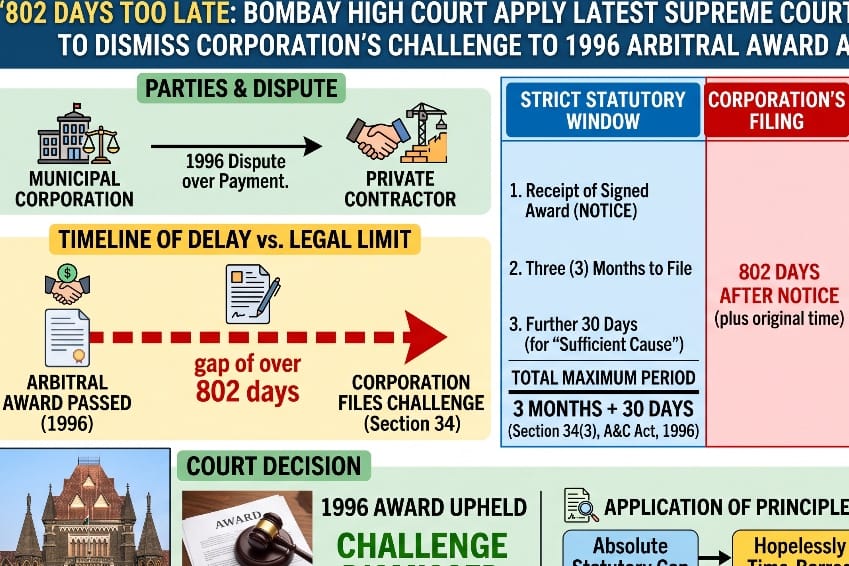
The Municipal Corporation of Greater Bombay v. M/s. Atul Raj Builders Pvt. Ltd. | High Court of Judicature at Bombay Ordinary Original Civil Jurisdiction | 3rd September, 2026 A…
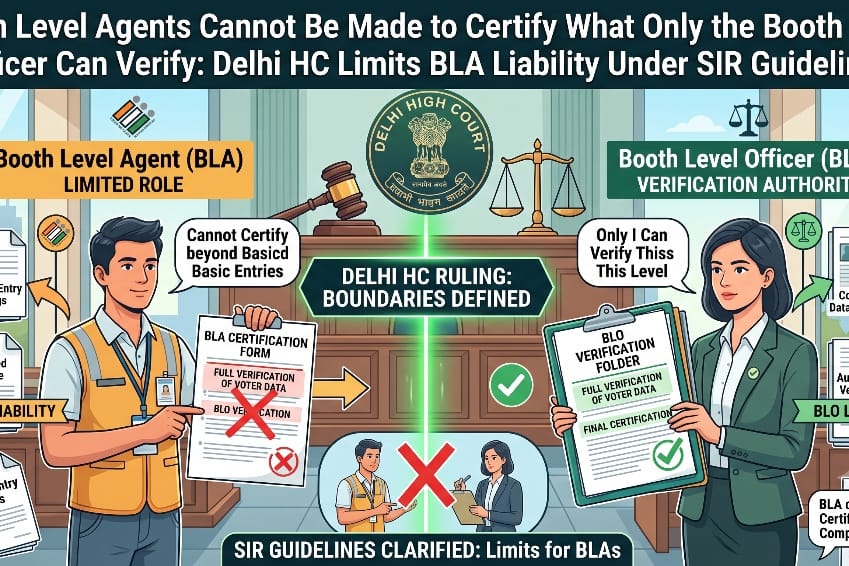
Devender Yadav & Anr. v. Election Commission of India & Anr. | High Court of Delhi Single Judge | Decided on: 03.09.2026 In a challenge to the Election Commission of India's…
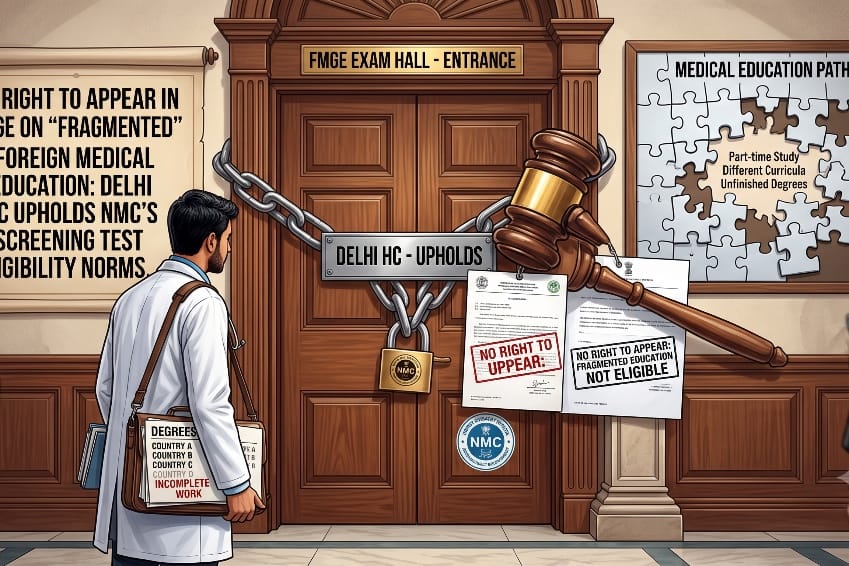
Brij Sharadbhai Bhatt & Ors. v. National Medical Commission & Ors. | High Court of Delhi Division Bench | Decided on: 03.09.2026 The Delhi High Court dismissed a challenge by…