Deciding two connected writ petitions arising from a common Industrial Tribunal Award, the Delhi High Court set aside the Tribunal's direction granting hotel workmen a further…
Labour Laws
06/09/20264 min read
Update / Judgement Date
30 Nov 2025
Source
WCP News Bulletin
Author
Sakshi Bhardwaj — WCP Legal Desk
Reading Time
3 min read
The Delhi High Court dismissed a petition seeking pay, allowances, pension, and post-retirement benefit parity between Assam Rifles personnel and Indian Army personnel. The Court held that Assam Rifles, though historically linked to the Army and functioning under dual control of MHA and MoD, cannot claim equal pay or benefits with Army personnel due to substantial differences in service tenure, nature of duties, organisational structure, and statutory framework. The Court reiterated that the principle of “equal pay for equal work” applies only when duties, responsibilities, qualifications, and service conditions are substantially identical, which was not established in this case.
• The petitioner association sought a writ of mandamus directing parity of pay, pension, and service conditions of Assam Rifles personnel with those of the Indian Army.
• They argued that Assam Rifles performs similar—and in some cases more difficult—duties, including counter-insurgency and border management.
• The petition relied on a Parliamentary Standing Committee Report recommending abolition of dual control and noting functional similarities with the Army and SFF.
• The petitioner also referred to the Kerala High Court decision granting ECHS benefits to SFF, asserting analogous treatment.
• The Union of India opposed the petition, asserting that Assam Rifles is governed by the Assam Rifles Act, 2006, not by the Army Act, and that key distinctions—especially retirement age (Army: 42–54; Assam Rifles: 60)—make pay parity untenable.
• The Court emphasised that equal pay for equal work requires near-identical duties, responsibilities, qualifications, and service conditions; superficial similarities are insufficient.
• Assam Rifles personnel serve until age 60, unlike Army personnel whose early retirement substantially influences pay, rank structure, and pension schemes.
• The operational and structural framework of Assam Rifles is closer to Central Armed Police Forces (CAPFs) than the Indian Army.
• The Kerala High Court judgment on ECHS benefits dealt only with medical entitlements and did not grant or imply pay or pension parity.
• The Parliamentary Committee’s recommendations are advisory and cannot override statutory distinctions, service rules, and government policy.
• The comparative chart submitted in the Union’s affidavit demonstrated clear differences in functions, command structure, deployment, and service conditions, justifying differential pay scales.
• The Court found no constitutional or legal basis to mandate parity and held that policy decisions on pay structures lie within the executive’s domain.
• Article 14, Constitution of India – Equality before law and classification.
• Article 16, Constitution of India – Equality of opportunity in public employment.
• Assam Rifles Act, 2006 – Statutory framework governing Assam Rifles.
• Army Act, 1950 – Applicable to Indian Army personnel.
• Doctrine of “Equal Pay for Equal Work” – Judicial principles governing parity claims.
Citation: 2025:DEL:10493
Case: Assam Rifles Ex-Servicemen Welfare Association (All India) v. Union of India & Ors.
Court: High Court of Delhi
Coram: Justice Dinesh Mehta & Justice Vimal Kumar Yadav
Date of Decision: 1 December 2025
Writ Petition (C): 10493 of 2017
Deciding two connected writ petitions arising from a common Industrial Tribunal Award, the Delhi High Court set aside the Tribunal's direction granting hotel workmen a further…
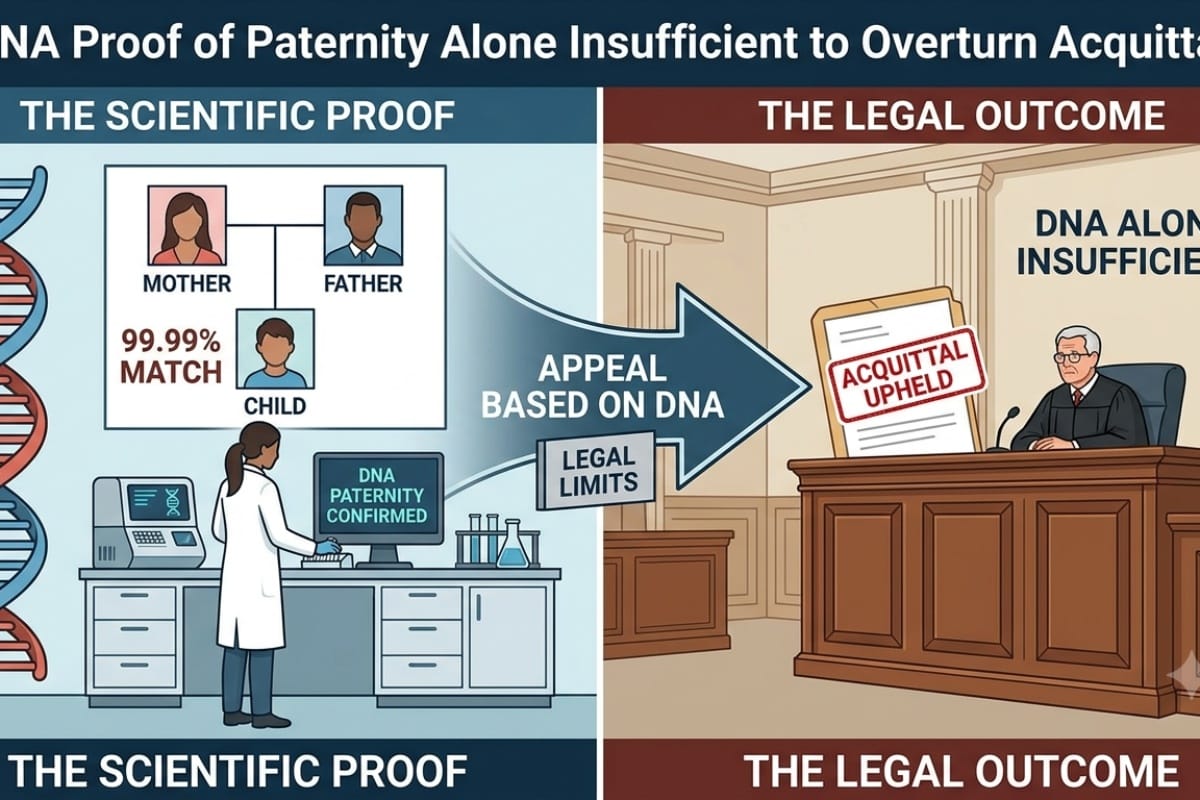
Headnote The Delhi High Court dismissed a prosecutrix's appeal against acquittal of the accused on charges under Sections 328/376 2 n /377/506/509 IPC, despite DNA evidence…
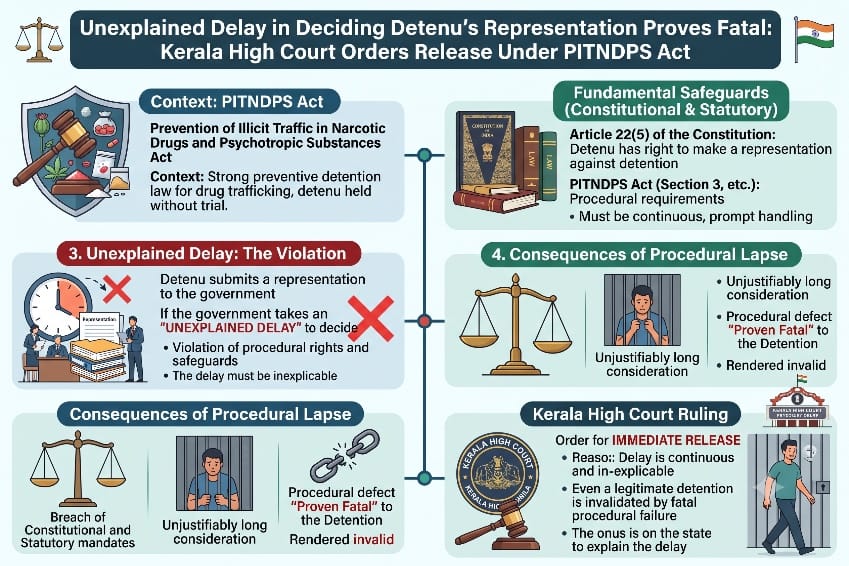
Fathimath Thasneem V.K. v. Union of India and Others | High Court of Kerala at Ernakulam | 3rd September, 2026 A habeas corpus writ petition by the wife of a detenu challenging…
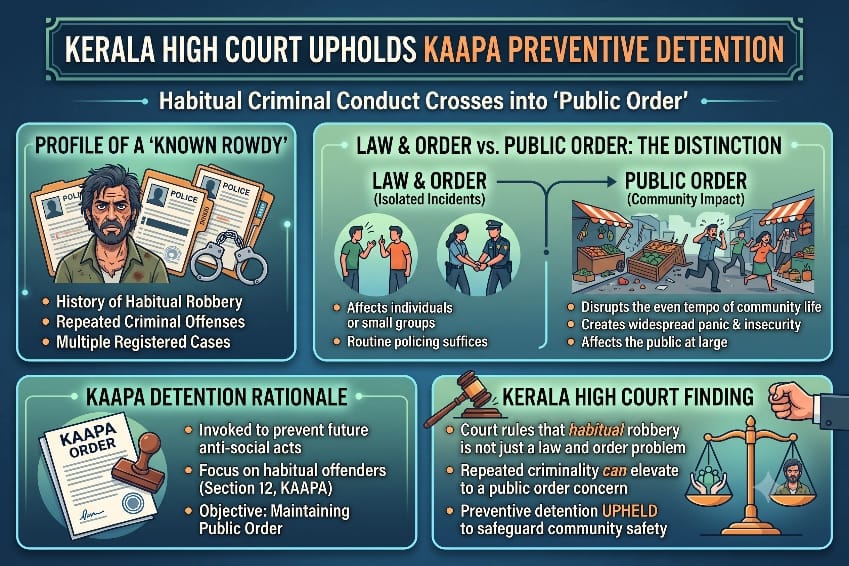
Thasmitha Abukutty v. State of Kerala and Others | High Court of Kerala at Ernakulam | 2nd September, 2026 A writ petition by the wife of a preventive detenu challenging a…
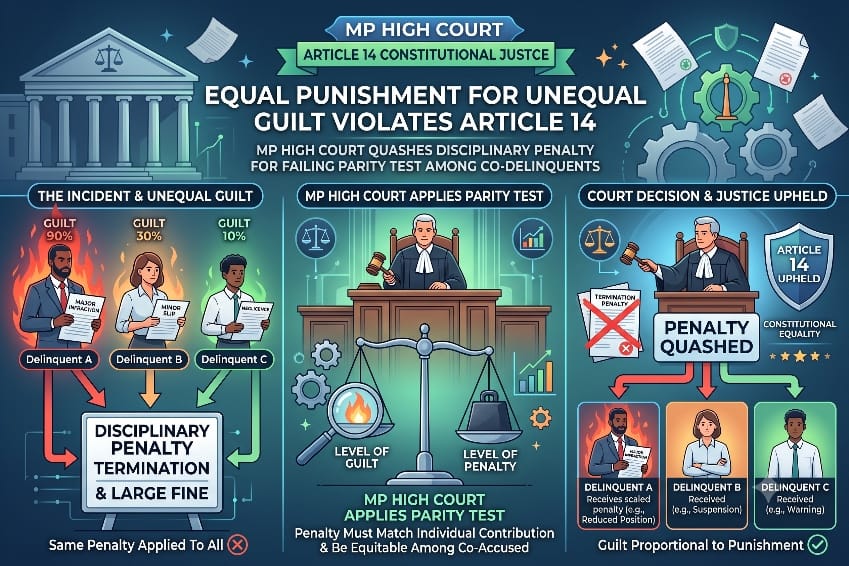
Brahm Kishore Dixit v. The State of Madhya Pradesh and Others | High Court of Madhya Pradesh, Gwalior | 1st September, 2026 A writ petition under Article 226 by a police Assistant…
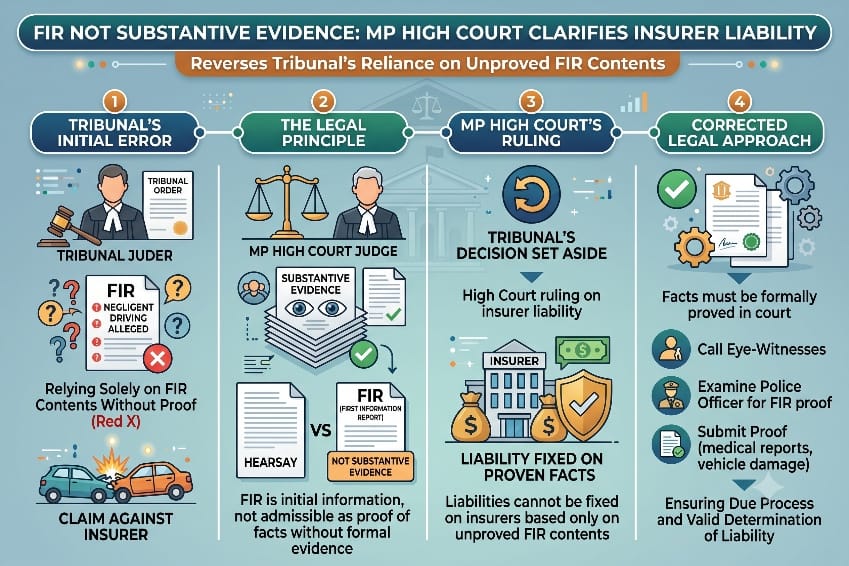
Anil Kumar Patel v. Smt. Munni Bai Barman and Others | High Court of Madhya Pradesh, Jabalpur | 1st September, 2026 A Motor Vehicle Act appeal under Section 173 1 against a Claims…
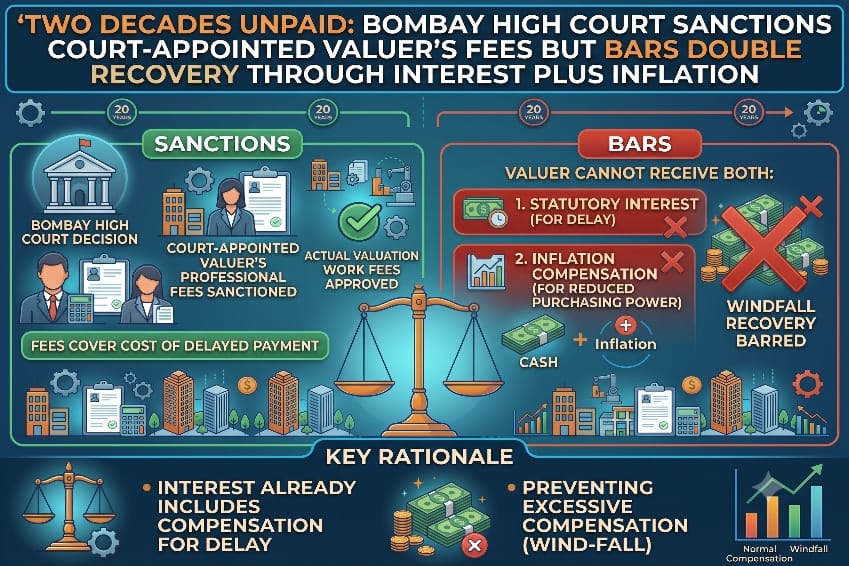
M/s. Kuber Mutual Benefits Ltd. & Ors. v. The State of Maharashtra & Ors. | High Court of Judicature at Bombay Appellate Side | 3rd September, 2026 A Court Receiver's Report…
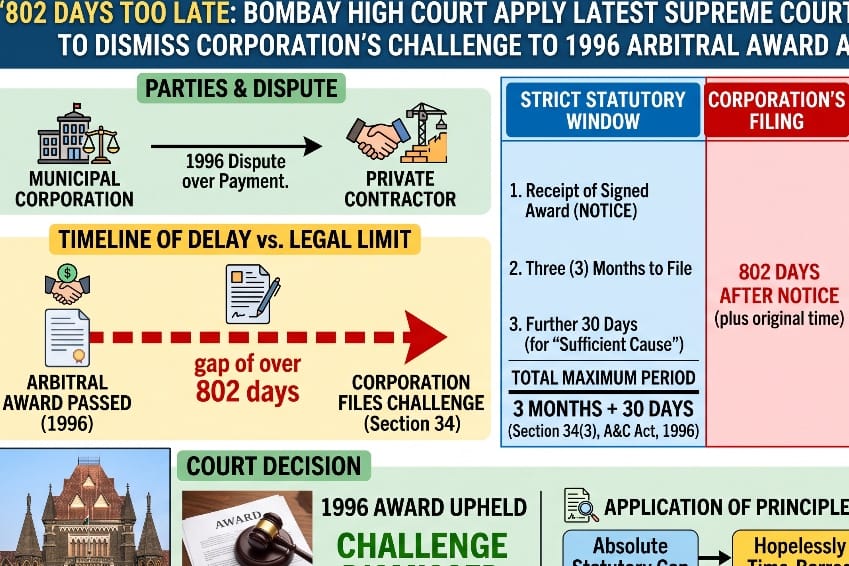
The Municipal Corporation of Greater Bombay v. M/s. Atul Raj Builders Pvt. Ltd. | High Court of Judicature at Bombay Ordinary Original Civil Jurisdiction | 3rd September, 2026 A…
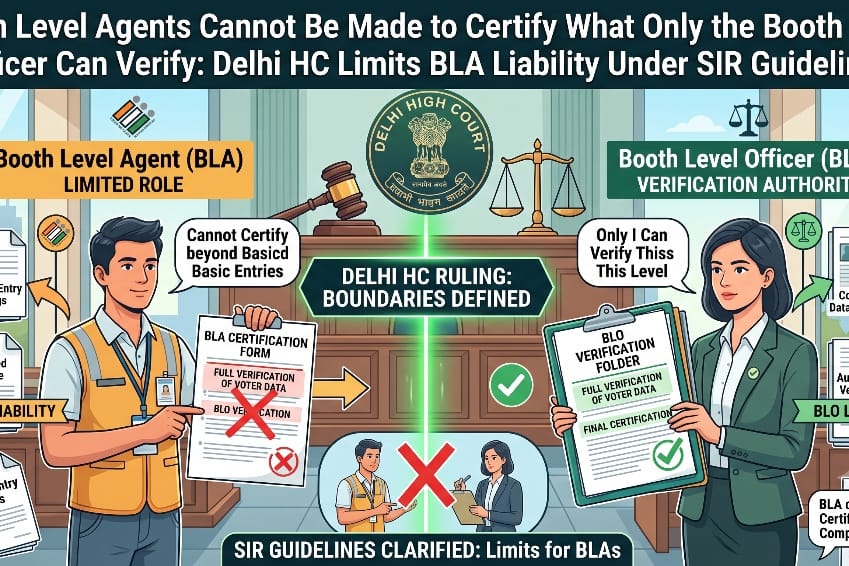
Devender Yadav & Anr. v. Election Commission of India & Anr. | High Court of Delhi Single Judge | Decided on: 03.09.2026 In a challenge to the Election Commission of India's…
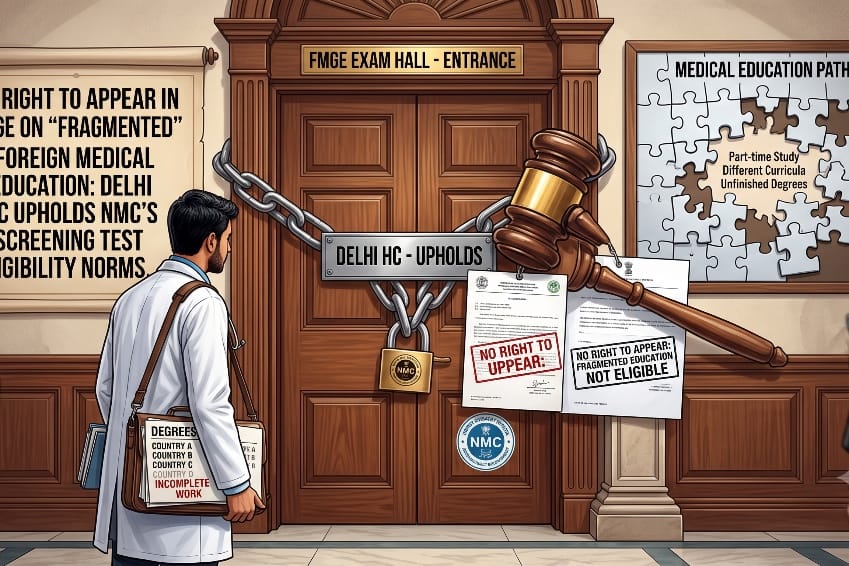
Brij Sharadbhai Bhatt & Ors. v. National Medical Commission & Ors. | High Court of Delhi Division Bench | Decided on: 03.09.2026 The Delhi High Court dismissed a challenge by…