
The Division Bench dismissed the connected writ appeals, while making a limited modification to the Single Judge’s findings concerning the Bar Council of Kerala. In light of…
Civil Law
Update / Judgement Date
23 Dec 2025
Source
WCP News Bulletin
Author
Sakshi Bhardwaj — WCP Legal Desk
Reading Time
2 min read
View Count
2
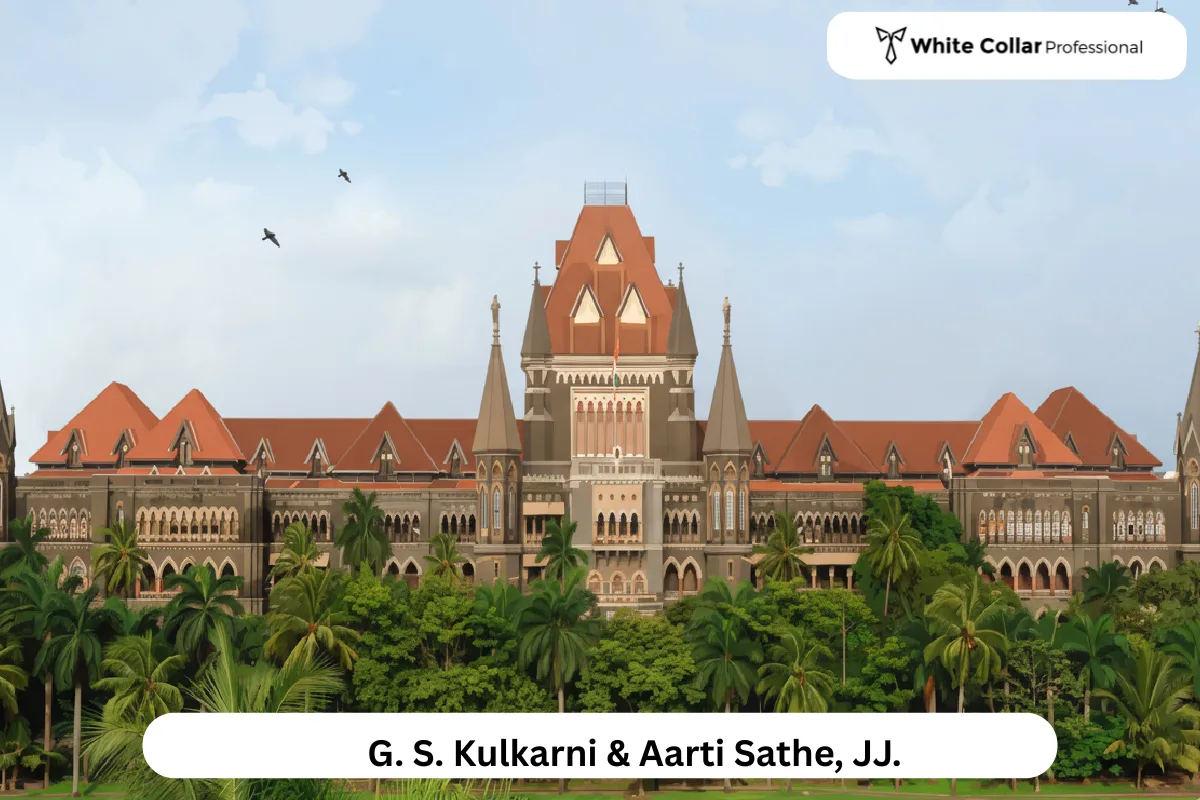
The Bombay High Court dismissed a batch of Letters Patent Appeals filed by the Forest Development Corporation of Maharashtra, upholding the grant of permanency to watchmen who had been continuously employed on daily wages for several years despite performing permanent and perennial work. The Court held that such prolonged engagement on daily wages after completion of 240 days of service constitutes an unfair labour practice under the MRTU & PULP Act, 1971.
• The respondent watchmen were engaged by the Forest Development Corporation of Maharashtra on a daily wage basis and continued to work uninterruptedly for several years.
• Despite completing more than 240 days of service every year and discharging duties of a permanent nature, they were denied regular status and permanency.
• The Industrial Court allowed their complaints under the MRTU & PULP Act and directed grant of permanency with consequential benefits.
• The Corporation’s challenge before the Single Judge was dismissed, leading to the filing of the present Letters Patent Appeals.
• The Corporation continued to extract work of a permanent and perennial nature while keeping the employees on daily wages for decades.
• Completion of 240 days of service year after year creates a legitimate expectation of permanency under labour welfare legislation.
• Absence of sanctioned posts cannot be used as a defence to justify unfair labour practices.
• The Forest Development Corporation qualifies as an “industry”, and the respondents fall within the definition of “workmen” under the Industrial Disputes Act, 1947.
• Prolonged denial of permanency despite continuous service was held to be a clear case of unfair labour practice.
DecisionThe Division Bench found no perversity in the findings of the Industrial Court or the Single Judge and dismissed all the Letters Patent Appeals. The directions granting permanency and consequential service benefits to the watchmen were upheld.
• Maharashtra Recognition of Trade Unions and Prevention of Unfair Labour Practices Act, 1971 – Unfair labour practices
• Industrial Disputes Act, 1947 – Definition of “industry” and “workman”
• Article 226, Constitution of India – Writ jurisdiction of High Courts
© 2026 White Collar Professional Technologies Pvt. Ltd. All rights reserved. CIN: U74999MH2024PTC000001
The Division Bench dismissed the connected writ appeals, while making a limited modification to the Single Judge’s findings concerning the Bar Council of Kerala. In light of…

The High Court held that the trial court was not justified in directing the parties to undergo fresh DNA testing when the existing expert report had not been rejected for legally…

The High Court held that a subsequently communicated minimum 20% local-content requirement, including an indigenously developed EMS software condition, could not be…
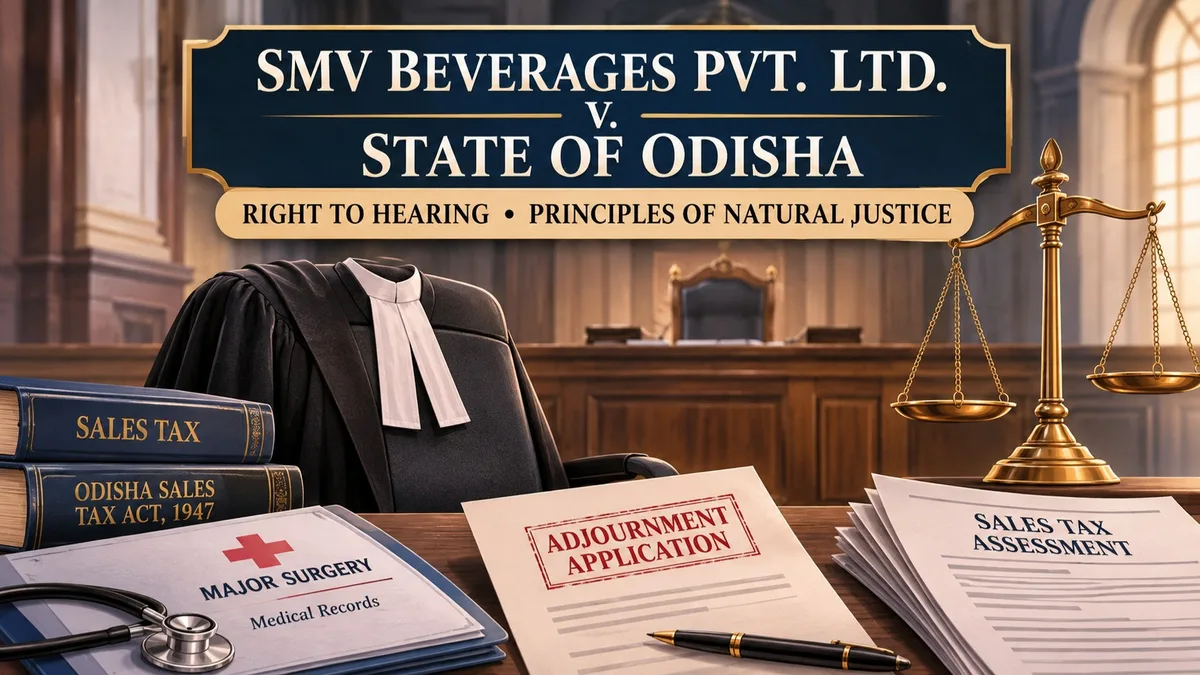
The Division Bench held that the petitioner had been deprived of a reasonable opportunity to present its case before the Commissioner of Sales Tax. An adjournment request must be…

The High Court exercised its inherent jurisdiction to quash a POCSO FIR and the pending trial after obtaining independent reports verifying the parties’ marriage, family…

The Division Bench held that the writ court had exceeded the proper scope of the dispute between the supplier and KSBCL by deciding, in effect, the Revenue’s separate tax…

The High Court considered the petitioners’ request for regular bail in an Enforcement Directorate prosecution alleging money laundering under the Prevention of Money Laundering…

The High Court upheld the appellant’s conviction under Section 18 c of the NDPS Act for possession of opium but reduced the sentence of seven years’ rigorous imprisonment to the…

The High Court dismissed the State’s appeal against acquittal, holding that the trial court’s view was a reasonably possible view on the evidence and that material inconsistencies…
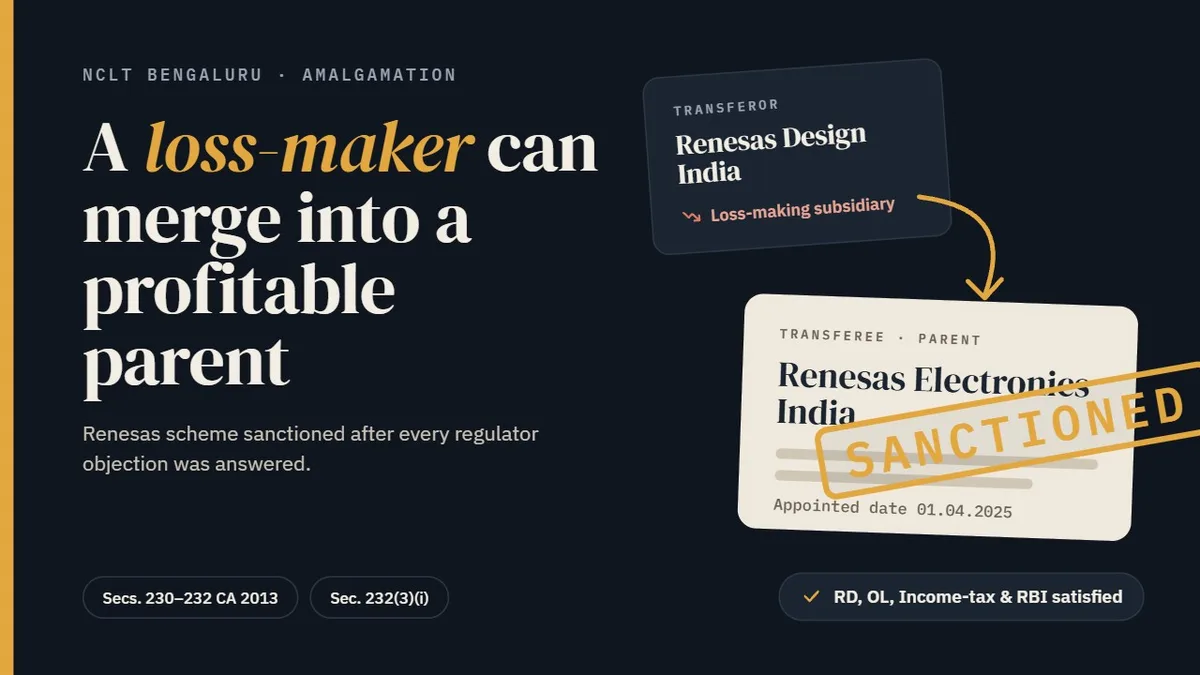
Renesas Design India Pvt. Ltd., a loss-making wholly owned subsidiary engaged in semiconductor design, and its parent Renesas Electronics India Pvt. Ltd. sought sanction of a…