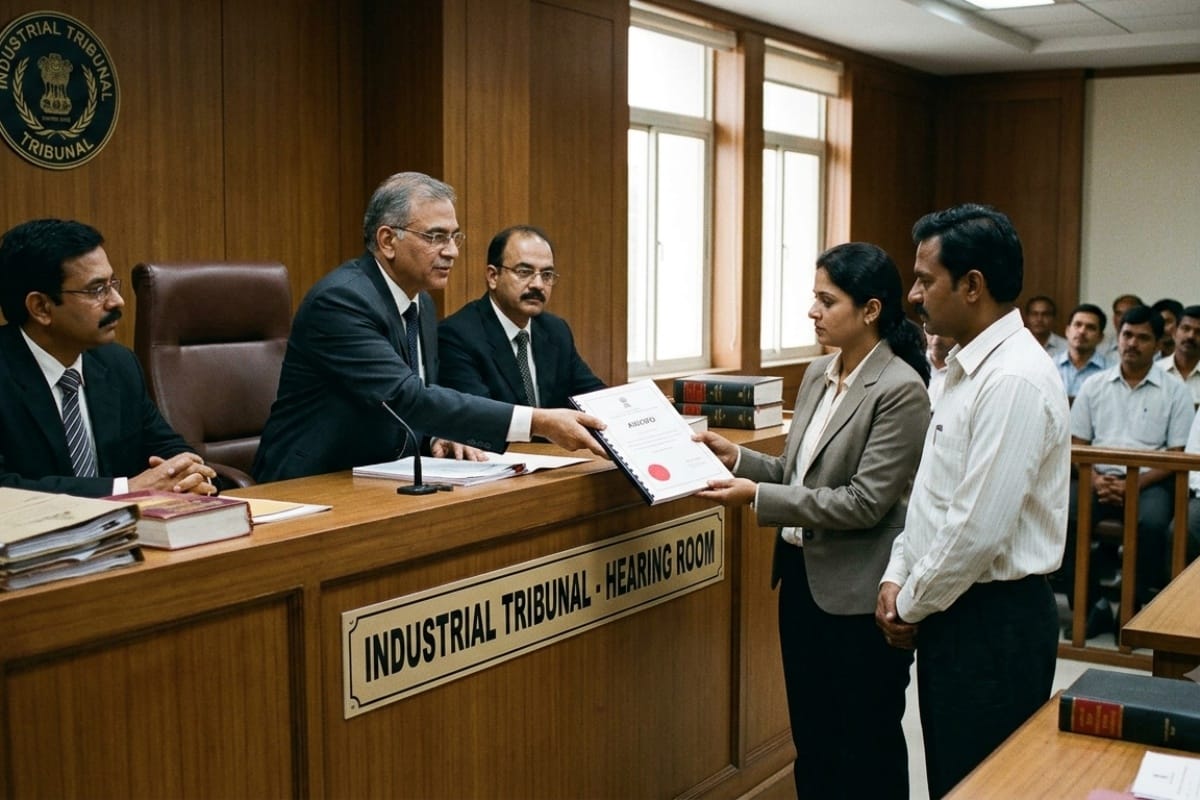
Deciding two connected writ petitions arising from a common Industrial Tribunal Award, the Delhi High Court set aside the Tribunal's direction granting hotel workmen a further…
Labour Laws
06/09/20264 min read
Update / Judgement Date
12 Nov 2025
Source
WCP News Bulletin
Author
Sakshi Bhardwaj — WCP Legal Desk
Reading Time
3 min read
The Bombay High Court upheld an eviction decree granted in favour of the landlord under Section 13(1)(g) of the Bombay Rent Act, 1947, holding that the bona fide requirement of the landlord must be assessed as on the date of filing the suit. The Court ruled that subsequent events, such as the death of the landlord during litigation, do not extinguish the requirement unless it is entirely negated. The tenant’s occasional use of the premises for leisure or health reasons was held insufficient to outweigh the landlord’s genuine need for residence.
• The Respondent–landlord filed a suit (RCS No. 122/1994) seeking eviction of the Petitioner–tenant from a bungalow portion at Lonavala, on the grounds of bona fide requirement [Section 13(1)(g)] and non-user [Section 13(1)(k)] under the Bombay Rent Act, 1947.
• The Trial Court dismissed the suit, but the 11th Additional District Judge, Pune, allowed the landlord’s appeal and decreed eviction on 17.12.2002.
• The Petitioner–tenant, a retired railway employee, challenged the decree, claiming the premises were used occasionally for climate and health purposes and that the landlord’s need ceased upon his and his wife’s death.
• The landlord’s family, however, asserted that the requirement was genuine and pleaded for the entire family, not limited to the deceased landlord alone.
• The bona fide requirement must be assessed on the date of the suit’s institution; subsequent events cannot automatically defeat a landlord’s genuine claim (Pasupuleti Venkateswarlu v. Motor & General Traders, 1975 SCC 770; D. Sasi Kumar v. Soundararajan, 2019 9 SCC 282).
• The pleadings sufficiently established the landlord’s need for additional accommodation for his growing family.
• The tenant’s plea of health necessity was unsubstantiated, as no medical proof supported her claim. Her own testimony showed irregular visits to Lonavala, indicating lack of genuine residential use.
• Delay in disposal of litigation cannot be used to frustrate the landlord’s legitimate right to recover possession.
• The Court clarified that subsequent death of the landlord does not extinguish bona fide requirement if the family’s need continues (Gaya Prasad v. Pradeep Srivastava, (2001) 2 SCC 604).
• The requirement was bona fide and subsisting at the time of filing the suit.
• The tenant’s use of the premises only during vacations amounted to non-user under Section 13(1)(k).
• The comparative hardship test favoured the landlord, as the tenant had alternative accommodation in Mumbai.
• Consequently, the writ petition was dismissed, and the eviction decree confirmed.
• Section 13(1)(g), Bombay Rents, Hotel and Lodging House Rates (Control) Act, 1947 – Eviction on grounds of bona fide requirement.
• Section 13(1)(k), Bombay Rent Act – Non-user of premises without reasonable cause.
• Article 227, Constitution of India – Supervisory jurisdiction of the High Court.
Citation: 2025:BHC:47303
Case: Sou. Vijaya Arun Beri v. Vijay Waman Bhat (since deceased) through LRs
Court: High Court of Judicature at Bombay
Coram: Justice M.M. Sathaye
Date of Decision: 12 November 2025
Writ Petition No.: 473 of 2003
Deciding two connected writ petitions arising from a common Industrial Tribunal Award, the Delhi High Court set aside the Tribunal's direction granting hotel workmen a further…
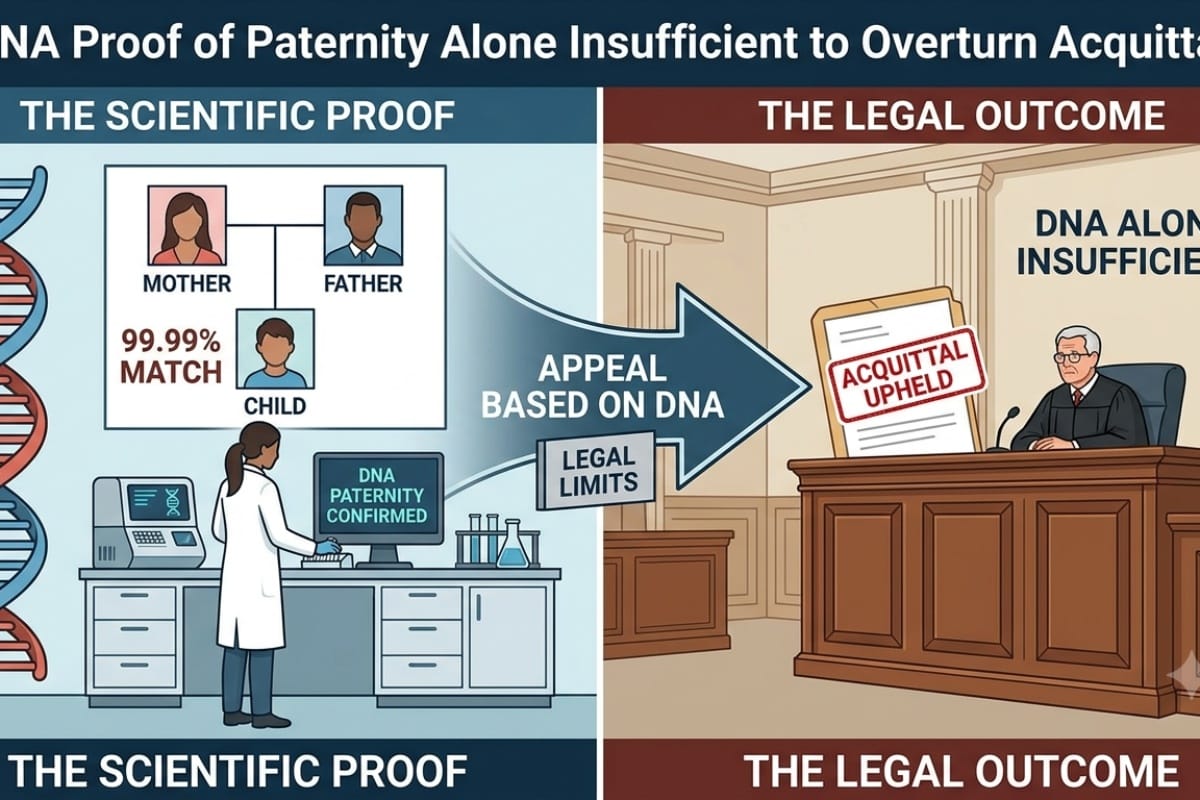
Headnote The Delhi High Court dismissed a prosecutrix's appeal against acquittal of the accused on charges under Sections 328/376 2 n /377/506/509 IPC, despite DNA evidence…
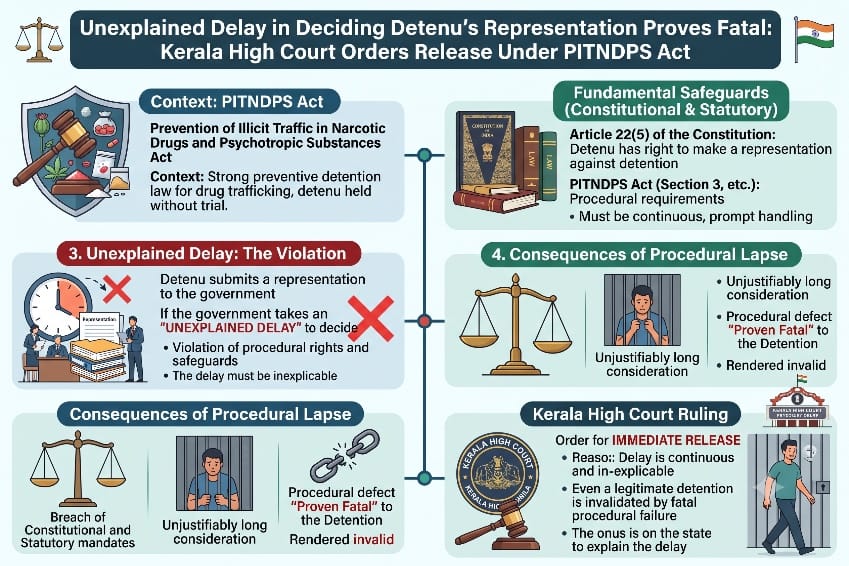
Fathimath Thasneem V.K. v. Union of India and Others | High Court of Kerala at Ernakulam | 3rd September, 2026 A habeas corpus writ petition by the wife of a detenu challenging…
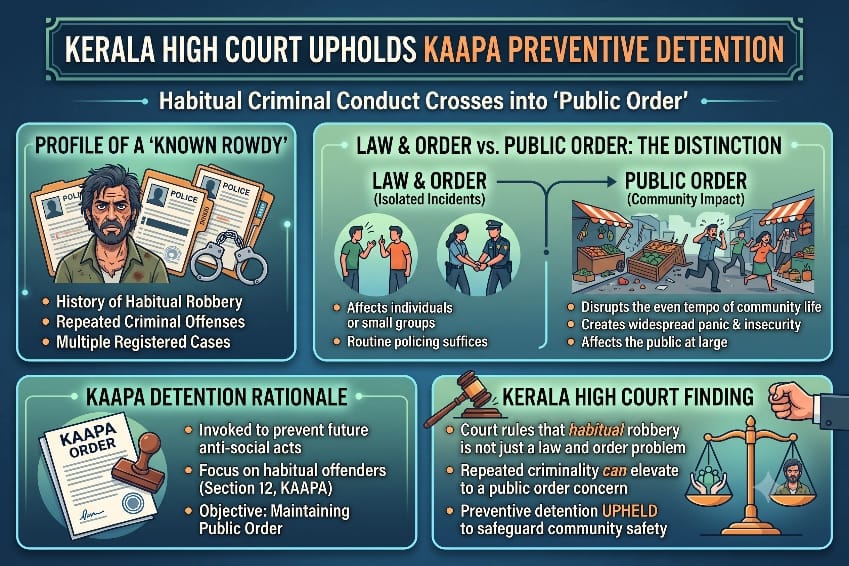
Thasmitha Abukutty v. State of Kerala and Others | High Court of Kerala at Ernakulam | 2nd September, 2026 A writ petition by the wife of a preventive detenu challenging a…
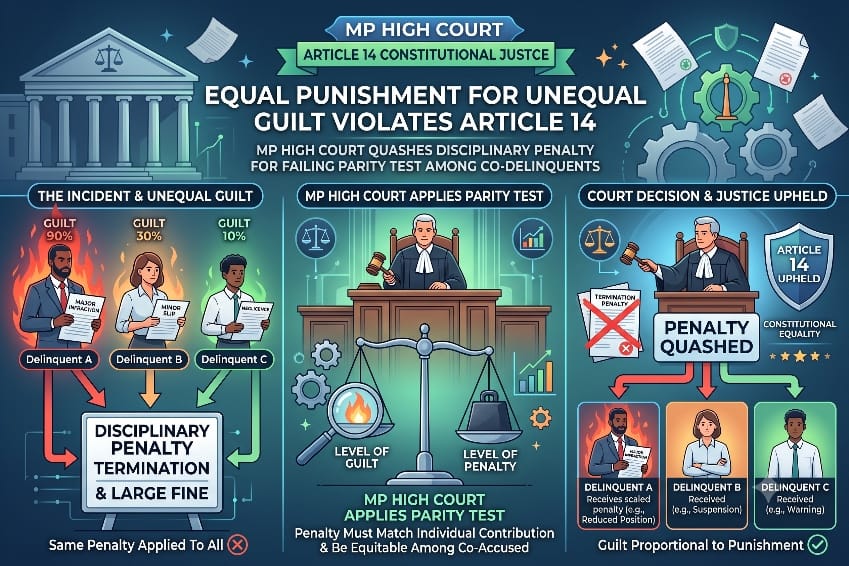
Brahm Kishore Dixit v. The State of Madhya Pradesh and Others | High Court of Madhya Pradesh, Gwalior | 1st September, 2026 A writ petition under Article 226 by a police Assistant…
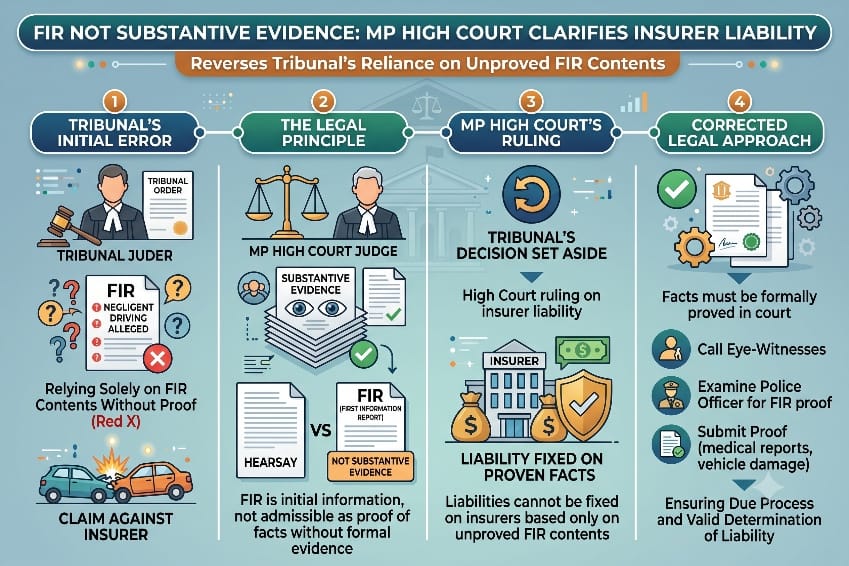
Anil Kumar Patel v. Smt. Munni Bai Barman and Others | High Court of Madhya Pradesh, Jabalpur | 1st September, 2026 A Motor Vehicle Act appeal under Section 173 1 against a Claims…
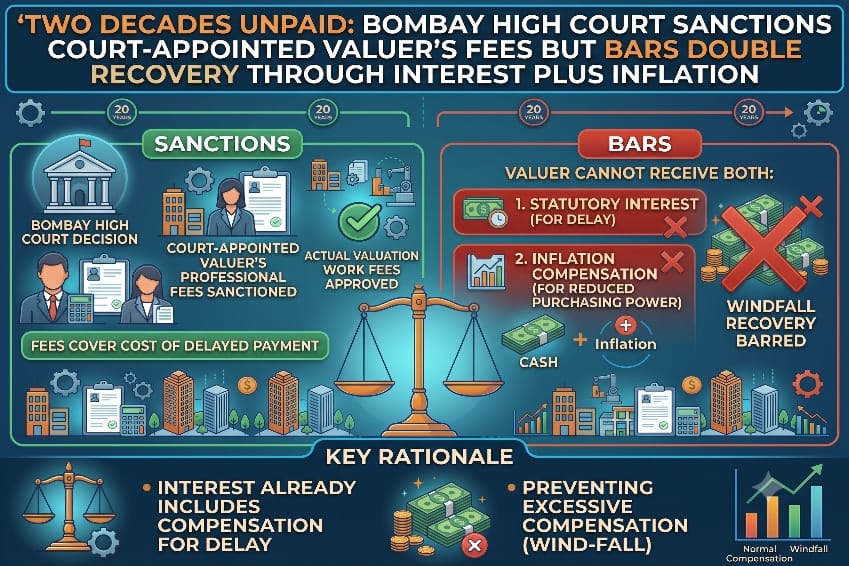
M/s. Kuber Mutual Benefits Ltd. & Ors. v. The State of Maharashtra & Ors. | High Court of Judicature at Bombay Appellate Side | 3rd September, 2026 A Court Receiver's Report…
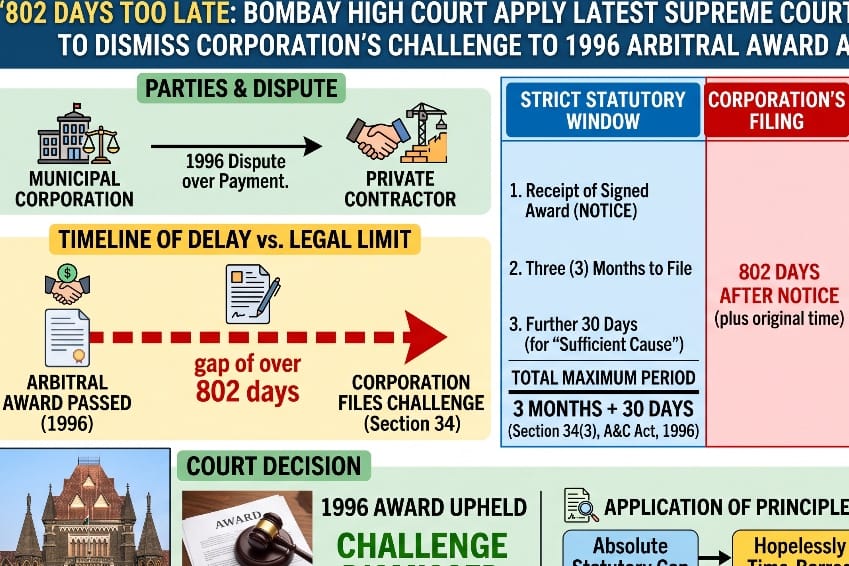
The Municipal Corporation of Greater Bombay v. M/s. Atul Raj Builders Pvt. Ltd. | High Court of Judicature at Bombay Ordinary Original Civil Jurisdiction | 3rd September, 2026 A…
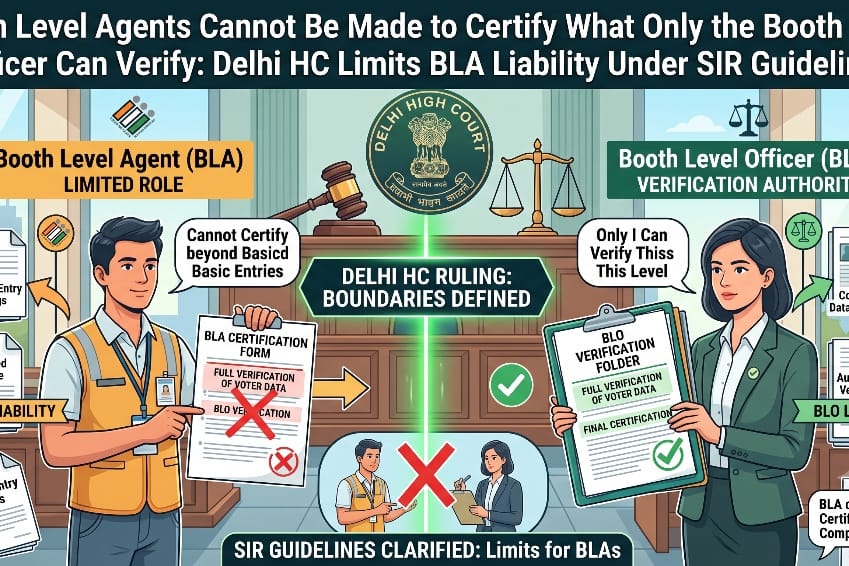
Devender Yadav & Anr. v. Election Commission of India & Anr. | High Court of Delhi Single Judge | Decided on: 03.09.2026 In a challenge to the Election Commission of India's…
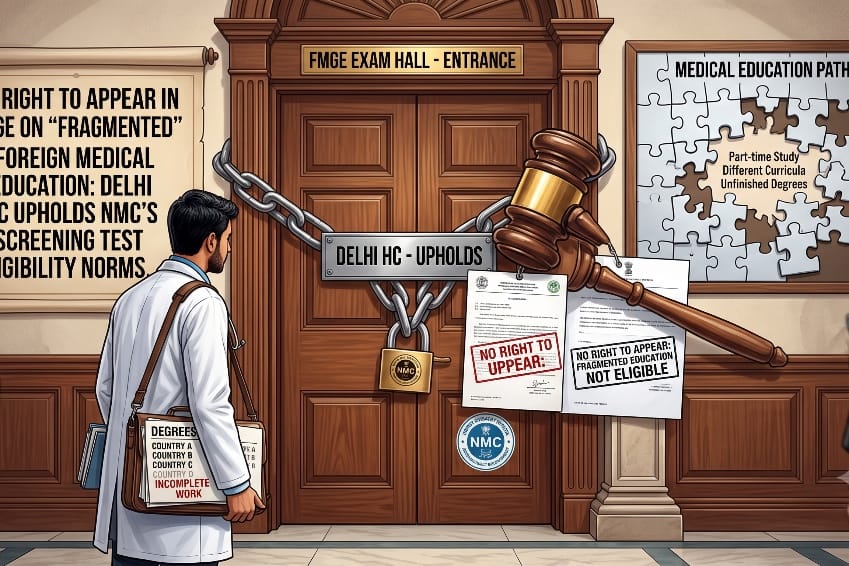
Brij Sharadbhai Bhatt & Ors. v. National Medical Commission & Ors. | High Court of Delhi Division Bench | Decided on: 03.09.2026 The Delhi High Court dismissed a challenge by…