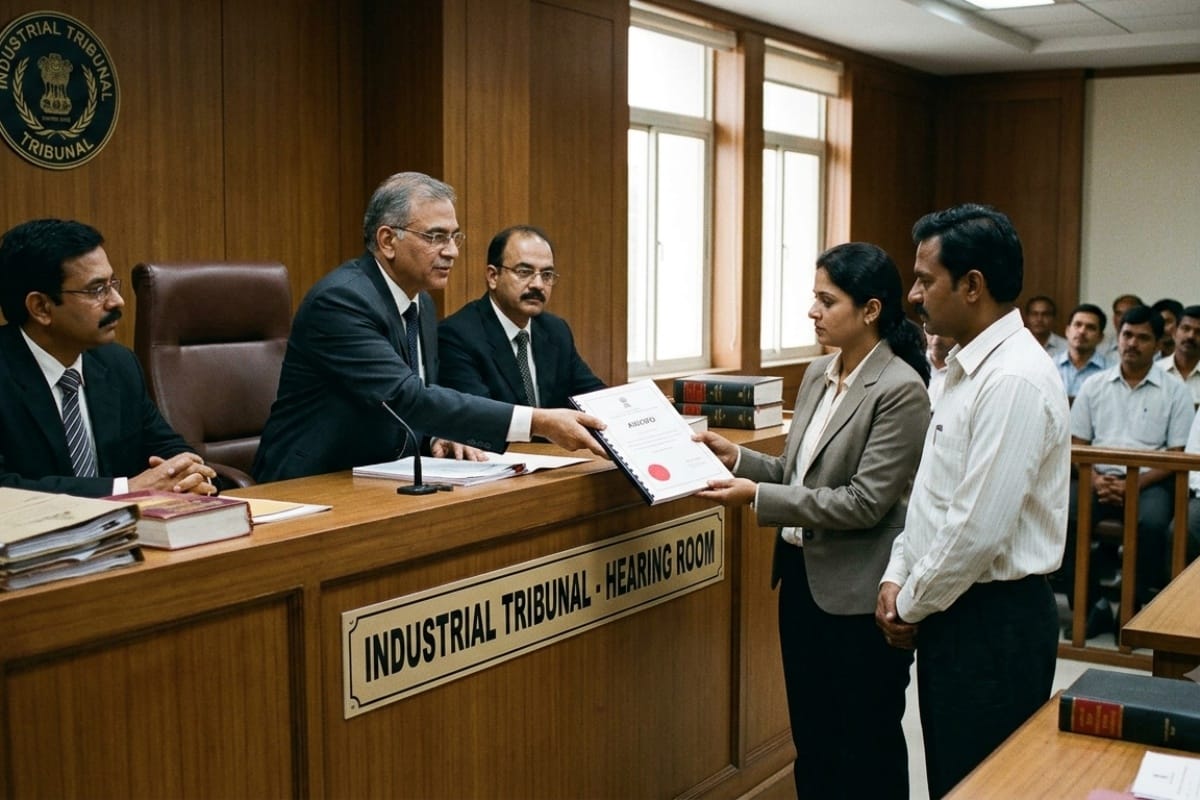
Deciding two connected writ petitions arising from a common Industrial Tribunal Award, the Delhi High Court set aside the Tribunal's direction granting hotel workmen a further…
Labour Laws
06/09/20264 min read
Update / Judgement Date
25 Nov 2025
Source
WCP News Bulletin
Author
Sakshi Bhardwaj — WCP Legal Desk
Reading Time
4 min read
The Bombay High Court held that while authorities under the Mumbai Fire Prevention and Life Safety Measure Act (popularly operating under state fire safety regulations) are empowered to issue directions to remove fire and life safety violations, these powers cannot be exercised casually, mechanically, or without proper application of mind. Directions that direct complete closure or immediate removal of alleged violations must be based on objective assessment, reasoned findings, and compliance with statutory safeguards. Failure to do so results in arbitrary exercise of authority, violating principles of natural justice.
The Court therefore set aside the impugned directions/order issued by the Directorate of Maharashtra Fire Services that sought to enforce compliance in a manner that was sweeping, non-reasoned, and without proper examination of the petitioners’ compliance documents.
Provisions of the Maharashtra Fire Prevention and Life Safety Measures Act (various sections dealing with obligations of owners/occupiers, power to inspect, issue directions, and impose penalties).
General principles of administrative law relating to:
Natural justice,
Reasoned orders,
Proportionality in enforcement,
Non-arbitrary exercise of statutory powers.
Article 226 of the Constitution of India – Judicial review over arbitrary administrative action.
The Bombay High Court set aside the impugned directions issued by the Directorate of Maharashtra Fire Services.
The Court held that the order suffered from non-application of mind, lacked specific findings, and failed to consider the appellants’ compliance documents.
The Court directed the fire authorities to conduct a fresh, proper, reasoned assessment, in accordance with:
statutory provisions,
inspection procedures, and
principles of natural justice.
Until such a fresh decision is taken, coercive action based on the impugned order shall not be taken.
Case: Shahi Food Court & Anr. v. Kanika G. Mistry, Director, Directorate of Maharashtra Fire Services & Ors.
Court: High Court of Judicature at Bombay, Civil Appellate Jurisdiction
Date of Decision: 19 December 2024
Appeal: Appeal from Order No. 226 of 2025 with Interim Application No. 2389 of 2024 and connected matters
Deciding two connected writ petitions arising from a common Industrial Tribunal Award, the Delhi High Court set aside the Tribunal's direction granting hotel workmen a further…

Headnote The Delhi High Court dismissed a prosecutrix's appeal against acquittal of the accused on charges under Sections 328/376 2 n /377/506/509 IPC, despite DNA evidence…
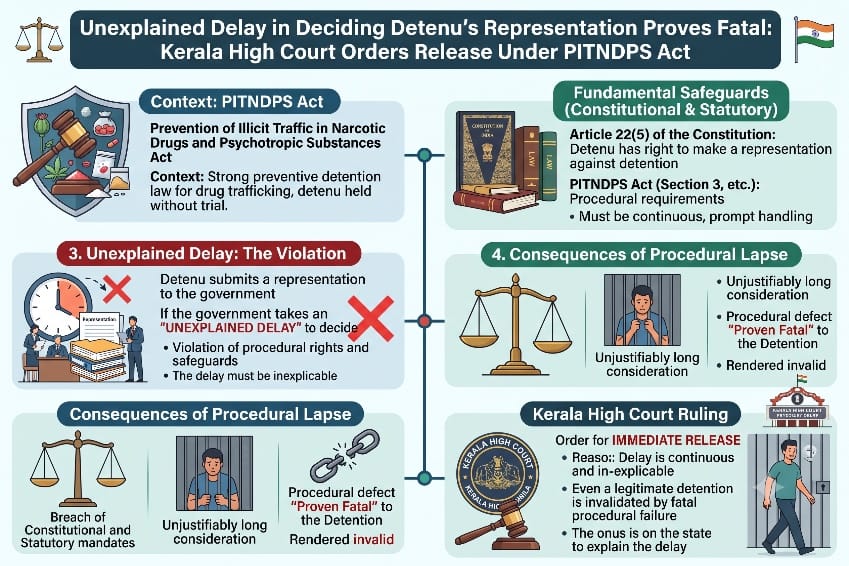
Fathimath Thasneem V.K. v. Union of India and Others | High Court of Kerala at Ernakulam | 3rd September, 2026 A habeas corpus writ petition by the wife of a detenu challenging…
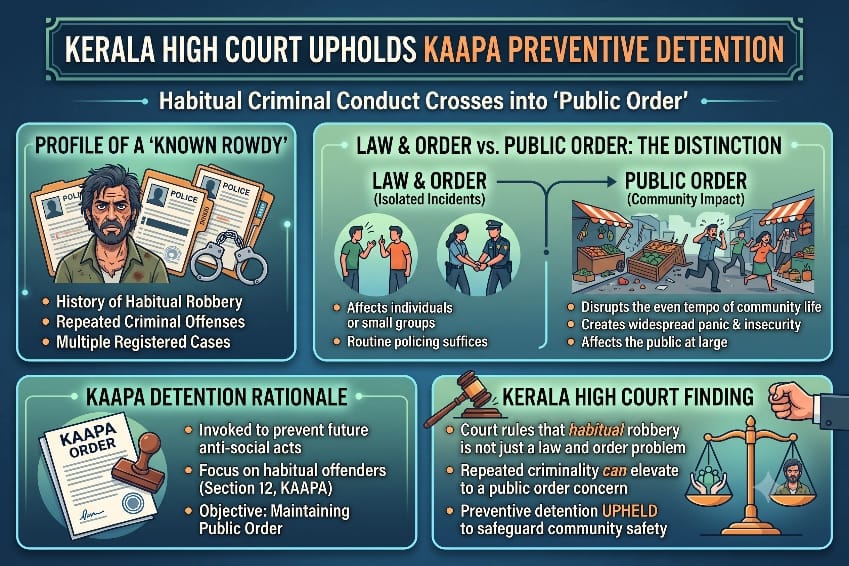
Thasmitha Abukutty v. State of Kerala and Others | High Court of Kerala at Ernakulam | 2nd September, 2026 A writ petition by the wife of a preventive detenu challenging a…
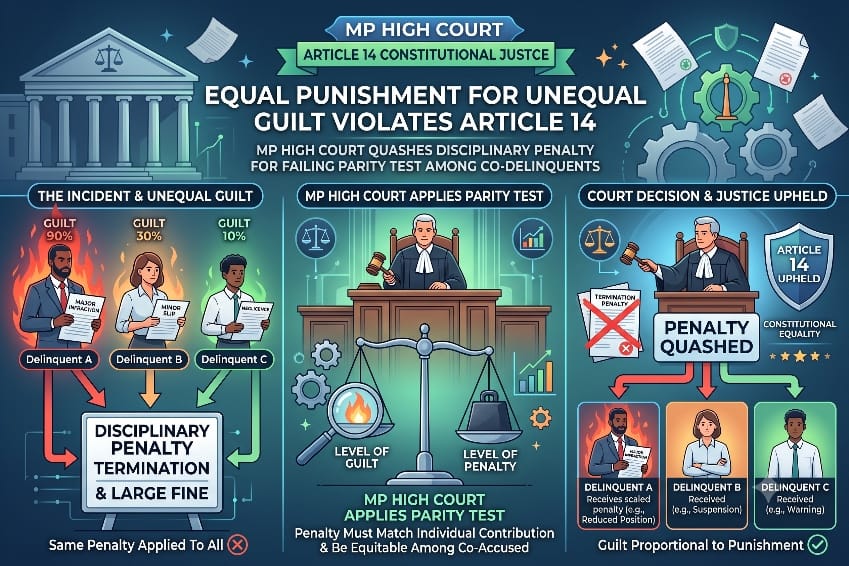
Brahm Kishore Dixit v. The State of Madhya Pradesh and Others | High Court of Madhya Pradesh, Gwalior | 1st September, 2026 A writ petition under Article 226 by a police Assistant…
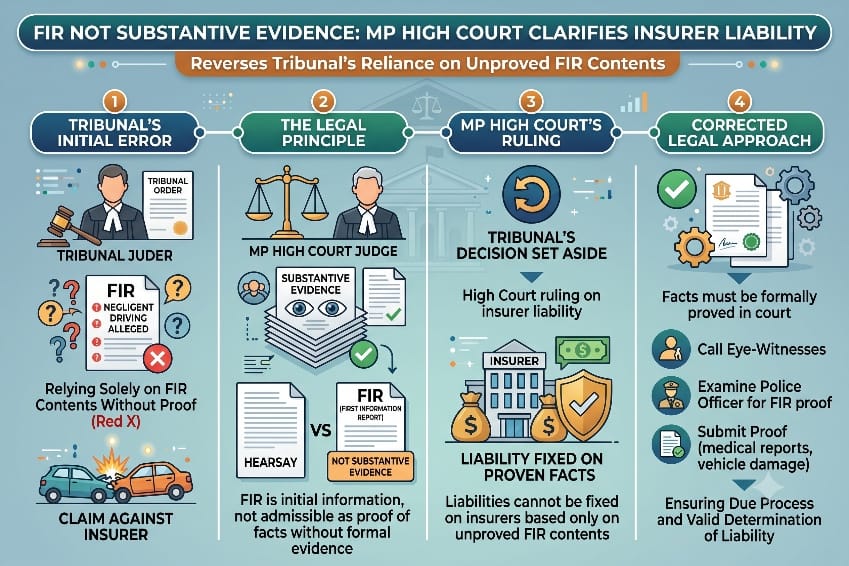
Anil Kumar Patel v. Smt. Munni Bai Barman and Others | High Court of Madhya Pradesh, Jabalpur | 1st September, 2026 A Motor Vehicle Act appeal under Section 173 1 against a Claims…
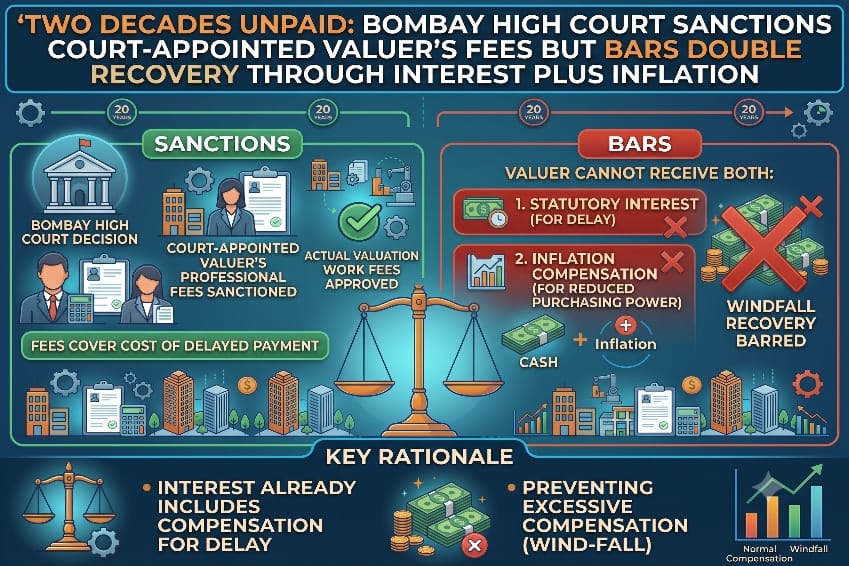
M/s. Kuber Mutual Benefits Ltd. & Ors. v. The State of Maharashtra & Ors. | High Court of Judicature at Bombay Appellate Side | 3rd September, 2026 A Court Receiver's Report…
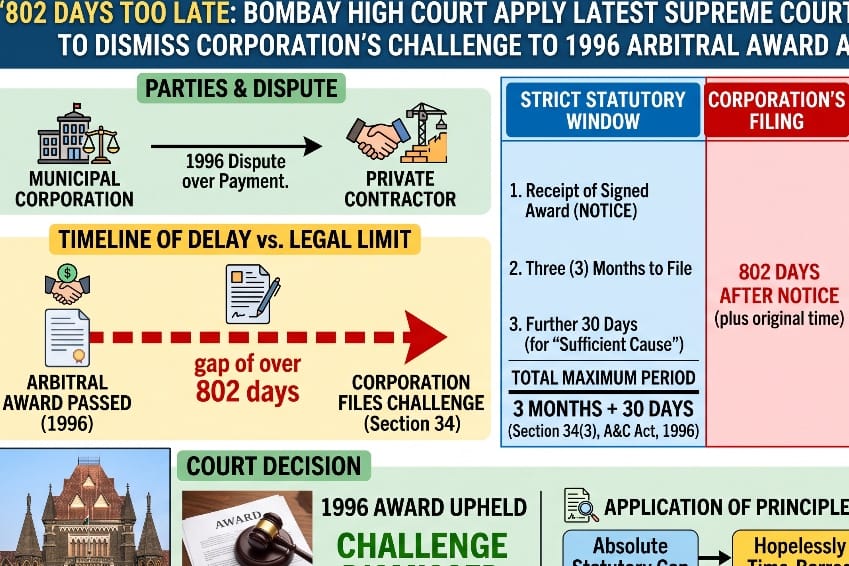
The Municipal Corporation of Greater Bombay v. M/s. Atul Raj Builders Pvt. Ltd. | High Court of Judicature at Bombay Ordinary Original Civil Jurisdiction | 3rd September, 2026 A…
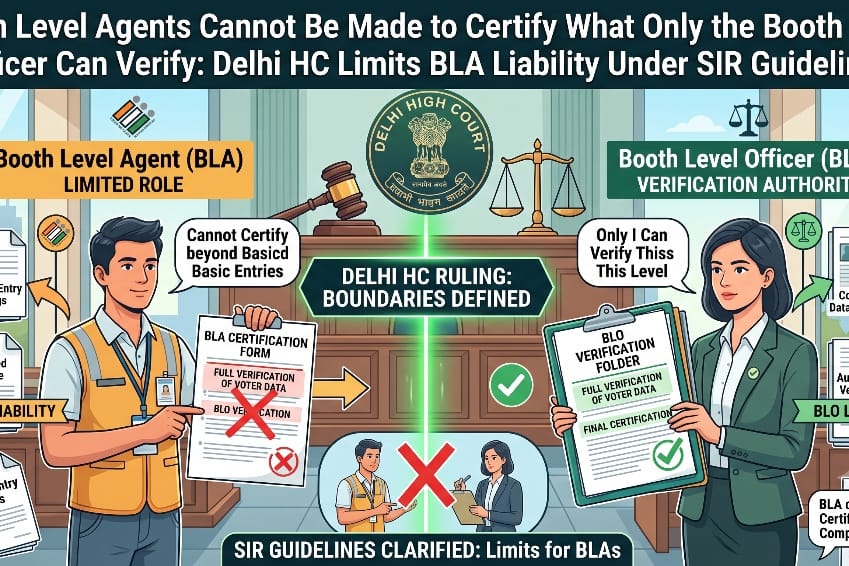
Devender Yadav & Anr. v. Election Commission of India & Anr. | High Court of Delhi Single Judge | Decided on: 03.09.2026 In a challenge to the Election Commission of India's…
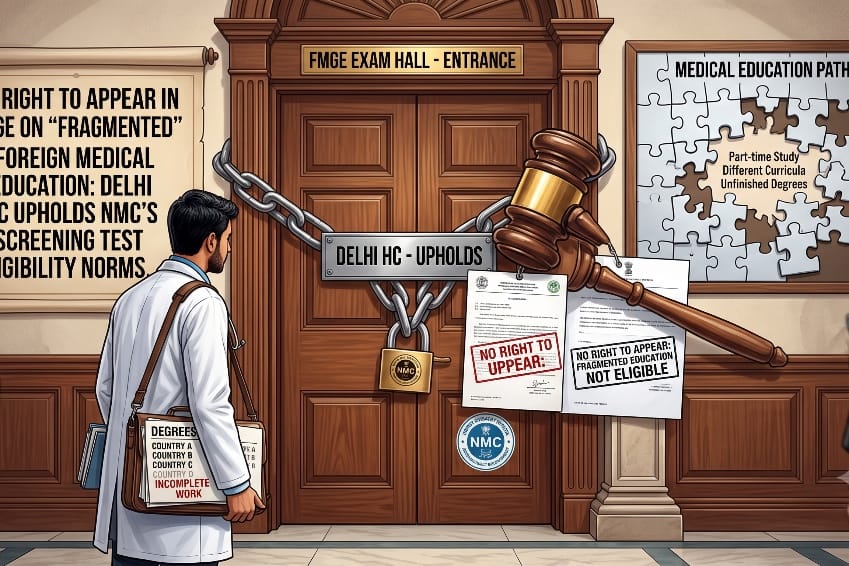
Brij Sharadbhai Bhatt & Ors. v. National Medical Commission & Ors. | High Court of Delhi Division Bench | Decided on: 03.09.2026 The Delhi High Court dismissed a challenge by…