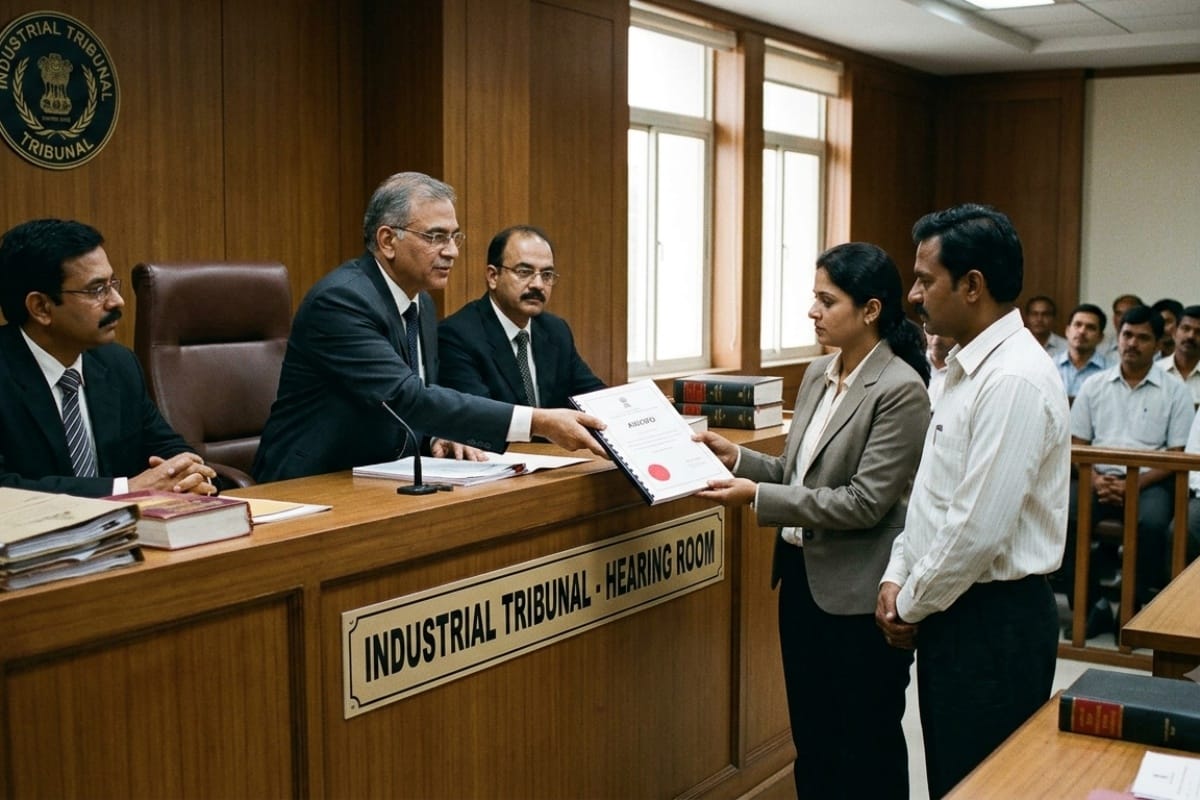
Deciding two connected writ petitions arising from a common Industrial Tribunal Award, the Delhi High Court set aside the Tribunal's direction granting hotel workmen a further…
Labour Laws
06/09/20264 min read
Update / Judgement Date
03 Nov 2025
Source
WCP News Bulletin
Author
Sakshi Bhardwaj — WCP Legal Desk
Reading Time
3 min read
Headnote:
The Bombay High Court held that a writ petition challenging the findings of an Internal Complaints Committee (ICC) under the Sexual Harassment of Women at Workplace (Prevention, Prohibition and Redressal) Act, 2013 (POSH Act) is not maintainable when an appellate remedy under Section 18 of the Act is available. The Court observed that writ jurisdiction under Article 226 cannot be invoked against private entities like Akasa Air unless they perform public duties.
Background:
• The petitioner, a pilot with Akasa Air, was accused of inappropriate conduct towards a trainee captain during a training session.
• Following an inquiry, the Internal Complaints Committee (ICC) found the petitioner guilty of sexual harassment under the POSH Act.
• The petitioner approached the High Court under Article 226, alleging gross procedural violations—denial of cross-examination, absence of a personal hearing, and violation of principles of natural justice.
• The respondents contended that Akasa Air is a private company, and the POSH Act provides a statutory appeal under Section 18, making the writ petition non-maintainable.
Court’s Observations:
• The Court reiterated that Article 226 of the Constitution enables writs to be issued against bodies performing public duties or functions of a public nature, not private entities.
• Though the Internal Complaints Committee acts under a statutory framework, it functions internally within a private employer and does not discharge a public function.
• The Court clarified that alleged procedural irregularities or breach of natural justice in ICC proceedings are redressable under the statutory appellate mechanism provided by Section 18 of the POSH Act.
• Only in exceptional cases involving gross illegality or jurisdictional error can the writ court intervene, which was not made out in the present case.
• As an efficacious alternative remedy was available, the writ petition was held not maintainable.
Outcome:
• The writ petition was dismissed, with liberty to the petitioner to avail the appellate remedy under Section 18 of the POSH Act.
Legal Provisions Discussed:
• Section 18, Sexual Harassment of Women at Workplace (Prevention, Prohibition and Redressal) Act, 2013 – Appeal.
• Article 226, Constitution of India – Writ jurisdiction of High Courts.
• Principles of Natural Justice – Right to cross-examination and personal hearing.
Citation: 2025:BHC-AS:46642
Case: ABC & Ors. v. Internal Complaints Committee, Akasa Air & Ors.
Court: High Court of Bombay
Coram: Justice N.J. Jamadar
Date of Decision: 3 November 2025
Writ Petition (St.) No.: 15574 of 2025
Deciding two connected writ petitions arising from a common Industrial Tribunal Award, the Delhi High Court set aside the Tribunal's direction granting hotel workmen a further…
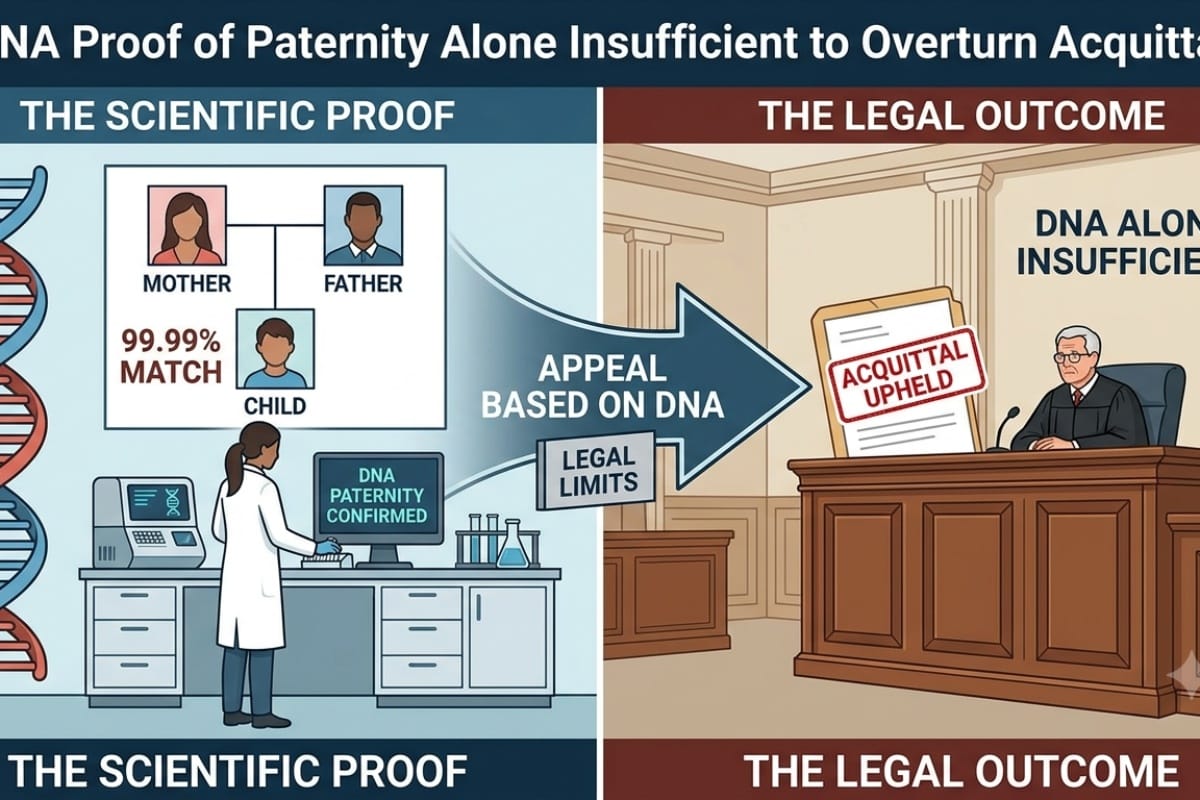
Headnote The Delhi High Court dismissed a prosecutrix's appeal against acquittal of the accused on charges under Sections 328/376 2 n /377/506/509 IPC, despite DNA evidence…
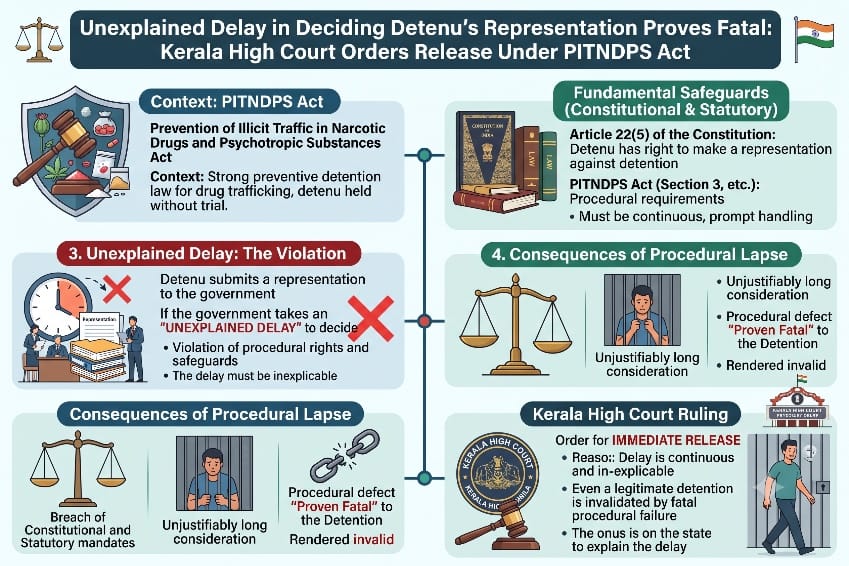
Fathimath Thasneem V.K. v. Union of India and Others | High Court of Kerala at Ernakulam | 3rd September, 2026 A habeas corpus writ petition by the wife of a detenu challenging…
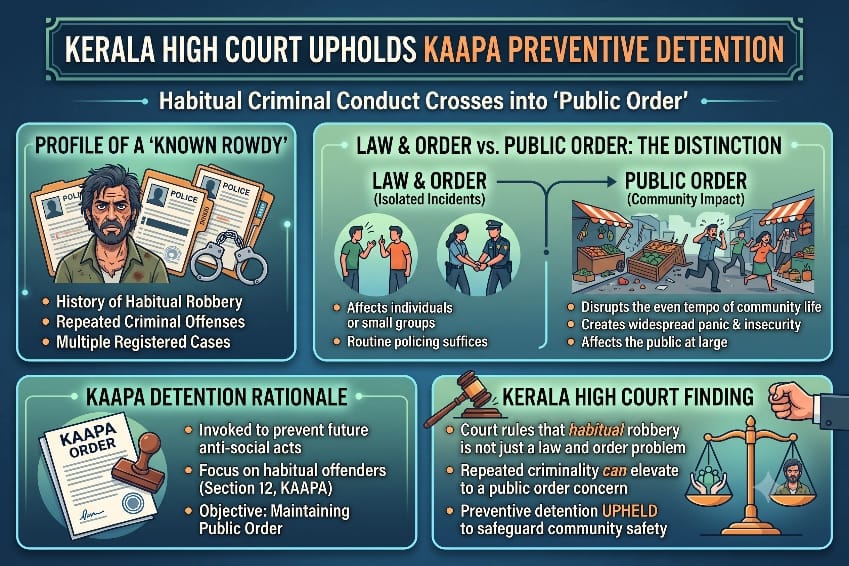
Thasmitha Abukutty v. State of Kerala and Others | High Court of Kerala at Ernakulam | 2nd September, 2026 A writ petition by the wife of a preventive detenu challenging a…
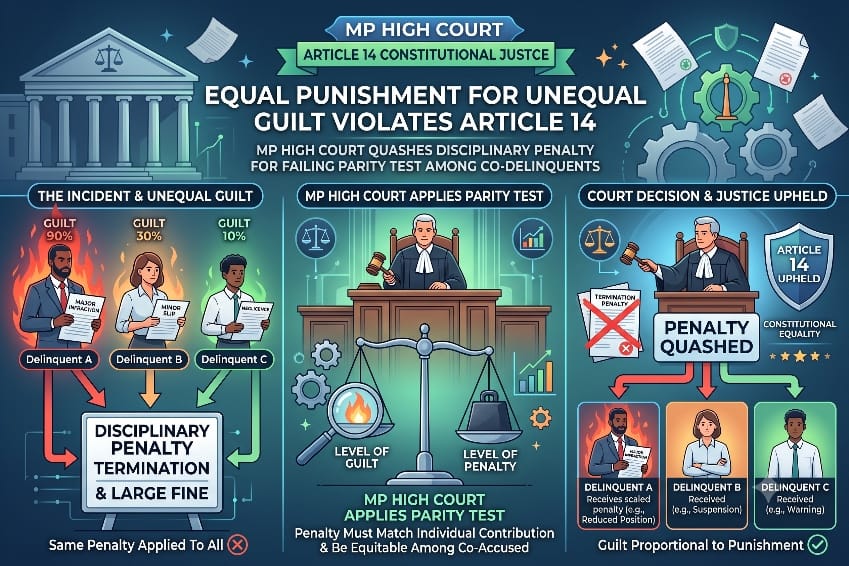
Brahm Kishore Dixit v. The State of Madhya Pradesh and Others | High Court of Madhya Pradesh, Gwalior | 1st September, 2026 A writ petition under Article 226 by a police Assistant…
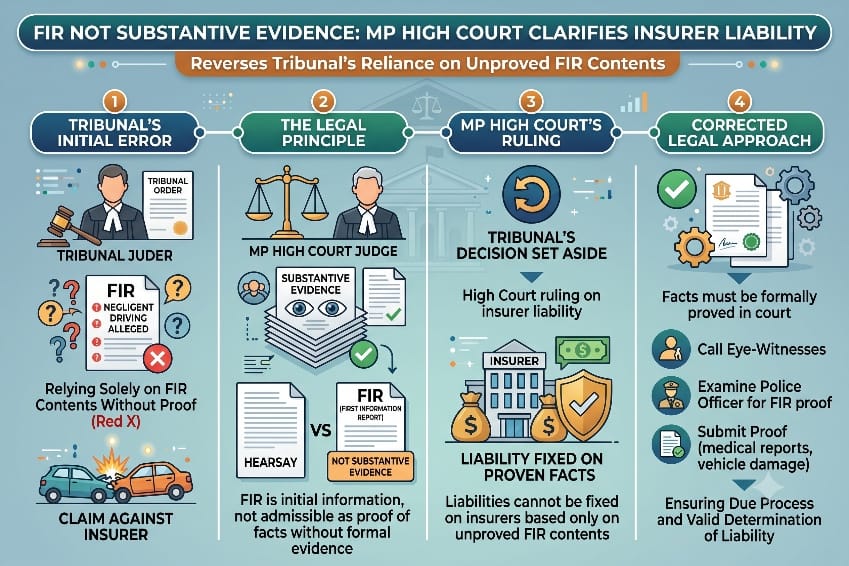
Anil Kumar Patel v. Smt. Munni Bai Barman and Others | High Court of Madhya Pradesh, Jabalpur | 1st September, 2026 A Motor Vehicle Act appeal under Section 173 1 against a Claims…
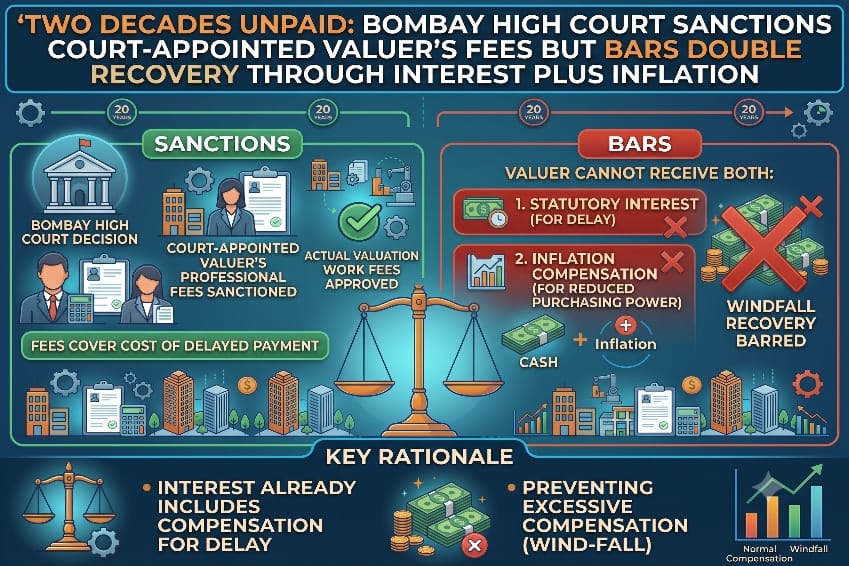
M/s. Kuber Mutual Benefits Ltd. & Ors. v. The State of Maharashtra & Ors. | High Court of Judicature at Bombay Appellate Side | 3rd September, 2026 A Court Receiver's Report…
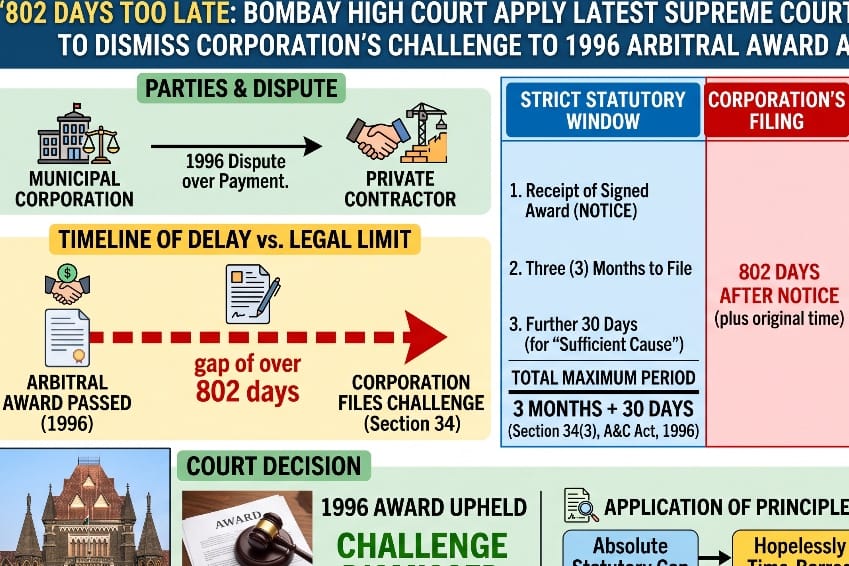
The Municipal Corporation of Greater Bombay v. M/s. Atul Raj Builders Pvt. Ltd. | High Court of Judicature at Bombay Ordinary Original Civil Jurisdiction | 3rd September, 2026 A…
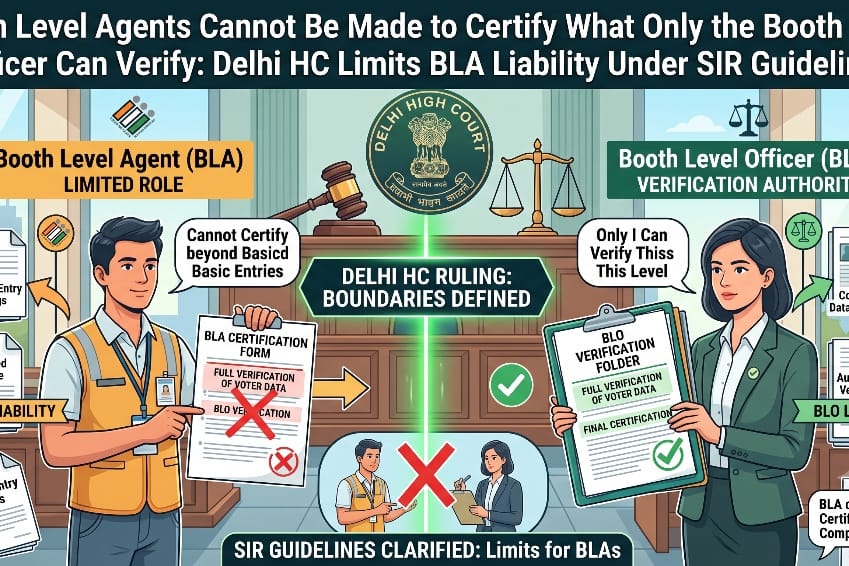
Devender Yadav & Anr. v. Election Commission of India & Anr. | High Court of Delhi Single Judge | Decided on: 03.09.2026 In a challenge to the Election Commission of India's…
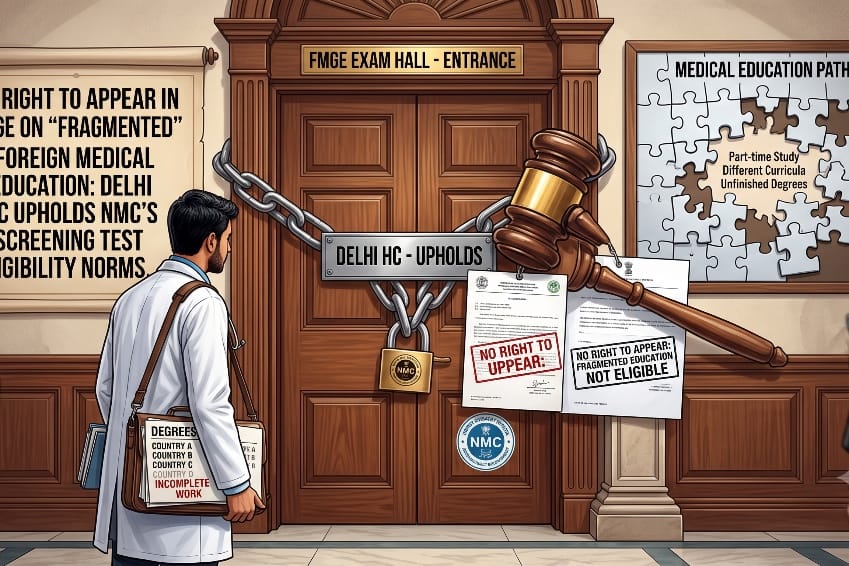
Brij Sharadbhai Bhatt & Ors. v. National Medical Commission & Ors. | High Court of Delhi Division Bench | Decided on: 03.09.2026 The Delhi High Court dismissed a challenge by…