
The Division Bench dismissed the connected writ appeals, while making a limited modification to the Single Judge’s findings concerning the Bar Council of Kerala. In light of…
Civil LawOther Legal Matters
21/11/20265 min read
Update / Judgement Date
19 Nov 2025
Source
WCP News Bulletin
Author
Sakshi Bhardwaj — WCP Legal Desk
Reading Time
3 min read
View Count
1
Headnote:
The Bombay High Court confirmed ad-interim relief restraining the defendants from using the trade marks “ELGIMET”, “ELGIMET-SR 1/500”, and “ELGIMET-SR 2/500”, holding that there is prima facie infringement of the plaintiffs’ registered trade marks “GLIMET” and “GLIMET DS”. The Court observed deceptive phonetic and structural similarity between the rival marks and emphasized that medicinal products require strict scrutiny due to potential confusion among consumers. The interim relief against passing-off, however, was not granted at this stage.
Background:
• The plaintiffs, Laboratories Griffon Pvt. Ltd. and its licensee, hold registered trademarks “GLIMET” (1992) and “GLIMET DS” (1999) for medicinal preparations used in the treatment of diabetes.
• The defendants launched a product bearing the mark “ELGIMET-SR 1/500” and “ELGIMET-SR 2/500”, which the plaintiffs alleged was deceptively similar to their marks.
• Plaintiffs’ turnover from sales of products under their marks was substantial, showing established reputation and goodwill. A decoy purchase revealed that Defendant No. 2 marketed the impugned products.
• Defendant No. 1 sought to settle amicably and did not oppose the interim relief; Defendant No. 2 filed a written statement denying phonetic or visual similarity and citing differences in pricing and prescription-based sale.
Court’s Observations:
• The plaintiffs’ marks are distinctive combinations of active pharmaceutical ingredients (Glibenclamide/Glimepiride and Metformin), creating exclusive rights over the combination.
• The impugned mark “ELGIMET” interchanges the first two letters of “GLIMET” and prefixes an “E”, resulting in deceptive similarity, particularly for consumers with imperfect recollection.
• The test of likelihood of confusion considers totality of the mark, nature of goods, mode of purchase, and class of consumers; differences in pricing or channels of sale do not negate confusion for prescription medicines.
• Defendant No. 2’s claim of honest adoption and investment in marketing was unsupported by evidence.
• Balance of convenience favors plaintiffs due to long-standing registration and established goodwill, whereas defendants appear to be late entrants.
• Interim relief against passing-off was not granted as there was no prima facie misrepresentation by Defendant No. 2.
Order:
The ad-interim relief granted on 4 September 2024 was confirmed, restraining the defendants from manufacturing, marketing, distributing, selling, or using the trademarks “ELGIMET”, “ELGIMET-SR 1/500”, and “ELGIMET-SR 2/500” or any deceptively similar mark in relation to their medicinal and pharmaceutical preparations.
Legal Provisions Discussed:
• Trade Marks Act, 1999 – Sections 134 (jurisdiction) and passing-off principles.
• Trade and Merchandise Marks Act, 1958 – Part A registration, Section 9 on distinctiveness.
• Judicial principles from Cadila Health Care Ltd v. Cadila Pharmaceuticals Ltd, (2001) 5 SCC 73, and prior Bombay High Court rulings on medicinal trademarks.
Citation: 2025:BHC-OS:21288
Case: Laboratories Griffon Pvt. Ltd. & Another v. Adwin Pharma & Another
Court: High Court of Judicature at Bombay, Commercial Division
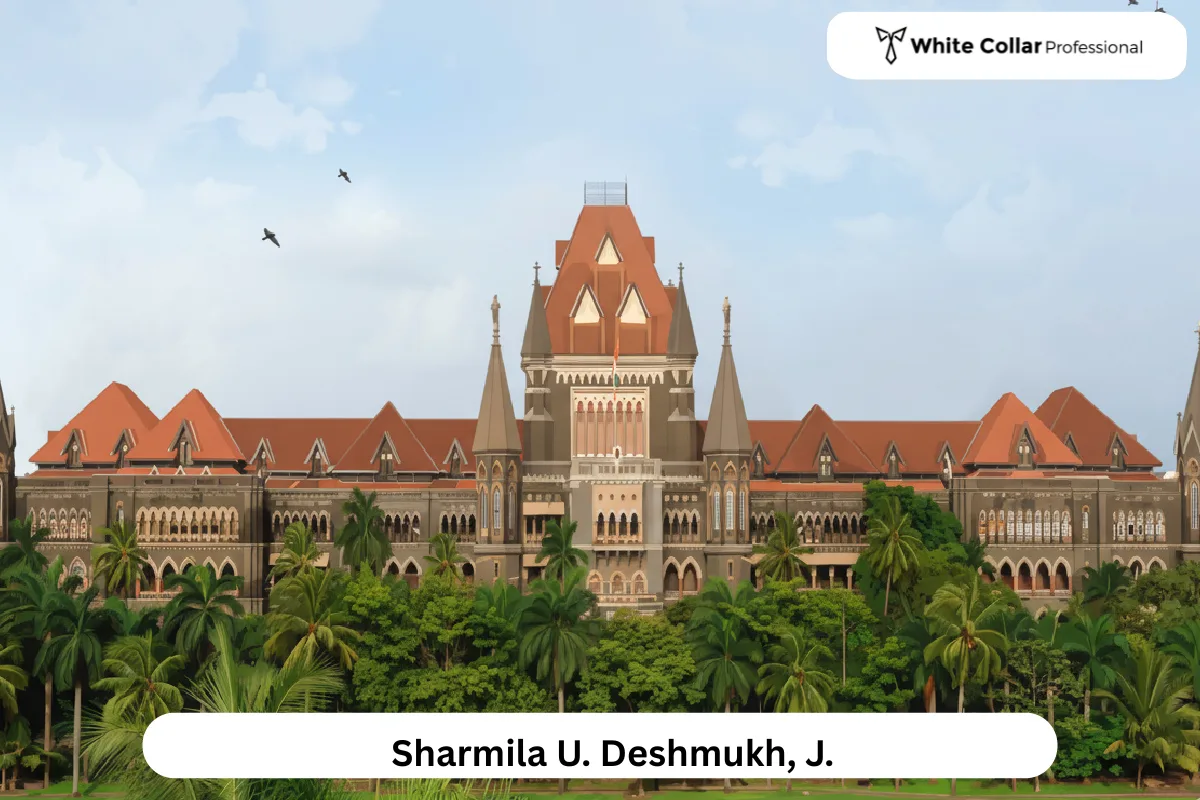
Coram: Sharmila U. Deshmukh, J.
Date of Decision: 18 November 2025
Interim Application (L) No.: 27480 of 2024
Commercial IP Suit No.: 225 of 2024
© 2026 White Collar Professional Technologies Pvt. Ltd. All rights reserved. CIN: U74999MH2024PTC000001
The Division Bench dismissed the connected writ appeals, while making a limited modification to the Single Judge’s findings concerning the Bar Council of Kerala. In light of…

The High Court held that the trial court was not justified in directing the parties to undergo fresh DNA testing when the existing expert report had not been rejected for legally…

The High Court held that a subsequently communicated minimum 20% local-content requirement, including an indigenously developed EMS software condition, could not be…
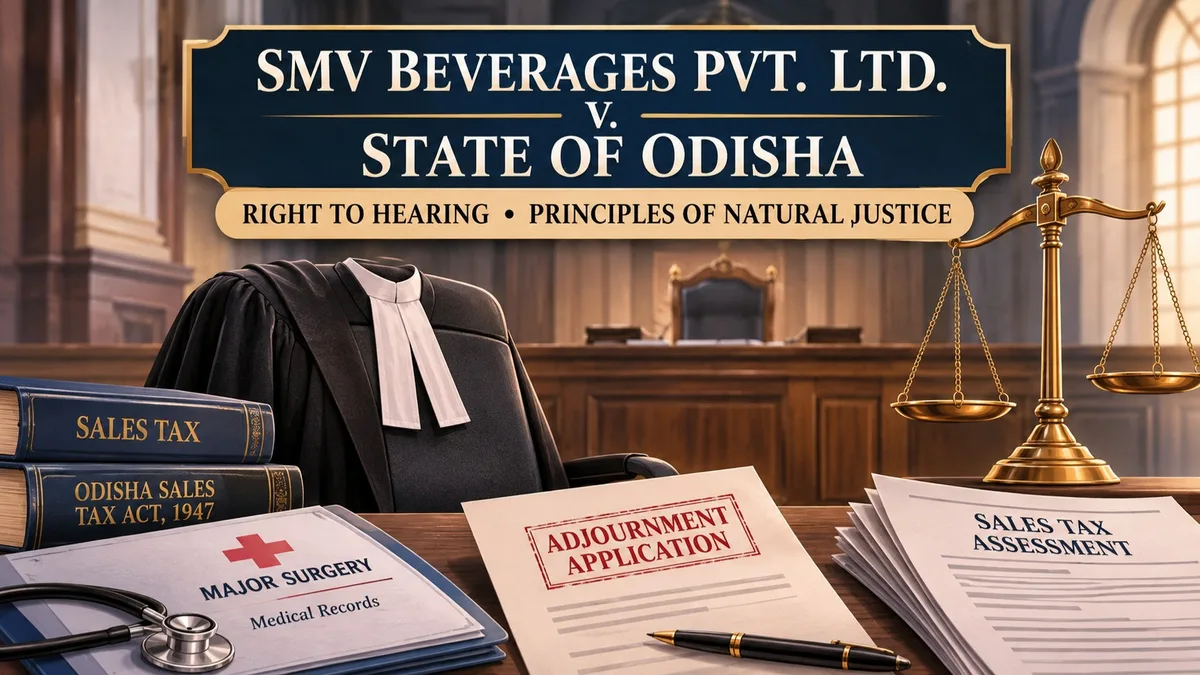
The Division Bench held that the petitioner had been deprived of a reasonable opportunity to present its case before the Commissioner of Sales Tax. An adjournment request must be…

The High Court exercised its inherent jurisdiction to quash a POCSO FIR and the pending trial after obtaining independent reports verifying the parties’ marriage, family…

The Division Bench held that the writ court had exceeded the proper scope of the dispute between the supplier and KSBCL by deciding, in effect, the Revenue’s separate tax…

The High Court considered the petitioners’ request for regular bail in an Enforcement Directorate prosecution alleging money laundering under the Prevention of Money Laundering…

The High Court upheld the appellant’s conviction under Section 18 c of the NDPS Act for possession of opium but reduced the sentence of seven years’ rigorous imprisonment to the…

The High Court dismissed the State’s appeal against acquittal, holding that the trial court’s view was a reasonably possible view on the evidence and that material inconsistencies…
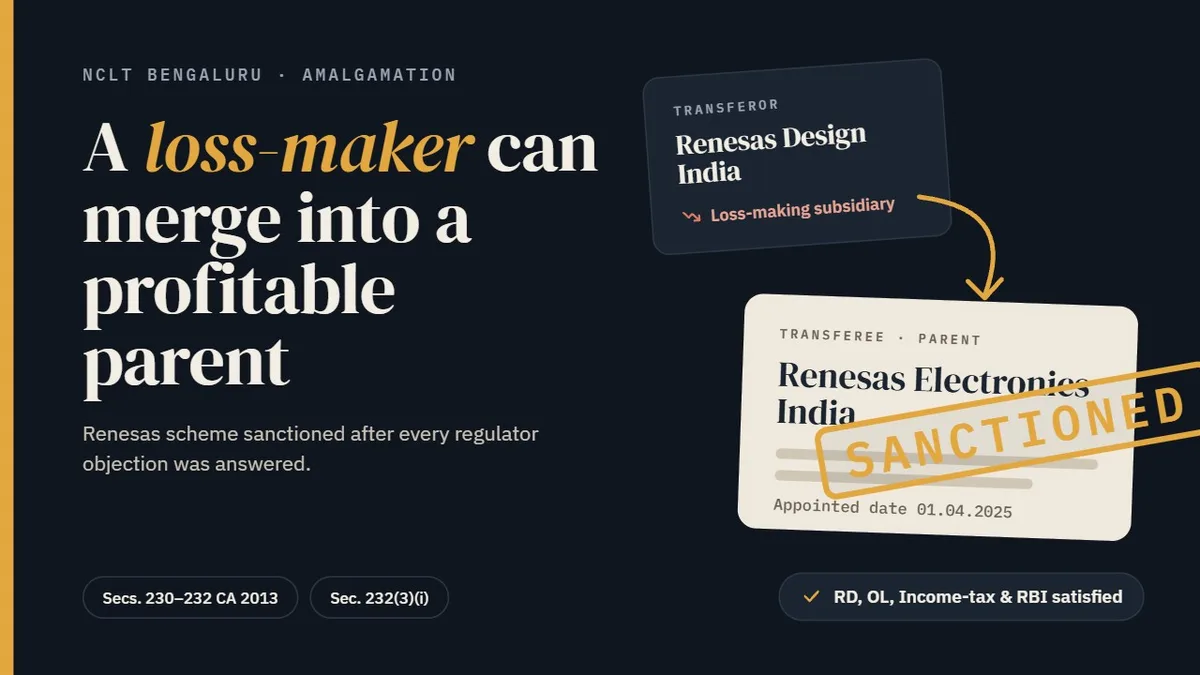
Renesas Design India Pvt. Ltd., a loss-making wholly owned subsidiary engaged in semiconductor design, and its parent Renesas Electronics India Pvt. Ltd. sought sanction of a…