Deciding two connected writ petitions arising from a common Industrial Tribunal Award, the Delhi High Court set aside the Tribunal's direction granting hotel workmen a further…
Labour Laws
06/09/20264 min read
Update / Judgement Date
23 Dec 2025
Source
WCP News Bulletin
Author
Sakshi Bhardwaj — WCP Legal Desk
Reading Time
3 min read
The Bombay High Court dismissed a batch of Letters Patent Appeals filed by the Forest Development Corporation of Maharashtra challenging orders granting permanency to daily wage watchmen. The Court upheld concurrent findings of the Industrial Court and the Single Judge that the Corporation had indulged in unfair labour practices under Items 6, 9 and 10 of Schedule IV of the MRTU & PULP Act, 1971 by continuing workmen for decades on daily wages despite the work being permanent and perennial. The Court held that absence of sanctioned posts or engagement under government schemes cannot defeat the statutory right of workmen who have completed continuous service of more than 240 days year after year.
• The respondents were appointed as watchmen by the Forest Development Corporation between 1977 and 1992 on daily wage basis.
• They worked continuously for 15–20 years, completing more than 240 days of service each year.
• Ninety-nine complaints were filed before the Industrial Court, Nashik under Section 28 of the MRTU & PULP Act alleging unfair labour practices under Items 6, 9 and 10 of Schedule IV.
• The Industrial Court, by judgment dated 31 July 2000, held the Corporation guilty of unfair labour practices and directed grant of permanency with effect from 1 April 1998 along with consequential benefits.
• The Corporation’s writ petitions were dismissed by a Single Judge of the Bombay High Court on 13 June 2001.
• Aggrieved, the Corporation filed the present batch of Letters Patent Appeals.
Issues for Consideration• Whether continuous engagement of daily wage workers for decades amounts to unfair labour practice.
• Whether absence of sanctioned posts or engagement under government schemes bars regularisation.
• Whether granting permanency in such cases amounts to “backdoor entry” into public employment.
• The Forest Development Corporation is a government company and qualifies as an “industry”, while the respondents fall within the definition of “workman”.
• The respondents had rendered uninterrupted service for decades, completing 240 days of work year after year, which created enforceable statutory rights.
• The work of watchmen was permanent and perennial in nature, irrespective of the fact that it was connected with government schemes.
• Merely labeling employment as “temporary” or “scheme-based” cannot defeat labour protections when work continues for years together.
• The plea of absence of sanctioned posts was held to be misconceived in cases of unfair labour practice under the MRTU & PULP Act.
• Grant of permanency in such circumstances does not amount to backdoor entry, but is a corrective measure against exploitative labour practices.
• The Court relied upon the Supreme Court’s decisions in Chief Conservator of Forests v. Jagannath Maruti Kondhare and Jaggo v. Union of India to affirm that substance of employment prevails over form.
• The concurrent findings of fact by the Industrial Court and the Single Judge were neither perverse nor erroneous, warranting no interference in appeal.
Decision• All Letters Patent Appeals were dismissed.
• The orders of the Industrial Court and the Single Judge granting permanency and consequential benefits to the respondents were upheld.
• The Court affirmed that prolonged engagement of daily wage workers on permanent work constitutes unfair labour practice.
• Section 28, Maharashtra Recognition of Trade Unions and Prevention of Unfair Labour Practices Act, 1971
• Items 6, 9 and 10, Schedule IV, MRTU & PULP Act, 1971
• Section 25B, Industrial Disputes Act, 1947
• Article 12, Constitution of India
Deciding two connected writ petitions arising from a common Industrial Tribunal Award, the Delhi High Court set aside the Tribunal's direction granting hotel workmen a further…
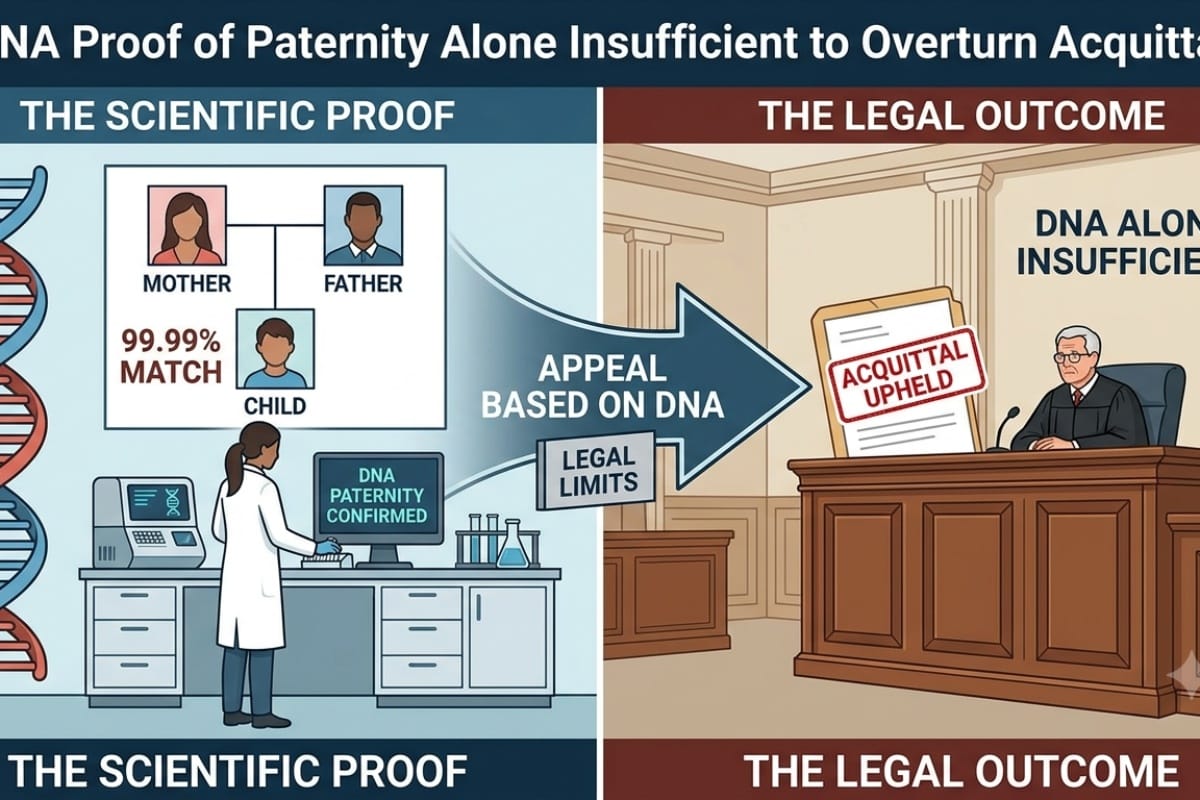
Headnote The Delhi High Court dismissed a prosecutrix's appeal against acquittal of the accused on charges under Sections 328/376 2 n /377/506/509 IPC, despite DNA evidence…
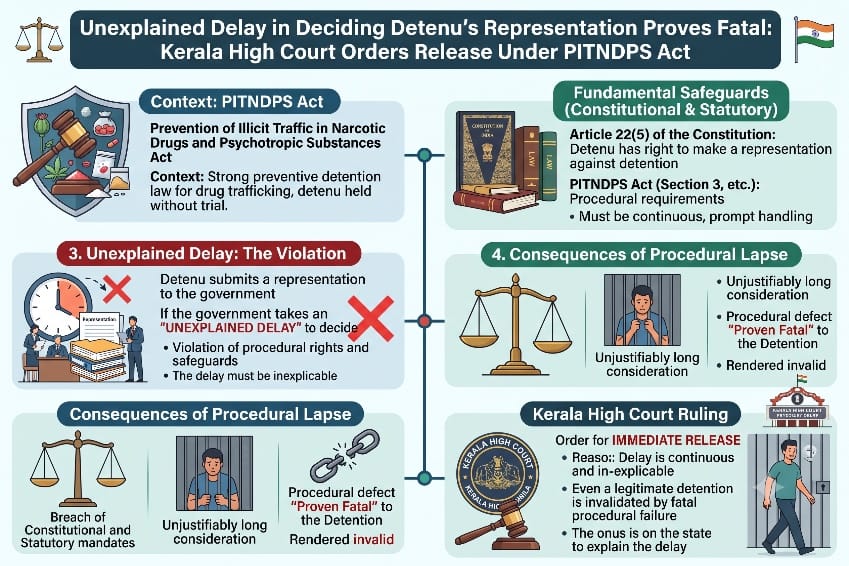
Fathimath Thasneem V.K. v. Union of India and Others | High Court of Kerala at Ernakulam | 3rd September, 2026 A habeas corpus writ petition by the wife of a detenu challenging…
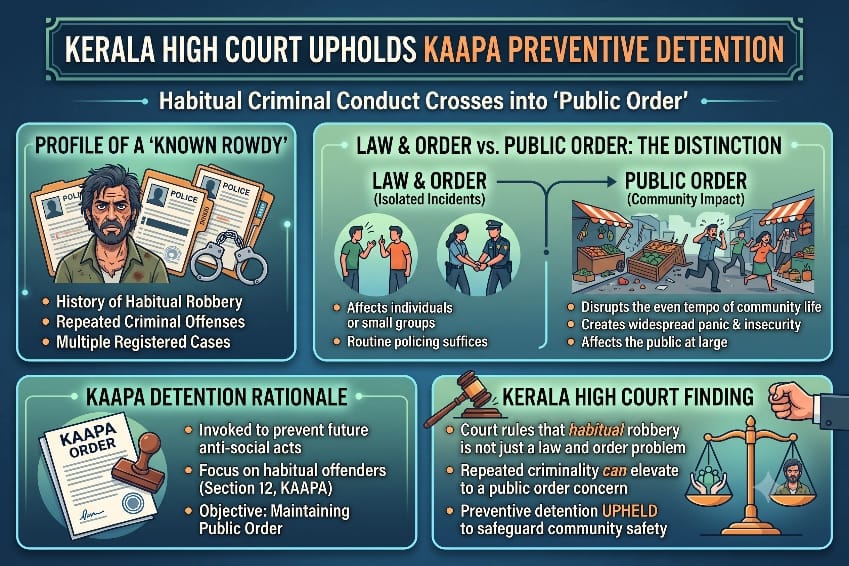
Thasmitha Abukutty v. State of Kerala and Others | High Court of Kerala at Ernakulam | 2nd September, 2026 A writ petition by the wife of a preventive detenu challenging a…
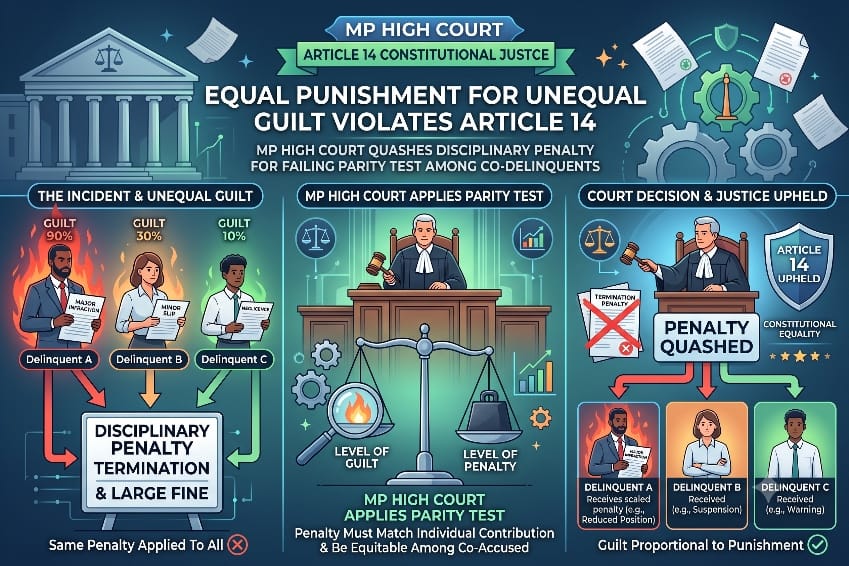
Brahm Kishore Dixit v. The State of Madhya Pradesh and Others | High Court of Madhya Pradesh, Gwalior | 1st September, 2026 A writ petition under Article 226 by a police Assistant…
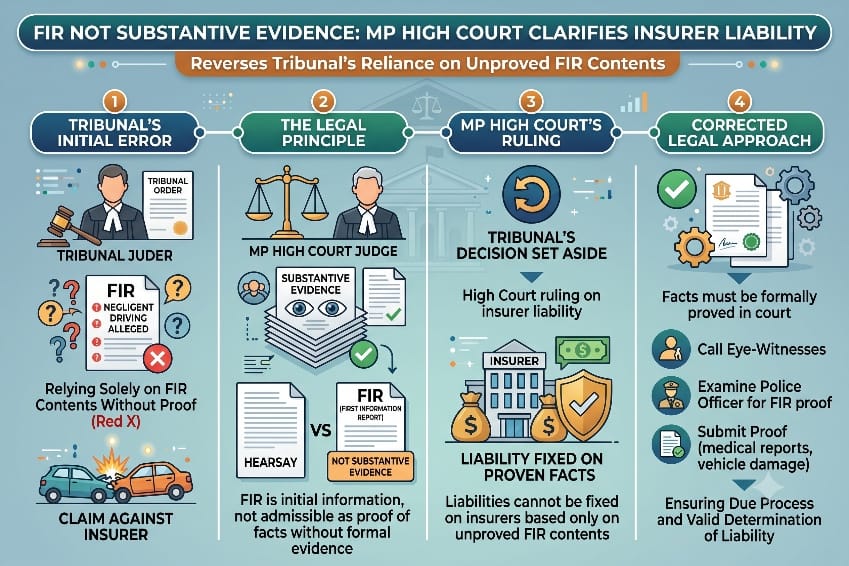
Anil Kumar Patel v. Smt. Munni Bai Barman and Others | High Court of Madhya Pradesh, Jabalpur | 1st September, 2026 A Motor Vehicle Act appeal under Section 173 1 against a Claims…
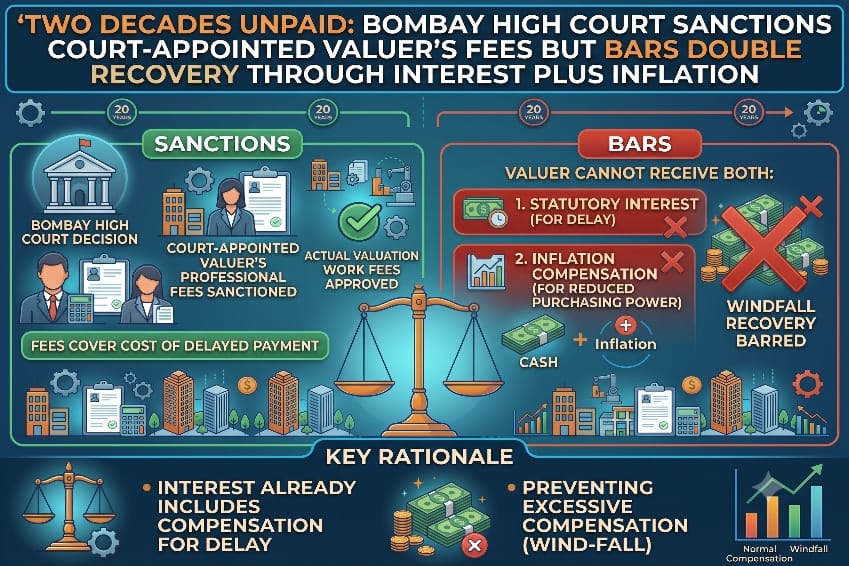
M/s. Kuber Mutual Benefits Ltd. & Ors. v. The State of Maharashtra & Ors. | High Court of Judicature at Bombay Appellate Side | 3rd September, 2026 A Court Receiver's Report…
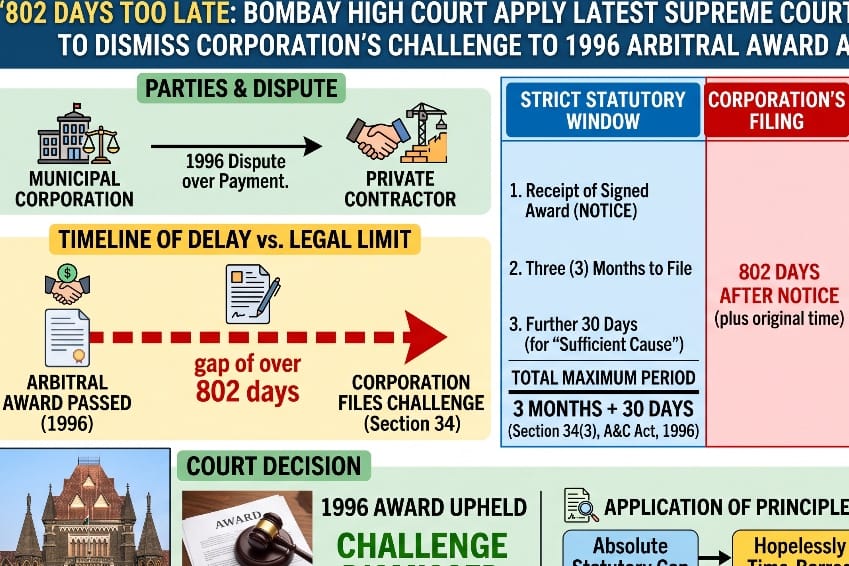
The Municipal Corporation of Greater Bombay v. M/s. Atul Raj Builders Pvt. Ltd. | High Court of Judicature at Bombay Ordinary Original Civil Jurisdiction | 3rd September, 2026 A…
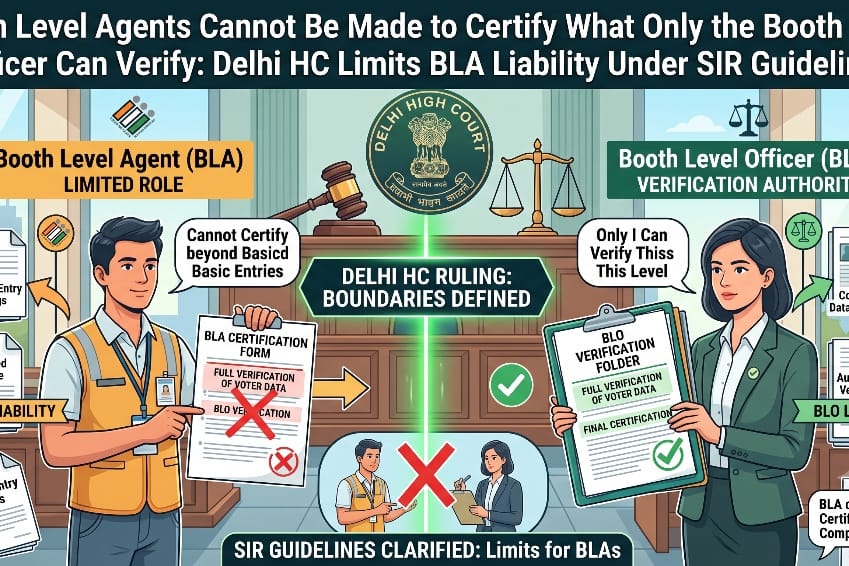
Devender Yadav & Anr. v. Election Commission of India & Anr. | High Court of Delhi Single Judge | Decided on: 03.09.2026 In a challenge to the Election Commission of India's…
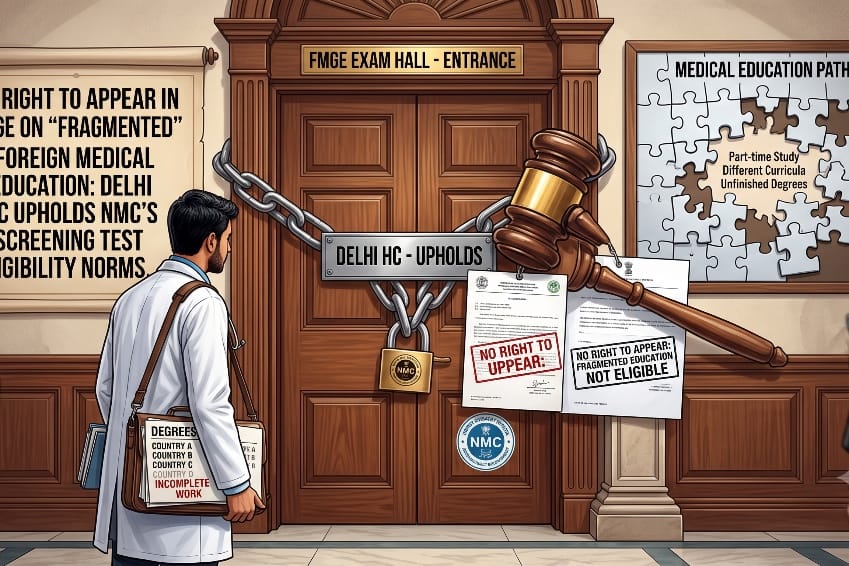
Brij Sharadbhai Bhatt & Ors. v. National Medical Commission & Ors. | High Court of Delhi Division Bench | Decided on: 03.09.2026 The Delhi High Court dismissed a challenge by…