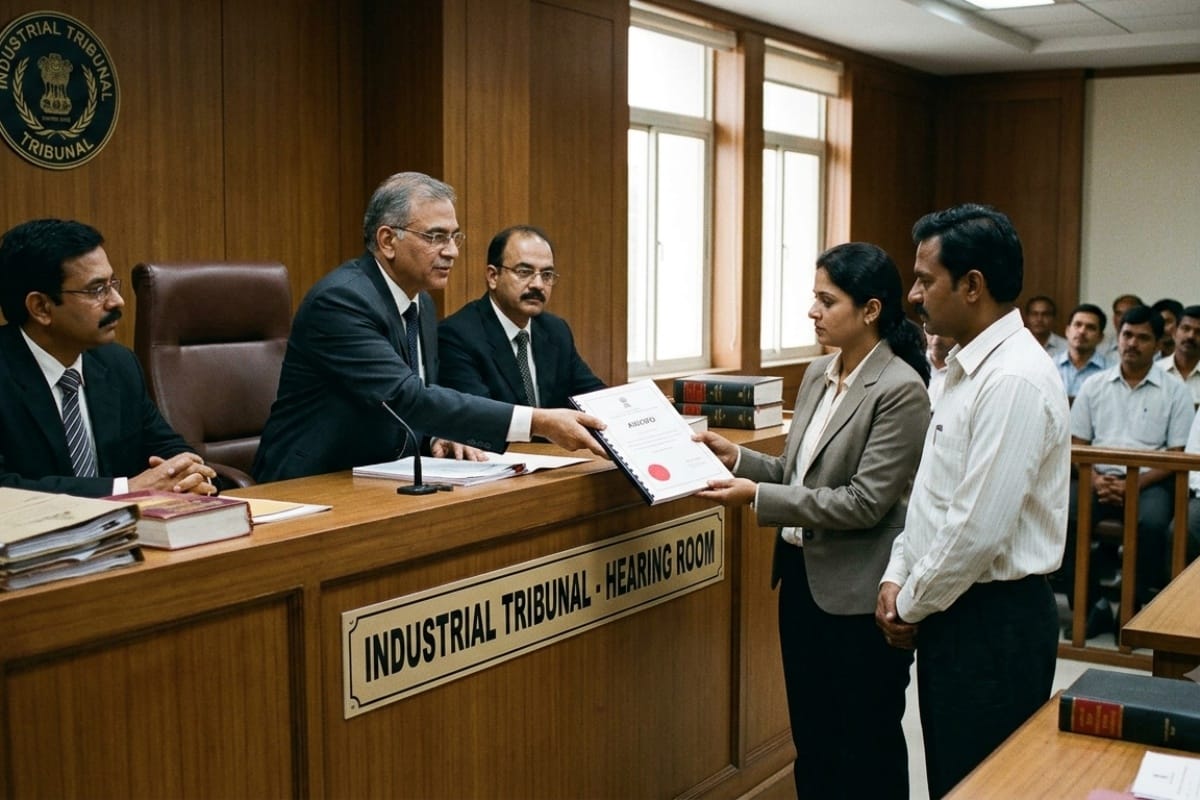
Deciding two connected writ petitions arising from a common Industrial Tribunal Award, the Delhi High Court set aside the Tribunal's direction granting hotel workmen a further…
Labour Laws
06/09/20264 min read
Update / Judgement Date
19 Nov 2025
Source
WCP News Bulletin
Author
Sakshi Bhardwaj — WCP Legal Desk
Reading Time
3 min read
The Bombay High Court upheld an Industrial Tribunal Award granting a wage rise of ₹5,800 per month (with adjustment against an interim rise), rejecting the employer’s challenge under Articles 226 and 227. The Court held that the Tribunal had properly examined the company’s financial capacity, depreciation claims, comparable industries, past losses, and profit assessments in accordance with settled principles of wage adjudication. It found no perversity or legal error that would justify interference. The Court also rejected arguments regarding inflated depreciation, exchange-rate losses, and improper industrial comparison. Judicial review being limited, the Court affirmed the Award and dismissed the writ petition with costs.
• The petitioner-company manufactures precision goods at Ranjangaon, Pune. The respondent is a registered union representing 18 workmen.
• A charter of demands was submitted by the union on 30 December 2014. After failed conciliation, the dispute was referred to the Industrial Tribunal on 20 June 2015.
• The Tribunal, after considering evidence, issued an interim order granting ₹3,000 per month, which was later upheld with modifications by the High Court in 2017.
• On 29 March 2018, the Tribunal awarded a wage rise of ₹5,800 per month effective from 1 April 2015.
• The employer challenged the Award, arguing financial incapacity, lack of proper comparison with similar industries, improper exclusion of depreciation, failure to consider past losses, and absence of proof regarding exchange-rate losses.
• Financial capacity assessment: The Tribunal had examined financial data over seven years (2010–2017), showing continuous losses followed by later profit; this holistic view was correct.
• Depreciation analysis: Depreciation cannot be claimed without proof. The company failed to provide supporting documents for depreciation under Section 32 of the Income Tax Act. Unsupported consolidated figures including land, building, amortization, and accumulated depreciation could not be accepted.
• Comparable industries: The Tribunal had reasonably evaluated wage structures in comparable industries. The company failed to prove that the selected comparators were incomparable in essential features (size, capital, labour strength, nature of work).
• Past losses vs. current profits: Past losses cannot nullify current profitability. Wage adjudication looks at present capacity to pay; the Tribunal correctly acknowledged later financial improvement.
• Foreign exchange losses: No documentary evidence was produced to prove such losses; thus the Tribunal rightly ignored unsubstantiated claims.
• Interim wage adjustment: The Tribunal had allowed adjustment of the interim ₹3,000 rise, making the effective rise only ₹2,800—a reasonable and balanced outcome.
• Judicial review limits: Under Articles 226/227, the High Court cannot re-appreciate evidence. Only perversity or patent illegality justifies interference. The Award showed proper reasoning and application of settled industrial law principles.
• Articles 226 & 227 of the Constitution of India – Judicial review and supervisory jurisdiction of High Courts.
• Section 32, Income Tax Act, 1961 – Depreciation on tangible and intangible assets.
• Principles of wage adjudication from Supreme Court precedents including:
– Novex Dry Cleaners v. Workmen (1962)
– Unichem Laboratories Ltd. v. Workmen (1972)
– Management of Shri Chalthan Vibhag Khan Udyog Sahakari Mandal (1980)
Citation: 2025:BHC-AS:50010
Case: Dangkwang Precision India Pvt. Ltd. v. Dangkwang Precision Employees Union
Court: High Court of Judicature at Bombay, Civil Appellate Jurisdiction
Coram: Justice Amit Borkar
Date of Decision: 20 November 2025
Writ Petition No.: 10836 of 2018
Deciding two connected writ petitions arising from a common Industrial Tribunal Award, the Delhi High Court set aside the Tribunal's direction granting hotel workmen a further…
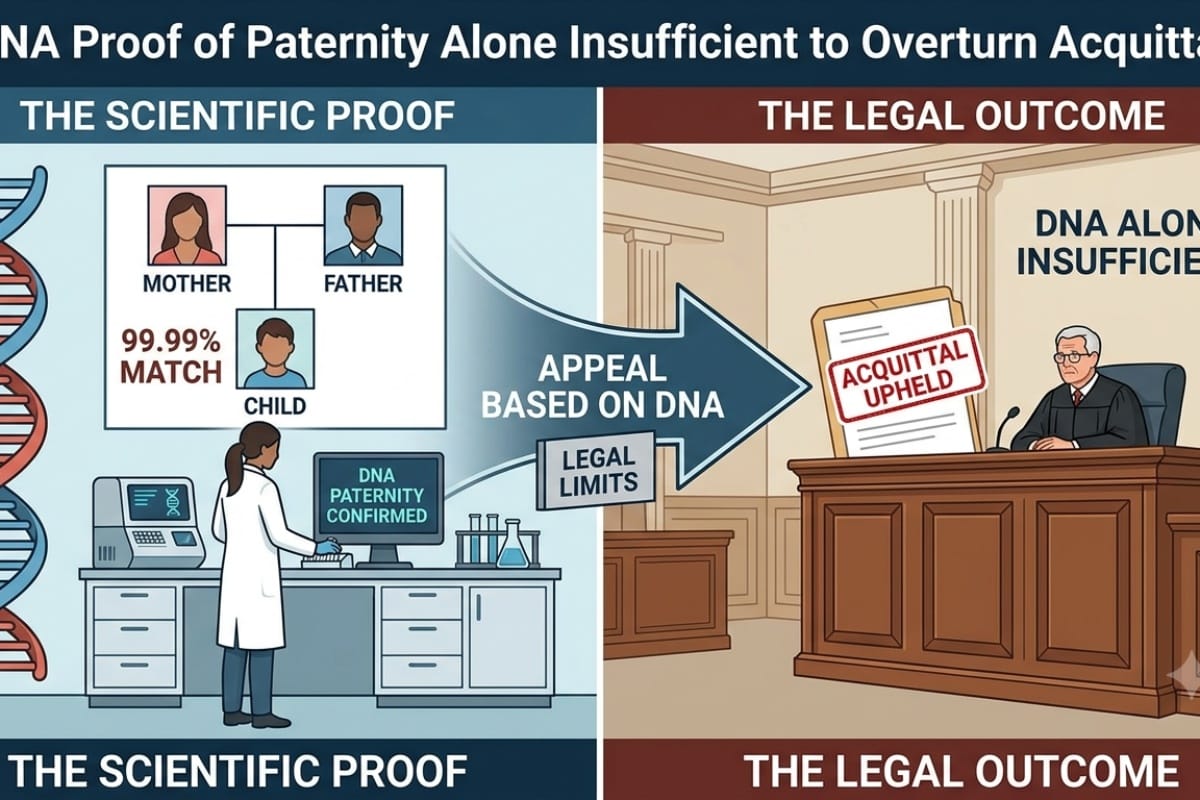
Headnote The Delhi High Court dismissed a prosecutrix's appeal against acquittal of the accused on charges under Sections 328/376 2 n /377/506/509 IPC, despite DNA evidence…
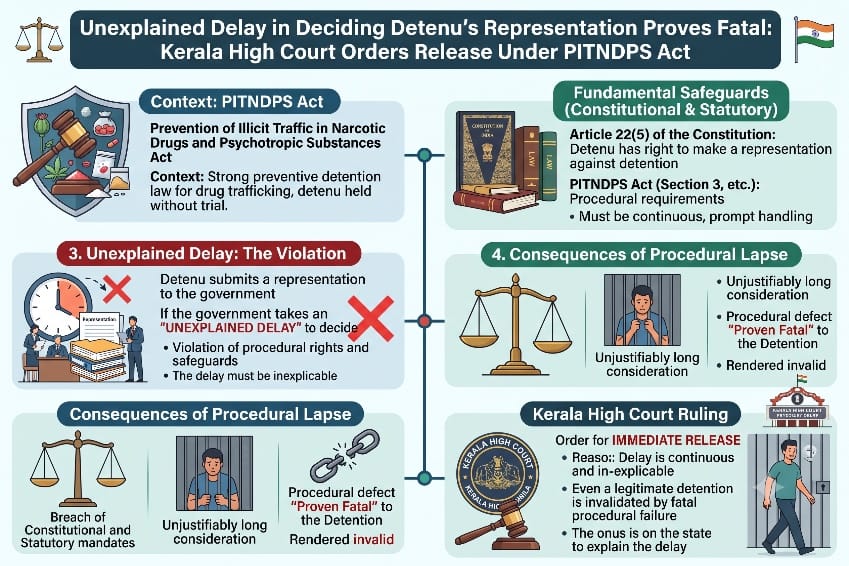
Fathimath Thasneem V.K. v. Union of India and Others | High Court of Kerala at Ernakulam | 3rd September, 2026 A habeas corpus writ petition by the wife of a detenu challenging…
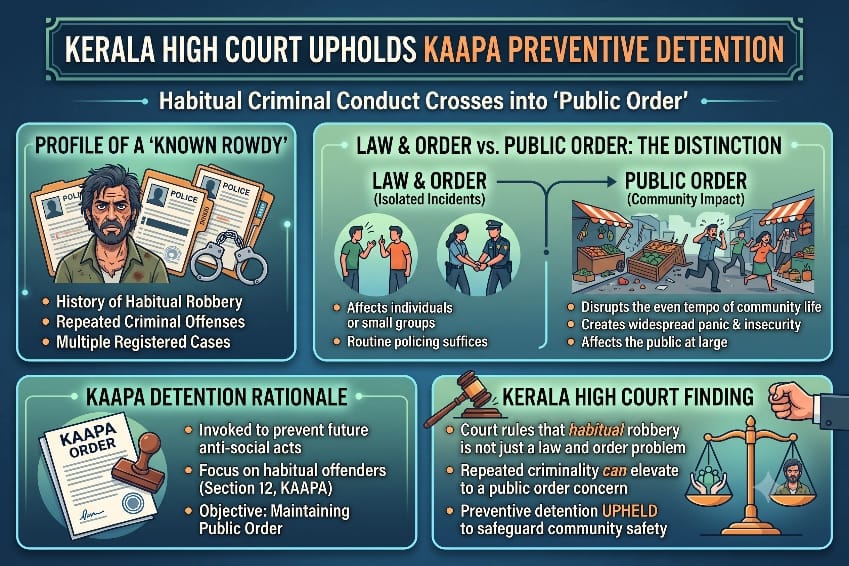
Thasmitha Abukutty v. State of Kerala and Others | High Court of Kerala at Ernakulam | 2nd September, 2026 A writ petition by the wife of a preventive detenu challenging a…
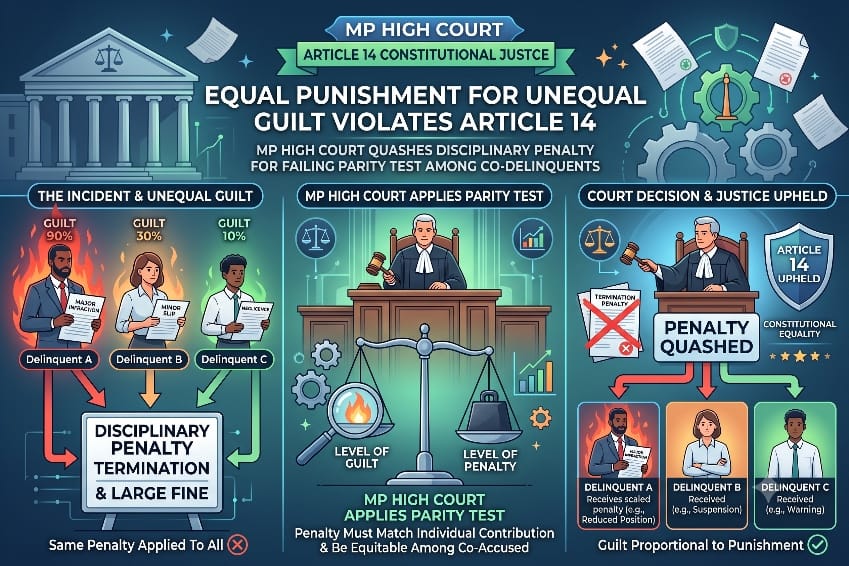
Brahm Kishore Dixit v. The State of Madhya Pradesh and Others | High Court of Madhya Pradesh, Gwalior | 1st September, 2026 A writ petition under Article 226 by a police Assistant…
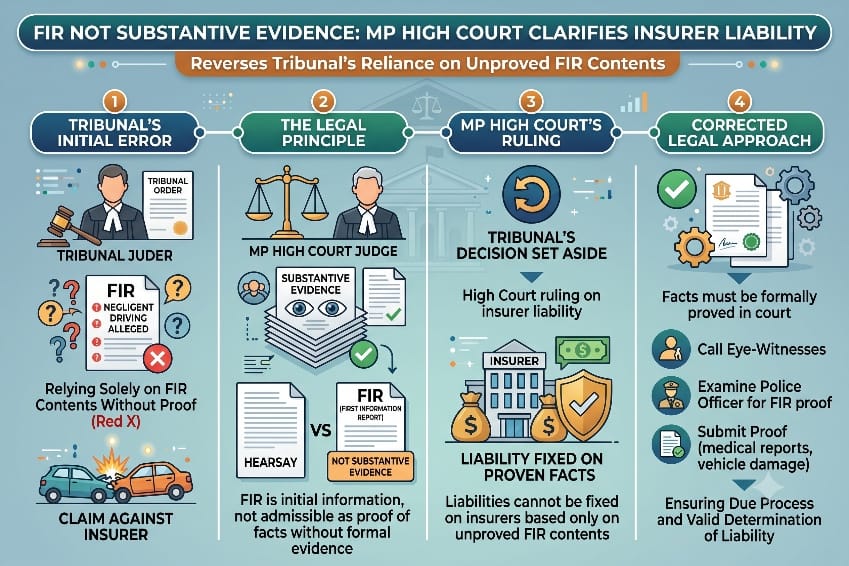
Anil Kumar Patel v. Smt. Munni Bai Barman and Others | High Court of Madhya Pradesh, Jabalpur | 1st September, 2026 A Motor Vehicle Act appeal under Section 173 1 against a Claims…
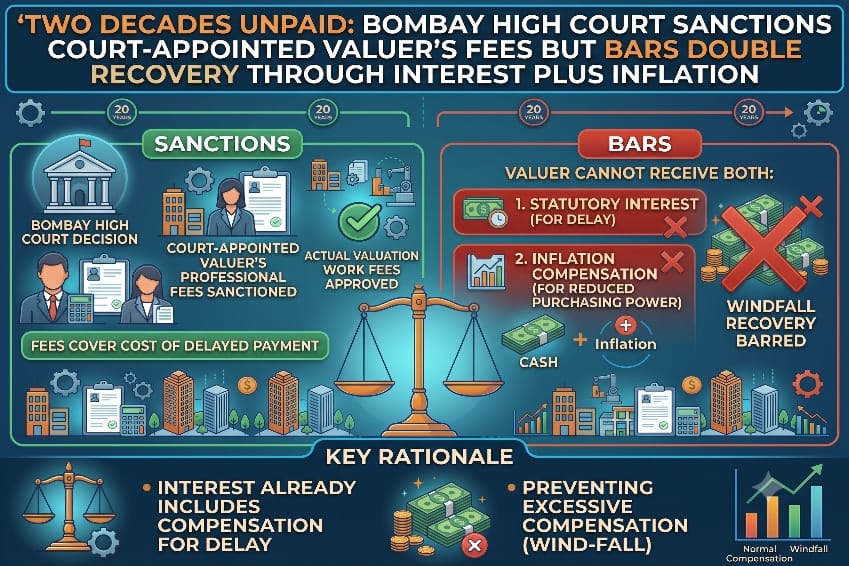
M/s. Kuber Mutual Benefits Ltd. & Ors. v. The State of Maharashtra & Ors. | High Court of Judicature at Bombay Appellate Side | 3rd September, 2026 A Court Receiver's Report…
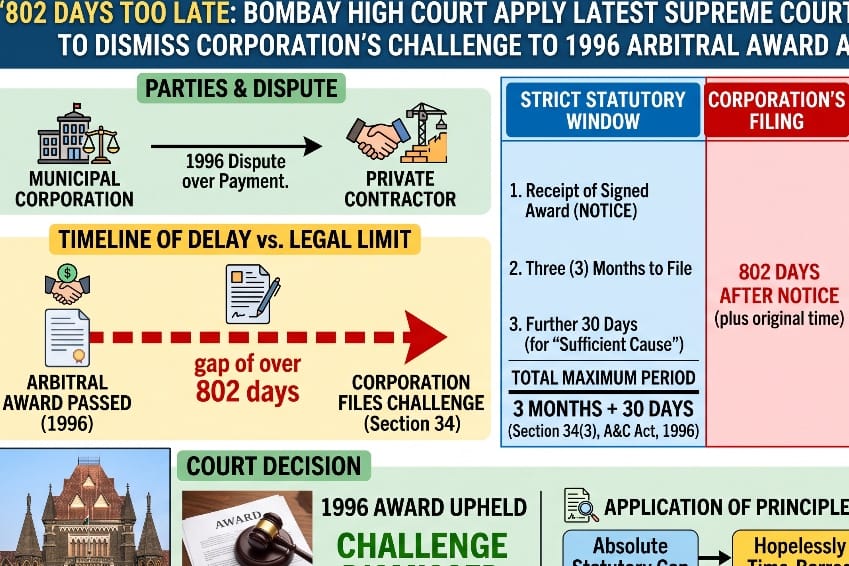
The Municipal Corporation of Greater Bombay v. M/s. Atul Raj Builders Pvt. Ltd. | High Court of Judicature at Bombay Ordinary Original Civil Jurisdiction | 3rd September, 2026 A…
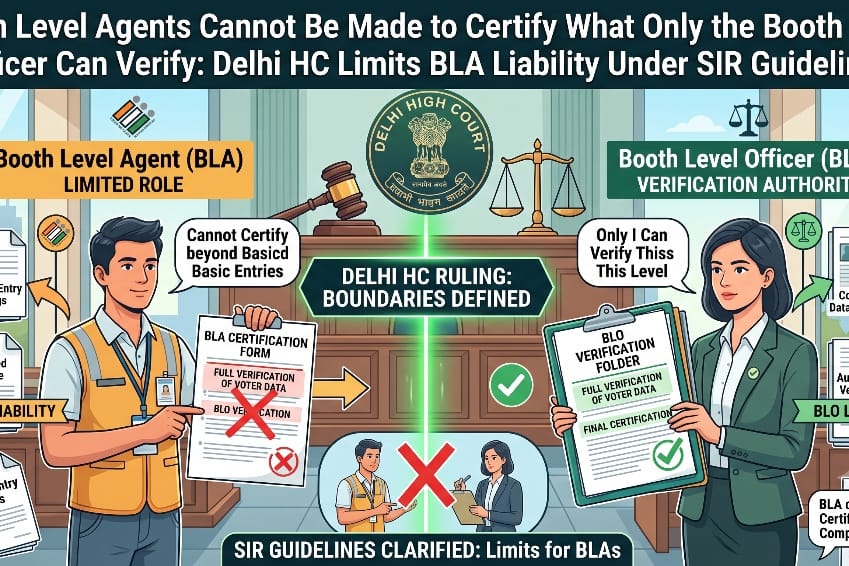
Devender Yadav & Anr. v. Election Commission of India & Anr. | High Court of Delhi Single Judge | Decided on: 03.09.2026 In a challenge to the Election Commission of India's…
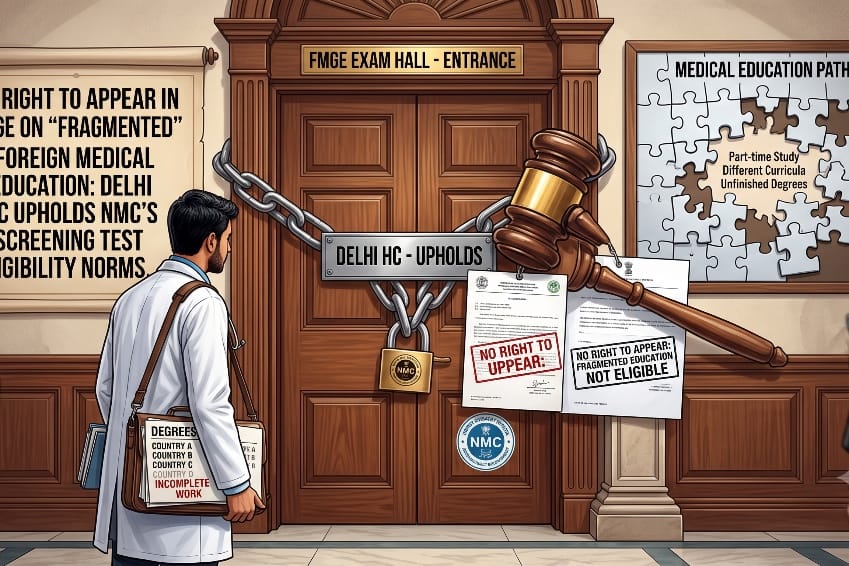
Brij Sharadbhai Bhatt & Ors. v. National Medical Commission & Ors. | High Court of Delhi Division Bench | Decided on: 03.09.2026 The Delhi High Court dismissed a challenge by…