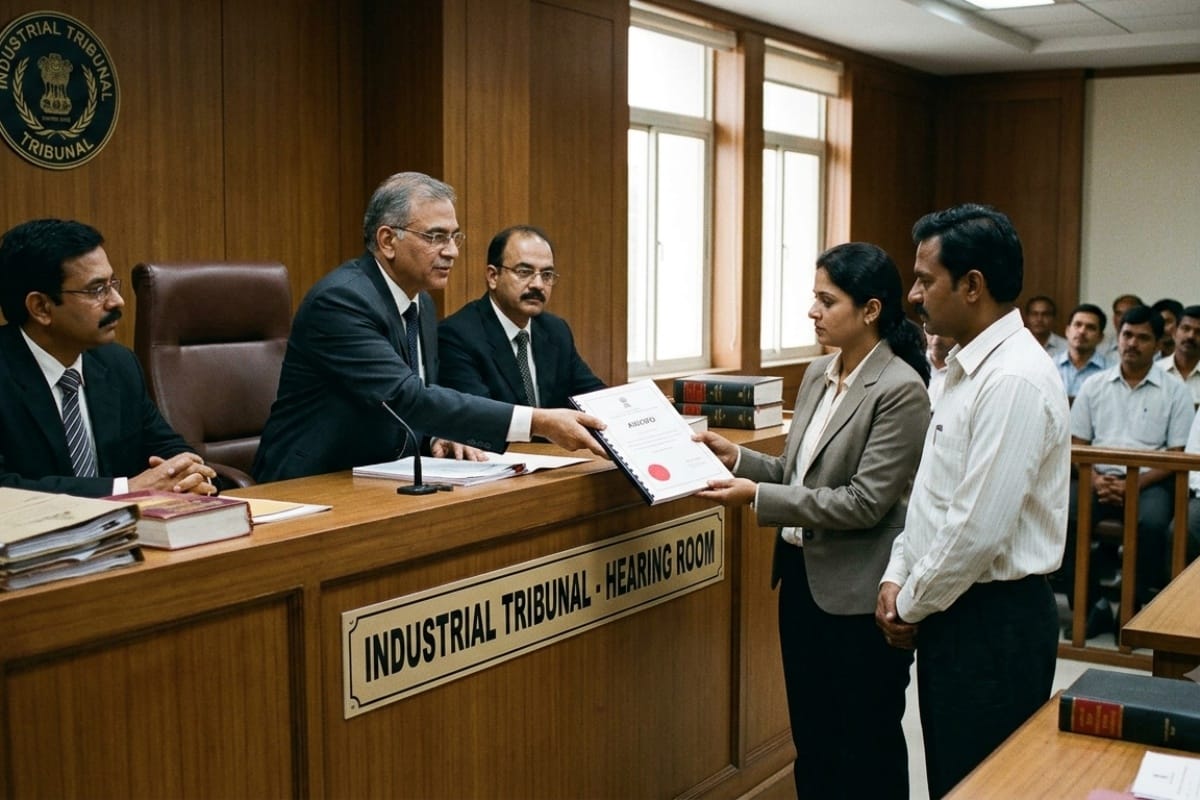
Deciding two connected writ petitions arising from a common Industrial Tribunal Award, the Delhi High Court set aside the Tribunal's direction granting hotel workmen a further…
Labour Laws
06/09/20264 min read
The Bombay High Court held that denial of an effective hearing to an externee under Section 59 of the Maharashtra Police Act, 1951, constitutes a violation of constitutional rights and principles of natural justice. The petitioner challenged externment orders issued by the Sub-Divisional Magistrate and Divisional Commissioner, arguing that notices were not properly served, depriving him of the opportunity to respond or present evidence. The Court emphasized that personal liberty under Article 19 cannot be curtailed without due process, and mechanical or arbitrary externment orders are unconstitutional. It highlighted that Section 59 mandates notice and opportunity to be heard, and any violation undermines procedural fairness. The Court also criticized authorities for failing to apply mind to in-camera statements relied upon in police reports, noting that decisions cannot be based solely on case counts or mechanical application of rules. Accordingly, the High Court quashed the externment orders, reaffirming the importance of audi alteram partem and constitutional safeguards in administrative actions affecting individual liberty. This decision reinforces judicial oversight in protecting civil rights against procedural lapses by authorities.
Deciding two connected writ petitions arising from a common Industrial Tribunal Award, the Delhi High Court set aside the Tribunal's direction granting hotel workmen a further…
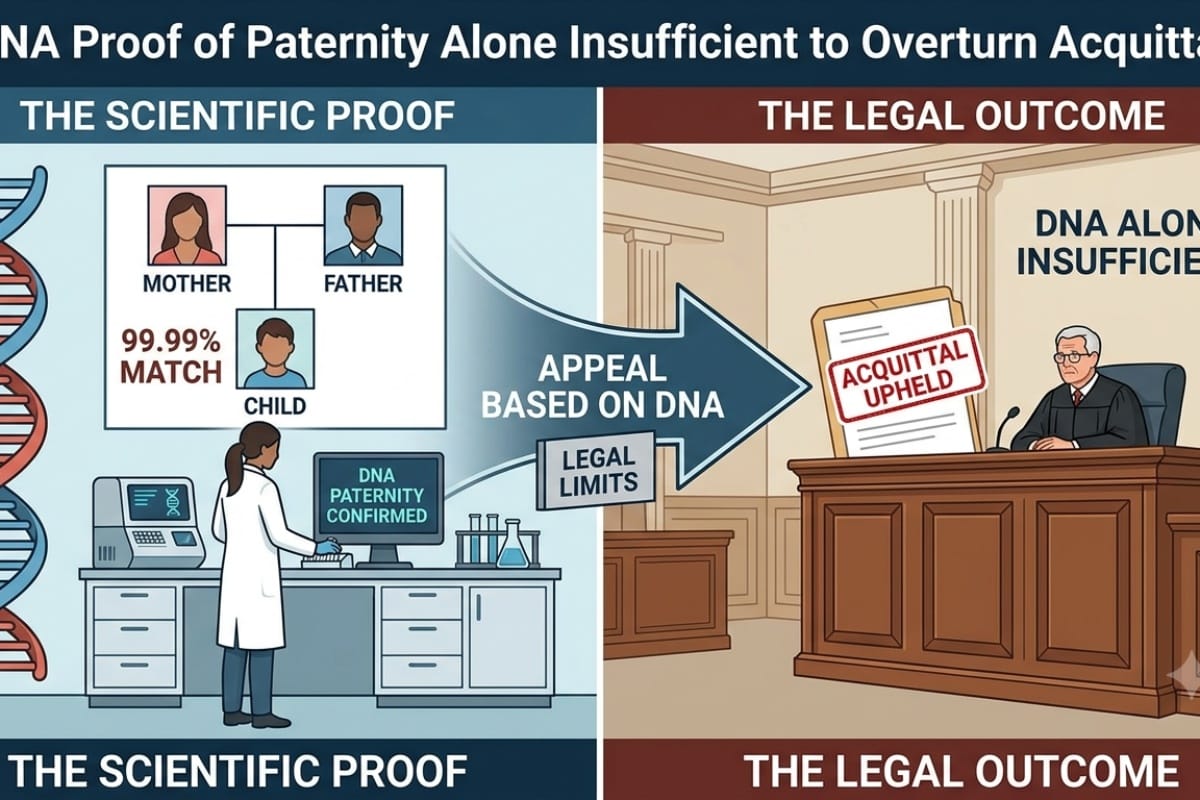
Headnote The Delhi High Court dismissed a prosecutrix's appeal against acquittal of the accused on charges under Sections 328/376 2 n /377/506/509 IPC, despite DNA evidence…
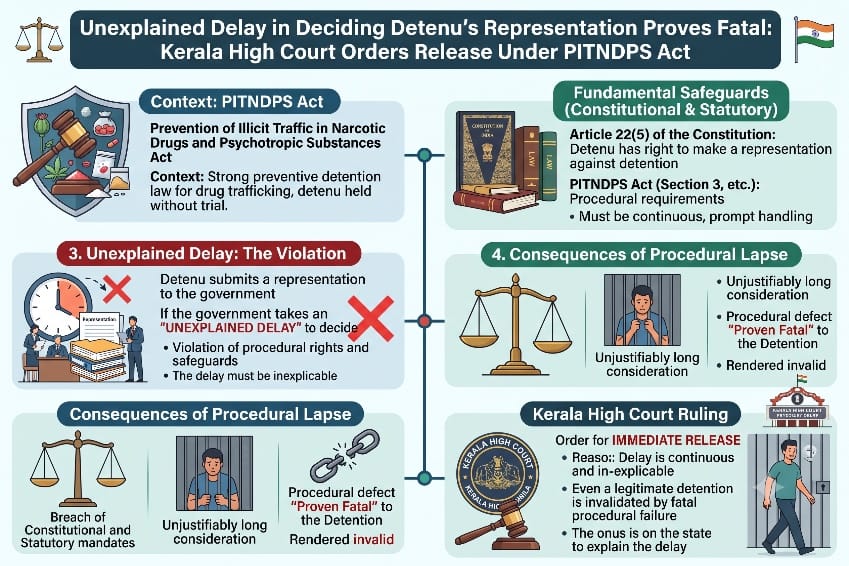
Fathimath Thasneem V.K. v. Union of India and Others | High Court of Kerala at Ernakulam | 3rd September, 2026 A habeas corpus writ petition by the wife of a detenu challenging…
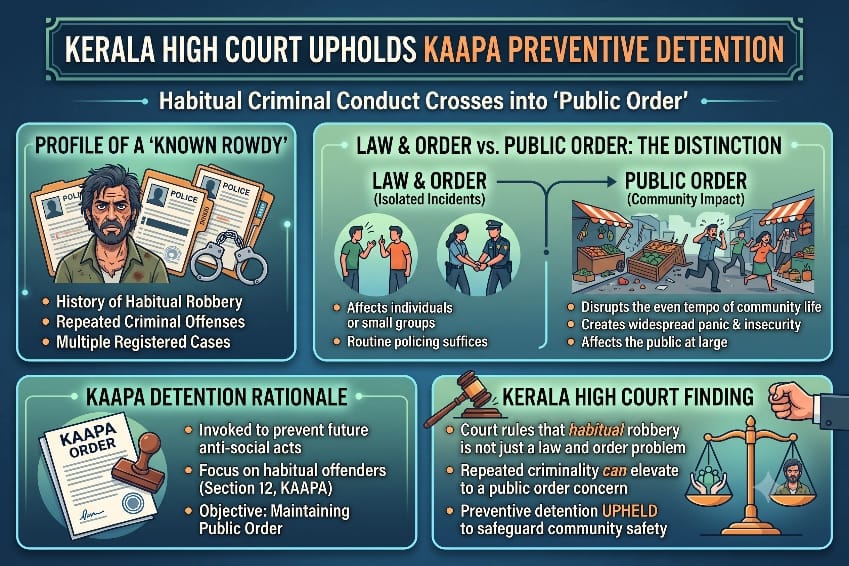
Thasmitha Abukutty v. State of Kerala and Others | High Court of Kerala at Ernakulam | 2nd September, 2026 A writ petition by the wife of a preventive detenu challenging a…
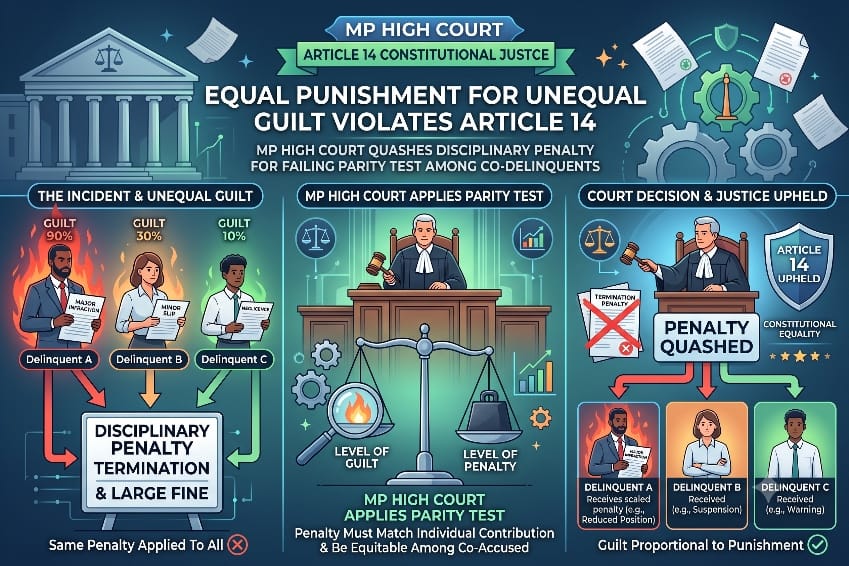
Brahm Kishore Dixit v. The State of Madhya Pradesh and Others | High Court of Madhya Pradesh, Gwalior | 1st September, 2026 A writ petition under Article 226 by a police Assistant…
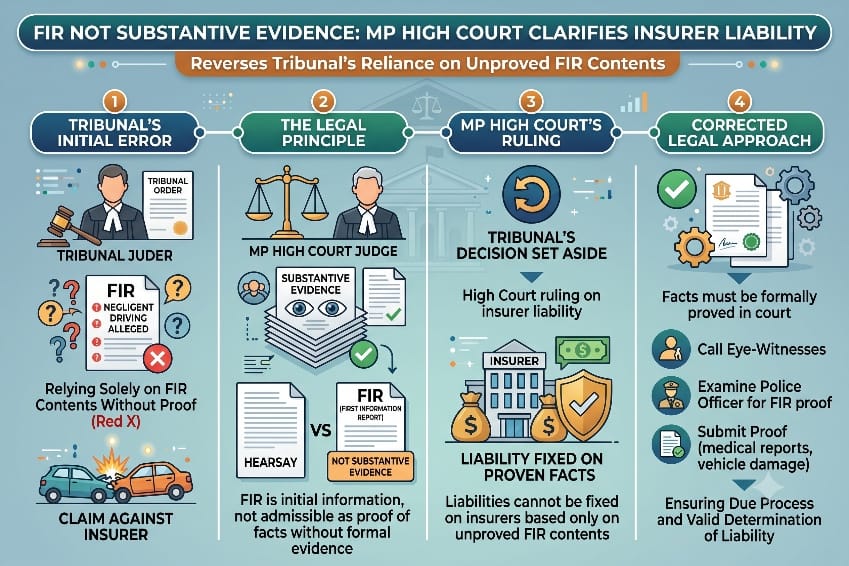
Anil Kumar Patel v. Smt. Munni Bai Barman and Others | High Court of Madhya Pradesh, Jabalpur | 1st September, 2026 A Motor Vehicle Act appeal under Section 173 1 against a Claims…
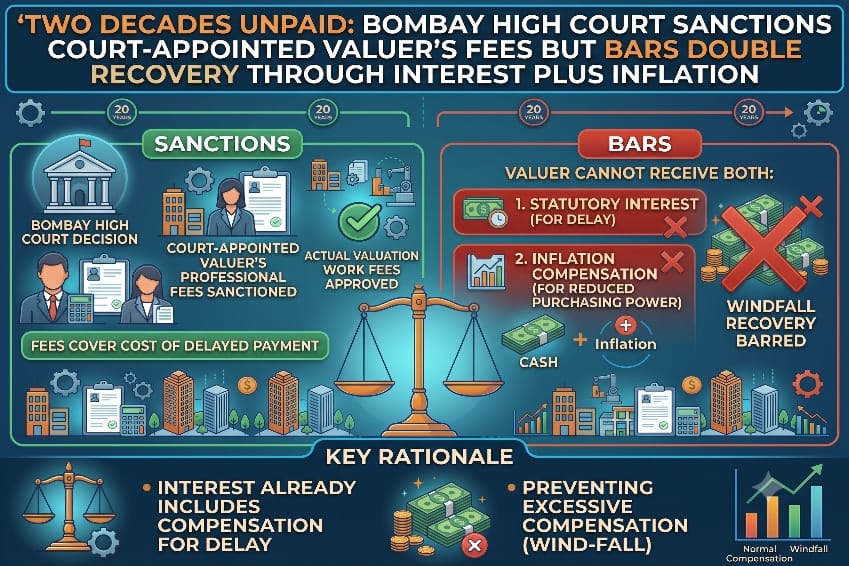
M/s. Kuber Mutual Benefits Ltd. & Ors. v. The State of Maharashtra & Ors. | High Court of Judicature at Bombay Appellate Side | 3rd September, 2026 A Court Receiver's Report…
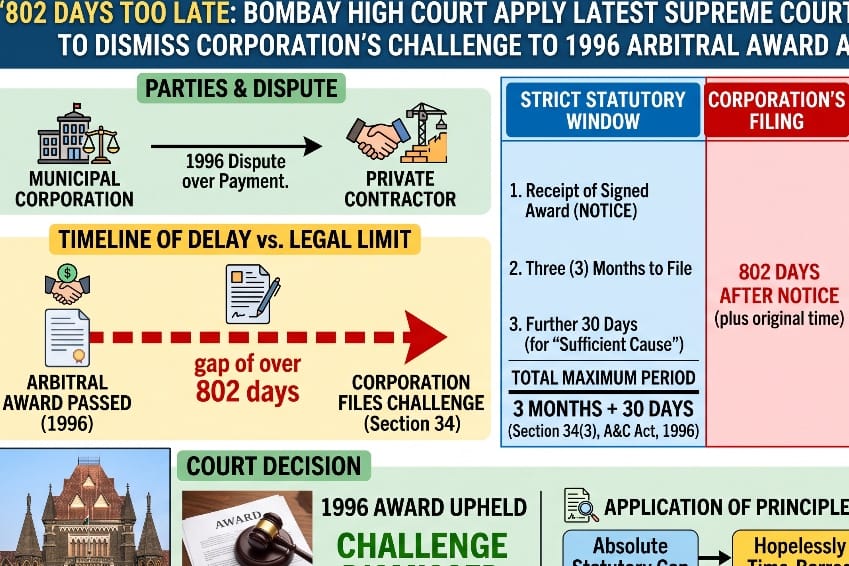
The Municipal Corporation of Greater Bombay v. M/s. Atul Raj Builders Pvt. Ltd. | High Court of Judicature at Bombay Ordinary Original Civil Jurisdiction | 3rd September, 2026 A…
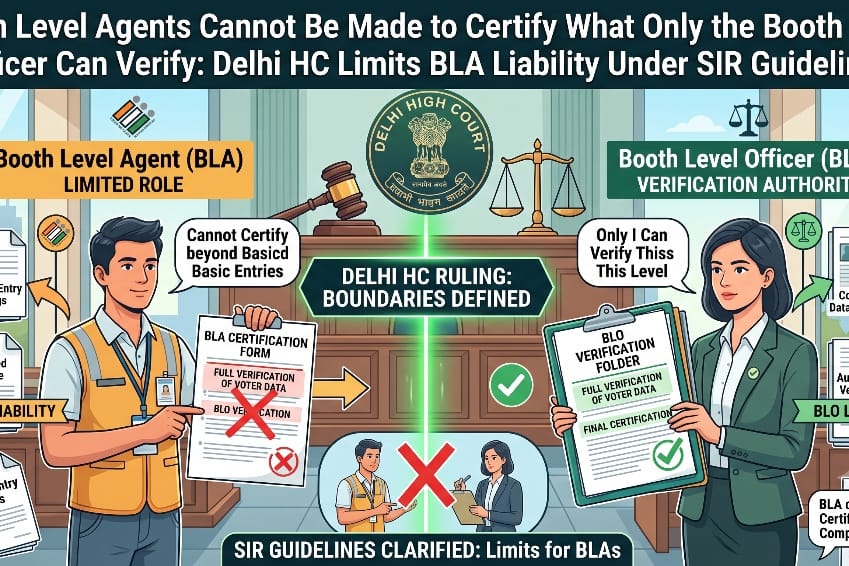
Devender Yadav & Anr. v. Election Commission of India & Anr. | High Court of Delhi Single Judge | Decided on: 03.09.2026 In a challenge to the Election Commission of India's…
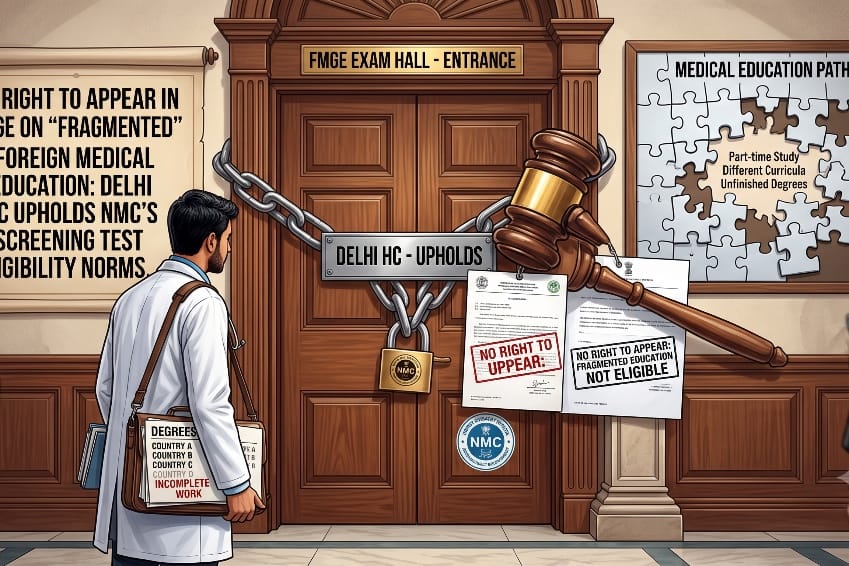
Brij Sharadbhai Bhatt & Ors. v. National Medical Commission & Ors. | High Court of Delhi Division Bench | Decided on: 03.09.2026 The Delhi High Court dismissed a challenge by…