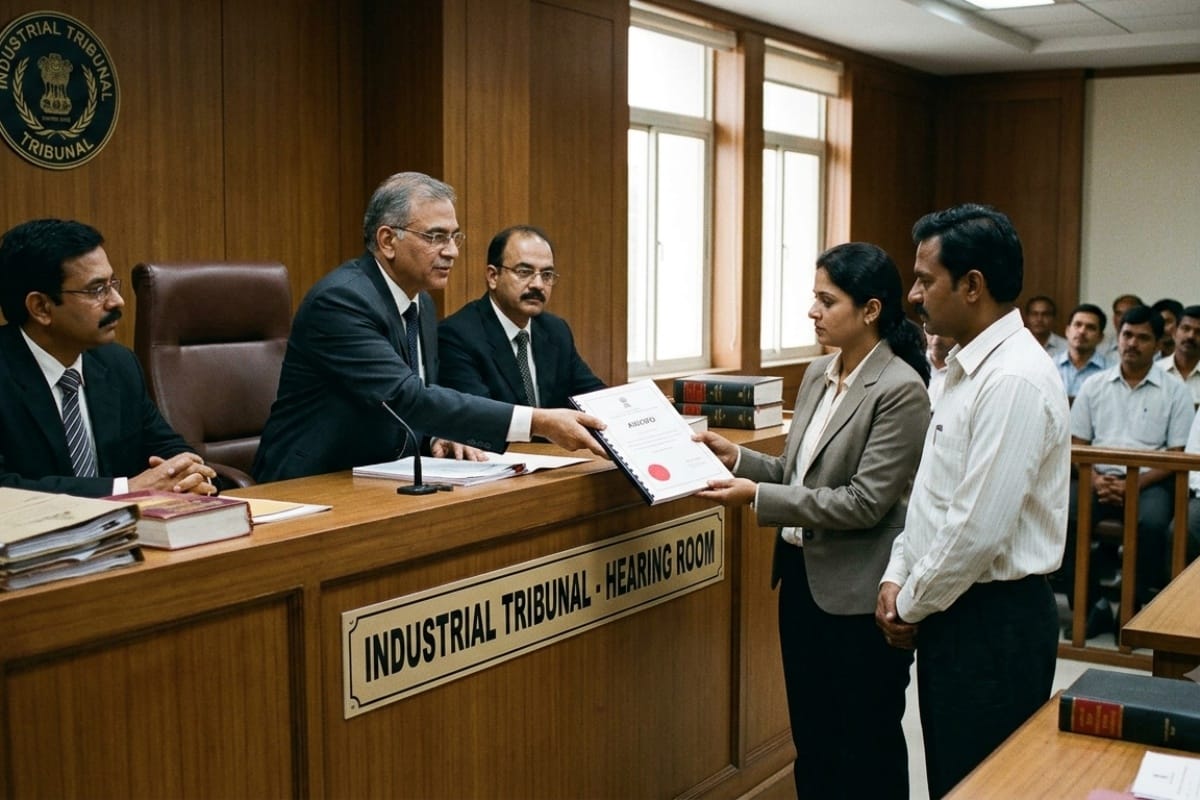
Deciding two connected writ petitions arising from a common Industrial Tribunal Award, the Delhi High Court set aside the Tribunal's direction granting hotel workmen a further…
Labour Laws
06/09/20264 min read
Update / Judgement Date
03 Nov 2025
Source
WCP News Bulletin
Author
Sakshi Bhardwaj — WCP Legal Desk
Reading Time
2 min read
Headnote:
The Bombay High Court held that a writ petition under Article 226 of the Constitution challenging the findings of an Internal Complaints Committee (ICC) constituted under the POSH Act, 2013, is not maintainable when a statutory appellate remedy exists under Section 18 of the Act. The Court emphasized that writ jurisdiction cannot ordinarily be invoked against private entities unless their actions involve a public law element or statutory duty.
Background:
• The petitioner, a pilot employed by Akasa Air, challenged the findings of the ICC that held him guilty of sexual harassment against a trainee pilot under the POSH Act, 2013.
• The petitioner alleged that the ICC proceedings violated principles of natural justice—claiming he was denied cross-examination, adequate opportunity to defend, and a personal hearing.
• The respondent airline argued that the writ was not maintainable since Akasa Air is a private employer and the petitioner had an effective statutory appeal remedy under Section 18 of the POSH Act before the appellate authority.
Court’s Observations:
• The Court reaffirmed that Article 226 confers wide powers but is primarily intended to enforce public law duties; private disputes without public character do not fall within its ambit.
• An Internal Complaints Committee of a private organization, though statutory in origin, functions within the employer’s internal framework and is not a quasi-judicial body subject to writ oversight in routine disciplinary matters.
• The petitioner had an adequate alternate remedy under Section 18 of the POSH Act, and no exceptional circumstances—such as lack of jurisdiction or violation of fundamental natural justice principles—were shown to justify bypassing that remedy.
• The Court observed that procedural irregularities alleged by the petitioner could be appropriately raised before the appellate authority, and thus, writ jurisdiction was unwarranted.
Legal Provisions Discussed:
• Section 18, Sexual Harassment of Women at Workplace (Prevention, Prohibition and Redressal) Act, 2013 – Appeal.
• Article 226, Constitution of India – Power of High Courts to issue writs.
• Principles of Natural Justice – Right to fair hearing and cross-examination.
Outcome:
The writ petition was dismissed as not maintainable, affirming that internal inquiries under the POSH Act within private entities must first be challenged through the prescribed statutory appeal mechanism.
Citation: 2025:BHC-AS:46643
Case: ABC & Ors. v. Internal Complaints Committee, Akasa Air & Ors.
Court: High Court of Bombay
Date of Decision: 3 November 2025
Writ Petition (St.) No.: 15574 of 2025
Deciding two connected writ petitions arising from a common Industrial Tribunal Award, the Delhi High Court set aside the Tribunal's direction granting hotel workmen a further…
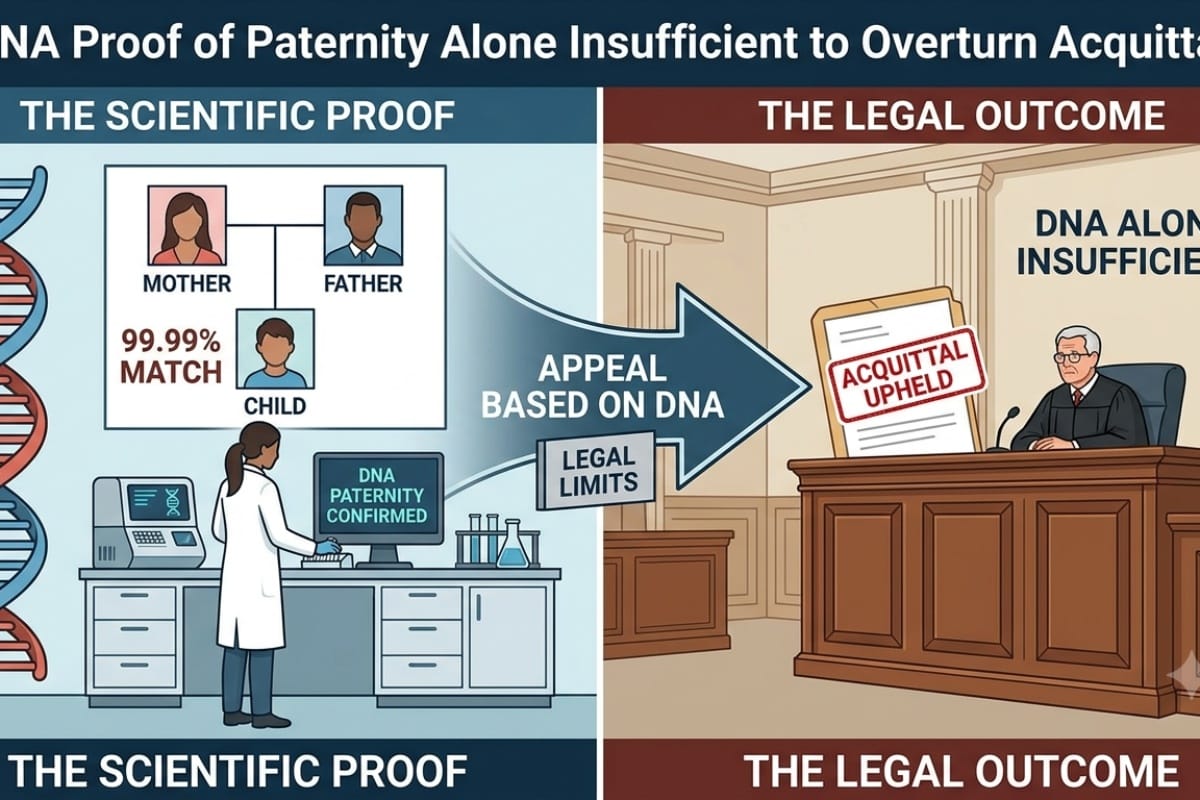
Headnote The Delhi High Court dismissed a prosecutrix's appeal against acquittal of the accused on charges under Sections 328/376 2 n /377/506/509 IPC, despite DNA evidence…
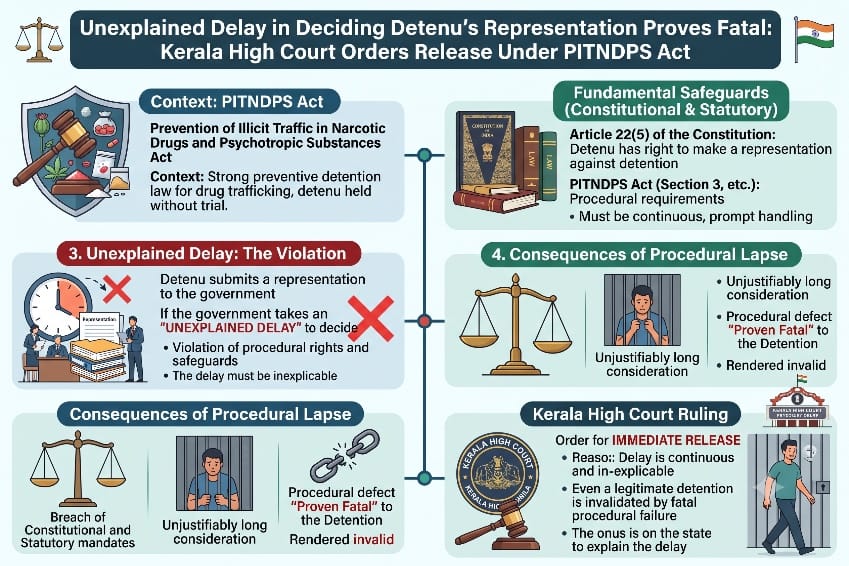
Fathimath Thasneem V.K. v. Union of India and Others | High Court of Kerala at Ernakulam | 3rd September, 2026 A habeas corpus writ petition by the wife of a detenu challenging…
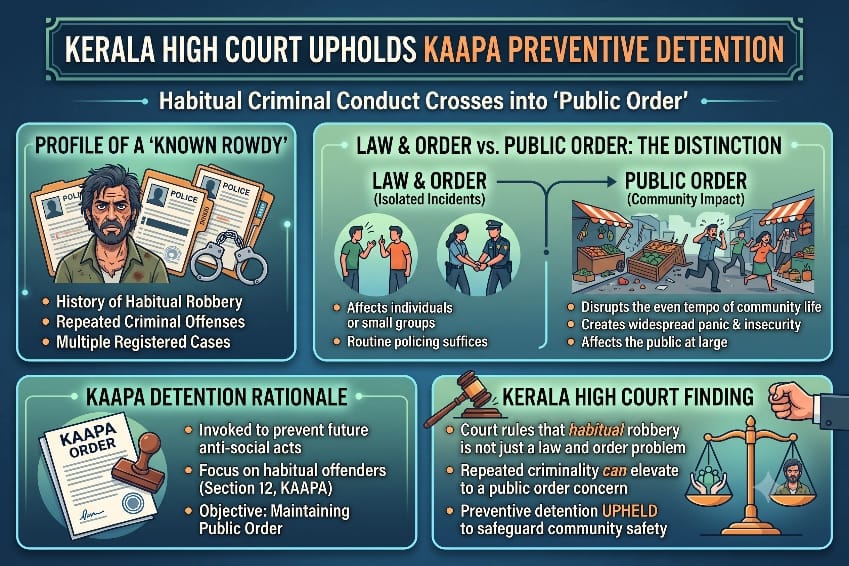
Thasmitha Abukutty v. State of Kerala and Others | High Court of Kerala at Ernakulam | 2nd September, 2026 A writ petition by the wife of a preventive detenu challenging a…
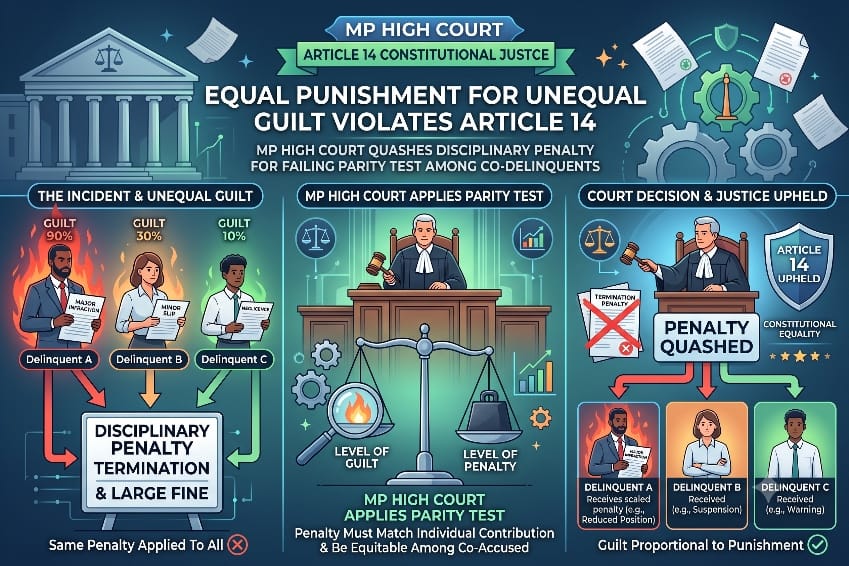
Brahm Kishore Dixit v. The State of Madhya Pradesh and Others | High Court of Madhya Pradesh, Gwalior | 1st September, 2026 A writ petition under Article 226 by a police Assistant…
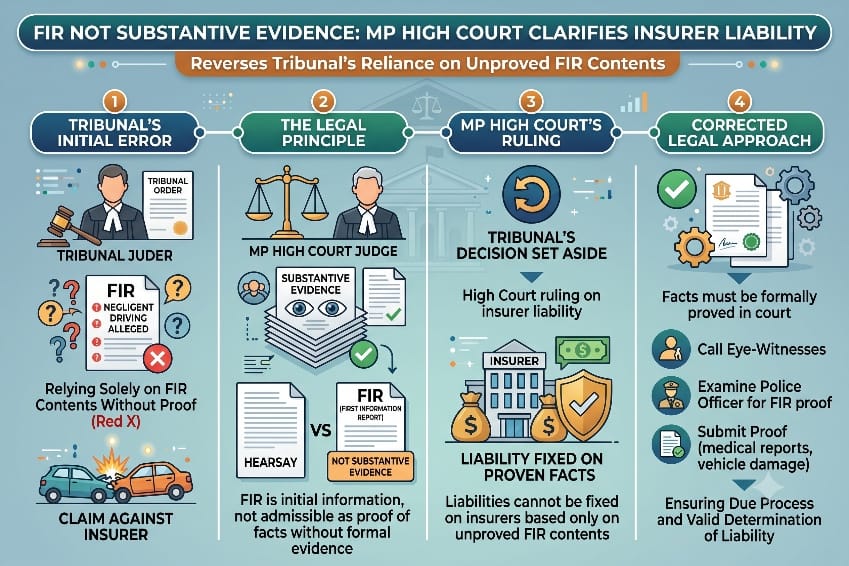
Anil Kumar Patel v. Smt. Munni Bai Barman and Others | High Court of Madhya Pradesh, Jabalpur | 1st September, 2026 A Motor Vehicle Act appeal under Section 173 1 against a Claims…
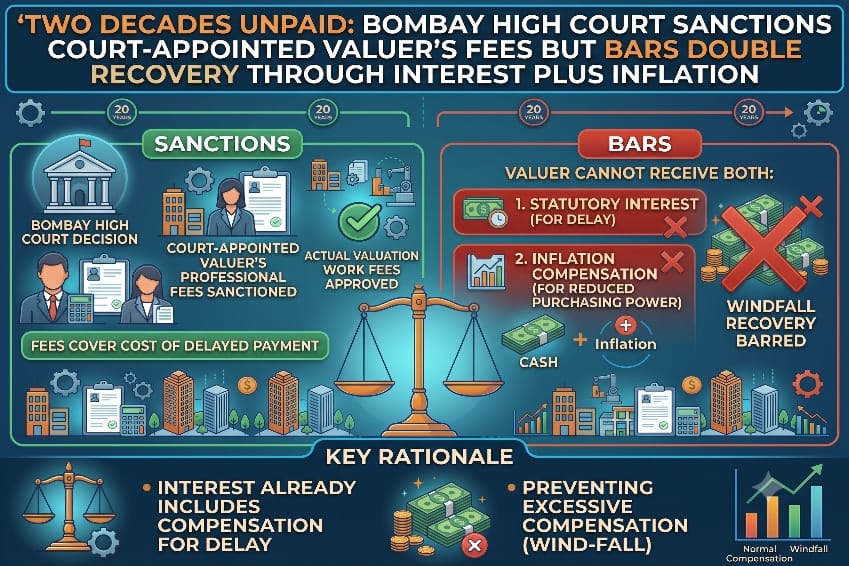
M/s. Kuber Mutual Benefits Ltd. & Ors. v. The State of Maharashtra & Ors. | High Court of Judicature at Bombay Appellate Side | 3rd September, 2026 A Court Receiver's Report…
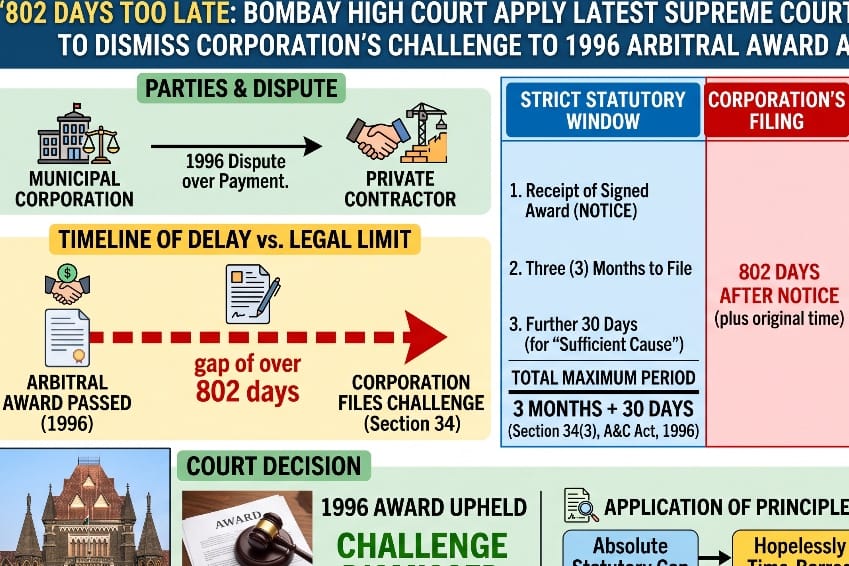
The Municipal Corporation of Greater Bombay v. M/s. Atul Raj Builders Pvt. Ltd. | High Court of Judicature at Bombay Ordinary Original Civil Jurisdiction | 3rd September, 2026 A…
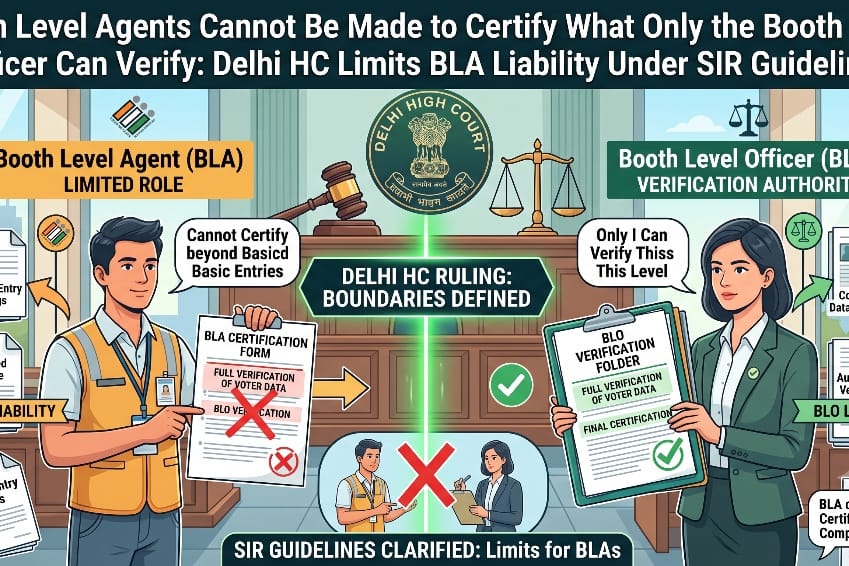
Devender Yadav & Anr. v. Election Commission of India & Anr. | High Court of Delhi Single Judge | Decided on: 03.09.2026 In a challenge to the Election Commission of India's…
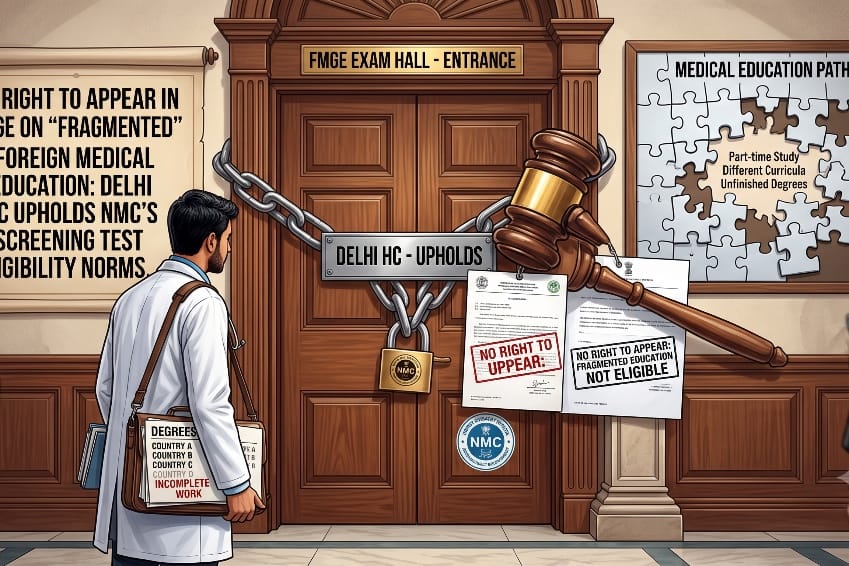
Brij Sharadbhai Bhatt & Ors. v. National Medical Commission & Ors. | High Court of Delhi Division Bench | Decided on: 03.09.2026 The Delhi High Court dismissed a challenge by…