
Deciding two connected writ petitions arising from a common Industrial Tribunal Award, the Delhi High Court set aside the Tribunal's direction granting hotel workmen a further…
Labour Laws
06/09/20264 min read
Update / Judgement Date
10 Oct 2025
Source
WCP News Bulletin
Author
Sakshi Bhardwaj — WCP Legal Desk
Reading Time
5 min read
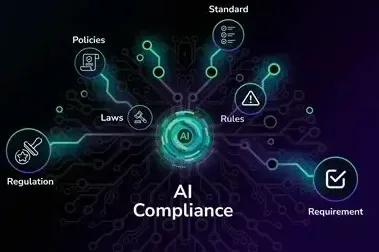
Introduction: The Expanding Role of the CFO:
The role of the Chief Financial Officer (CFO) has evolved far beyond financial stewardship. In 2025, CFOs stand at the intersection of technology, sustainability, and strategic risk. The global economy remains marked by inflationary pressures, volatile capital markets, and geopolitical uncertainties. Against this backdrop, the modern CFO is not just a custodian of financial discipline but also a key driver of corporate transformation.
Three strategic pillars dominate the CFO agenda in 2025 — Artificial Intelligence (AI) adoption, Environmental, Social and Governance (ESG) integration, and comprehensive risk management. Each of these domains is shaping the new contours of financial leadership, compelling CFOs to adapt, innovate, and lead organizations with agility and foresight.
AI and Digital Transformation in Financial Leadership:
1. Automation, Predictive Analytics, and Decision Intelligence
AI-driven automation is revolutionizing core financial processes — from invoice reconciliation and procurement to audit trails and compliance reporting. Predictive analytics enables finance teams to forecast cash flows, simulate cost pressures, and model business scenarios under different macroeconomic conditions.
CFOs are increasingly investing in AI-based decision intelligence platforms that allow for dynamic allocation of capital, improved working capital efficiency, and better demand forecasting. These tools transform data into actionable insights, allowing CFOs to shift from reactive reporting to proactive strategy formulation.
2. Generative AI and Real-Time Financial Insights
The rise of Generative AI has introduced sophisticated capabilities such as automated report writing, risk scenario generation, and strategic modeling. AI-driven dashboards now offer real-time insights into performance metrics, liquidity trends, and investment risks. This transformation enables CFOs to provide faster, data-backed recommendations to boards and investors.
However, the challenge lies in governance. With increased automation comes the necessity for ethical AI frameworks—ensuring algorithmic transparency, bias mitigation, and regulatory compliance. Forward-looking CFOs are integrating audit trails and explainability standards into AI operations to strengthen trust and accountability.
ESG as a Strategic Imperative:
1. From Compliance to Core Business Strategy
Environmental, Social, and Governance (ESG) considerations have transitioned from being optional disclosures to mandatory strategic priorities. Global investors, sovereign funds, and rating agencies are evaluating companies not only on profitability but also on sustainability and social impact.
In India, the Securities and Exchange Board of India (SEBI) has expanded ESG disclosure requirements through the Business Responsibility and Sustainability Report (BRSR). CFOs must therefore align financial disclosures with ESG metrics — covering carbon footprint, labor practices, ethical governance, and supply chain transparency.
2. Financing the Transition: Green Bonds and ESG Instruments
Sustainability is now intertwined with financial innovation. CFOs are exploring green bonds, sustainability-linked loans, and ESG-tied credit instruments as cost-effective financing avenues. These tools not only attract responsible investors but also reduce the cost of capital for compliant enterprises.
ESG integration also requires recalibrating internal controls and financial reporting frameworks. CFOs are establishing ESG data systems capable of quantifying emissions, tracking social metrics, and assessing governance risks with the same rigor as financial data.
3. Building Reputation and Long-Term Value
Beyond compliance, ESG strengthens brand equity and stakeholder trust. Companies with robust ESG governance attract top talent, retain customers, and sustain long-term shareholder value. CFOs thus play a central role in embedding sustainability into investment decisions, risk frameworks, and capital allocation models.
Risk Management in an Age of Uncertainty:
1. Financial and Market Volatility
2025 continues to test financial resilience. Unpredictable inflation, fluctuating interest rates, and currency instability are exposing firms to liquidity and refinancing risks. CFOs are employing derivative hedging strategies, liquidity buffers, and dynamic cash-flow monitoring to preserve financial stability.
Scenario analysis and sensitivity modeling are increasingly being adopted to forecast the impact of global shocks—whether geopolitical or climate-related—on business operations.
2. Cybersecurity and Data Governance
As financial functions digitalize, cybersecurity has become a core financial risk. Breaches in payment systems, data theft, or ransomware attacks can cripple liquidity management and stakeholder confidence.
CFOs are collaborating closely with Chief Information Officers (CIOs) and Chief Risk Officers (CROs) to establish cyber risk governance frameworks, integrating financial controls with digital security protocols. Investment in RegTech and AI-based fraud detection systems is becoming a standard feature of risk mitigation.
3. Regulatory and Compliance Dynamics
Regulatory scrutiny in areas such as data privacy, taxation, ESG, and digital assets continues to intensify. In India, the implementation of the Digital Personal Data Protection Act, 2023 (DPDP) has expanded compliance obligations for finance departments managing sensitive data.
CFOs are turning to automation-driven compliance platforms that track regulatory updates, flag deviations, and generate audit-ready reports — ensuring accountability without inflating administrative overhead.
Strategic Imperatives for CFOs in 2025:
To remain resilient and forward-thinking, CFOs must prioritize a blend of technological competence, regulatory awareness, and strategic agility. Key imperatives include:
Conclusion: The CFO as a Strategic Architect
In an era of digital acceleration and stakeholder capitalism, the CFO’s mandate transcends traditional finance. The modern CFO is a strategic architect—bridging technology, governance, and sustainability to secure enduring enterprise value.
AI offers unprecedented analytical power, ESG defines long-term viability, and risk management ensures resilience. Together, these three pillars form the foundation of financial leadership in 2025.
As organizations navigate turbulent times, the CFO who embraces transformation not as a challenge but as an opportunity will redefine the contours of sustainable success.
Deciding two connected writ petitions arising from a common Industrial Tribunal Award, the Delhi High Court set aside the Tribunal's direction granting hotel workmen a further…
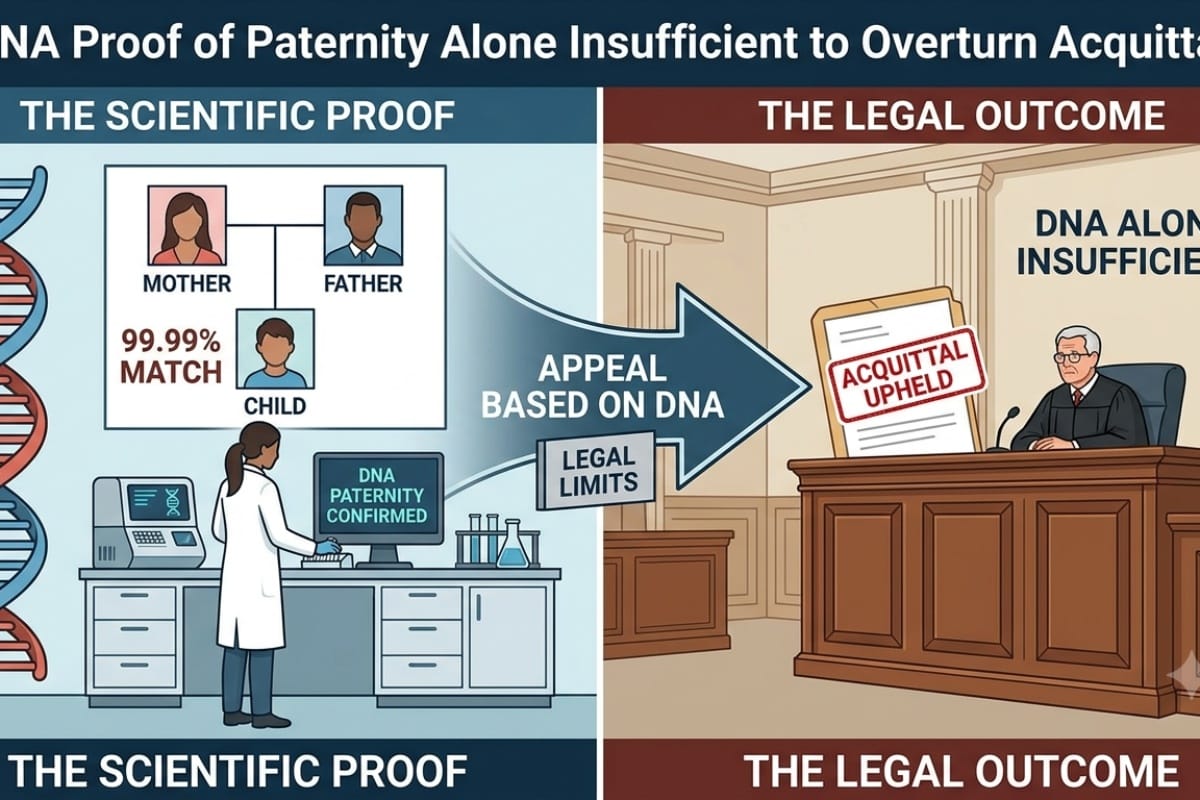
Headnote The Delhi High Court dismissed a prosecutrix's appeal against acquittal of the accused on charges under Sections 328/376 2 n /377/506/509 IPC, despite DNA evidence…
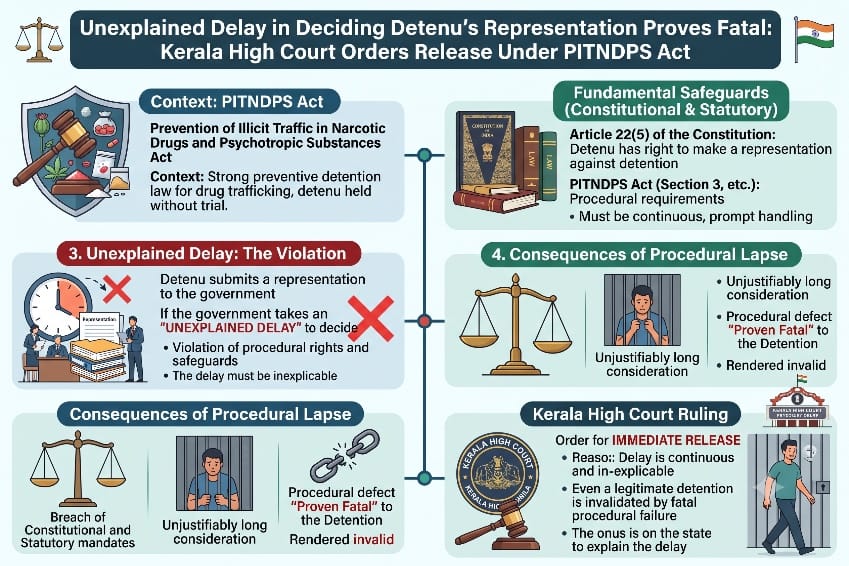
Fathimath Thasneem V.K. v. Union of India and Others | High Court of Kerala at Ernakulam | 3rd September, 2026 A habeas corpus writ petition by the wife of a detenu challenging…

Thasmitha Abukutty v. State of Kerala and Others | High Court of Kerala at Ernakulam | 2nd September, 2026 A writ petition by the wife of a preventive detenu challenging a…
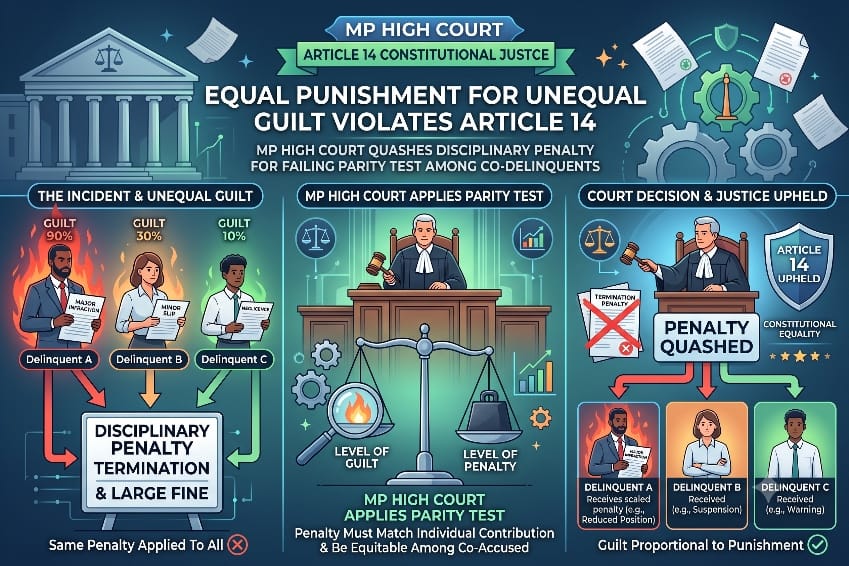
Brahm Kishore Dixit v. The State of Madhya Pradesh and Others | High Court of Madhya Pradesh, Gwalior | 1st September, 2026 A writ petition under Article 226 by a police Assistant…
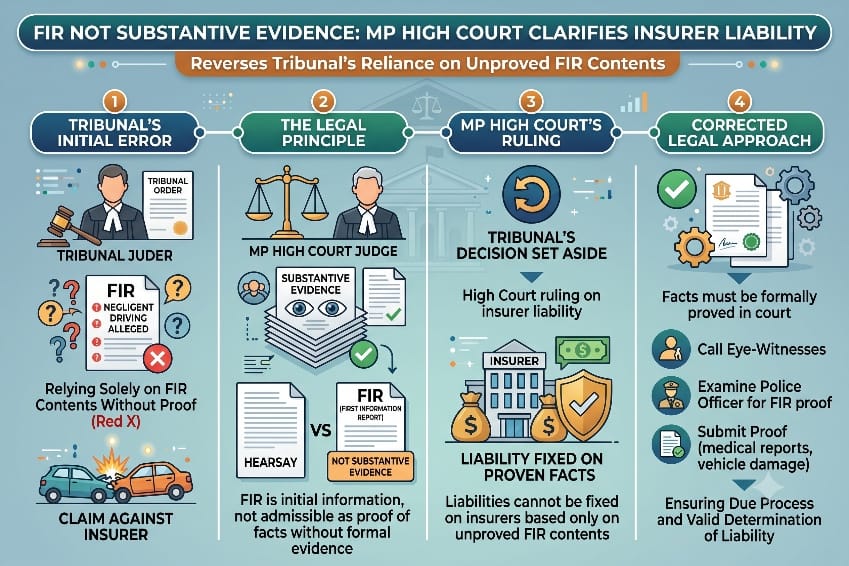
Anil Kumar Patel v. Smt. Munni Bai Barman and Others | High Court of Madhya Pradesh, Jabalpur | 1st September, 2026 A Motor Vehicle Act appeal under Section 173 1 against a Claims…
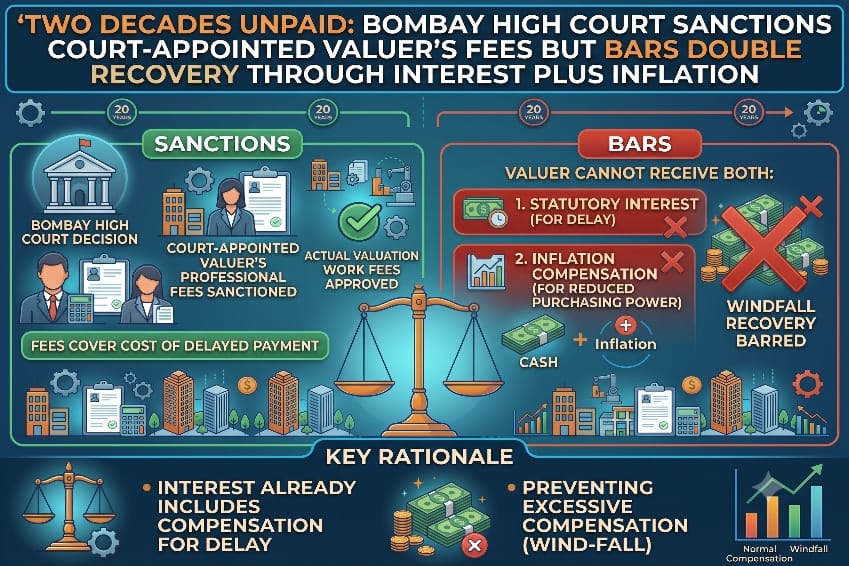
M/s. Kuber Mutual Benefits Ltd. & Ors. v. The State of Maharashtra & Ors. | High Court of Judicature at Bombay Appellate Side | 3rd September, 2026 A Court Receiver's Report…
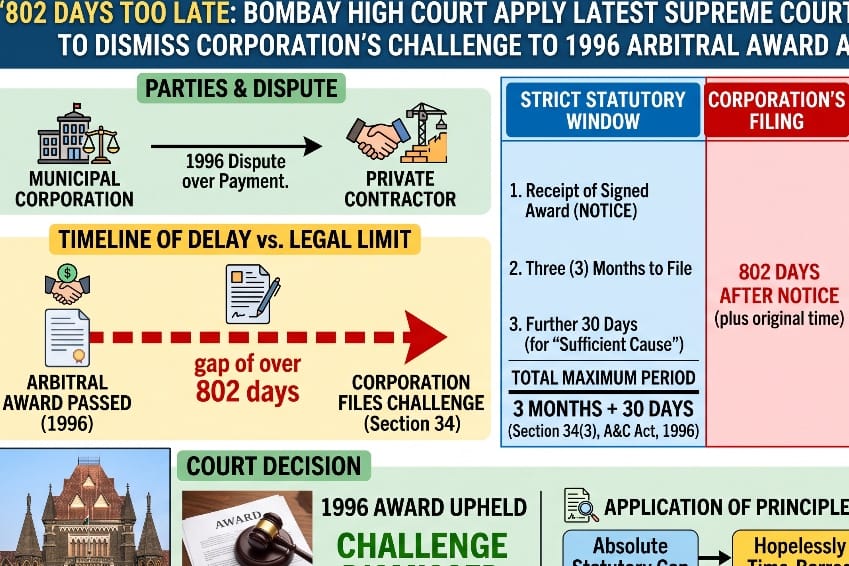
The Municipal Corporation of Greater Bombay v. M/s. Atul Raj Builders Pvt. Ltd. | High Court of Judicature at Bombay Ordinary Original Civil Jurisdiction | 3rd September, 2026 A…

Devender Yadav & Anr. v. Election Commission of India & Anr. | High Court of Delhi Single Judge | Decided on: 03.09.2026 In a challenge to the Election Commission of India's…

Brij Sharadbhai Bhatt & Ors. v. National Medical Commission & Ors. | High Court of Delhi Division Bench | Decided on: 03.09.2026 The Delhi High Court dismissed a challenge by…