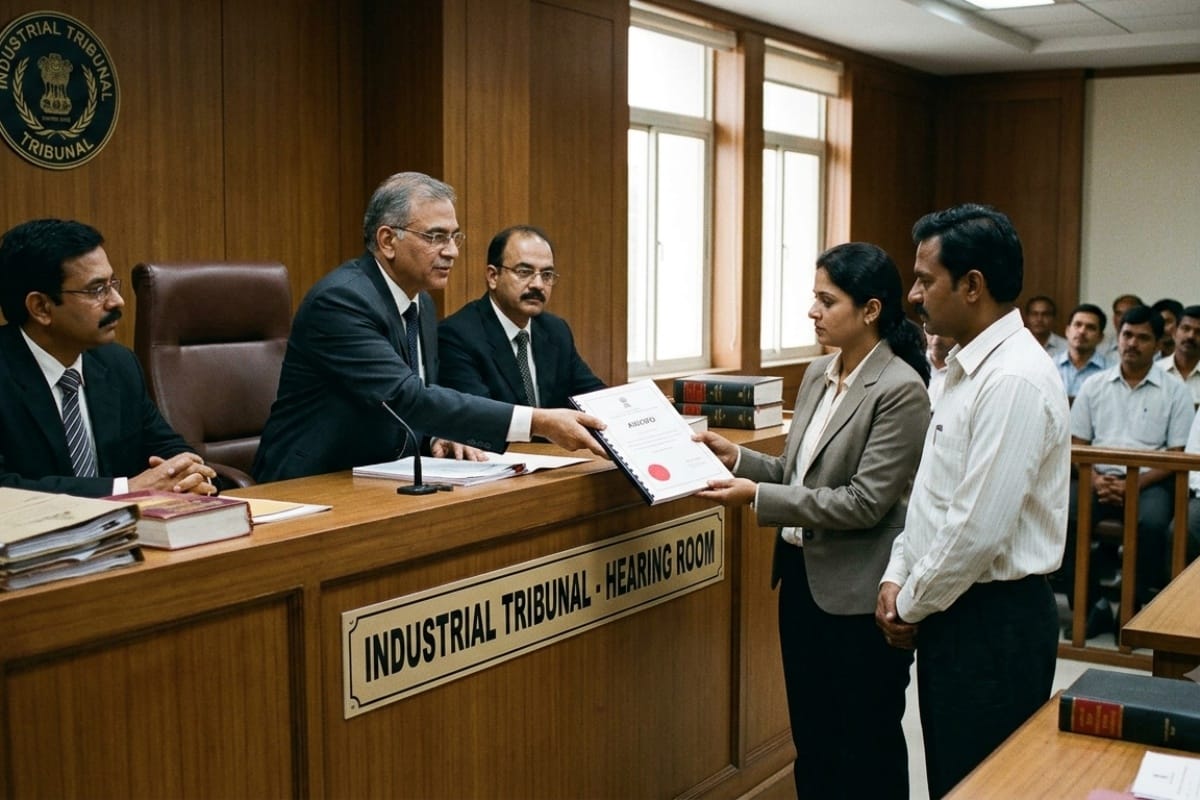
Deciding two connected writ petitions arising from a common Industrial Tribunal Award, the Delhi High Court set aside the Tribunal's direction granting hotel workmen a further…
Labour Laws
06/09/20264 min read
Update / Judgement Date
12 Oct 2025
Source
WCP News Bulletin
Author
Sakshi Bhardwaj — WCP Legal Desk
Reading Time
3 min read
Introduction:
With the enactment of the Bharatiya Nyaya Sanhita (BNS), 2023, India has ushered in a new era of criminal jurisprudence, replacing the Indian Penal Code (IPC) that had been in force since 1860. This transition, effective from July 1, 2024, brings significant changes to the prosecution of cybercrimes, necessitating a comprehensive understanding of the new legal framework.
Key Provisions Addressing Cybercrimes:
The BNS, 2023, introduces several provisions pertinent to cybercrimes:
These provisions align closely with those in the repealed IPC, with enhancements to address the complexities of digital offenses.
Transitional Considerations:
The BNS, 2023, operates prospectively; thus, offenses committed prior to July 1, 2024, remain governed by the IPC. However, the Bharatiya Nagarik Suraksha Sanhita (BNSS), 2023, which replaced the Criminal Procedure Code (CrPC), applies to all offenses, irrespective of when they were committed. This dual application ensures continuity in procedural aspects while updating substantive law to address contemporary challenges.
Challenges in Cybercrime Prosecution:
Despite the advancements introduced by the BNS, several challenges persist:
Recent Case Studies:
Recent cases illustrate the application of the BNS in cybercrime prosecution:
Conclusion:
The Bharatiya Nyaya Sanhita, 2023, marks a significant step forward in India's legal framework, addressing the complexities of cybercrimes in the digital age. While challenges remain, the updated provisions provide a robust foundation for prosecuting cyber offenses. Continuous adaptation and training are essential to effectively combat the evolving landscape of cybercrimes.
Deciding two connected writ petitions arising from a common Industrial Tribunal Award, the Delhi High Court set aside the Tribunal's direction granting hotel workmen a further…
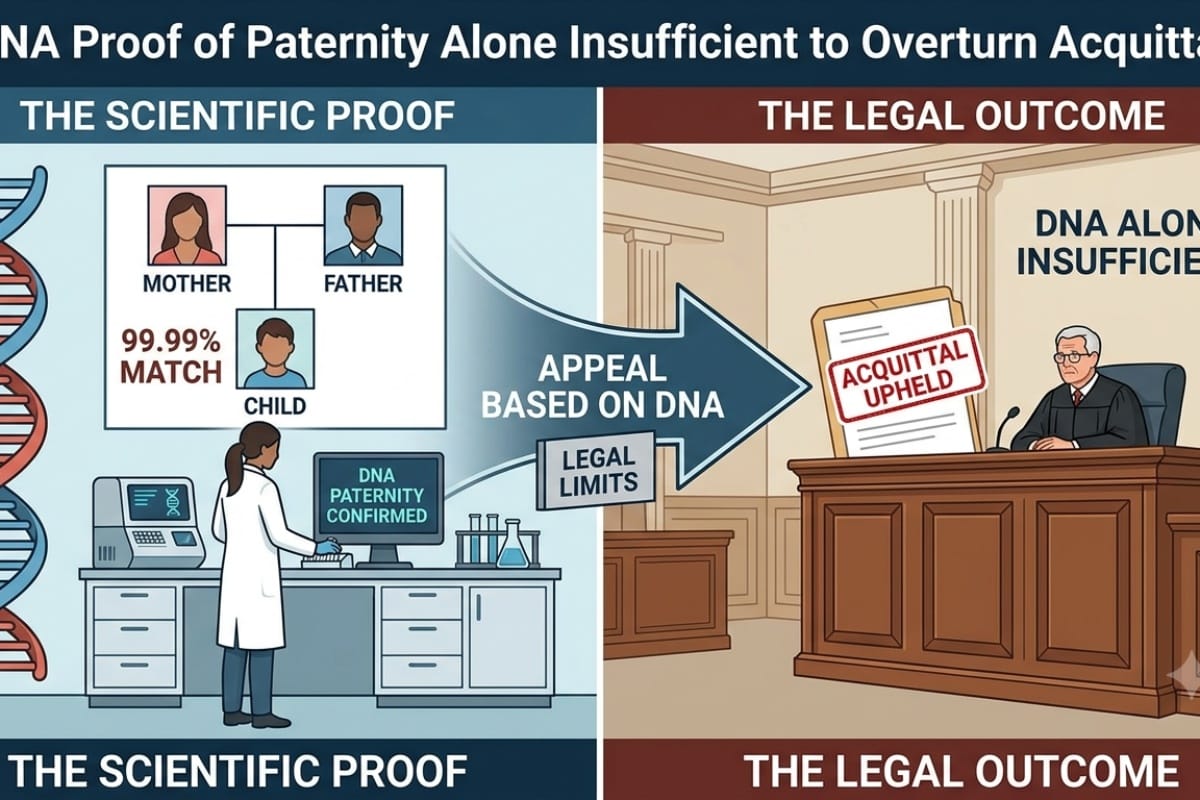
Headnote The Delhi High Court dismissed a prosecutrix's appeal against acquittal of the accused on charges under Sections 328/376 2 n /377/506/509 IPC, despite DNA evidence…
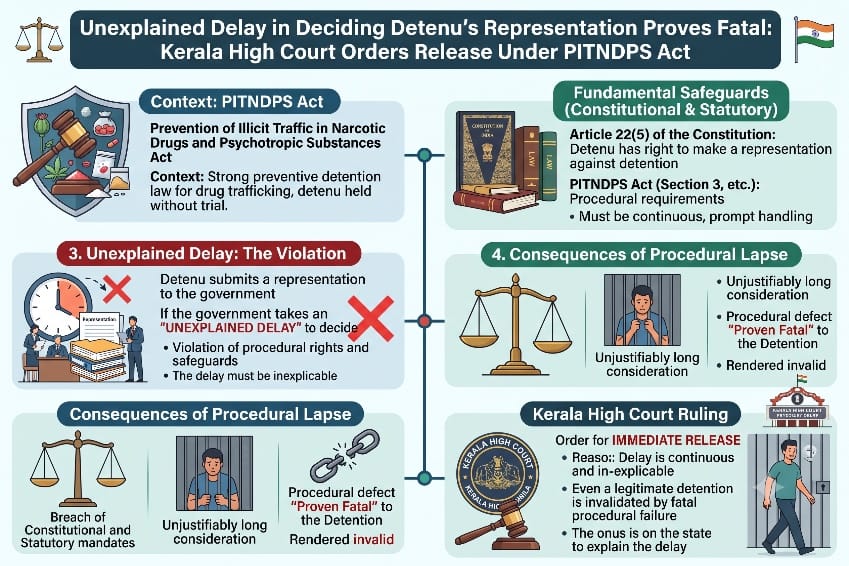
Fathimath Thasneem V.K. v. Union of India and Others | High Court of Kerala at Ernakulam | 3rd September, 2026 A habeas corpus writ petition by the wife of a detenu challenging…
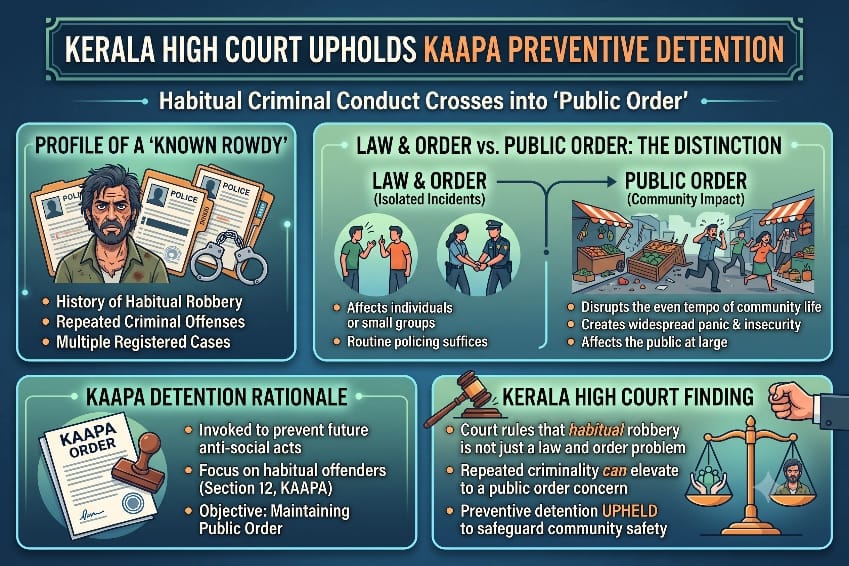
Thasmitha Abukutty v. State of Kerala and Others | High Court of Kerala at Ernakulam | 2nd September, 2026 A writ petition by the wife of a preventive detenu challenging a…
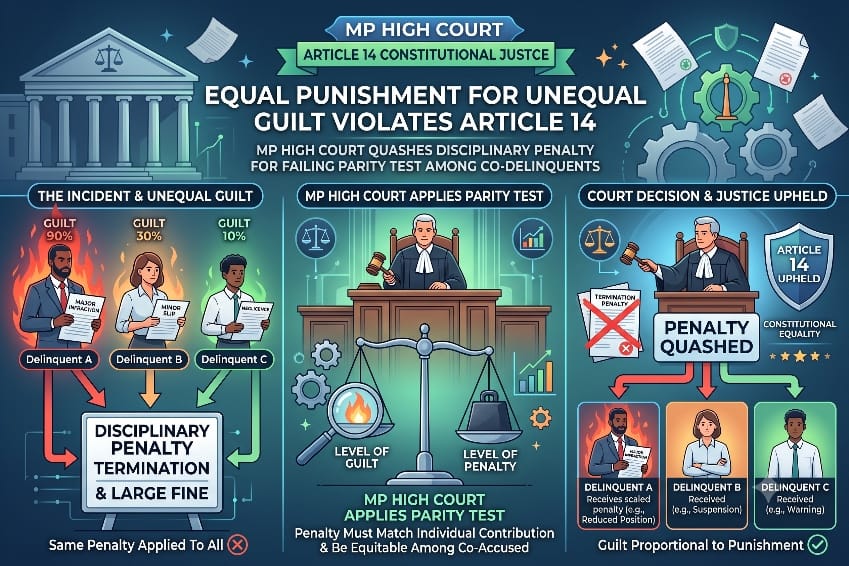
Brahm Kishore Dixit v. The State of Madhya Pradesh and Others | High Court of Madhya Pradesh, Gwalior | 1st September, 2026 A writ petition under Article 226 by a police Assistant…
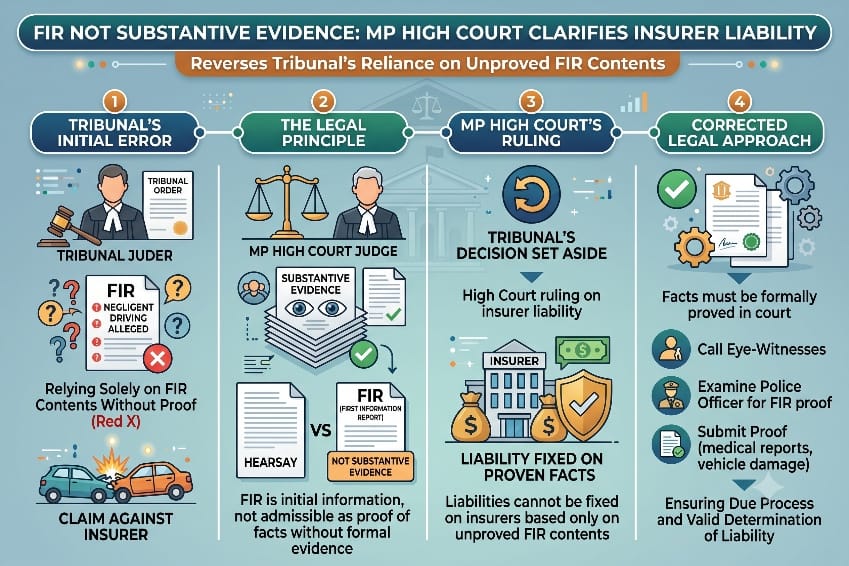
Anil Kumar Patel v. Smt. Munni Bai Barman and Others | High Court of Madhya Pradesh, Jabalpur | 1st September, 2026 A Motor Vehicle Act appeal under Section 173 1 against a Claims…
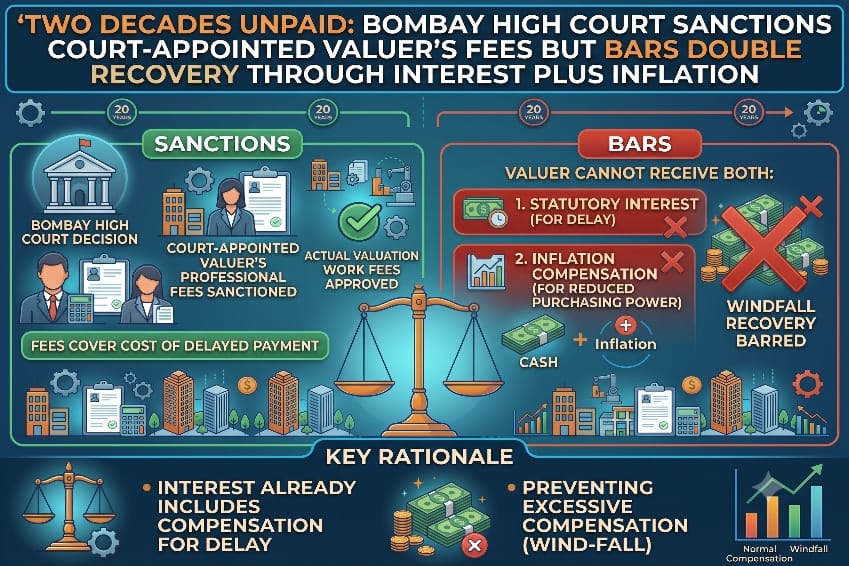
M/s. Kuber Mutual Benefits Ltd. & Ors. v. The State of Maharashtra & Ors. | High Court of Judicature at Bombay Appellate Side | 3rd September, 2026 A Court Receiver's Report…
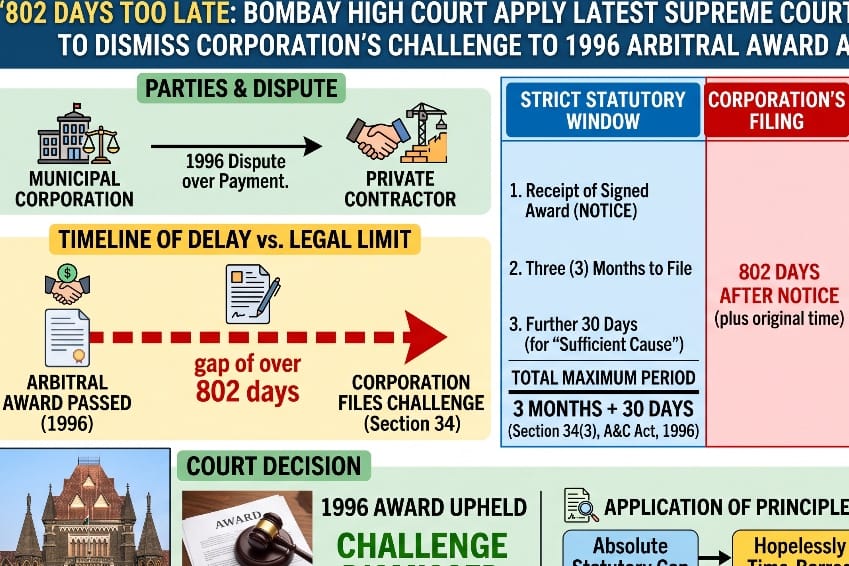
The Municipal Corporation of Greater Bombay v. M/s. Atul Raj Builders Pvt. Ltd. | High Court of Judicature at Bombay Ordinary Original Civil Jurisdiction | 3rd September, 2026 A…
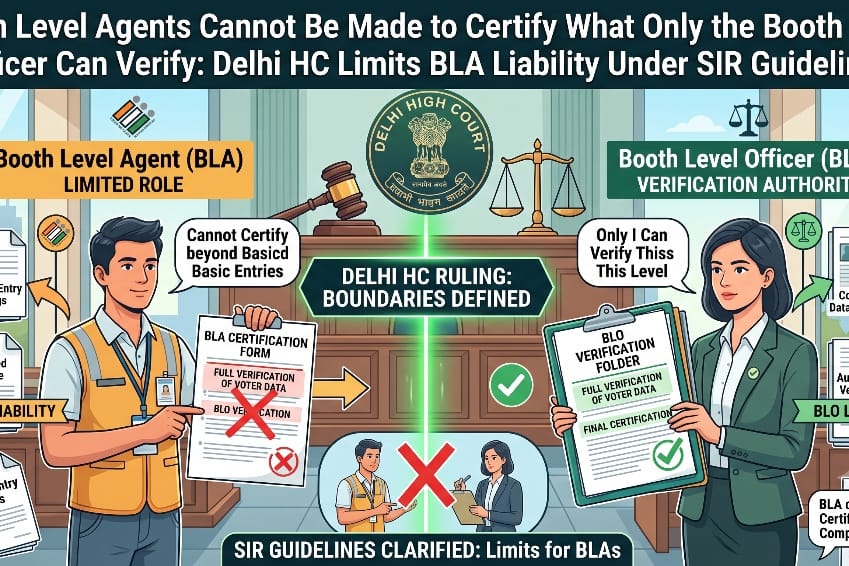
Devender Yadav & Anr. v. Election Commission of India & Anr. | High Court of Delhi Single Judge | Decided on: 03.09.2026 In a challenge to the Election Commission of India's…
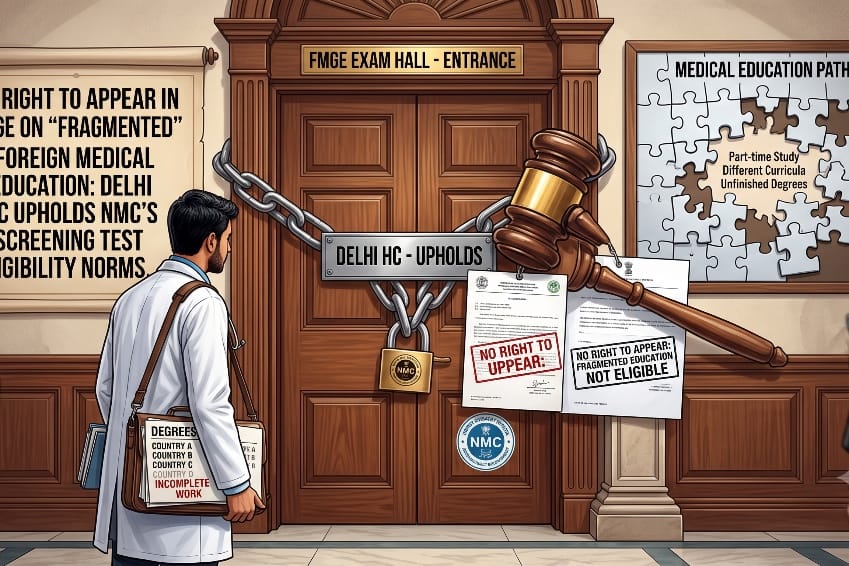
Brij Sharadbhai Bhatt & Ors. v. National Medical Commission & Ors. | High Court of Delhi Division Bench | Decided on: 03.09.2026 The Delhi High Court dismissed a challenge by…