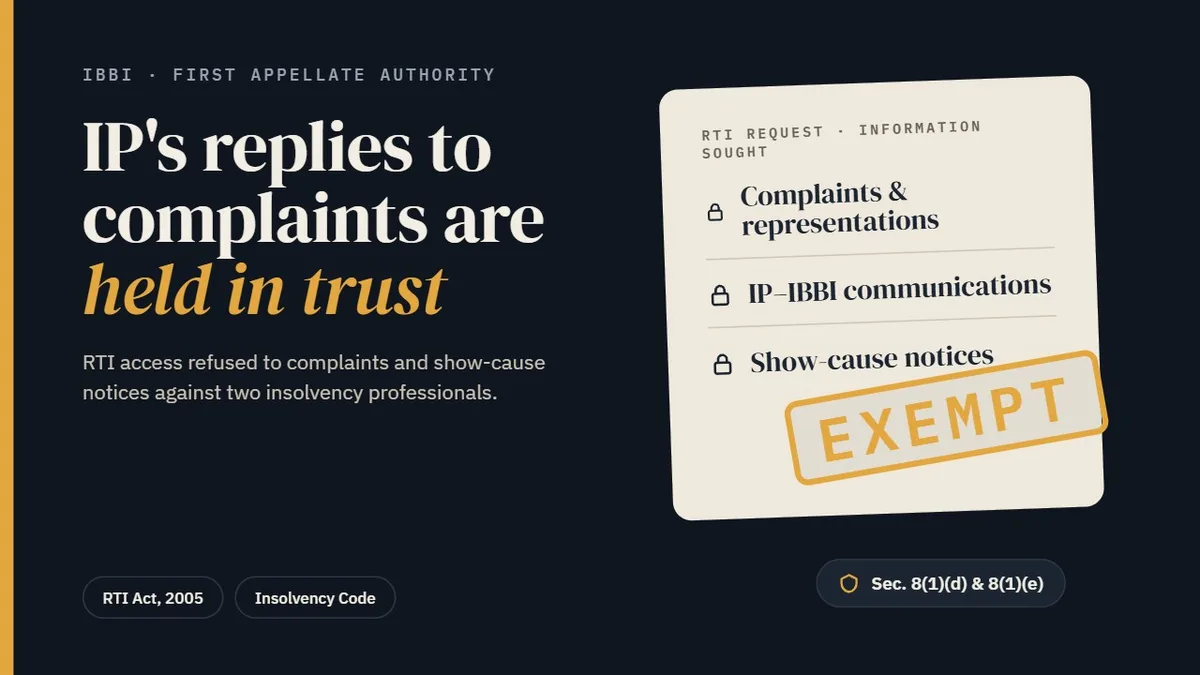
The appellant sought, under the RTI Act, records of complaints and representations received by IBBI, communications between IBBI and the insolvency professionals, and copies of…
Insolvency & Bankruptcy Code
24/11/20264 min read
Update / Judgement Date
07 Oct 2025
Source
WCP News Bulletin
Author
Sakshi Bhardwaj — WCP Legal Desk
Reading Time
2 min read
View Count
Headnote:
The Delhi High Court dismissed the State’s appeal challenging the acquittal of Bhagwan Dass in a 1999 road accident case, holding that the prosecution failed to establish rash or negligent driving under Sections 279 and 304A IPC. The Court observed inconsistencies in eyewitness accounts, lack of corroborative evidence, and the absence of mechanical proof of negligence.
Background:
The appeal arose from the judgment of the Metropolitan Magistrate, Tis Hazari Courts, which acquitted Bhagwan Dass of charges under Sections 279 and 304A IPC for allegedly causing the death of a cyclist, Surjeet Singh, by rash and negligent driving of a tanker truck (DL-1G-9597) in 1999. The prosecution alleged that the respondent struck the cyclist on Rohtak Road, Paschim Vihar, resulting in his death before reaching the hospital. The Trial Court found gaps in the prosecution’s case and extended the benefit of doubt, leading to acquittal. The State appealed under Section 378(1) CrPC.
Court’s Opinion/Analyses:
Justice Manoj Kumar Ohri upheld the acquittal, reiterating that for conviction under Section 304A IPC, the prosecution must prove that the act causing death was performed in a rash or negligent manner. The Court found:
Accordingly, the High Court held that the prosecution failed to establish guilt beyond reasonable doubt and declined to interfere with the acquittal.
Legal Provisions Concerned:
Case Title: State (NCT of Delhi) v. Bhagwan Dass
Case No.: CRL.A. 1173/2016
Judgment Reserved On: 06.10.2025
Pronounced On: 08.10.2025
Court: High Court of Delhi at New Delhi
Coram: Hon’ble Mr. Justice Manoj Kumar Ohri
© 2026 White Collar Professional Technologies Pvt. Ltd. All rights reserved. CIN: U74999MH2024PTC000001
The appellant sought, under the RTI Act, records of complaints and representations received by IBBI, communications between IBBI and the insolvency professionals, and copies of…

IGNOU entrusted recruitment to 200 Junior Assistant-cum-Typist posts to NTA; after a computer-based test 25,094 candidates and a typing test 1,985 candidates , NTA declared 199…
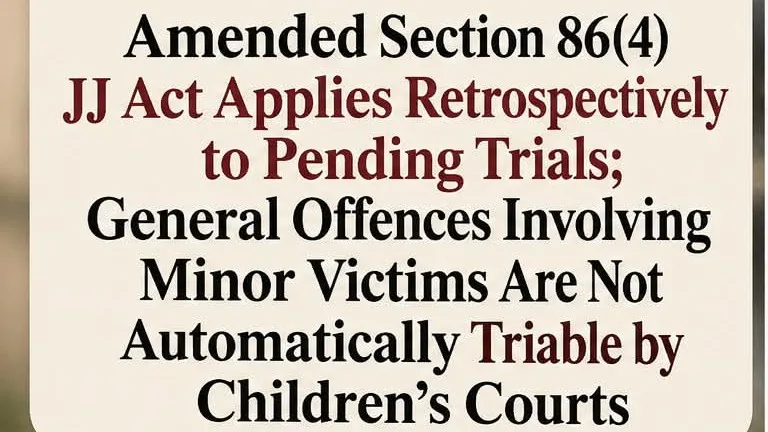
The Delhi High Court considered whether the 2021 amendment inserting Section 86 4 into the Juvenile Justice Care and Protection of Children Act, 2015 applied to trials already…
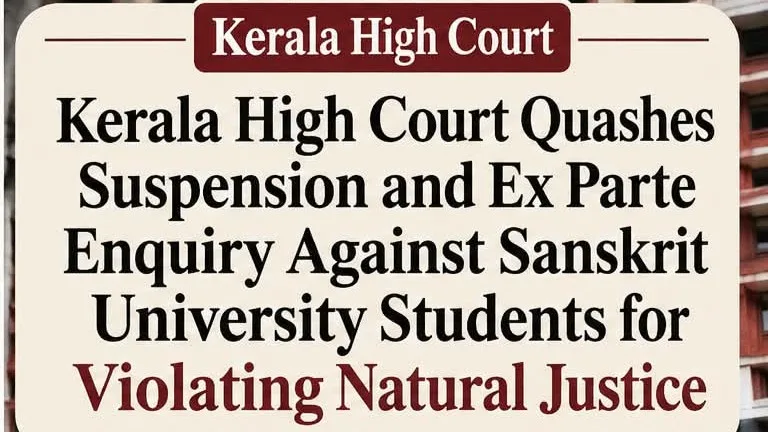
Sixteen students of Sree Sankaracharya University of Sanskrit, Kalady challenged their suspension and subsequent disciplinary punishments arising out of a campus protest during a…
The Kerala High Court held that the custody requirement in Section 306 4 b of the Code of Criminal Procedure, 1973 CrPC applies to a pardon tendered by a Magistrate under Section…

National Testing Agency had applied an incorrect typing-speed threshold and the assessment required correction, the identified discrepancies did not establish that the…
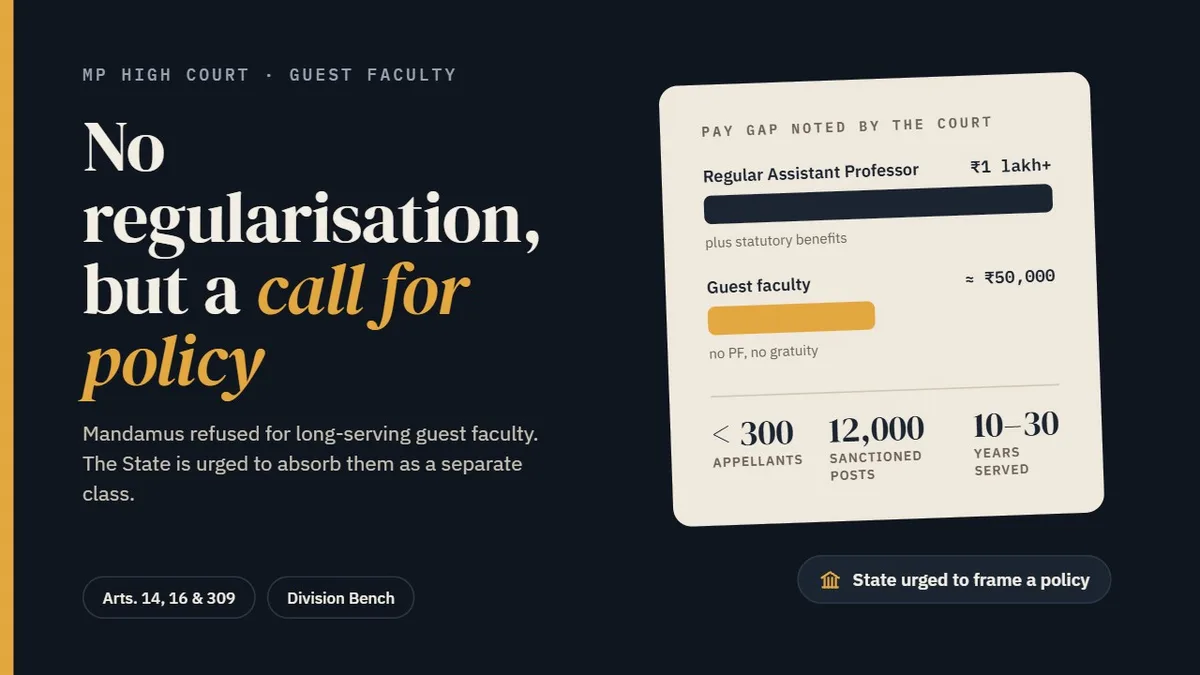
A batch of writ appeals was filed by guest faculty – Assistant Professors, Sports Officers and Librarians engaged after advertisement and selection and serving 10 to 30 years in…
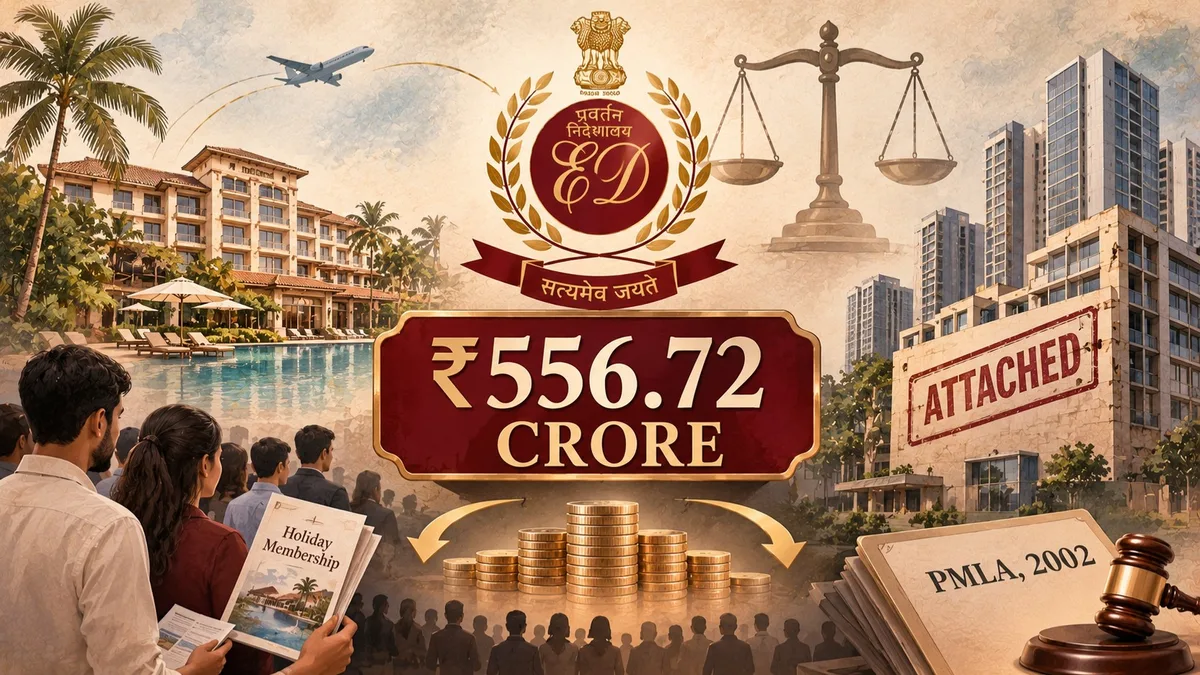
Directorate of Enforcement, Mumbai Zonal Office-I | Draft Press Release | 23 November 2026 The Directorate of Enforcement's draft press release states that its Mumbai Zonal…

The Directorate of Enforcement's draft press release states that its Guwahati Zonal Office-I has provisionally attached movable and immovable properties valued at ₹70.09 lakh in a…

The National Company Law Tribunal, New Delhi Court-IV, approved a resolution plan valued at ₹30.90 crore for Shyam Indofab Private Limited on 8 September 2026. The plan, submitted…