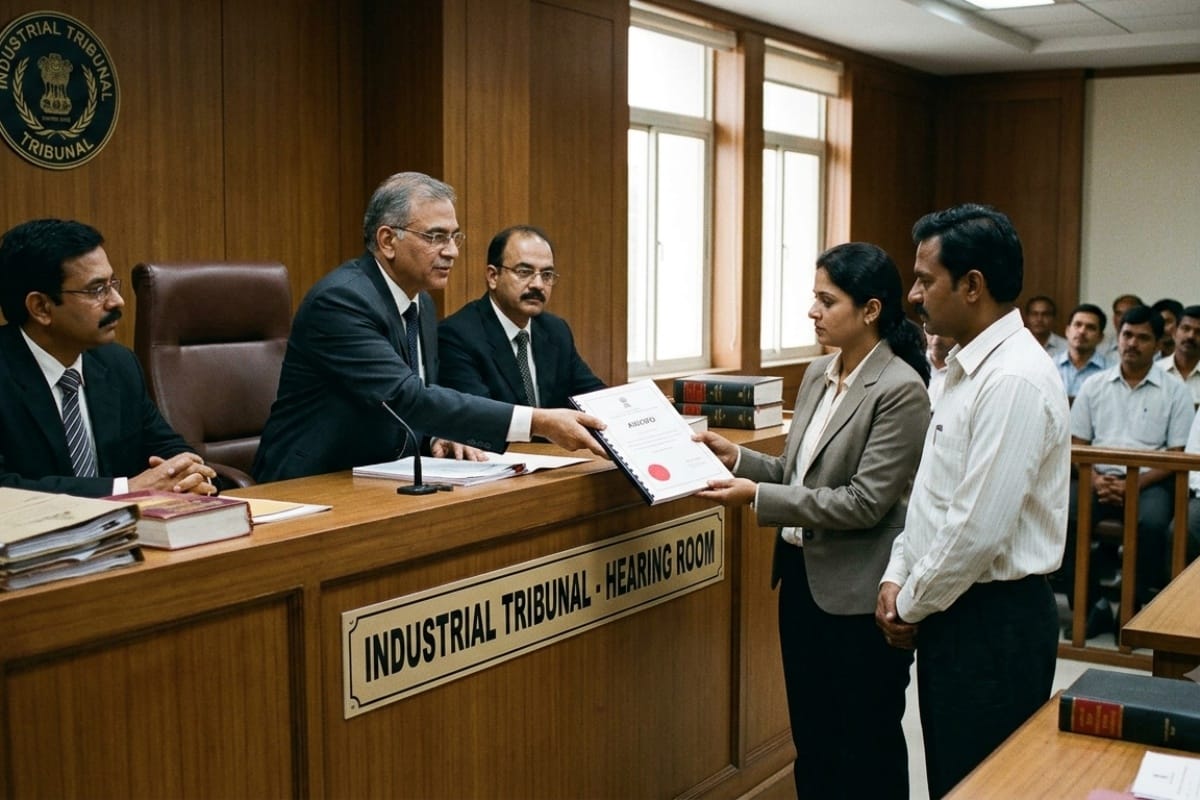
Deciding two connected writ petitions arising from a common Industrial Tribunal Award, the Delhi High Court set aside the Tribunal's direction granting hotel workmen a further…
Labour Laws
06/09/20264 min read
Update / Judgement Date
03 Nov 2025
Source
WCP News Bulletin
Author
Sakshi Bhardwaj — WCP Legal Desk
Reading Time
4 min read
The High Court held that the phrase “coercive measures” used by the Bench in an earlier order did not automatically encompass all investigative steps such as freezing of bank accounts. It clarified that the term must be interpreted contextually — in that order, it related only to custodial interrogation/arrest, not blanket suspension of investigation powers. Freezing of accounts under Section 106 of the Bharatiya Nagarik Suraksha Sanhita, 2023 (BNSS) was distinguished from “attachment” (Section 107) and did not fall within the earlier order’s restraint without the court’s specific direction.
• The petitioner was under investigation in FIR No. 0089/2024 dated 11 July 2024 at the EOW Delhi, for offences alleged under Sections 406 and 420 of the Indian Penal Code, 1860 (IPC).
• On 10 January 2025, while issuing notice on the petitioner’s petition under Section 528 of the BNSS seeking quashing of the FIR, the High Court recorded that the petitioner was joining investigation and that the investigating officer did not require his custodial interrogation. The court further recorded: “If and when the I.O. requires to adopt any coercive measures against the petitioner, he would move an appropriate application before this court prior to taking any such action.”
• Subsequently, the I.O. froze several bank accounts belonging to the petitioner and associated companies by issuing bank notices under Section 106 of the BNSS. The petitioner sought un-freezing of the accounts (CRL.M.A. 27925/2025) contending that freezing amounted to “coercive measures” and thus required prior court permission under the 10 January order.
• The issue was referred to the Bench for clarification of what the phrase “coercive measures” meant in the earlier order.
• The court noted that the phrase “coercive measures” or “coercive steps” has no rigid or predetermined meaning in jurisprudence; its scope depends on context and the nature of proceedings.
• The Court held that simply employing the phrase in an order does not automatically stay investigation or restrain all actions by the investigating agency. In the present case, the earlier order did not mention freezing of bank accounts or attachment of property.
• It distinguished between freezing under Section 106 BNSS (notice to bank to hold funds) and attachment under Section 107 BNSS (formal show-cause notice and attachment order) and held that freezing under Section 106 didn’t inherently fall within “coercive measures” as used in the earlier order.
• The Court emphasised that when a High Court grants interim orders of “no coercive steps”, ambiguity should be avoided: the terms must be clearly defined and the investigation should not be hampered. The case law of the Supreme Court of India in Neeharika Infrastructure (P) Ltd. v. State of Maharashtra was cited, which holds that the power of the police to investigate cannot be unduly restricted without reasons.
• Applying that principle, the Court clarified that the 10 January 2025 order was limited to the petitioner’s custodial interrogation/arrest; it did not restrain the investigation process, seizure or freezing of accounts under BNSS.
• The petitioner’s contention that freezing of accounts required prior court permission was rejected. The Court concluded the earlier order did not cover such “coercive measures” and no stay of investigation was recorded.
• Section 106, Bharatiya Nagarik Suraksha Sanhita, 2023 (BNSS) – Power to issue notice to bank and freeze accounts during investigation.
• Section 107, BNSS – Power of attachment of property where it is alleged or suspected to have been acquired by commission of offence; requires show-cause notice and opportunity of hearing.
• Sections 406 & 420, Indian Penal Code, 1860 – Criminal breach of trust and cheating respectively.
• The jurisprudence on “no coercive steps / measures” orders from the Supreme Court, especially Neeharika Infrastructure (2021 19 SCC 401), was applied.
Citation: 2025:DHC:CRL.M.C.103/2025
Case: Satya Prakash Bagla v. State & Ors.
Court: High Court of Delhi at New Delhi
Coram: Justice Anup Jairam Bhambhani
Date of Decision: 3 November 2025
Writ Petition (Crl.) No.: CRL.M.C. 103/2025
Deciding two connected writ petitions arising from a common Industrial Tribunal Award, the Delhi High Court set aside the Tribunal's direction granting hotel workmen a further…
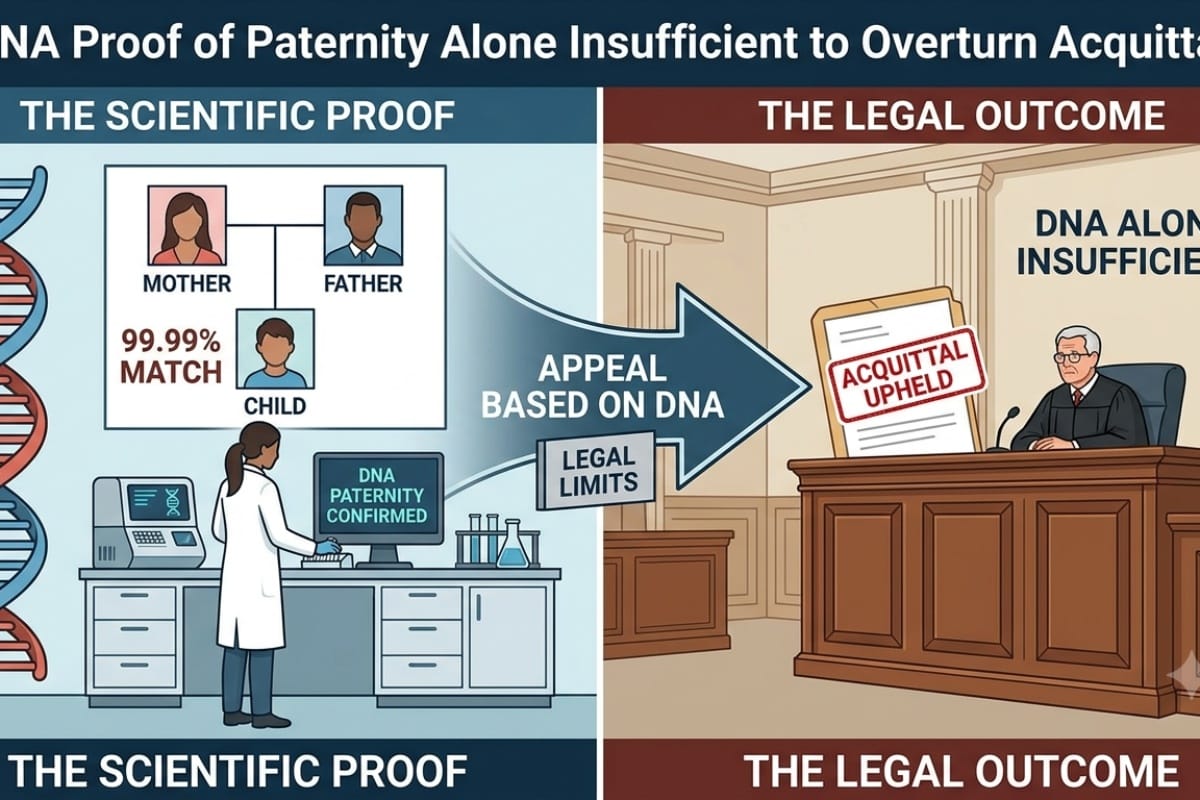
Headnote The Delhi High Court dismissed a prosecutrix's appeal against acquittal of the accused on charges under Sections 328/376 2 n /377/506/509 IPC, despite DNA evidence…
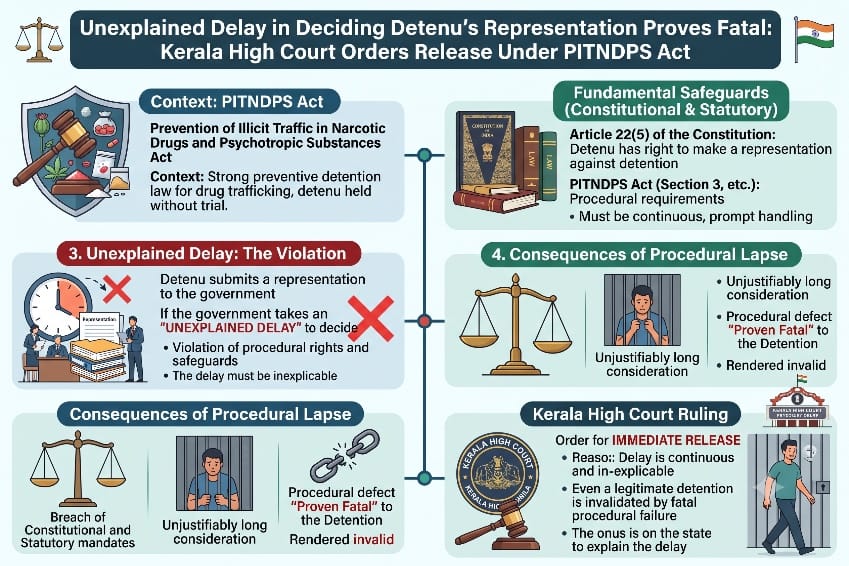
Fathimath Thasneem V.K. v. Union of India and Others | High Court of Kerala at Ernakulam | 3rd September, 2026 A habeas corpus writ petition by the wife of a detenu challenging…
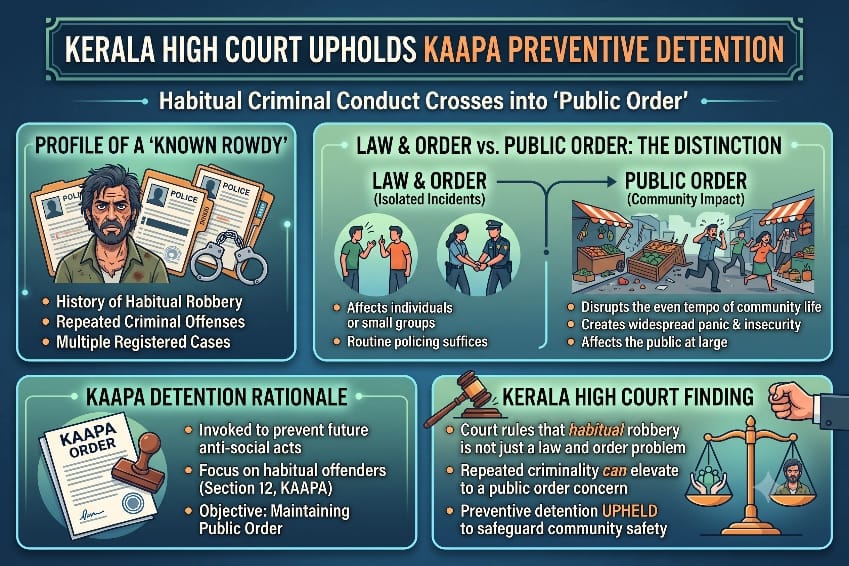
Thasmitha Abukutty v. State of Kerala and Others | High Court of Kerala at Ernakulam | 2nd September, 2026 A writ petition by the wife of a preventive detenu challenging a…
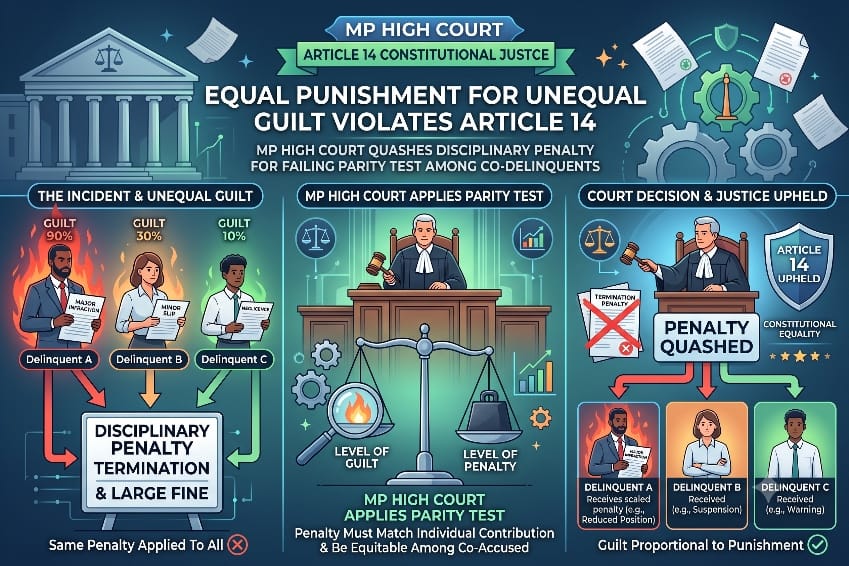
Brahm Kishore Dixit v. The State of Madhya Pradesh and Others | High Court of Madhya Pradesh, Gwalior | 1st September, 2026 A writ petition under Article 226 by a police Assistant…
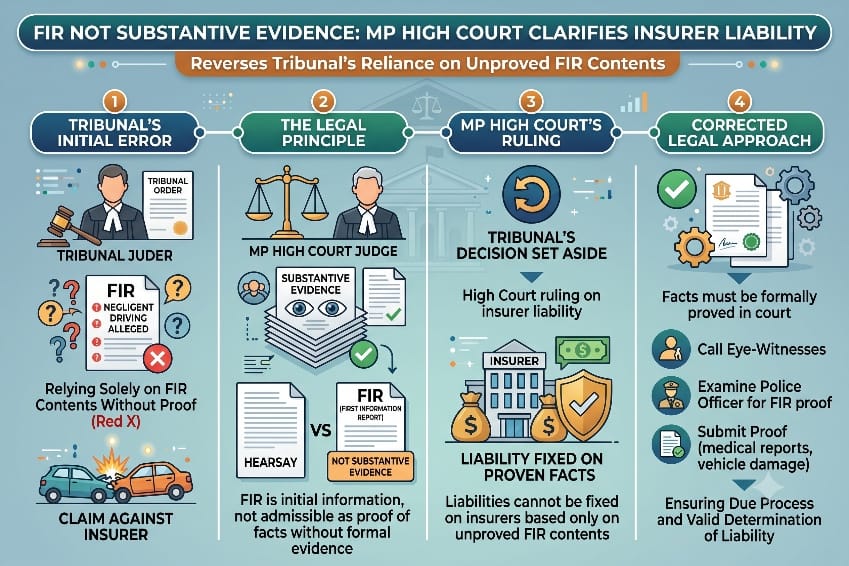
Anil Kumar Patel v. Smt. Munni Bai Barman and Others | High Court of Madhya Pradesh, Jabalpur | 1st September, 2026 A Motor Vehicle Act appeal under Section 173 1 against a Claims…
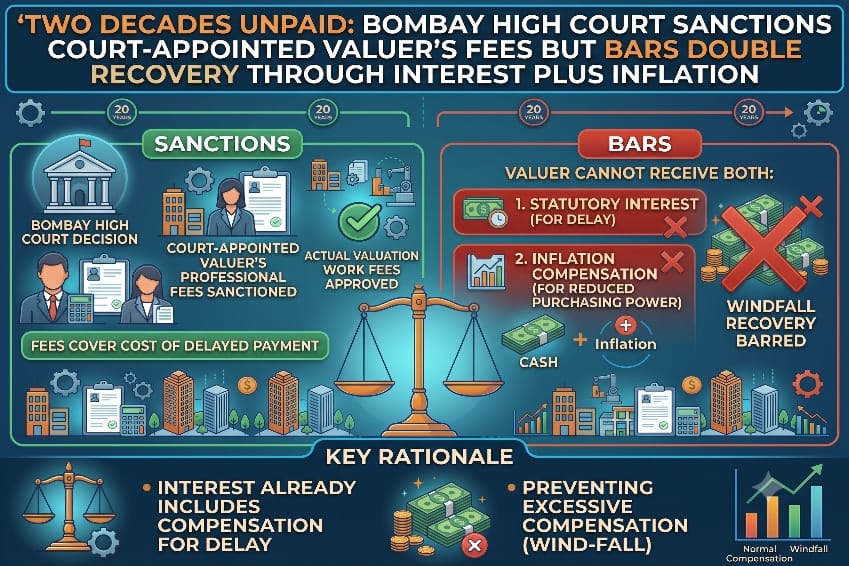
M/s. Kuber Mutual Benefits Ltd. & Ors. v. The State of Maharashtra & Ors. | High Court of Judicature at Bombay Appellate Side | 3rd September, 2026 A Court Receiver's Report…
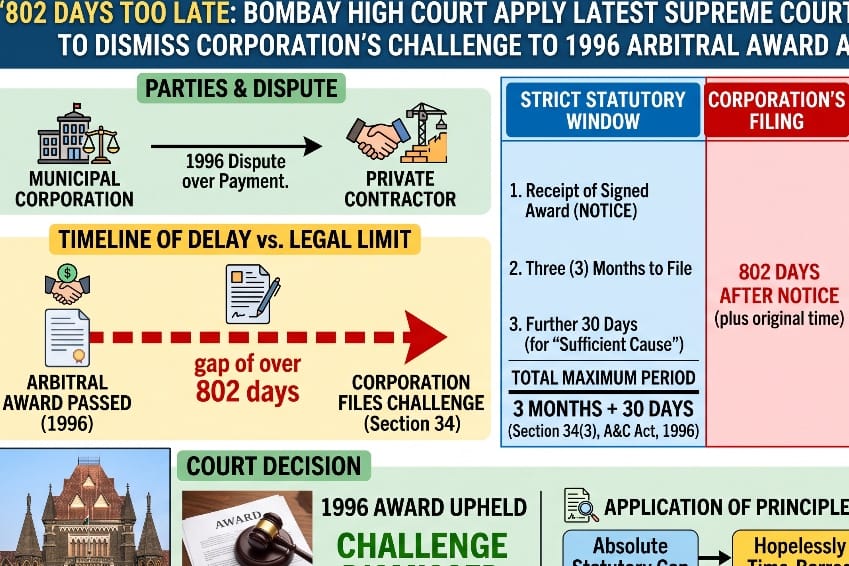
The Municipal Corporation of Greater Bombay v. M/s. Atul Raj Builders Pvt. Ltd. | High Court of Judicature at Bombay Ordinary Original Civil Jurisdiction | 3rd September, 2026 A…
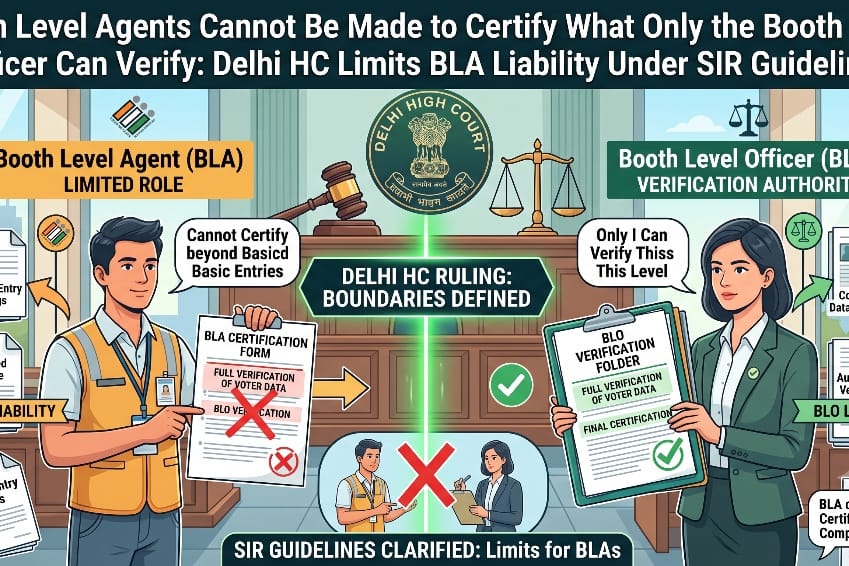
Devender Yadav & Anr. v. Election Commission of India & Anr. | High Court of Delhi Single Judge | Decided on: 03.09.2026 In a challenge to the Election Commission of India's…
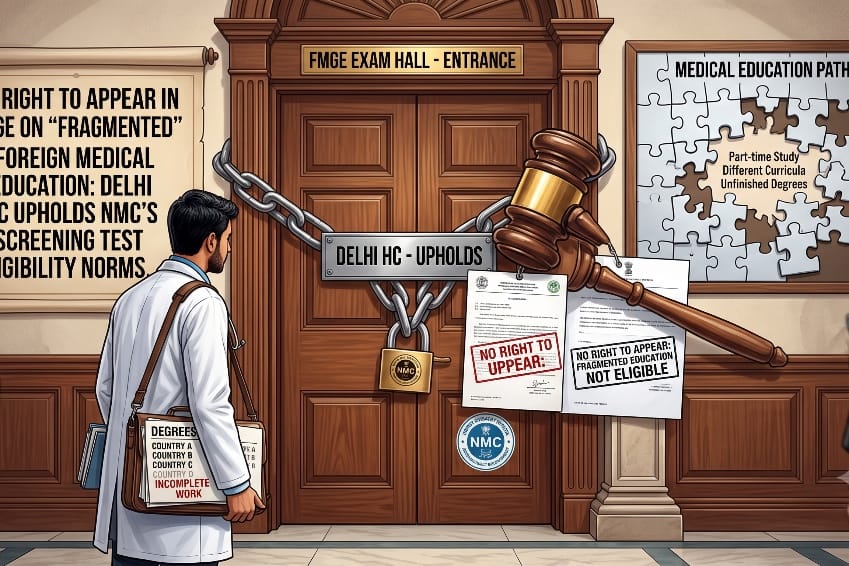
Brij Sharadbhai Bhatt & Ors. v. National Medical Commission & Ors. | High Court of Delhi Division Bench | Decided on: 03.09.2026 The Delhi High Court dismissed a challenge by…