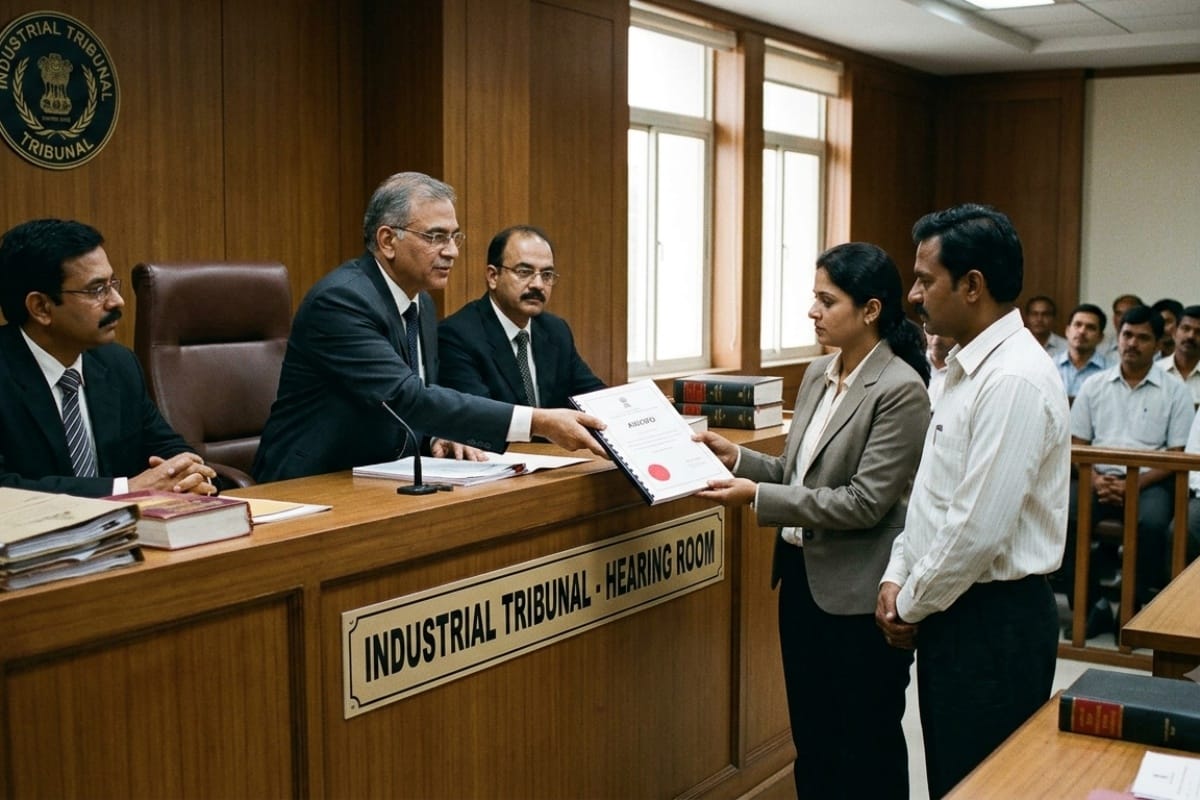
Deciding two connected writ petitions arising from a common Industrial Tribunal Award, the Delhi High Court set aside the Tribunal's direction granting hotel workmen a further…
Labour Laws
06/09/20264 min read
Update / Judgement Date
05 Oct 2025
Source
WCP News Bulletin
Author
Sakshi Bhardwaj — WCP Legal Desk
Reading Time
2 min read
Headnote:
Compassionate allowance — Rule 41 of CCS (Pension) Rules — Dismissal from CRPF service for unauthorised absence — Petitioner sought compassionate allowance — Authority rejected citing lack of eligibility — High Court held that absence of corruption, moral turpitude, or dishonesty made petitioner’s case deserving of special consideration — Rejection order quashed — Directed payment within six weeks with 9% interest on delay.
Background:
Ajit Singh, serving as Constable (GD) in the CRPF, was dismissed from service on 2 February 2008 for unauthorised absence of ten days. His earlier challenges before the High Court and Supreme Court failed. Subsequently, he sought compassionate allowance under Rule 41 of the CCS (Pension) Rules, which allows limited pensionary relief to dismissed employees in deserving cases. Despite a previous High Court direction to reconsider his claim in light of Mahinder Dutt Sharma, the competent authority again rejected his representation on 18 September 2021, prompting this writ petition.
Legal Provision Concerned:
Rule 41, Central Civil Services (Pension) Rules, 1972:
A dismissed or removed government servant may, in cases deserving special consideration, be granted compassionate allowance up to two-thirds of the pension or gratuity admissible on superannuation.
Court’s Opinion / Analysis:
The Court held that Rule 41 represents a discretionary, equitable relief grounded in compassion, not punishment. It distinguished minor misconduct like temporary absence from grave moral or corrupt acts that may disqualify an employee. The Bench found the rejection order unsustainable, noting that the authority failed to apply the humanitarian intent of the rule.
Drawing parallels with Usha Devi v. UOI and Raj Kumari v. GNCTD, the Court reaffirmed that absence without leave, though a disciplinary lapse, cannot automatically negate consideration under Rule 41. It concluded that Ajit Singh’s case warranted special consideration, given the absence of moral blameworthiness and the prolonged delay in relief.
Case Title: Ex CT/GD Ajit Singh v. Union of India & Ors.
Court: High Court of Delhi
Coram: Hon’ble Mr. Justice C. Hari Shankar & Hon’ble Mr. Justice Ajay Digpaul
Date of Decision: 6 October 2025
Citation: W.P.(C) 12101/2021
Deciding two connected writ petitions arising from a common Industrial Tribunal Award, the Delhi High Court set aside the Tribunal's direction granting hotel workmen a further…
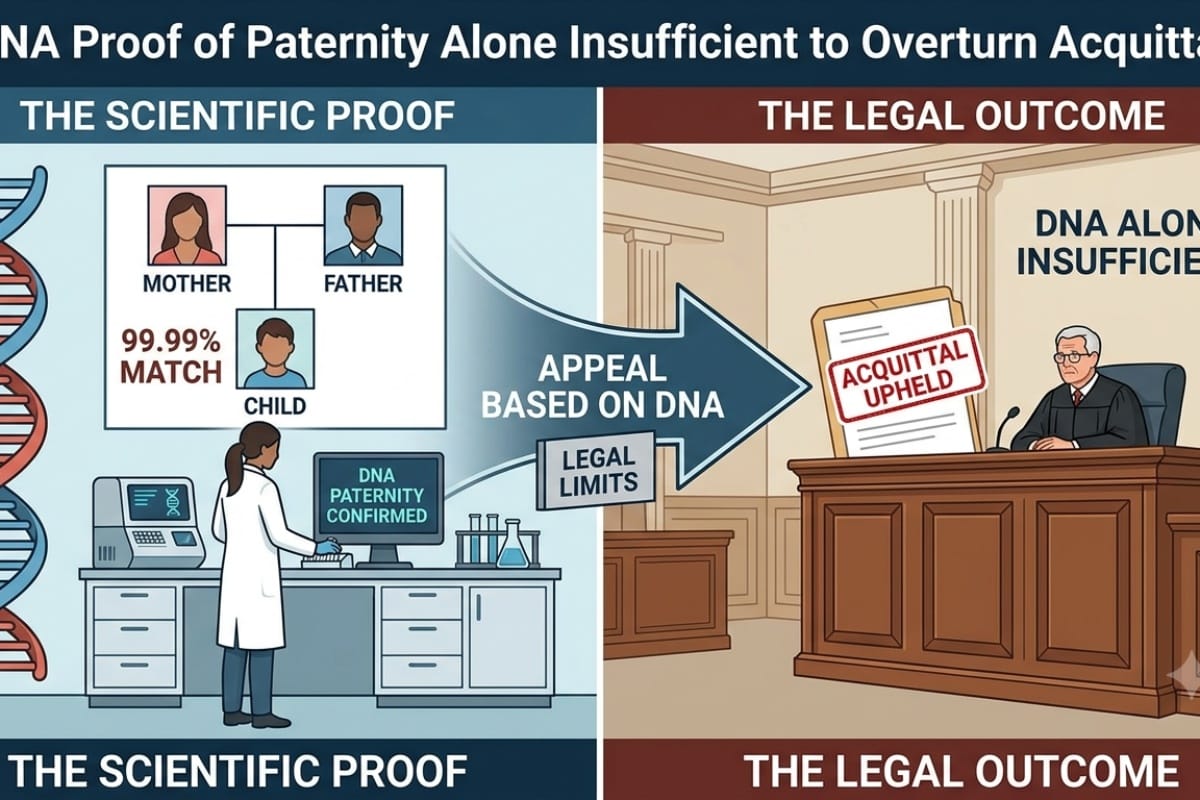
Headnote The Delhi High Court dismissed a prosecutrix's appeal against acquittal of the accused on charges under Sections 328/376 2 n /377/506/509 IPC, despite DNA evidence…
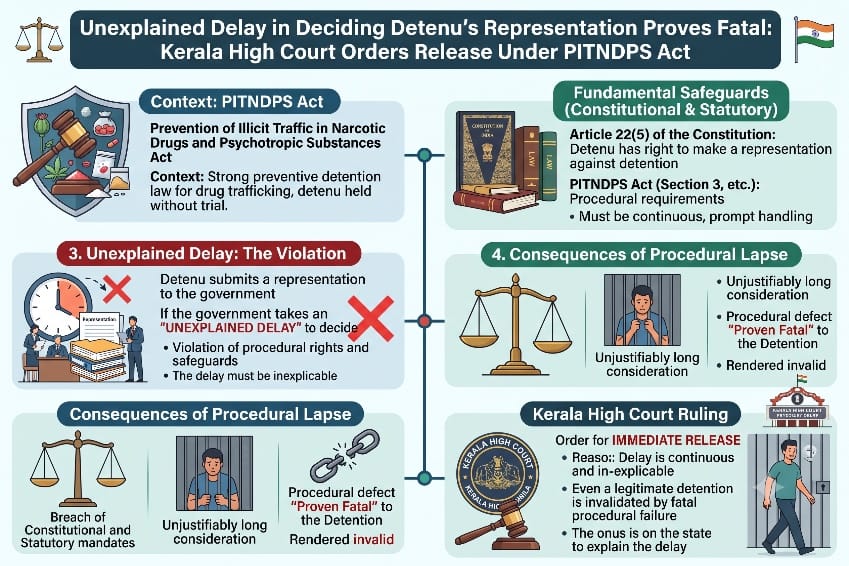
Fathimath Thasneem V.K. v. Union of India and Others | High Court of Kerala at Ernakulam | 3rd September, 2026 A habeas corpus writ petition by the wife of a detenu challenging…
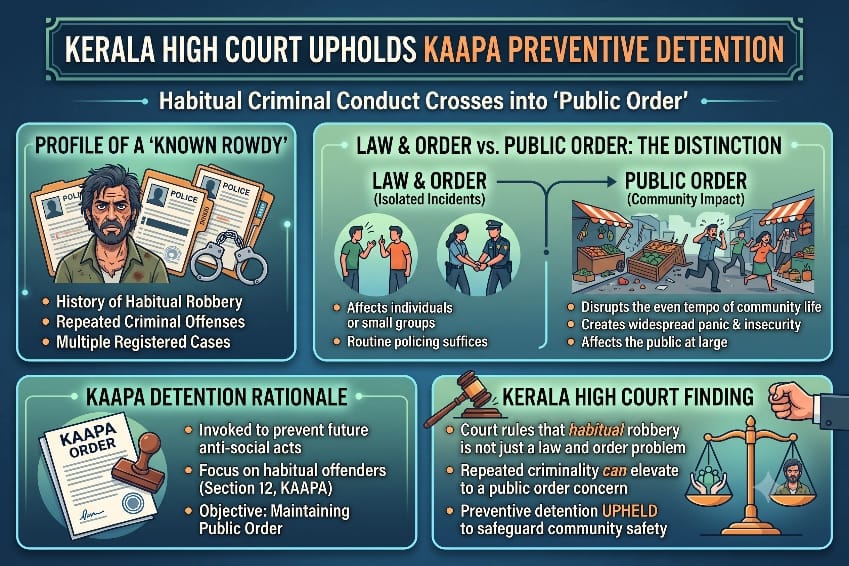
Thasmitha Abukutty v. State of Kerala and Others | High Court of Kerala at Ernakulam | 2nd September, 2026 A writ petition by the wife of a preventive detenu challenging a…
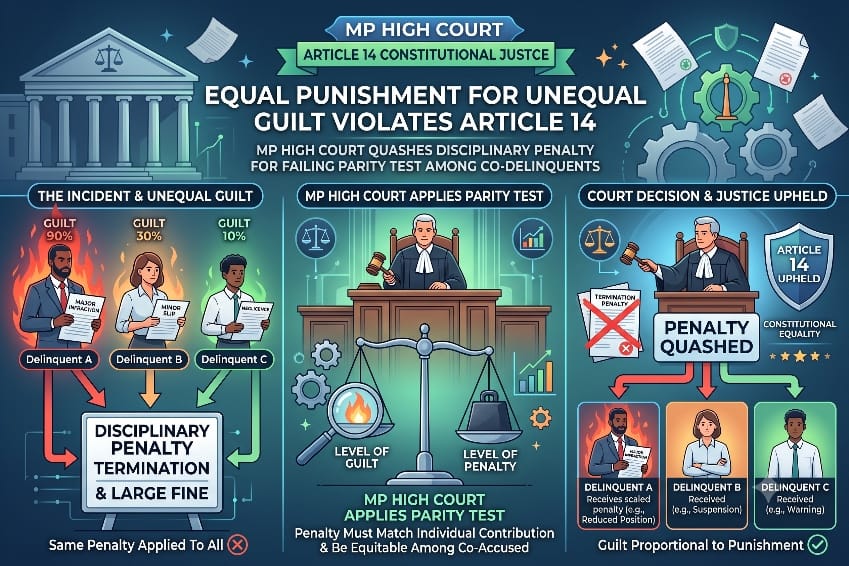
Brahm Kishore Dixit v. The State of Madhya Pradesh and Others | High Court of Madhya Pradesh, Gwalior | 1st September, 2026 A writ petition under Article 226 by a police Assistant…
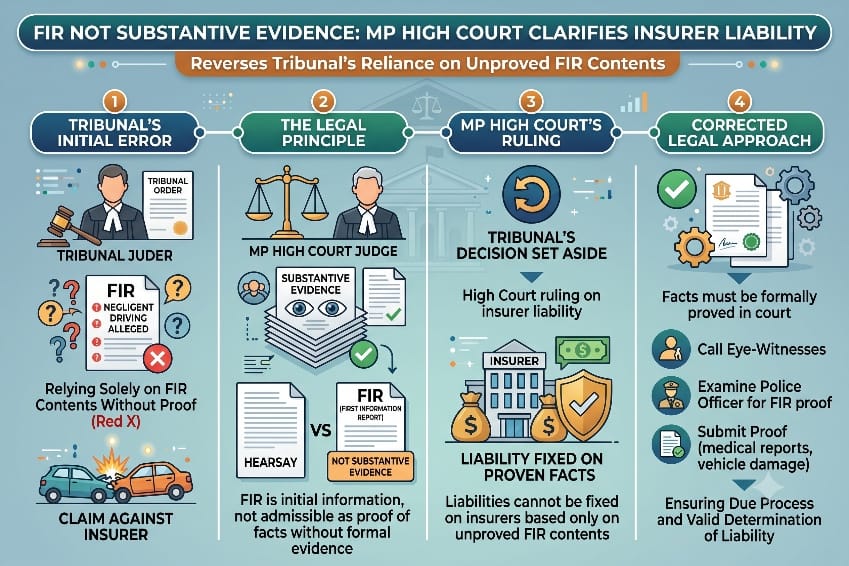
Anil Kumar Patel v. Smt. Munni Bai Barman and Others | High Court of Madhya Pradesh, Jabalpur | 1st September, 2026 A Motor Vehicle Act appeal under Section 173 1 against a Claims…
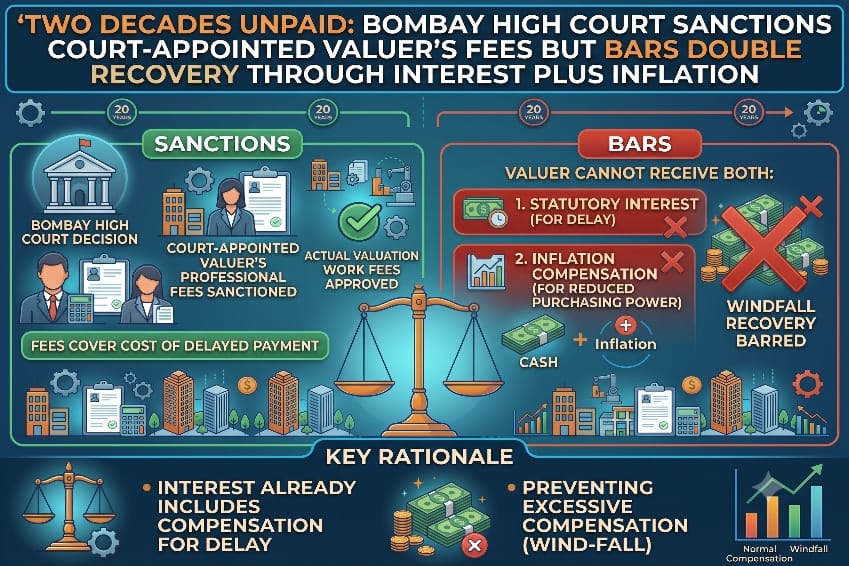
M/s. Kuber Mutual Benefits Ltd. & Ors. v. The State of Maharashtra & Ors. | High Court of Judicature at Bombay Appellate Side | 3rd September, 2026 A Court Receiver's Report…
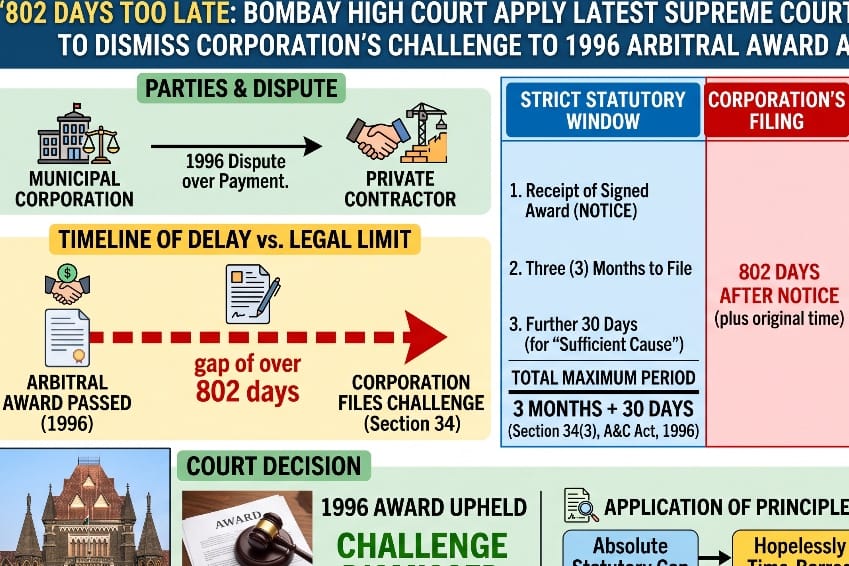
The Municipal Corporation of Greater Bombay v. M/s. Atul Raj Builders Pvt. Ltd. | High Court of Judicature at Bombay Ordinary Original Civil Jurisdiction | 3rd September, 2026 A…
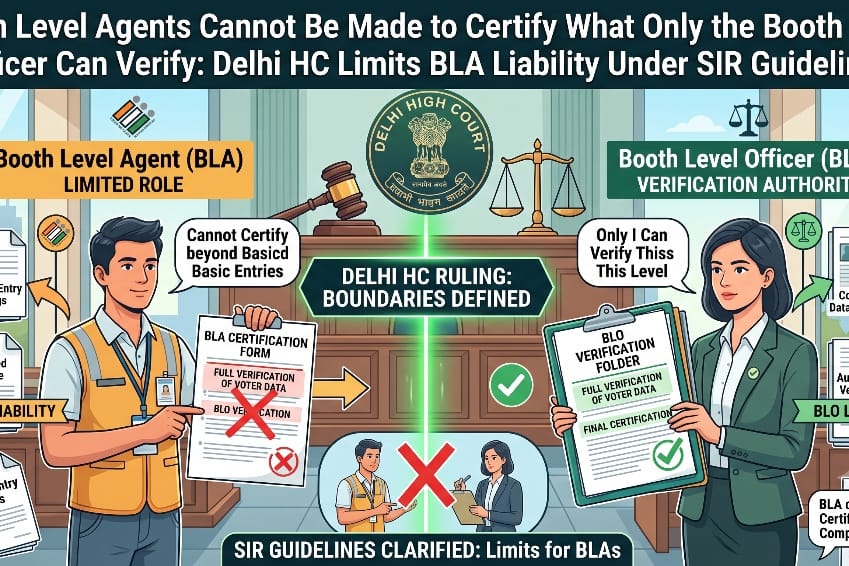
Devender Yadav & Anr. v. Election Commission of India & Anr. | High Court of Delhi Single Judge | Decided on: 03.09.2026 In a challenge to the Election Commission of India's…
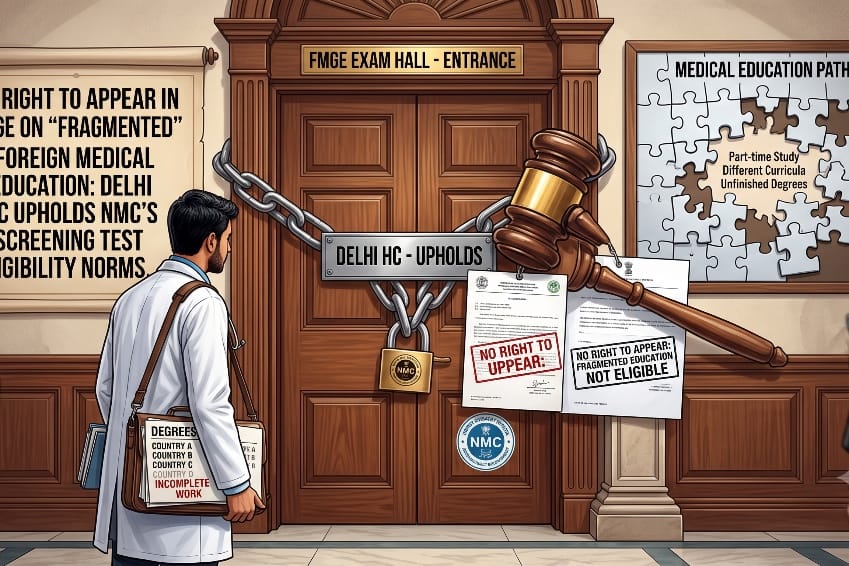
Brij Sharadbhai Bhatt & Ors. v. National Medical Commission & Ors. | High Court of Delhi Division Bench | Decided on: 03.09.2026 The Delhi High Court dismissed a challenge by…