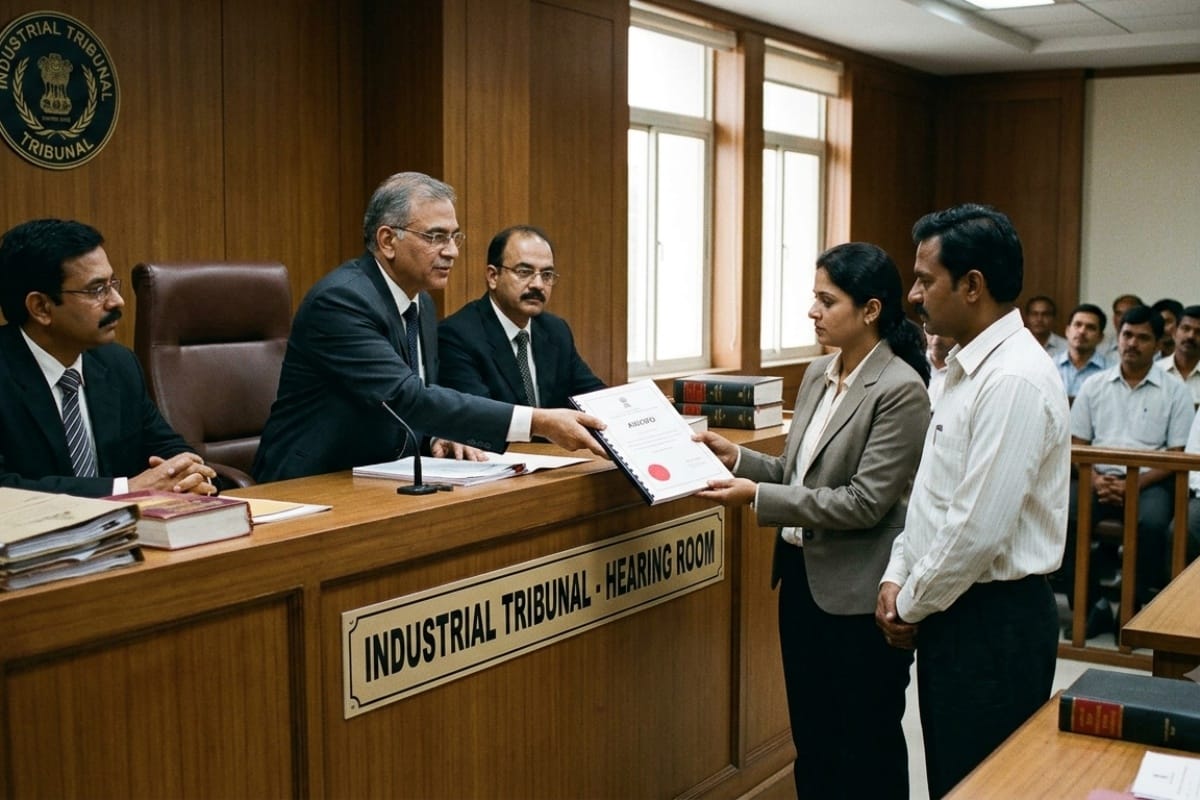
Deciding two connected writ petitions arising from a common Industrial Tribunal Award, the Delhi High Court set aside the Tribunal's direction granting hotel workmen a further…
Labour Laws
06/09/20264 min read
Update / Judgement Date
31 Oct 2025
Source
WCP News Bulletin
Author
Sakshi Bhardwaj — WCP Legal Desk
Reading Time
4 min read
The Delhi High Court dismissed a petition filed by the legal representatives of the deceased defendant challenging the trial court’s order refusing to allow an amendment of the written statement after commencement of trial. The Court held that once the trial begins, the scope for amending pleadings is extremely limited under Order VI Rule 17 of the Code of Civil Procedure (CPC) and such amendments can only be permitted if, despite due diligence, the matter could not have been raised earlier. The Court found that the petitioners sought to introduce new facts and retract admissions, not merely legal pleas, and therefore upheld the trial court’s order, imposing costs of ₹10,000 on the petitioners.
• The petitioners, legal representatives of the deceased defendant, filed a petition under Article 227 of the Constitution challenging the trial court’s order dated 15 October 2019, which had dismissed their application for amendment of the written statement.
• The trial court had refused the amendment primarily because the trial had already commenced, and the proposed amendments went beyond legal pleas to include new facts and changes in earlier admissions.
• The petitioners contended that they merely intended to add legal objections, which could be raised at any stage, and that the trial court had taken a hyper-technical view.
• The respondent, represented by Mr. Siddharth Aggarwal, opposed the petition, arguing that the proposed amendments introduced new factual assertions—such as claims about construction of the house and rights of predecessors—which were never pleaded earlier.
• The Court referred to Order VI Rule 17 CPC, which allows amendments of pleadings at any stage but prohibits such amendments after commencement of trial unless the party, despite due diligence, could not have raised the matter earlier.
• The Court noted that the trial had already commenced before the amendment application was filed.
• It held that the amendments proposed were not confined to legal objections but sought to add new facts—for instance, that the permanent structure was built by the petitioners’ predecessors, thereby creating rights that could not be revoked.
• These facts were clearly within the petitioners’ knowledge from the beginning, and no explanation of due diligence was offered.
• The Court observed that even if the plea was legal, it could have been raised earlier, and therefore, the bar under the proviso to Order VI Rule 17 CPC applied squarely.
• The Court held that the trial court had correctly dismissed the amendment application in accordance with the CPC.
• It found the present petition frivolous and devoid of merit.
• The petition was dismissed with costs of ₹10,000, to be paid to the legal representatives of the respondent (through LR No. 1 of the deceased respondent) within one week.
• Order VI Rule 17 CPC – Amendment of pleadings; restriction post-commencement of trial.
• Doctrine of Due Diligence – A party must show that the matter could not have been raised earlier despite reasonable effort.
• Retraction of Admissions – Amendments seeking to withdraw earlier admissions or introduce new facts not previously pleaded are impermissible after trial begins.
The Delhi High Court upheld the trial court’s refusal to allow amendments after the trial had begun and imposed monetary costs for filing a frivolous petition. The ruling reinforces judicial caution in permitting amendments that alter the nature of the defence or introduce new factual assertions once evidence has commenced.
Case: Shri Anil Gupta @ Pulpul & Ors. v. Shri Ram Gupta
Court: High Court of Delhi at New Delhi
Coram: Hon’ble Mr. Justice Girish Kathpalia
Date of Decision: 31 October 2025
Case No.: CM(M) 448/2022 & CM APPL. 23046/2022 (Stay)
Deciding two connected writ petitions arising from a common Industrial Tribunal Award, the Delhi High Court set aside the Tribunal's direction granting hotel workmen a further…
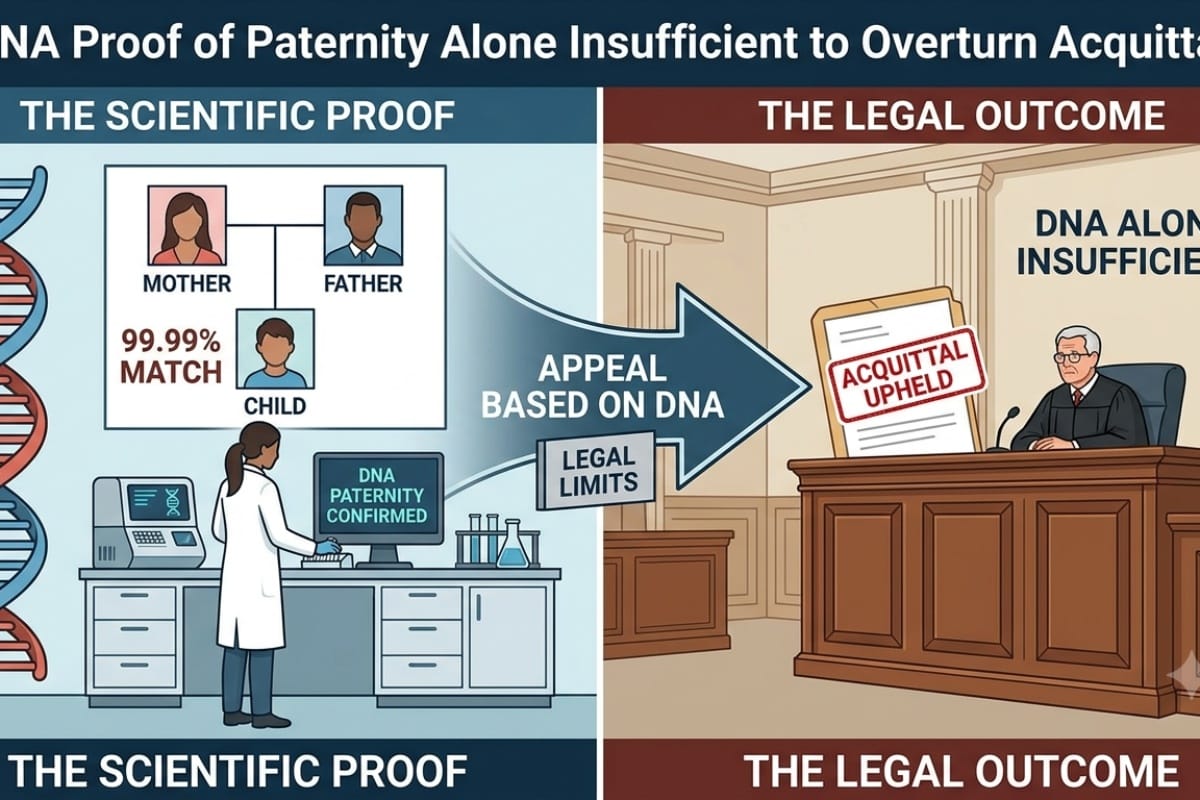
Headnote The Delhi High Court dismissed a prosecutrix's appeal against acquittal of the accused on charges under Sections 328/376 2 n /377/506/509 IPC, despite DNA evidence…
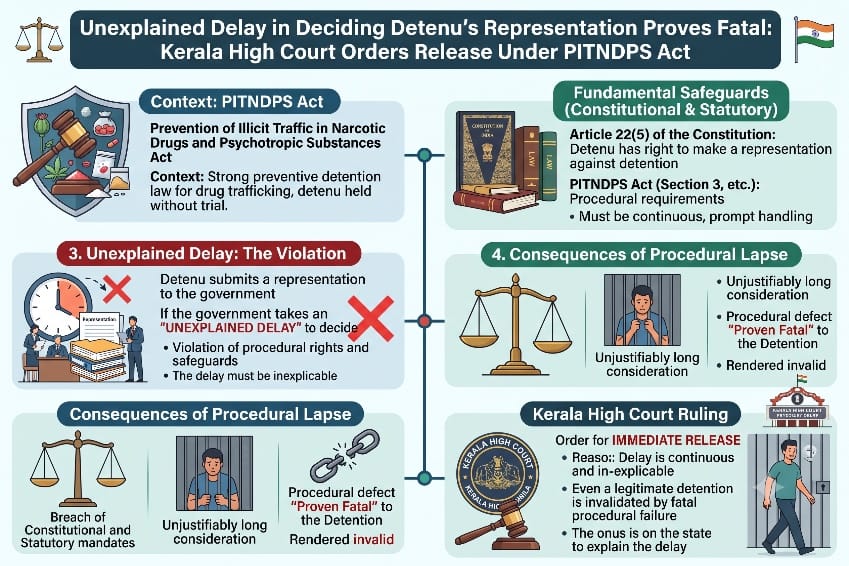
Fathimath Thasneem V.K. v. Union of India and Others | High Court of Kerala at Ernakulam | 3rd September, 2026 A habeas corpus writ petition by the wife of a detenu challenging…
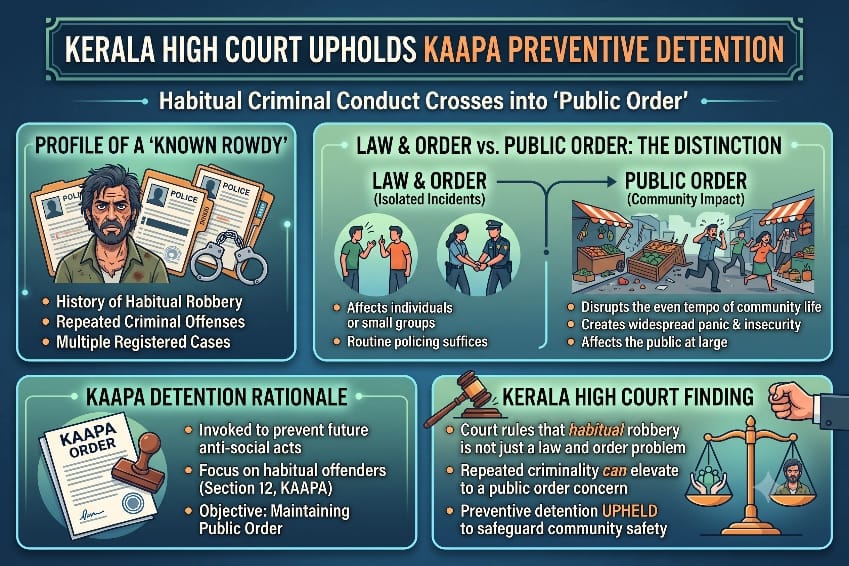
Thasmitha Abukutty v. State of Kerala and Others | High Court of Kerala at Ernakulam | 2nd September, 2026 A writ petition by the wife of a preventive detenu challenging a…
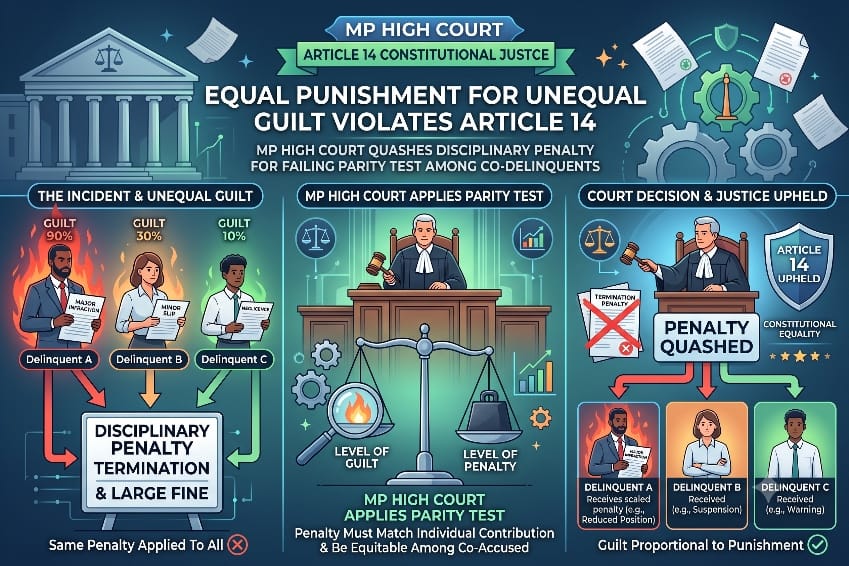
Brahm Kishore Dixit v. The State of Madhya Pradesh and Others | High Court of Madhya Pradesh, Gwalior | 1st September, 2026 A writ petition under Article 226 by a police Assistant…
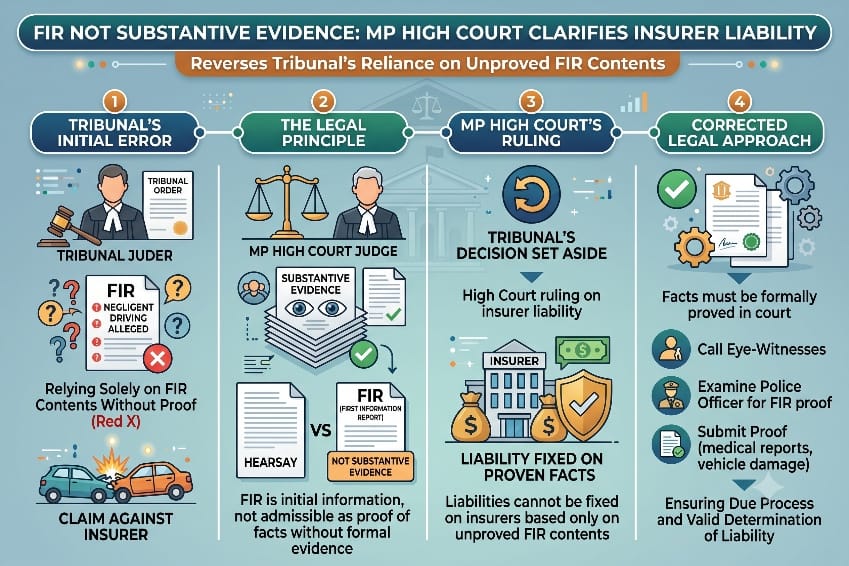
Anil Kumar Patel v. Smt. Munni Bai Barman and Others | High Court of Madhya Pradesh, Jabalpur | 1st September, 2026 A Motor Vehicle Act appeal under Section 173 1 against a Claims…
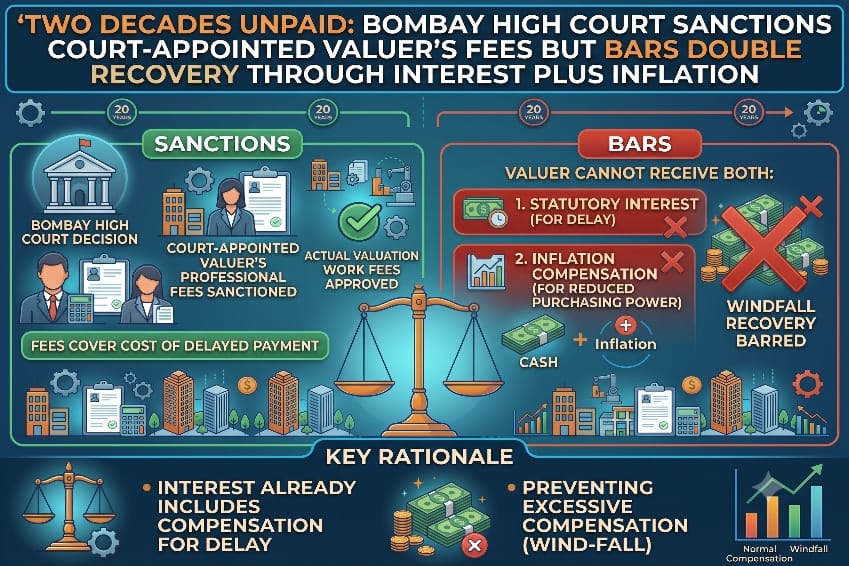
M/s. Kuber Mutual Benefits Ltd. & Ors. v. The State of Maharashtra & Ors. | High Court of Judicature at Bombay Appellate Side | 3rd September, 2026 A Court Receiver's Report…
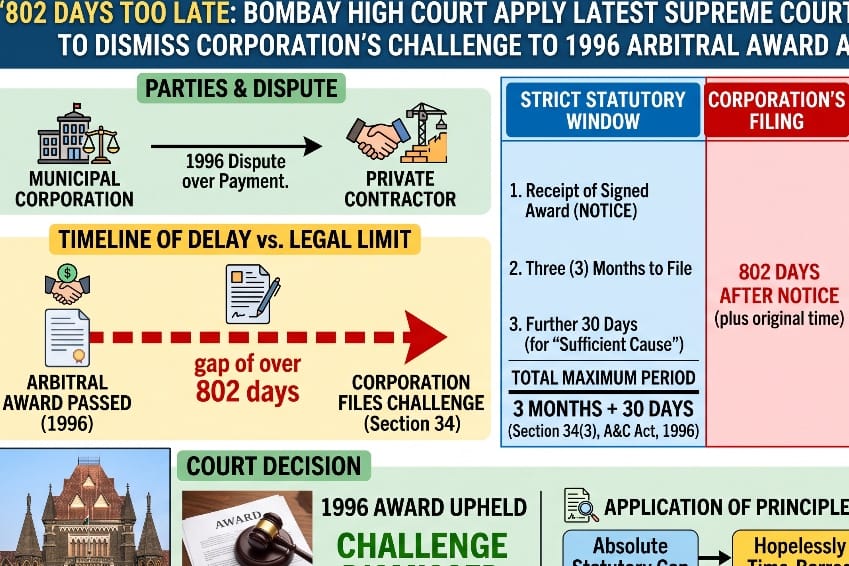
The Municipal Corporation of Greater Bombay v. M/s. Atul Raj Builders Pvt. Ltd. | High Court of Judicature at Bombay Ordinary Original Civil Jurisdiction | 3rd September, 2026 A…
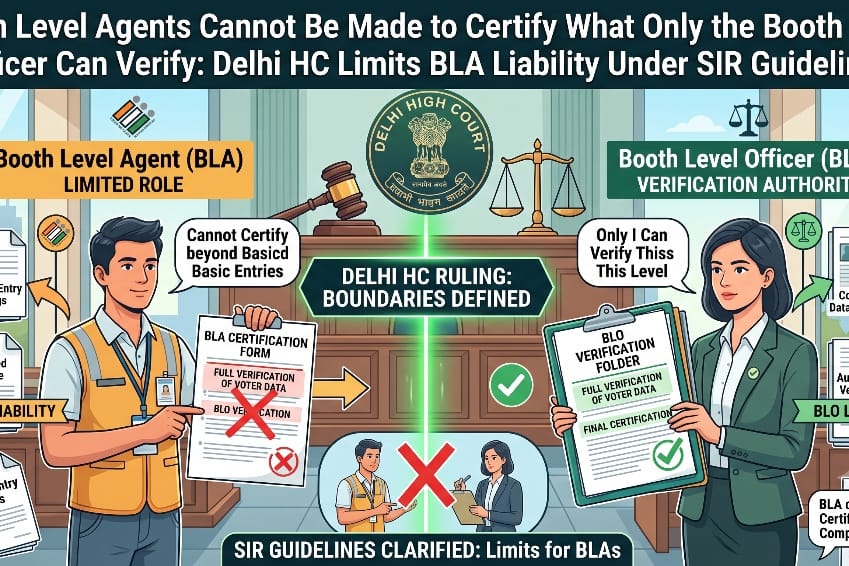
Devender Yadav & Anr. v. Election Commission of India & Anr. | High Court of Delhi Single Judge | Decided on: 03.09.2026 In a challenge to the Election Commission of India's…
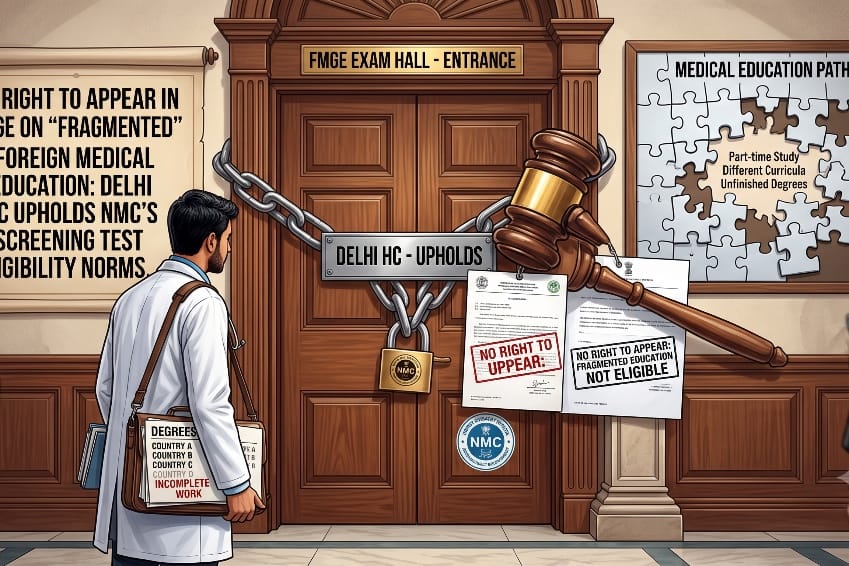
Brij Sharadbhai Bhatt & Ors. v. National Medical Commission & Ors. | High Court of Delhi Division Bench | Decided on: 03.09.2026 The Delhi High Court dismissed a challenge by…