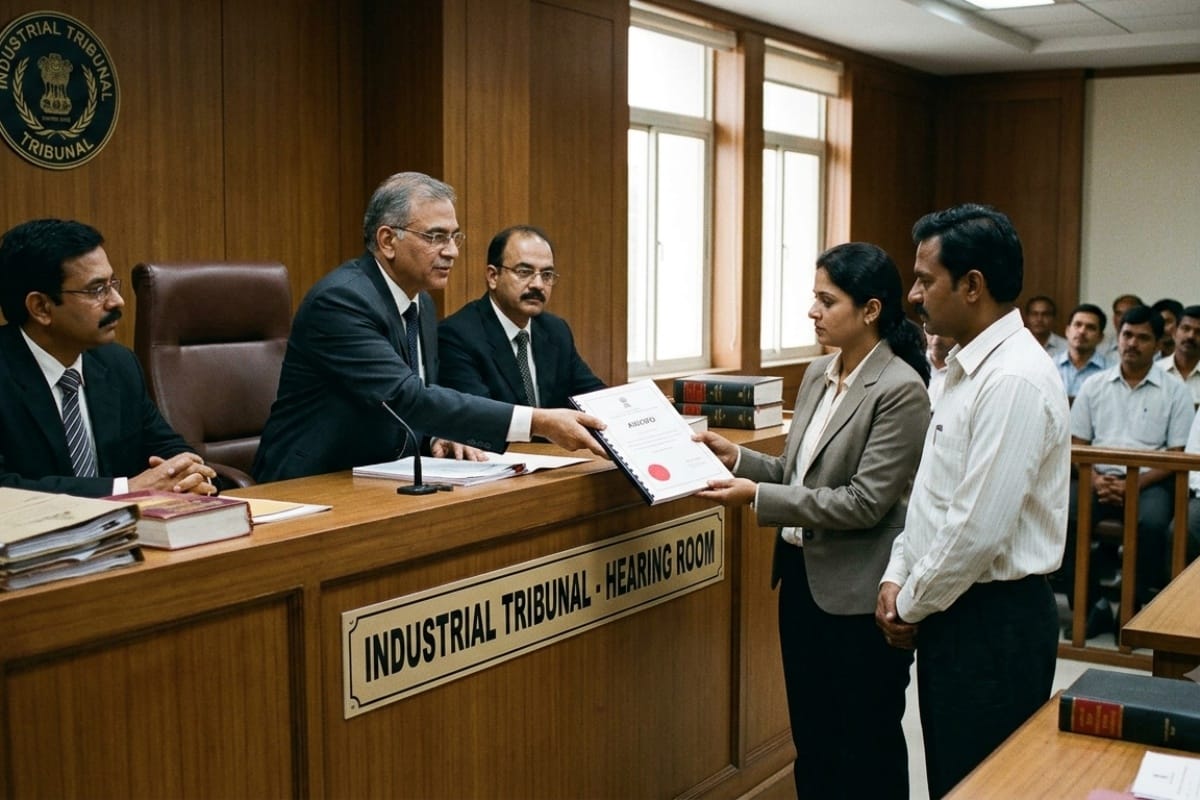
Deciding two connected writ petitions arising from a common Industrial Tribunal Award, the Delhi High Court set aside the Tribunal's direction granting hotel workmen a further…
Labour Laws
06/09/20264 min read
Update / Judgement Date
31 Oct 2025
Source
WCP News Bulletin
Author
Sakshi Bhardwaj — WCP Legal Desk
Reading Time
3 min read
Headnote:
The Delhi High Court held that an employee with benchmark disability (PwBD) is entitled, under the Rights of Persons with Disabilities Act, 2016 (RPwD Act), to have a minimum of 4% reservation in confirmation-tests for confirmation of service, and that indirect discrimination through rigid cut-offs or procedural barriers must be interfered with to uphold substantive equality. The Court found that the bank employer’s confirmation test rules and merger arrangements adversely impacted the petitioner (a PwBD) and warranted relief despite his probationary status.
Background:
• The petitioner, a person with benchmark disability, was appointed a Probationary Officer and later terminated for failing the “confirmation test” of State Bank of India (SBI) following the merger of the State Bank of Bikaner & Jaipur (SBBJ) into SBI.
• The petitioner argued that Rules and circulars governing the confirmation test did not identify or reserve a minimum of 4% of seats for persons with disabilities under Sections 33 & 34 of the RPwD Act; that indirect discrimination resulted; and challenged the termination letter and confirmation policy as unconstitutional.
• The respondents contended that a probationary officer has no right to confirmation, and that termination for unsuitability during probation is a matter of employer’s discretion.
Court’s Observations:
• The Court reiterated that under the RPwD Act, the state (and employers) must make provisions to ensure equality of opportunity and non-discrimination for persons with disabilities, and reservation of a minimum percentage of seats is mandatory.
• It held that failing to identify and reserve a minimum of 4% seats for persons with disabilities in the confirmation test constituted indirect discrimination and was contrary to the statutory mandate.
•While the employer pointed to probation status, the Court observed that merely being on probation does not absolve the employer of its duty under the RPwD Act to make inclusive arrangements and avoid discriminatory barriers.
•The Court found that the rules and circulars of SBI and the merged SBBJ, as applied to the petitioner, did not provide for the mandated reservation or consider disability-specific thresholds, and thus required interference.
Legal Provisions Discussed:
• Sections 33 & 34, Rights of Persons with Disabilities Act, 2016 (RPwD Act) – Obligation on quota for persons with disabilities and non-discrimination.
• Article 21, Constitution of India – Right to livelihood and equality of opportunity.
• Principles of substantive equality and prohibition of indirect discrimination in employment.
Decision:
The Court directed that the policy of confirmation test and termination letter be reviewed to ensure compliance with RPwD Act obligations. The petitioner’s termination was quashed and remitted for reconsideration in light of the reservation requirement for persons with disabilities.
Citation: 2025:DHC:7197/2021
Case: Munna Lal Yadav v. Department of Empowerment of Persons with Disabilities & Ors.
Court: High Court of Delhi at New Delhi
Date of Decision: 31 October 2025
Writ Petition (C) No.: 7197 of 2021
Deciding two connected writ petitions arising from a common Industrial Tribunal Award, the Delhi High Court set aside the Tribunal's direction granting hotel workmen a further…
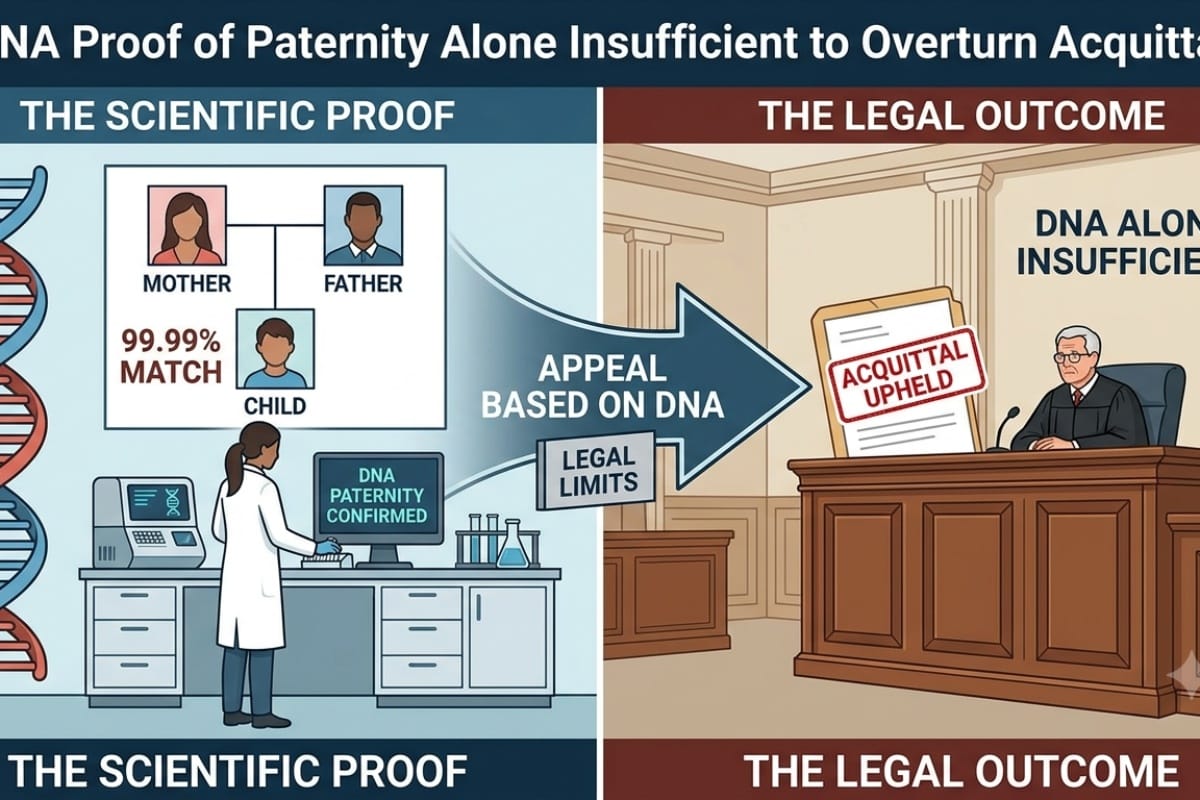
Headnote The Delhi High Court dismissed a prosecutrix's appeal against acquittal of the accused on charges under Sections 328/376 2 n /377/506/509 IPC, despite DNA evidence…
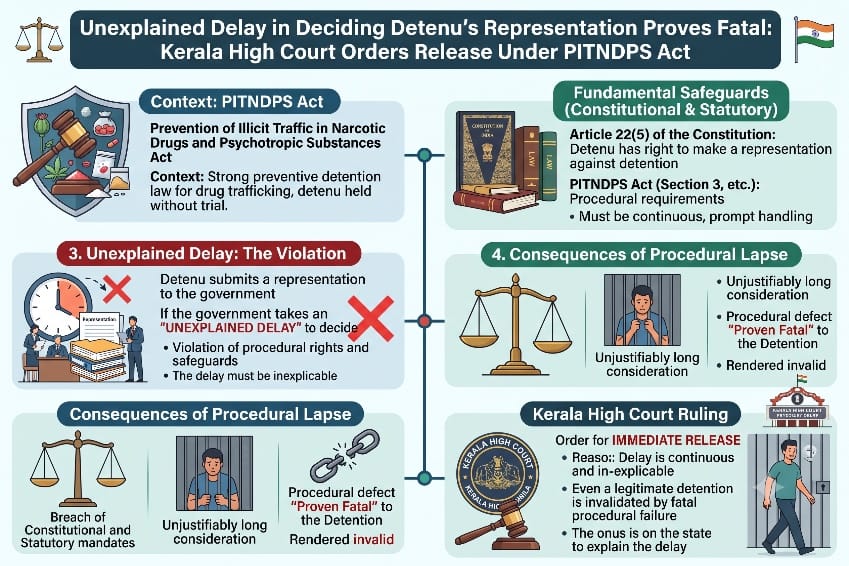
Fathimath Thasneem V.K. v. Union of India and Others | High Court of Kerala at Ernakulam | 3rd September, 2026 A habeas corpus writ petition by the wife of a detenu challenging…
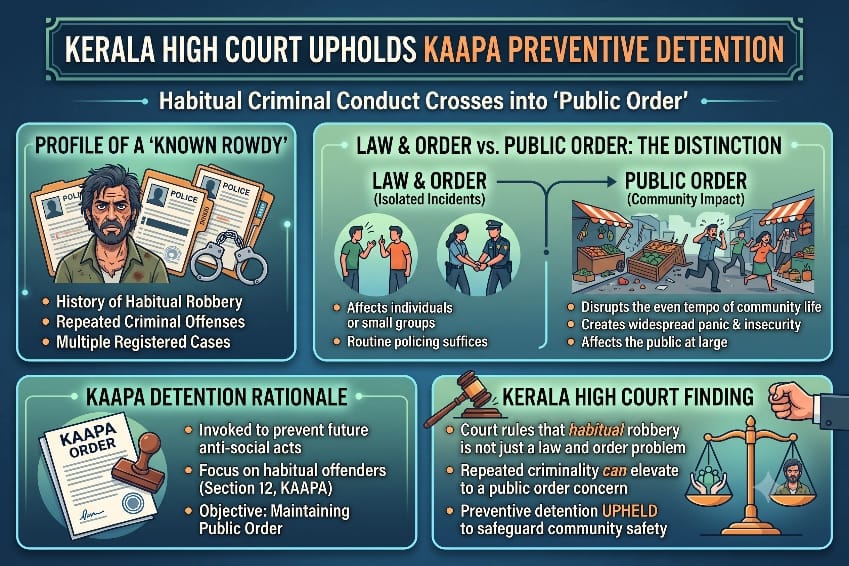
Thasmitha Abukutty v. State of Kerala and Others | High Court of Kerala at Ernakulam | 2nd September, 2026 A writ petition by the wife of a preventive detenu challenging a…
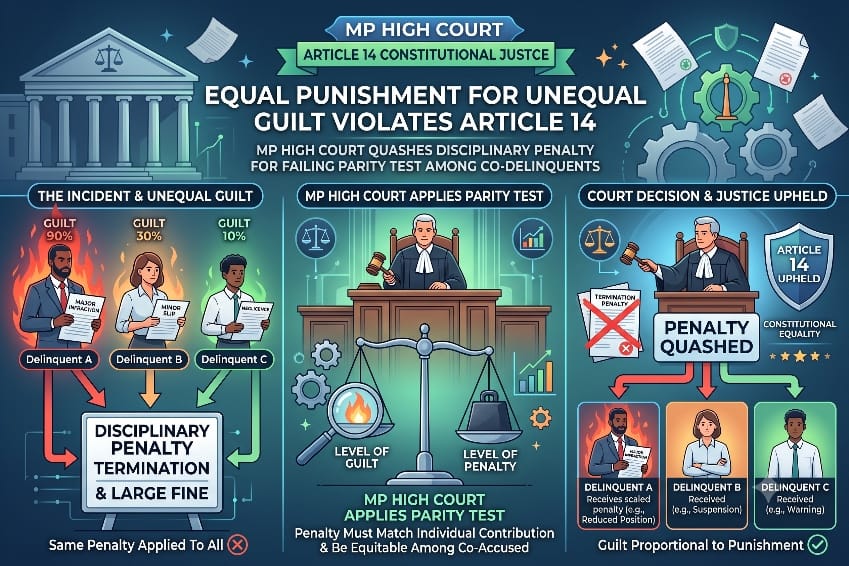
Brahm Kishore Dixit v. The State of Madhya Pradesh and Others | High Court of Madhya Pradesh, Gwalior | 1st September, 2026 A writ petition under Article 226 by a police Assistant…
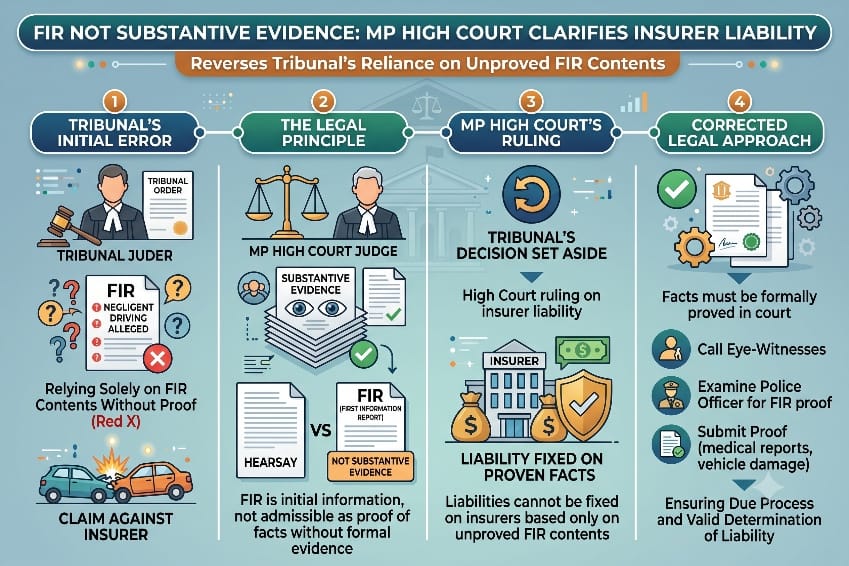
Anil Kumar Patel v. Smt. Munni Bai Barman and Others | High Court of Madhya Pradesh, Jabalpur | 1st September, 2026 A Motor Vehicle Act appeal under Section 173 1 against a Claims…
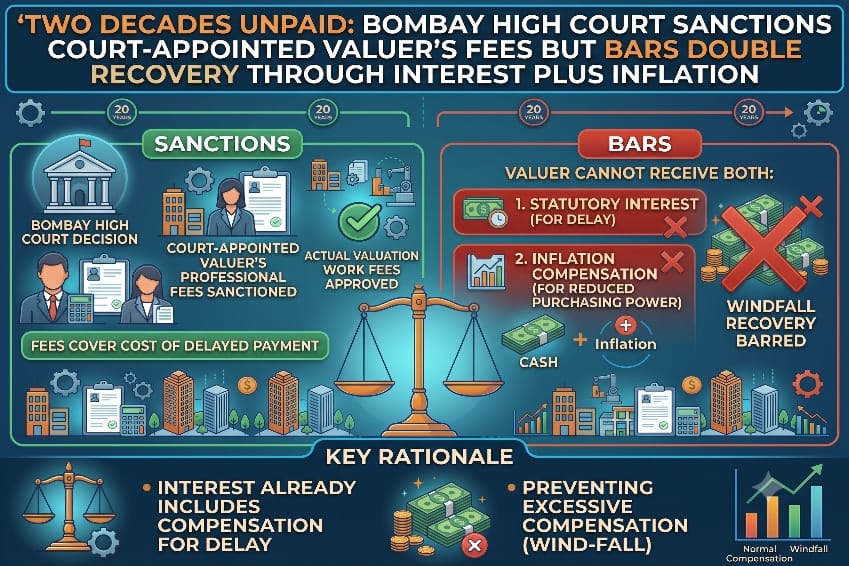
M/s. Kuber Mutual Benefits Ltd. & Ors. v. The State of Maharashtra & Ors. | High Court of Judicature at Bombay Appellate Side | 3rd September, 2026 A Court Receiver's Report…
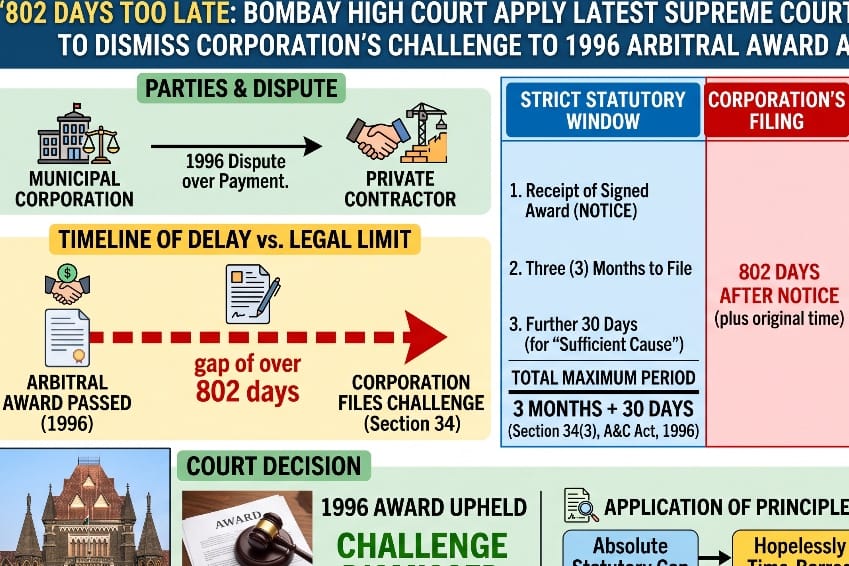
The Municipal Corporation of Greater Bombay v. M/s. Atul Raj Builders Pvt. Ltd. | High Court of Judicature at Bombay Ordinary Original Civil Jurisdiction | 3rd September, 2026 A…
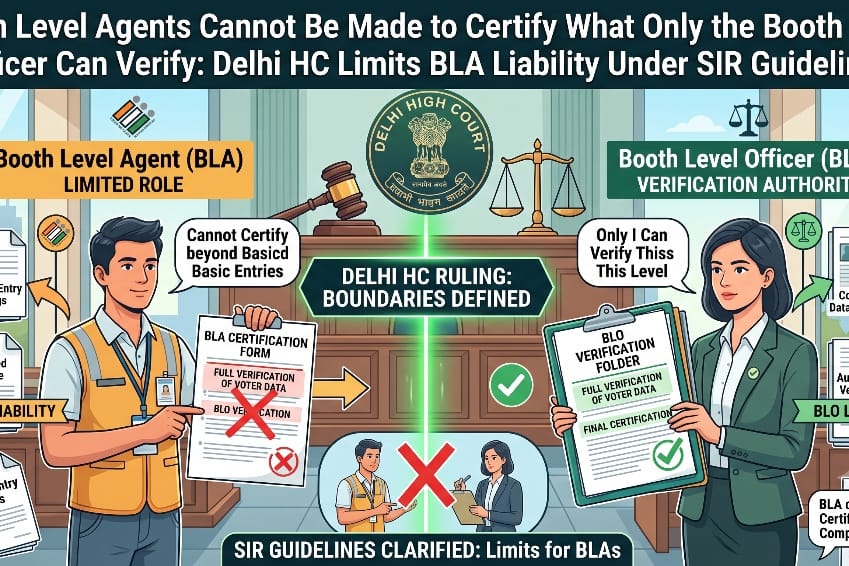
Devender Yadav & Anr. v. Election Commission of India & Anr. | High Court of Delhi Single Judge | Decided on: 03.09.2026 In a challenge to the Election Commission of India's…
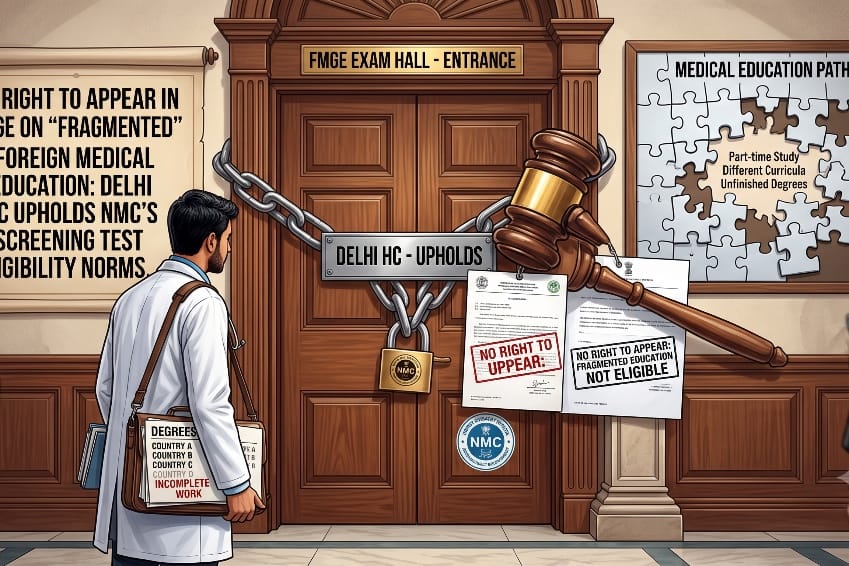
Brij Sharadbhai Bhatt & Ors. v. National Medical Commission & Ors. | High Court of Delhi Division Bench | Decided on: 03.09.2026 The Delhi High Court dismissed a challenge by…