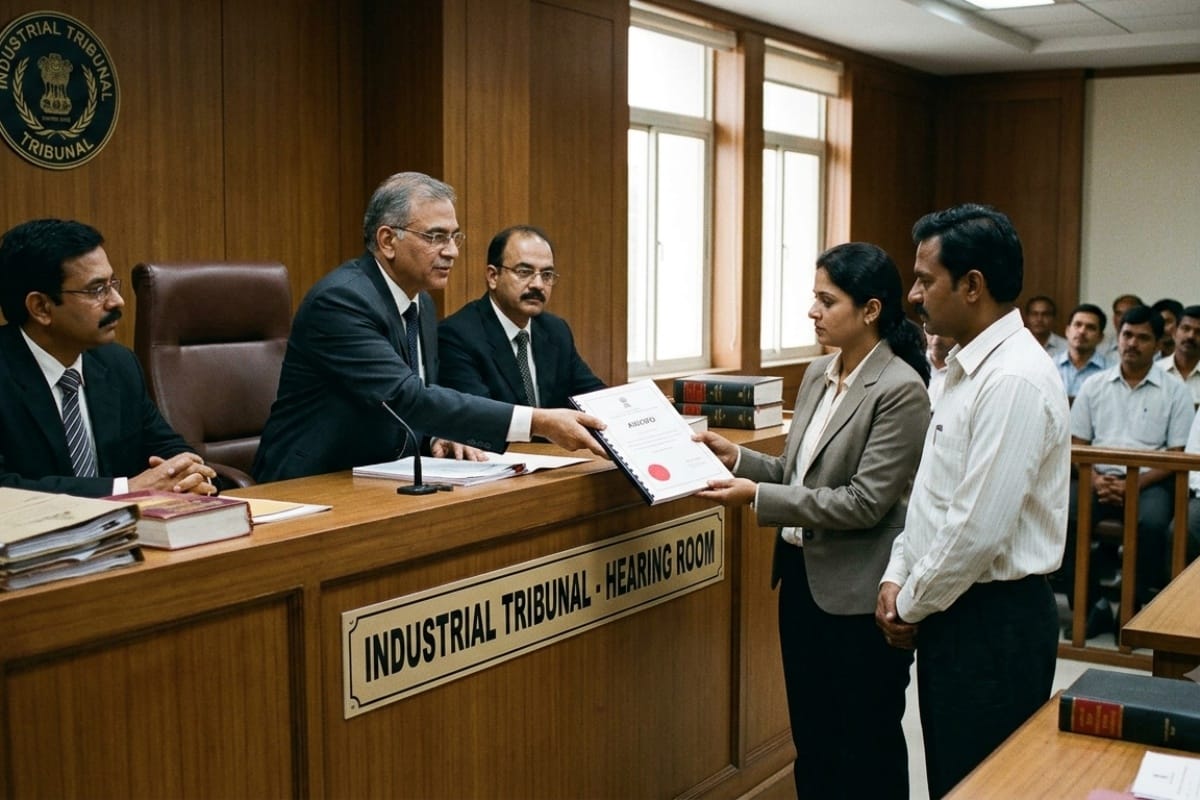
Deciding two connected writ petitions arising from a common Industrial Tribunal Award, the Delhi High Court set aside the Tribunal's direction granting hotel workmen a further…
Labour Laws
06/09/20264 min read
Update / Judgement Date
11 Nov 2025
Source
WCP News Bulletin
Author
Sakshi Bhardwaj — WCP Legal Desk
Reading Time
3 min read
Headnote:
The Delhi High Court dismissed a petition filed under Article 227 of the Constitution challenging the trial court’s refusal to send sealed documents for forensic examination under Section 45 of the Indian Evidence Act, 1872. The Court held that a mere apprehension of tampering, without any substantiating evidence, cannot justify such a direction. Observing that the trial court’s administrative inquiry had revealed no tampering and that photocopies matched the original documents, the Court found the petition frivolous and imposed costs of ₹10,000 on the petitioner.
Background:
• The petitioner, Rahul Tyagi (plaintiff before the trial court), had filed certain documents including a Will, General Power of Attorney, and Possession Letter in a sealed cover before the trial court.
• Upon observing that the seal appeared broken when the envelope was opened, the petitioner filed an application under Section 45 of the Indian Evidence Act seeking forensic examination of the documents, alleging possible tampering.
• The trial court conducted an administrative inquiry which revealed that the plastic tape sealing the envelope was intact and that minor cracks in the lac seal likely resulted from storage pressure among numerous files.
• The trial court dismissed the petitioner’s application, finding no evidence of tampering. Aggrieved, the petitioner approached the High Court under Article 227.
Court’s Observations:
• The Court noted that the petitioner’s claim rested merely on apprehension, not on concrete evidence of tampering.
• It observed that when sealed envelopes are stored in bulk in court record rooms, cracks in wax or lac seals may occur due to the weight of files, but that does not imply interference with the contents.
• The Court emphasized that the petitioner’s reliance on Thiruvengadam Pillai v. Navaneethammal (2008 SCC OnLine SC 321) was misplaced since that precedent concerned handwriting comparison rather than allegations of tampering.
• It also found that the photocopied documents filed by the petitioner were identical to the originals taken out of the envelope, negating his apprehensions.
• Sending documents for forensic analysis without evidence would, in the Court’s view, only delay proceedings unnecessarily.
Decision:
The petition was held to be devoid of merit and dismissed as frivolous. The petitioner was directed to deposit ₹10,000 as costs with the Delhi High Court Legal Services Committee (DHCLSC) within one week.
Legal Provisions Discussed:
• Section 45, Indian Evidence Act, 1872 – Opinions of experts.
• Article 227, Constitution of India – Power of superintendence of High Courts over subordinate courts.
Citation: 2025:DHC:XXXXX
Case: Rahul Tyagi v. Kamlesh & Ors.
Court: High Court of Delhi at New Delhi
Coram: Justice Girish Kathpalia
Date of Decision: 12 November 2025
Case No.: CM(M) 2150/2025, CM APPL. 70381/2025 & 70382/2025
Deciding two connected writ petitions arising from a common Industrial Tribunal Award, the Delhi High Court set aside the Tribunal's direction granting hotel workmen a further…
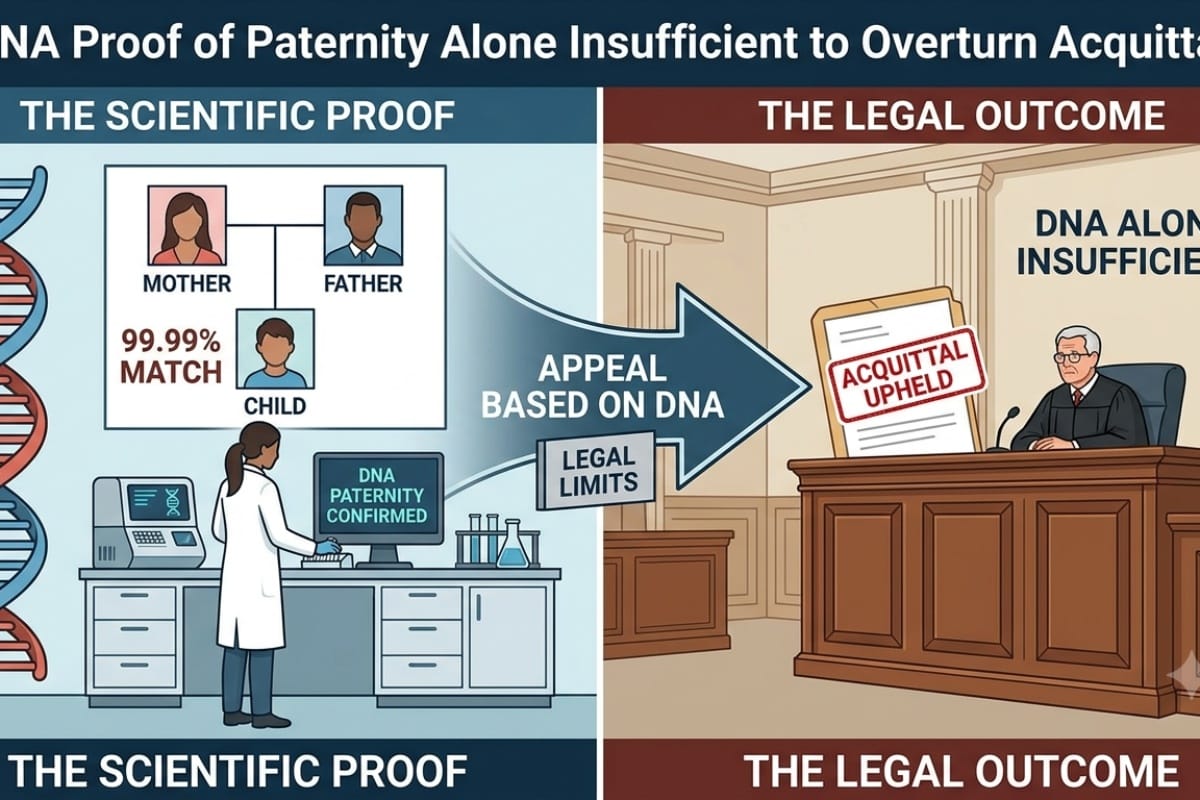
Headnote The Delhi High Court dismissed a prosecutrix's appeal against acquittal of the accused on charges under Sections 328/376 2 n /377/506/509 IPC, despite DNA evidence…
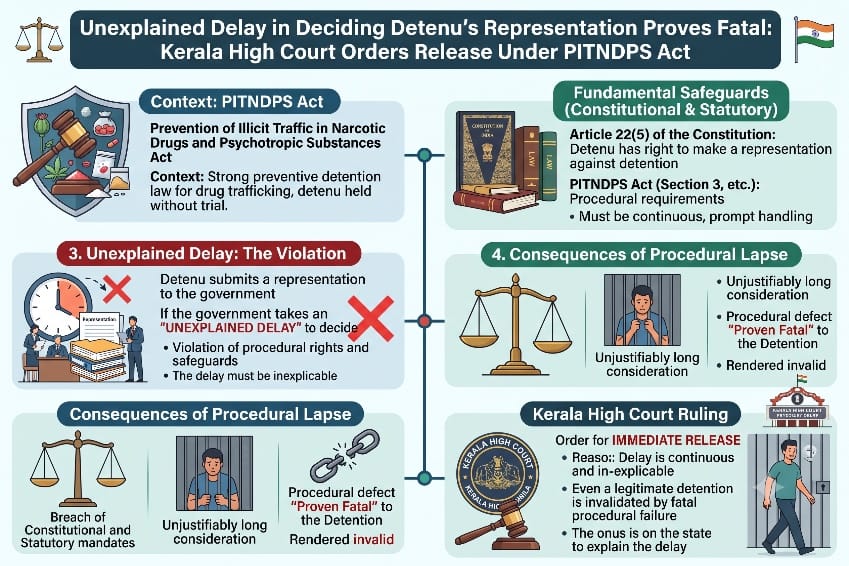
Fathimath Thasneem V.K. v. Union of India and Others | High Court of Kerala at Ernakulam | 3rd September, 2026 A habeas corpus writ petition by the wife of a detenu challenging…
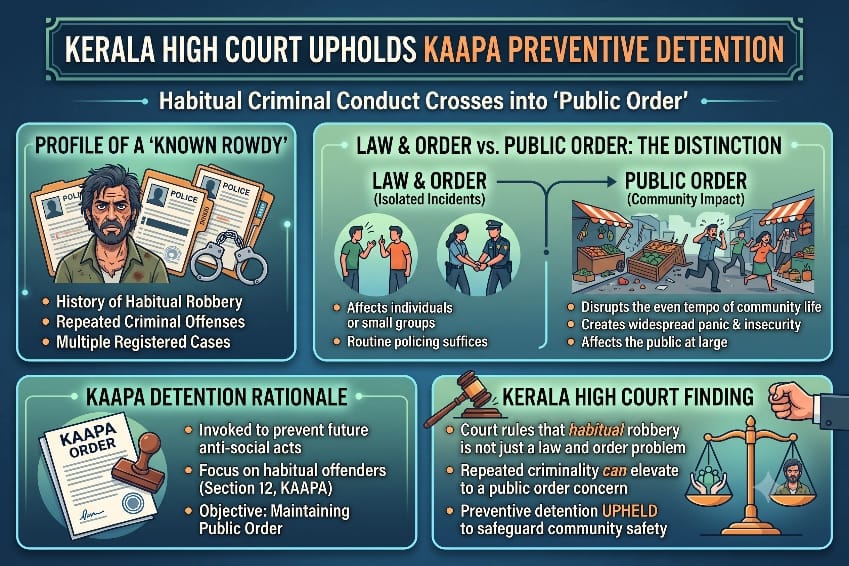
Thasmitha Abukutty v. State of Kerala and Others | High Court of Kerala at Ernakulam | 2nd September, 2026 A writ petition by the wife of a preventive detenu challenging a…
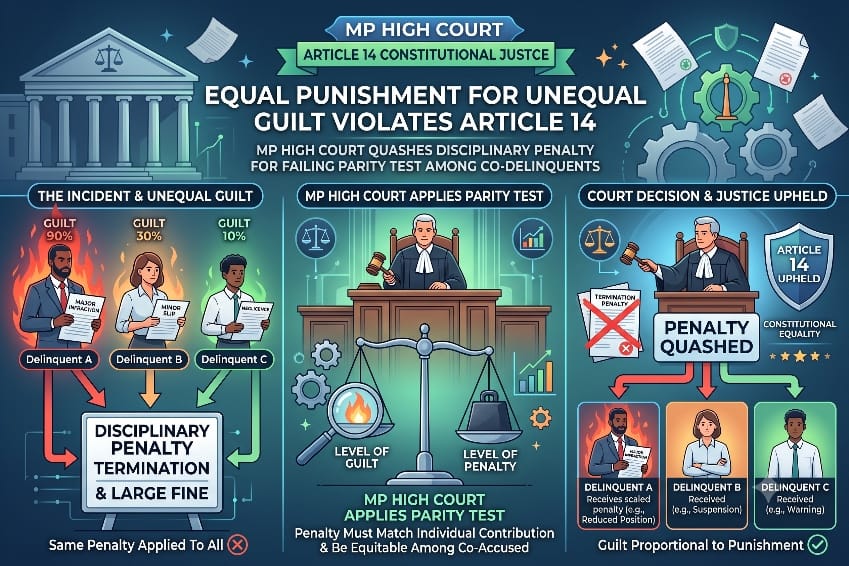
Brahm Kishore Dixit v. The State of Madhya Pradesh and Others | High Court of Madhya Pradesh, Gwalior | 1st September, 2026 A writ petition under Article 226 by a police Assistant…
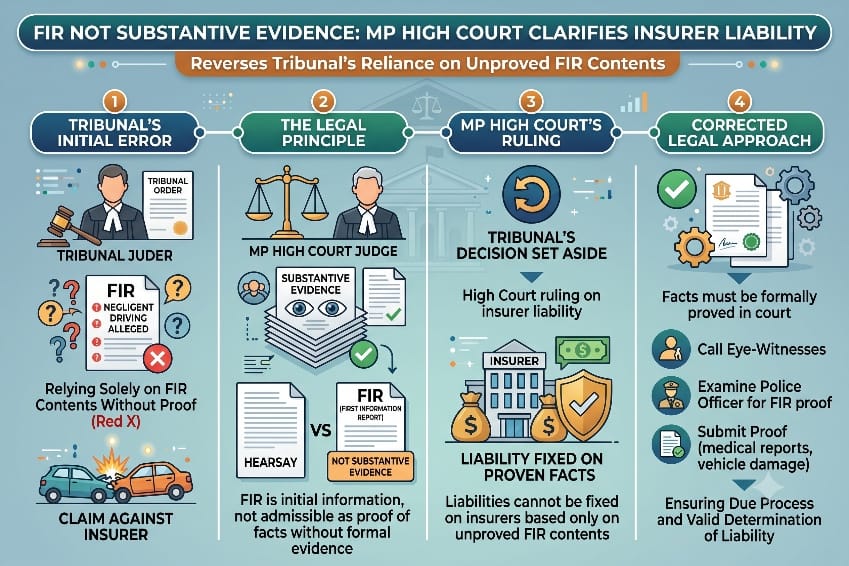
Anil Kumar Patel v. Smt. Munni Bai Barman and Others | High Court of Madhya Pradesh, Jabalpur | 1st September, 2026 A Motor Vehicle Act appeal under Section 173 1 against a Claims…
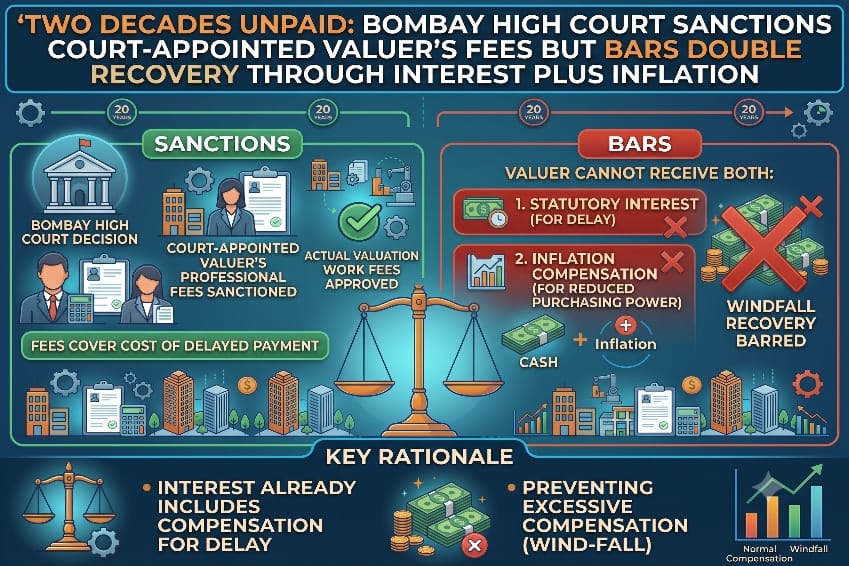
M/s. Kuber Mutual Benefits Ltd. & Ors. v. The State of Maharashtra & Ors. | High Court of Judicature at Bombay Appellate Side | 3rd September, 2026 A Court Receiver's Report…
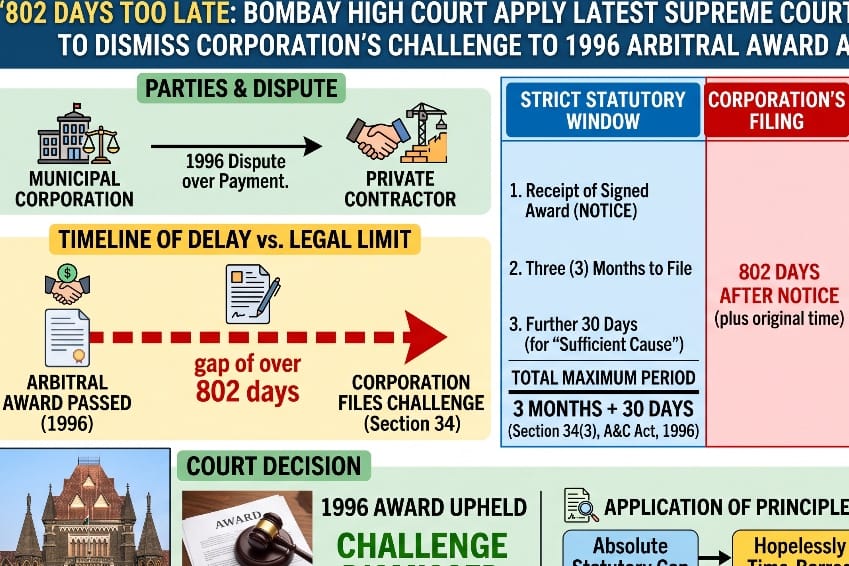
The Municipal Corporation of Greater Bombay v. M/s. Atul Raj Builders Pvt. Ltd. | High Court of Judicature at Bombay Ordinary Original Civil Jurisdiction | 3rd September, 2026 A…
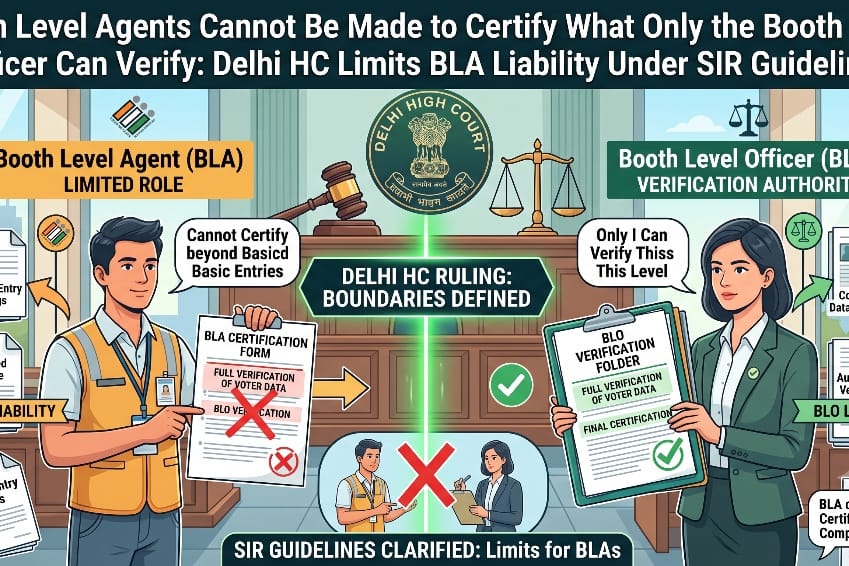
Devender Yadav & Anr. v. Election Commission of India & Anr. | High Court of Delhi Single Judge | Decided on: 03.09.2026 In a challenge to the Election Commission of India's…
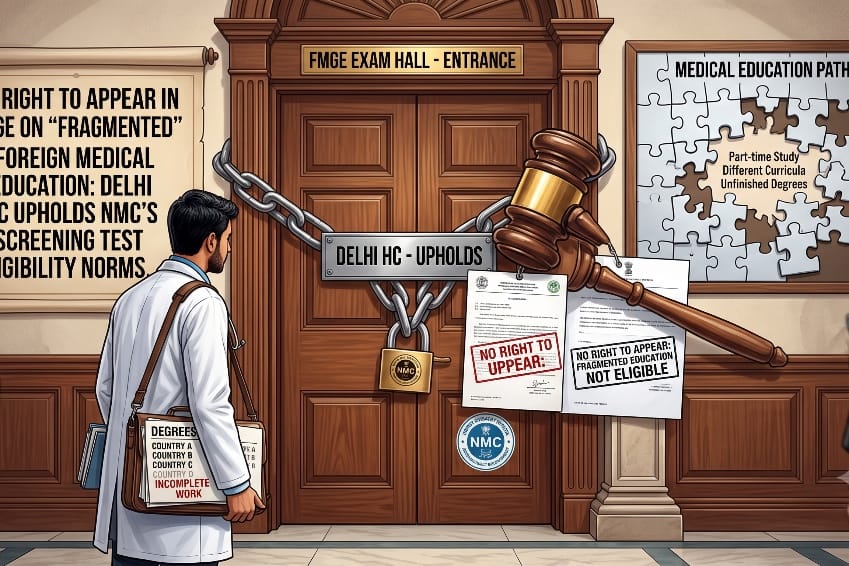
Brij Sharadbhai Bhatt & Ors. v. National Medical Commission & Ors. | High Court of Delhi Division Bench | Decided on: 03.09.2026 The Delhi High Court dismissed a challenge by…