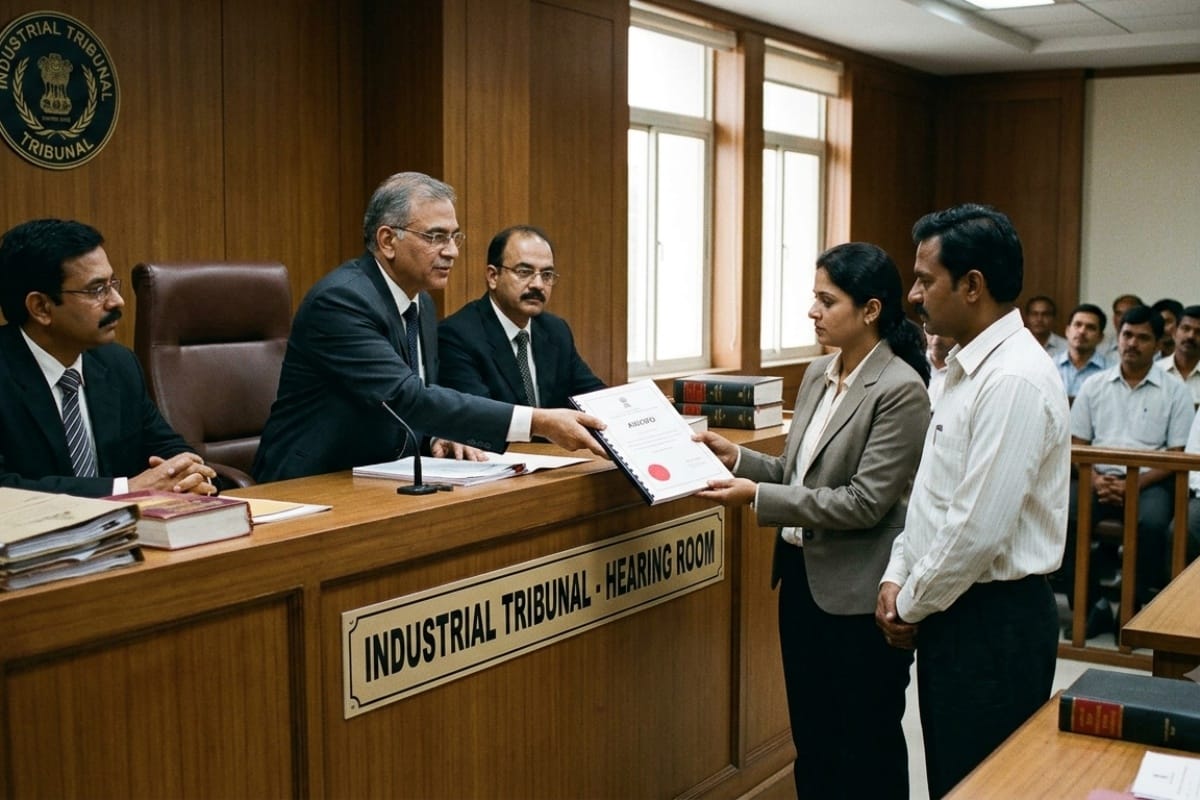
Deciding two connected writ petitions arising from a common Industrial Tribunal Award, the Delhi High Court set aside the Tribunal's direction granting hotel workmen a further…
Labour Laws
06/09/20264 min read
Update / Judgement Date
12 Nov 2025
Source
WCP News Bulletin
Author
Sakshi Bhardwaj — WCP Legal Desk
Reading Time
3 min read
The Delhi High Court dismissed an appeal filed by the plaintiff seeking recovery of ₹70,20,172.53/- based on a purported loan agreement and cheque, holding that the plaintiff failed to discharge the burden of proof and establish the admissibility of electronic evidence under Section 65-B of the Indian Evidence Act, 1872. The Court held that mere production of a scanned copy of a loan agreement without the original document, source device, or attesting witnesses renders the evidence inadmissible. The Court reaffirmed that compliance with the procedural requirements of Section 65-B is mandatory for electronic records, and the absence of primary evidence or valid certification vitiates the claim.
• The appellant–plaintiff (Smt. Meenakshi Oberg) and her brother had filed a civil suit before the District Judge, Saket, seeking recovery of ₹70,20,172.53/- against the respondent (Sh. Karun Dube) based on a loan agreement dated 21.11.2013 allegedly executed by their late mother, Smt. Shanti Devi, advancing ₹50 lakh at 18% interest.
• A post-dated cheque dated 21.11.2016 was also claimed to have been issued by the defendant in favour of Smt. Shanti Devi. After her death in 2017, the plaintiff issued legal notices demanding repayment.
• The defendant denied the existence of any such loan, contending that the funds transferred originated from his brother (Defendant No.2) through his mother’s account, not as a loan but as an internal family transaction.
• The parties attempted mediation, resulting in a settlement agreement on 19.04.2023 for ₹20 lakh, but the plaintiff later abandoned the settlement after forfeiting ₹2 lakh already received.
• The District Judge dismissed the suit on 22.12.2023 for failure to produce the original loan agreement or admissible electronic evidence, prompting the present appeal.
• The plaintiff admitted during appeal arguments that the original loan agreement was lost. However, before the trial court, she had claimed to possess it and produced only a scanned copy.
• The certificate produced under Section 65-B of the Indian Evidence Act did not meet the mandatory requirements since the plaintiff failed to produce the source computer or scanner used for creating the scanned copy.
• The Court reiterated that under Sections 61–65 of the Evidence Act, the best evidence rule requires production of the original document unless a valid exception is established. The plaintiff neither examined any attesting witness nor explained the loss of the original as per Section 65(c) of the Act.
• The defendant’s denial of liability was categorical, not evasive; hence, Order VIII Rules 4 & 5 CPC were inapplicable.
• The alleged settlement agreement could not be treated as an acknowledgment of debt since it was abandoned by the plaintiff, and selective reliance on favourable portions was impermissible.
• Non-production of the original loan agreement, failure to prove electronic authenticity, and lack of credible corroboration rendered the plaintiff’s claim unsubstantiated.
The High Court found no illegality or perversity in the District Judge’s findings and held that the plaintiff failed to satisfy evidentiary requirements for proving the loan transaction. Accordingly, the appeal was dismissed, and the trial court’s decision was upheld.
• Sections 61–65 & 65-B, Indian Evidence Act, 1872 – Proof of documents; admissibility of electronic records.
• Order VIII Rules 4 & 5, Civil Procedure Code, 1908 – Evasive denial and deemed admissions.
• Section 96, Civil Procedure Code, 1908 – Appeals from original decrees.
Citation: 2025:DEL:11136
Case: Smt. Meenakshi Oberg v. Karun Dube & Ors.
Court: High Court of Delhi at New Delhi
Coram: Hon’ble Mr. Justice Anil Kshetrapal & Hon’ble Mr. Justice Harish Vaidyanathan Shankar
Date of Decision: 13 November 2025
Deciding two connected writ petitions arising from a common Industrial Tribunal Award, the Delhi High Court set aside the Tribunal's direction granting hotel workmen a further…
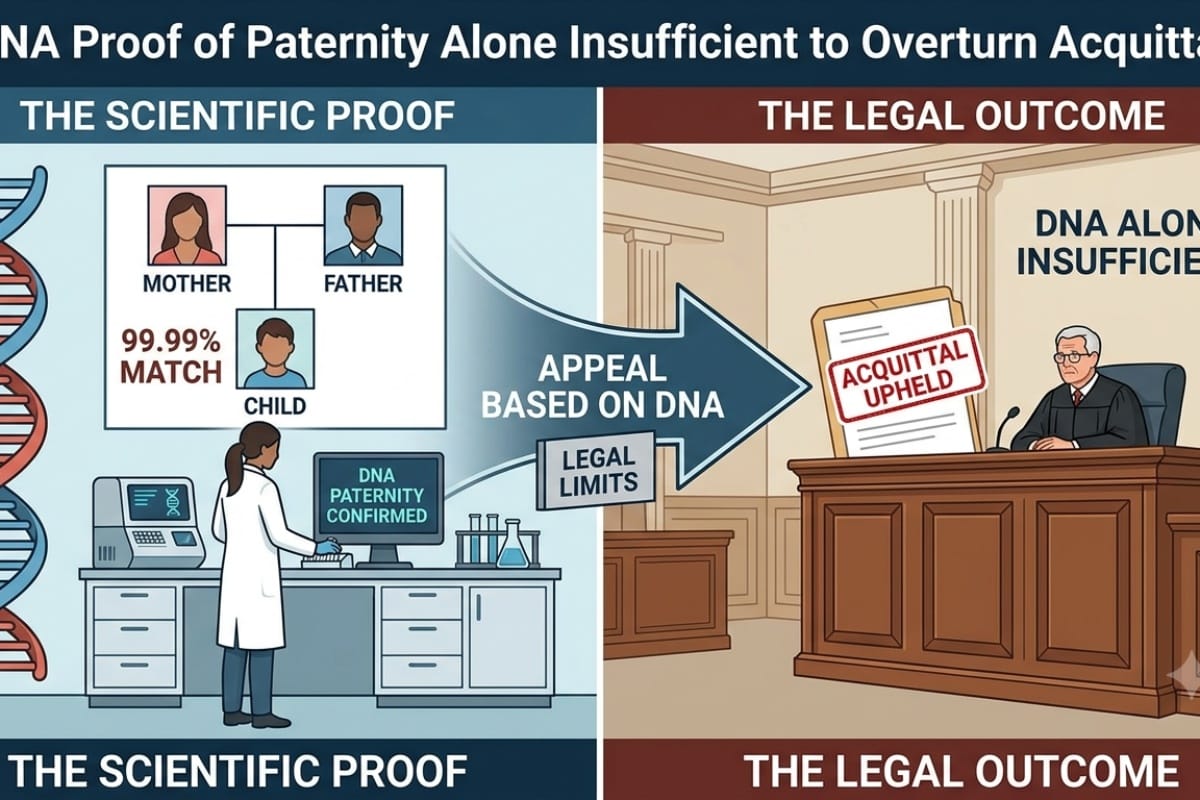
Headnote The Delhi High Court dismissed a prosecutrix's appeal against acquittal of the accused on charges under Sections 328/376 2 n /377/506/509 IPC, despite DNA evidence…
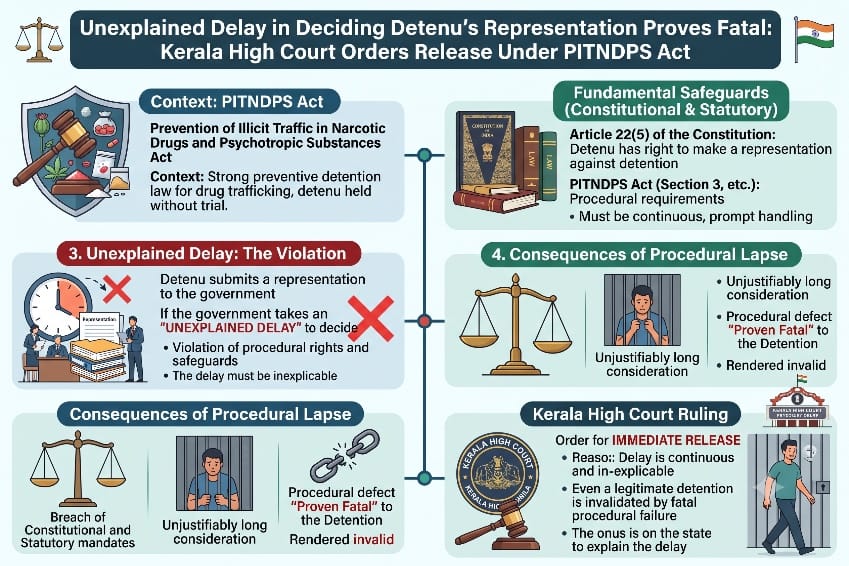
Fathimath Thasneem V.K. v. Union of India and Others | High Court of Kerala at Ernakulam | 3rd September, 2026 A habeas corpus writ petition by the wife of a detenu challenging…
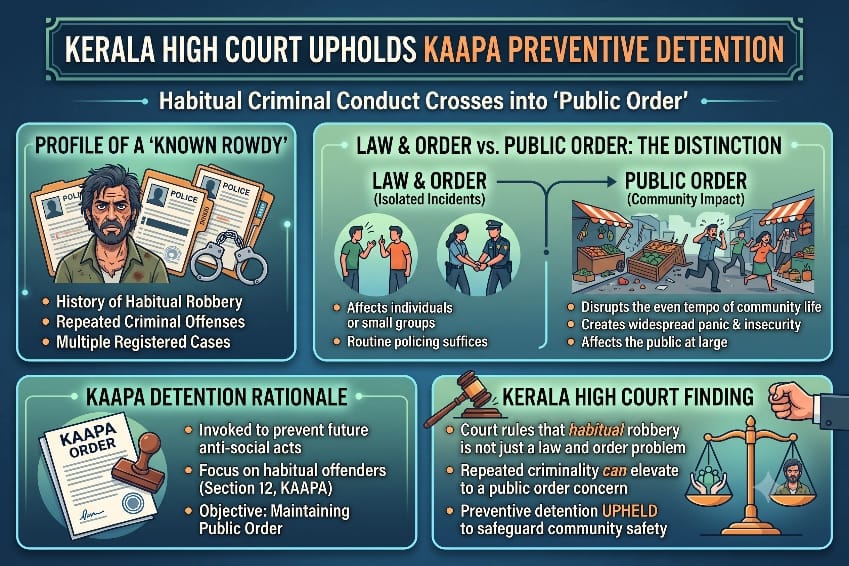
Thasmitha Abukutty v. State of Kerala and Others | High Court of Kerala at Ernakulam | 2nd September, 2026 A writ petition by the wife of a preventive detenu challenging a…
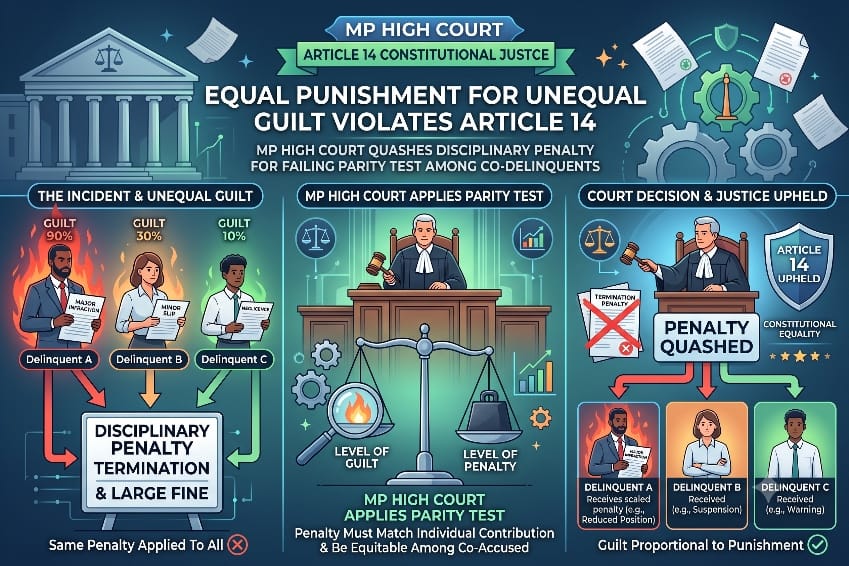
Brahm Kishore Dixit v. The State of Madhya Pradesh and Others | High Court of Madhya Pradesh, Gwalior | 1st September, 2026 A writ petition under Article 226 by a police Assistant…
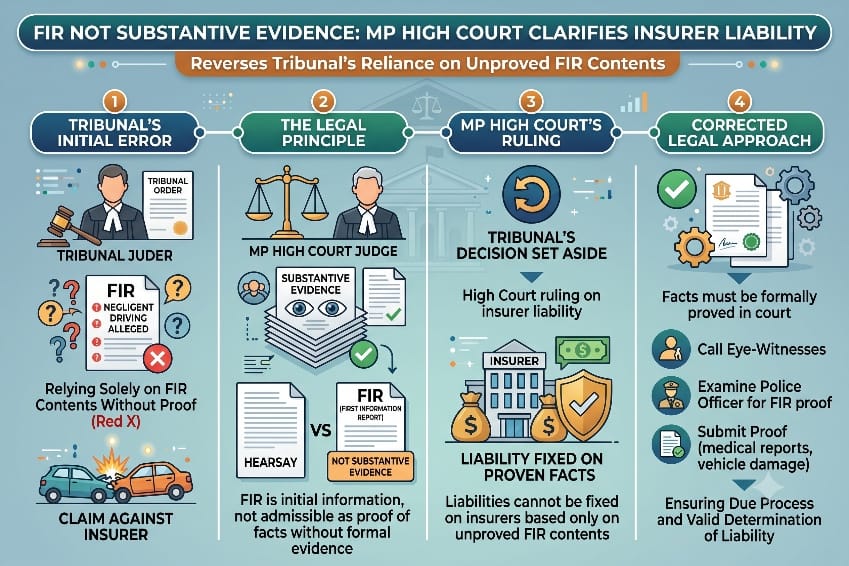
Anil Kumar Patel v. Smt. Munni Bai Barman and Others | High Court of Madhya Pradesh, Jabalpur | 1st September, 2026 A Motor Vehicle Act appeal under Section 173 1 against a Claims…
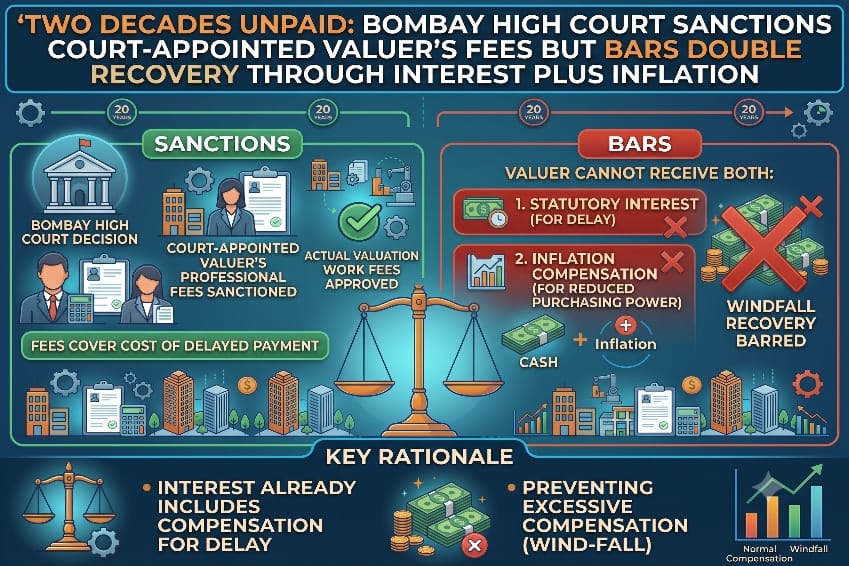
M/s. Kuber Mutual Benefits Ltd. & Ors. v. The State of Maharashtra & Ors. | High Court of Judicature at Bombay Appellate Side | 3rd September, 2026 A Court Receiver's Report…
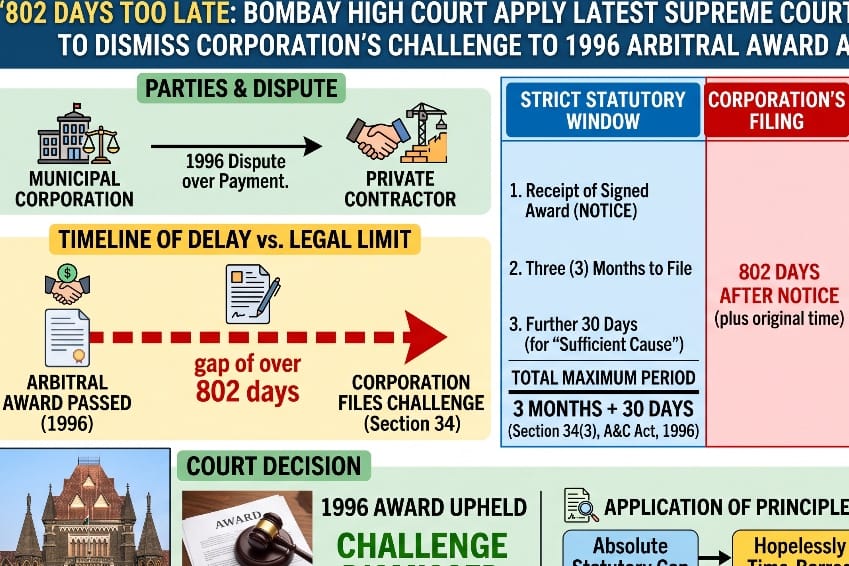
The Municipal Corporation of Greater Bombay v. M/s. Atul Raj Builders Pvt. Ltd. | High Court of Judicature at Bombay Ordinary Original Civil Jurisdiction | 3rd September, 2026 A…
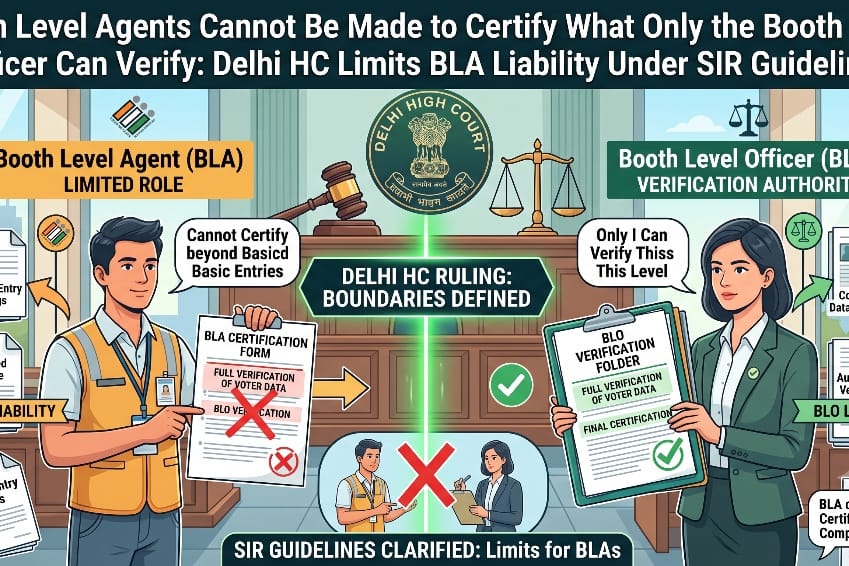
Devender Yadav & Anr. v. Election Commission of India & Anr. | High Court of Delhi Single Judge | Decided on: 03.09.2026 In a challenge to the Election Commission of India's…
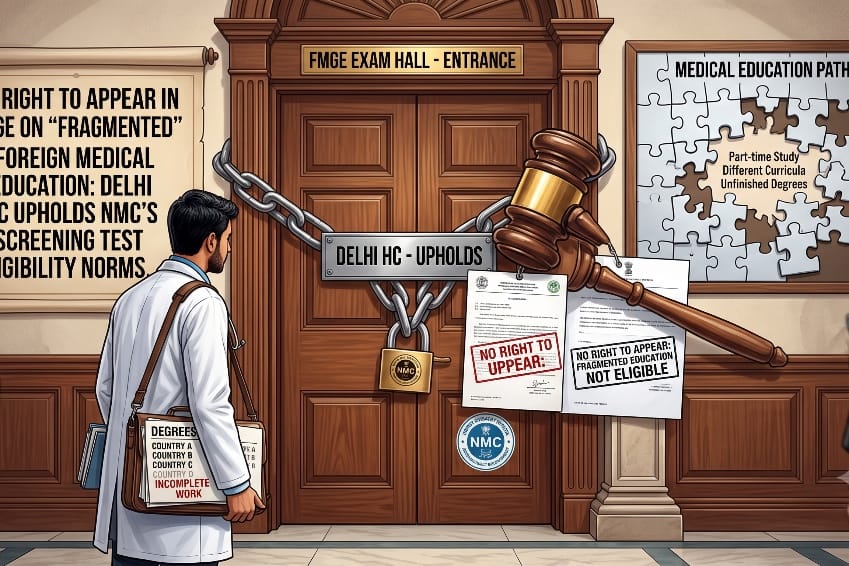
Brij Sharadbhai Bhatt & Ors. v. National Medical Commission & Ors. | High Court of Delhi Division Bench | Decided on: 03.09.2026 The Delhi High Court dismissed a challenge by…