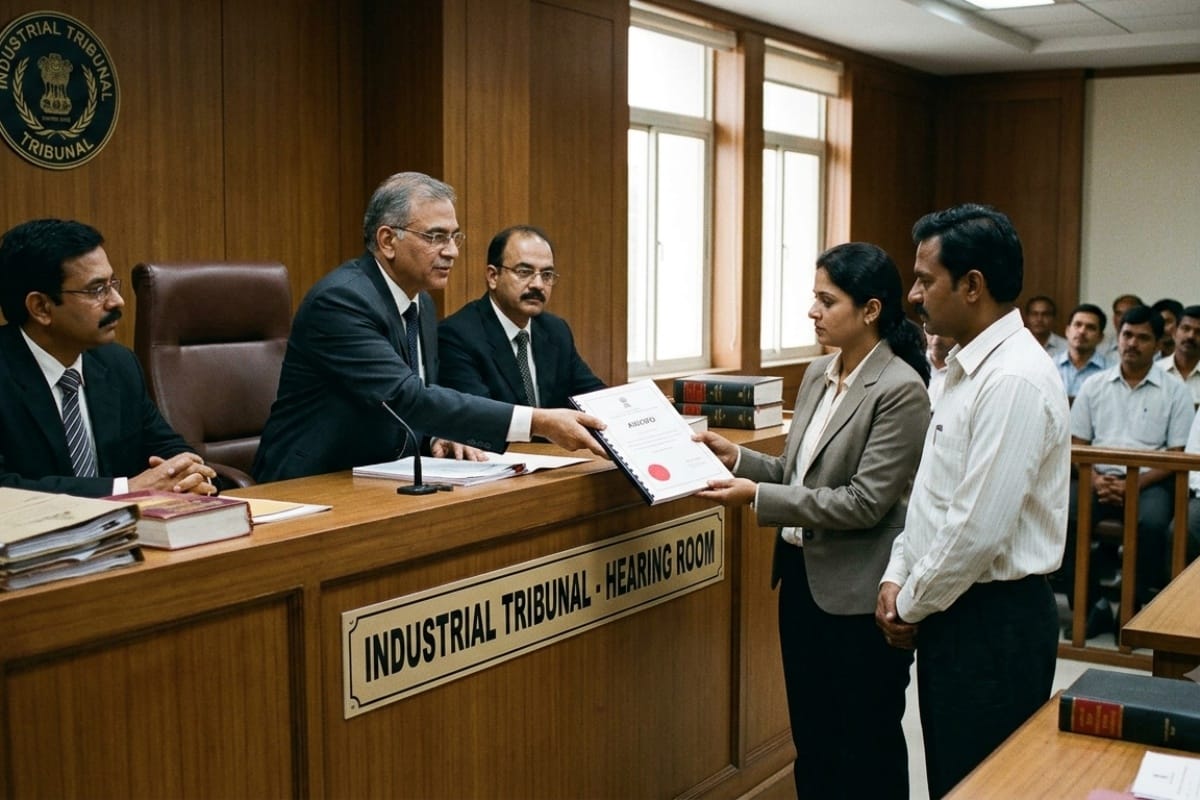
Deciding two connected writ petitions arising from a common Industrial Tribunal Award, the Delhi High Court set aside the Tribunal's direction granting hotel workmen a further…
Labour Laws
06/09/20264 min read
Update / Judgement Date
28 Oct 2025
Source
WCP News Bulletin
Author
Sakshi Bhardwaj — WCP Legal Desk
Reading Time
3 min read
The Delhi High Court held that an amendment seeking cancellation of a General Power of Attorney (GPA) cannot be permitted when the relief is barred by limitation under Article 59 of the Limitation Act, 1963. The Court observed that the substantive relief sought determines the applicable limitation period. Since the prayer for cancellation was introduced nearly eight years after knowledge of the GPA’s misuse, the amendment was clearly time-barred and could not be allowed to revive a stale claim.
• The appellant filed a civil suit in 2016 (CS(OS) 63/2017) seeking declaration and cancellation of thirteen sale deeds executed in respect of land at Village Samalkha, New Delhi, claiming misuse of a General Power of Attorney (GPA) dated 24.07.1987.
• The original plaint did not contain any prayer for cancellation of the GPA itself.
• In 2024, the appellant filed an application to amend the plaint to include a prayer for declaring the GPA null and void, alleging it was fraudulently used by Jaswant Singh Bhullar to execute the sale deeds.
• The Single Judge dismissed the amendment application on 18.11.2024, holding the claim as time-barred under Article 59 of the Limitation Act.
• A review petition (Review Petition 10/2025) was also dismissed on 10.01.2025, leading to the present appeal.
• The substantive relief sought through the amendment was cancellation of the GPA; therefore, Article 59 (three-year limitation) applied, not Article 65 (twelve years for possession).
• The GPA appeared valid on record, and no registered revocation deed had been executed or produced.
• The cause of action accrued when the appellant became aware of the GPA’s alleged misuse — over seven years before the amendment was filed — rendering the relief time-barred.
• The Court reiterated that while amendment rules are interpreted liberally, they cannot be used to revive time-barred claims or change the nature of the suit.
• Allowing such an amendment would prejudice the defendants, who had acquired a valuable right by lapse of limitation.
• The appeal was dismissed.
• The orders of the Single Judge dated 18.11.2024 (rejecting amendment) and 10.01.2025 (rejecting review) were upheld.
• The Court reaffirmed that Article 59 governs cancellation of instruments, and a time-barred right cannot be revived through amendment.
• Article 59, Limitation Act, 1963 – Limitation period for seeking cancellation or setting aside of an instrument (three years).
• Article 65, Limitation Act, 1963 – Limitation period for possession based on title (twelve years).
• Order VI Rule 17, Code of Civil Procedure, 1908 – Amendment of pleadings.
• Relevant Case Law:
– Rajpal Singh v. Saroj, (2022) 15 SCC 260.
– Prem Singh v. Birbal, (2006) 5 SCC 353.
– L.J. Leach & Co. v. Jardine Skinner & Co., AIR 1957 SC 357.
– T.N. Alloy Foundry Co. Ltd. v. T.N. Electricity Board, (2004) 3 SCC 392.
Citation: 2025:DHC:10347
Case: Sh. Inderjeet Singh Bindra v. Smt. Ramesh Kumari & Ors.
Court: High Court of Delhi at New Delhi
Coram: Hon’ble Mr. Justice Anil Kshetarpal
FAO(OS) No.: 29 of 2025
Deciding two connected writ petitions arising from a common Industrial Tribunal Award, the Delhi High Court set aside the Tribunal's direction granting hotel workmen a further…
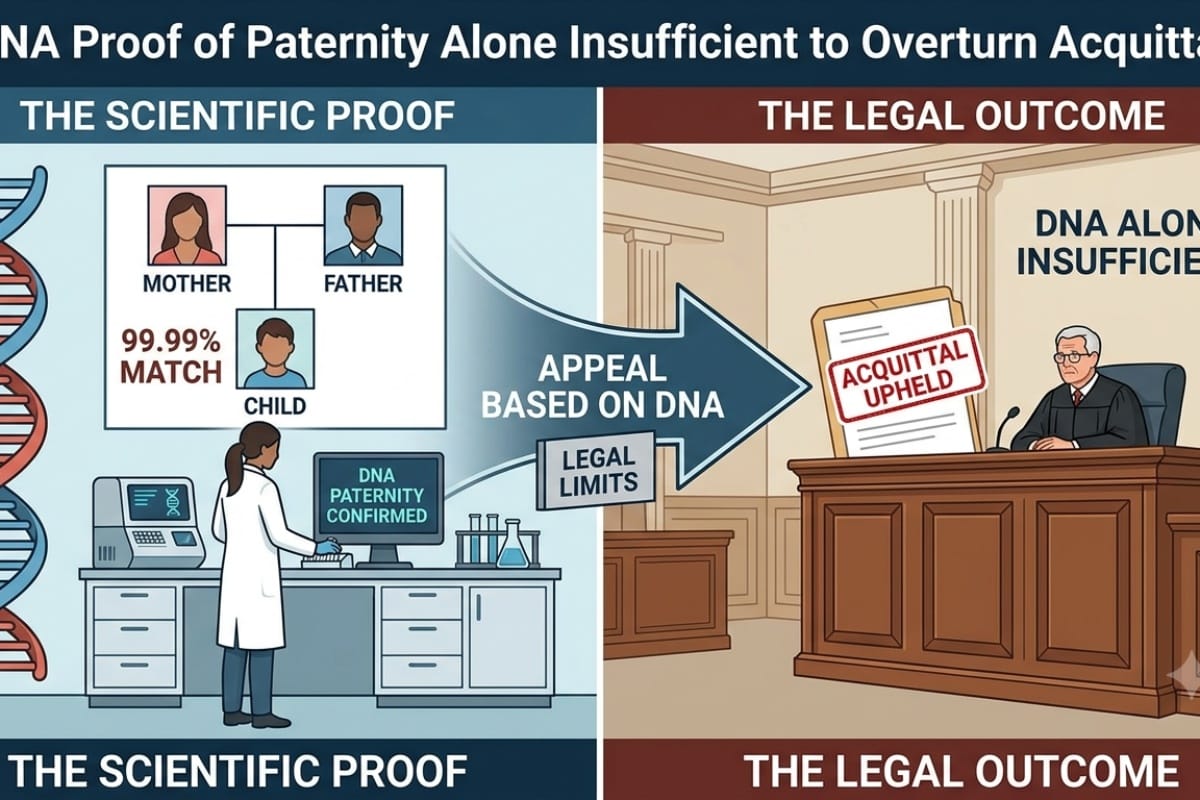
Headnote The Delhi High Court dismissed a prosecutrix's appeal against acquittal of the accused on charges under Sections 328/376 2 n /377/506/509 IPC, despite DNA evidence…
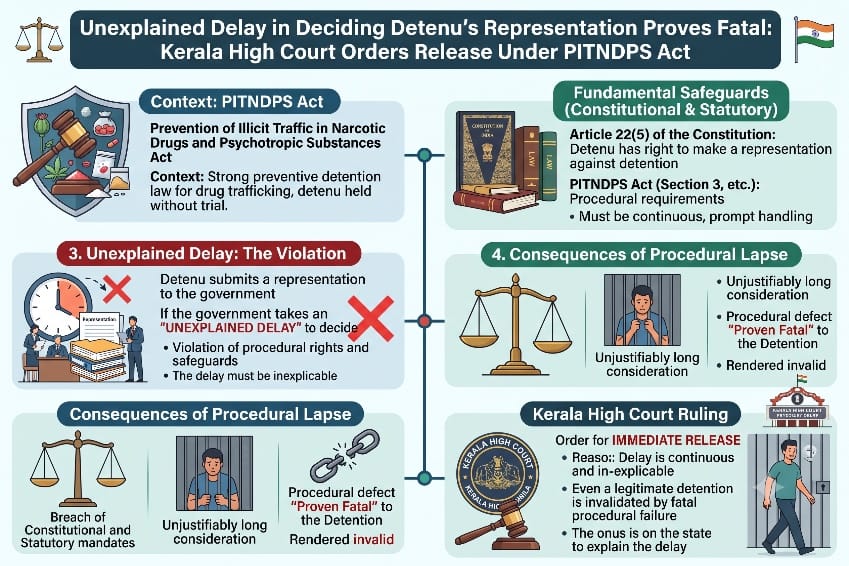
Fathimath Thasneem V.K. v. Union of India and Others | High Court of Kerala at Ernakulam | 3rd September, 2026 A habeas corpus writ petition by the wife of a detenu challenging…
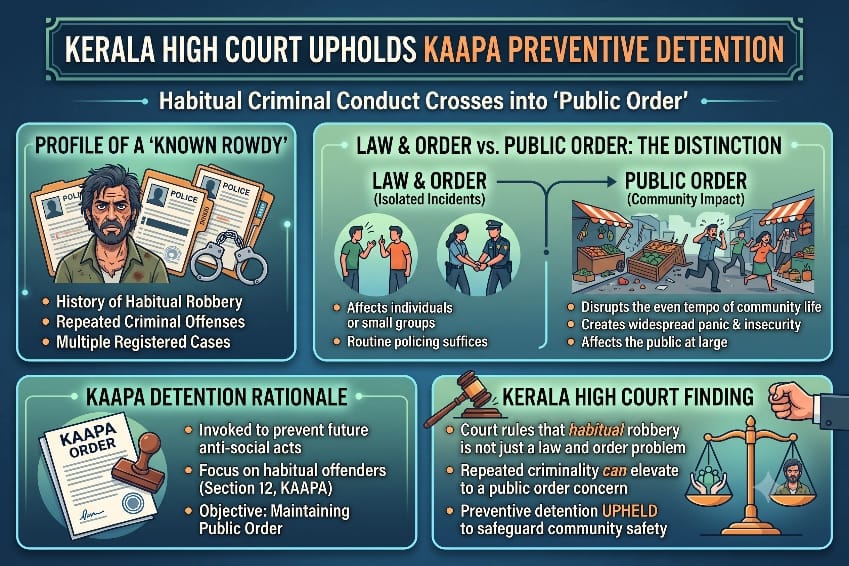
Thasmitha Abukutty v. State of Kerala and Others | High Court of Kerala at Ernakulam | 2nd September, 2026 A writ petition by the wife of a preventive detenu challenging a…
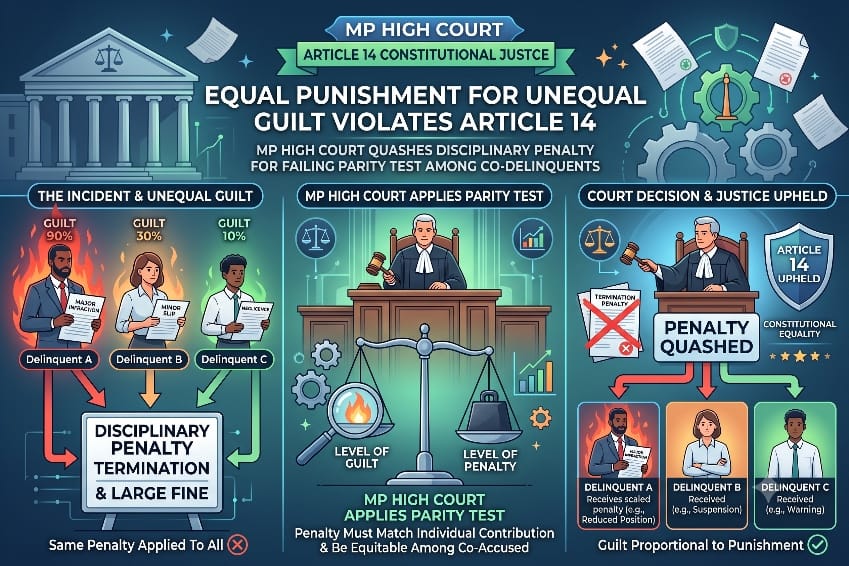
Brahm Kishore Dixit v. The State of Madhya Pradesh and Others | High Court of Madhya Pradesh, Gwalior | 1st September, 2026 A writ petition under Article 226 by a police Assistant…
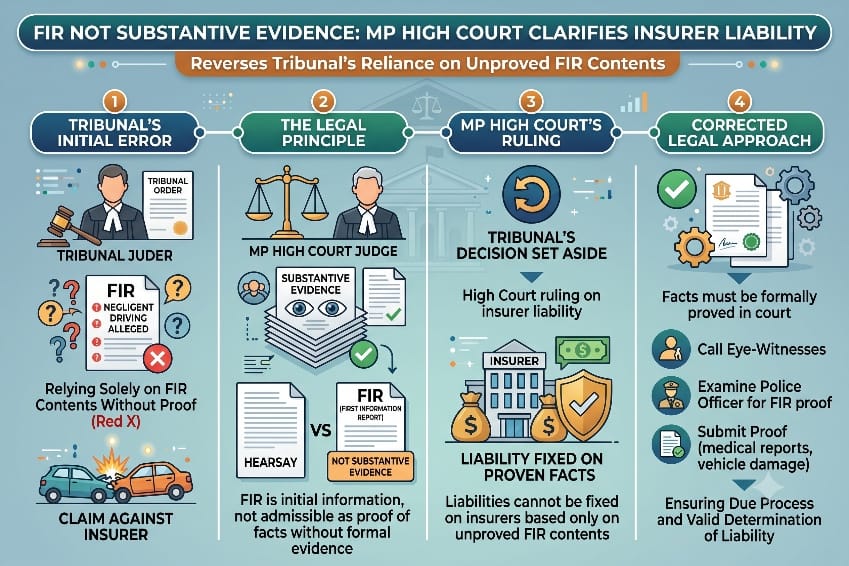
Anil Kumar Patel v. Smt. Munni Bai Barman and Others | High Court of Madhya Pradesh, Jabalpur | 1st September, 2026 A Motor Vehicle Act appeal under Section 173 1 against a Claims…
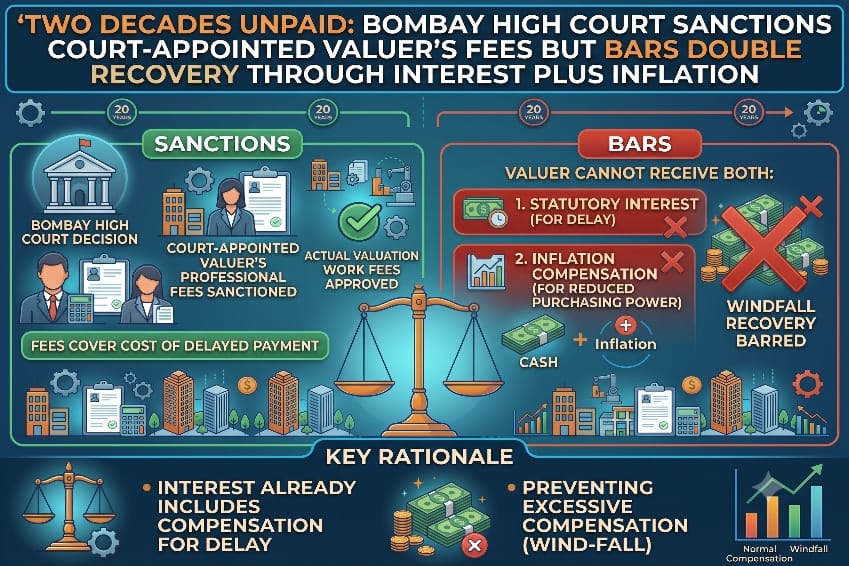
M/s. Kuber Mutual Benefits Ltd. & Ors. v. The State of Maharashtra & Ors. | High Court of Judicature at Bombay Appellate Side | 3rd September, 2026 A Court Receiver's Report…
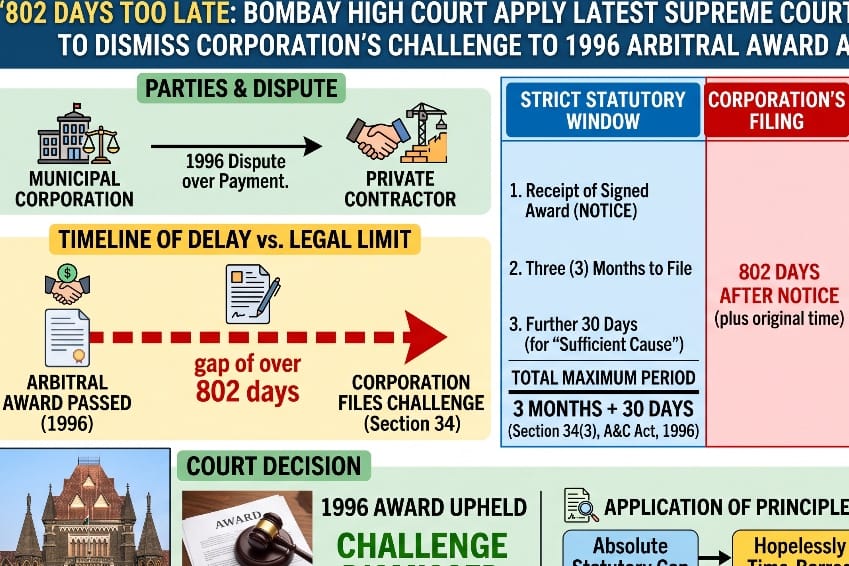
The Municipal Corporation of Greater Bombay v. M/s. Atul Raj Builders Pvt. Ltd. | High Court of Judicature at Bombay Ordinary Original Civil Jurisdiction | 3rd September, 2026 A…
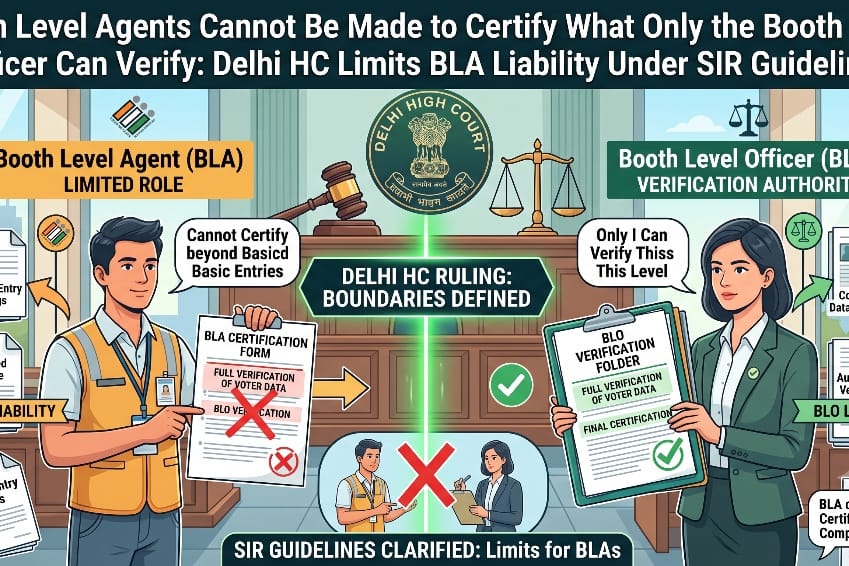
Devender Yadav & Anr. v. Election Commission of India & Anr. | High Court of Delhi Single Judge | Decided on: 03.09.2026 In a challenge to the Election Commission of India's…
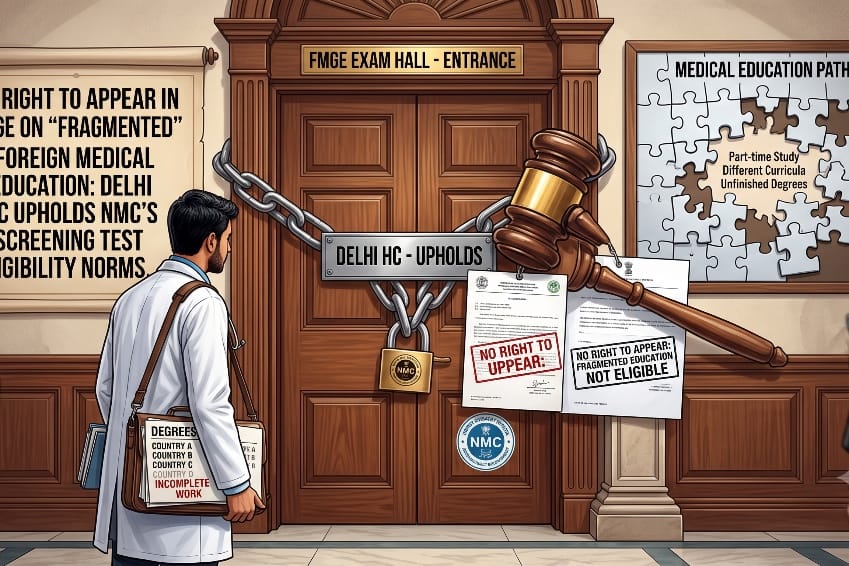
Brij Sharadbhai Bhatt & Ors. v. National Medical Commission & Ors. | High Court of Delhi Division Bench | Decided on: 03.09.2026 The Delhi High Court dismissed a challenge by…