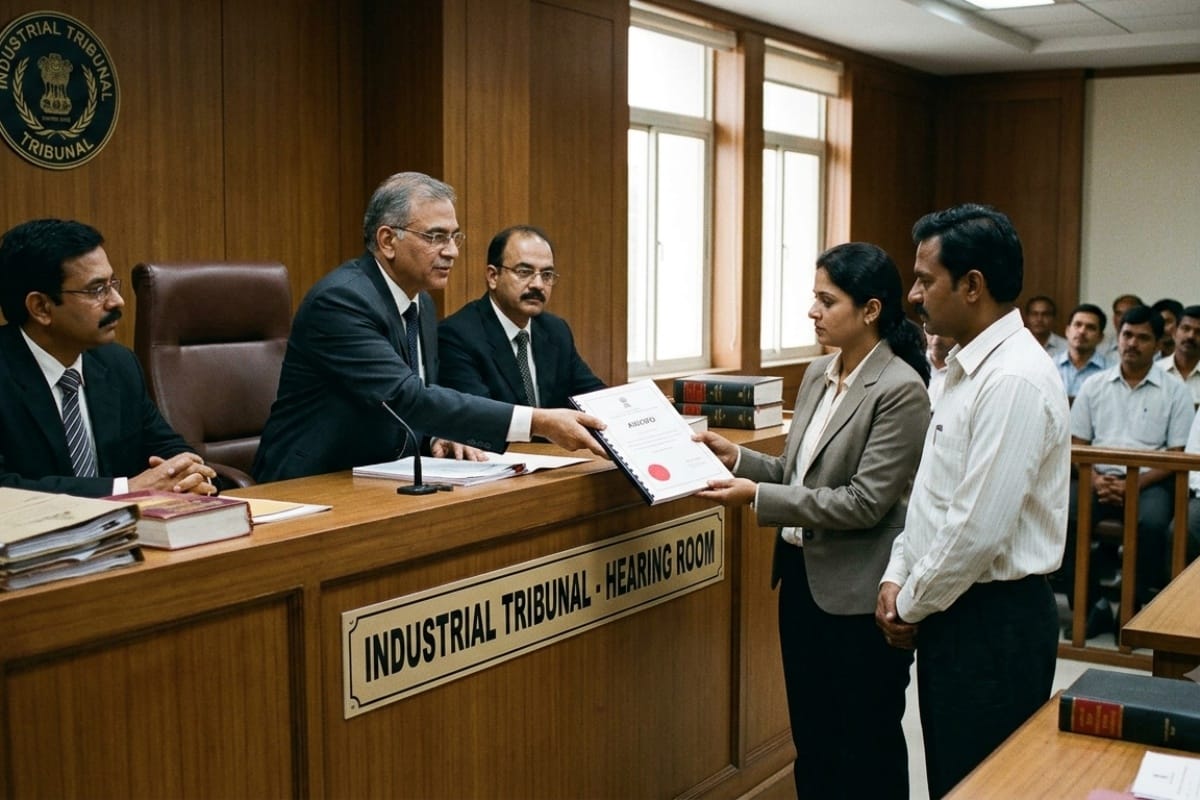
Deciding two connected writ petitions arising from a common Industrial Tribunal Award, the Delhi High Court set aside the Tribunal's direction granting hotel workmen a further…
Labour Laws
06/09/20264 min read
Update / Judgement Date
14 Oct 2025
Source
WCP News Bulletin
Author
Sakshi Bhardwaj — WCP Legal Desk
Reading Time
3 min read
The Delhi High Court dismissed petitions filed by Sunair Hotel Ltd. and its directors seeking quashing of a complaint and summoning order for offences under Sections 211, 34, and 120-B IPC. The Court held that the bar under Section 195(1)(b)(i) CrPC applies only where the alleged false charge is made in or in relation to judicial proceedings. Since the complaints were lodged before the police and not before any court, the statutory bar was inapplicable. The Court upheld the Magistrate’s summoning order, observing that it met the limited prima facie standard required at the stage of issuance of process.
• VLS Finance Ltd. had entered into a Memorandum of Understanding with Sunair Hotels Ltd. in 1995 to finance a five-star hotel project. Subsequent disputes led to multiple litigations and cross-complaints between the parties.
• Sunair filed complaints in 2005 and 2006 alleging that VLS officials had unlawfully procured confidential Income Tax Department records, constituting theft under Sections 379, 411, and 120-B IPC.
• The police closed the complaints after clarification from the Income Tax Department that the documents were not stolen.
• Aggrieved, VLS filed Complaint Case No. 2513/01 alleging that Sunair and its directors had maliciously filed false and baseless complaints to pressurise VLS to withdraw its claims, thus attracting Sections 211, 34, and 120-B IPC.
• The Magistrate, after examining evidence and witnesses, summoned the accused by order dated 16 December 2009. Sunair’s counter-application under Section 340 CrPC was dismissed on the same day.
• At the summoning stage, the Magistrate’s role is limited to determining whether a prima facie case exists; detailed evaluation of evidence is unwarranted.
• Section 211 IPC punishes false institution of criminal proceedings made with intent to cause injury. The material on record indicated that the complaints lodged by Sunair were prima facie false and malicious.
• The Court rejected the contention that the allegations only attracted Section 182 IPC, holding that such determination can be made during trial.
• Referring to M.L. Sethi v. R.P. Kapur and Iqbal Singh Marwah v. Meenakshi Marwah, the Court held that Section 195(1)(b)(i) CrPC applies only when the alleged false charge is made in or in relation to a judicial proceeding. Since the complaints were filed before the police and never matured into court proceedings, the bar was not attracted.
• The Magistrate was therefore competent to take cognizance of the complaint, and the summoning order disclosed due application of mind.
The High Court dismissed the petitions and upheld the summoning order, finding no illegality or procedural impropriety. It clarified that the petitioners were free to raise their legal and factual defences, including the applicability of Section 182 IPC, before the Trial Court.
• Section 211, Indian Penal Code, 1860 (IPC) – False charge of offence made with intent to injure.
• Sections 34 & 120-B, IPC – Common intention and criminal conspiracy.
• Section 195(1)(b)(i), Code of Criminal Procedure, 1973 (CrPC) – Bar to cognizance of certain offences relating to judicial proceedings.
• Section 482, CrPC – Inherent powers of High Court to prevent abuse of process.
• Section 340, CrPC – Procedure in cases regarding offences affecting administration of justice.
Case: Sunair Hotel Ltd. & Ors. v. State & Anr.
Court: High Court of Delhi at New Delhi
Coram: Hon’ble Mr. Justice Sanjeev Narula
Criminal Misc. Case Nos.: CRL.M.C. 1458/2011 & CRL.M.C. 1460/2011
Deciding two connected writ petitions arising from a common Industrial Tribunal Award, the Delhi High Court set aside the Tribunal's direction granting hotel workmen a further…
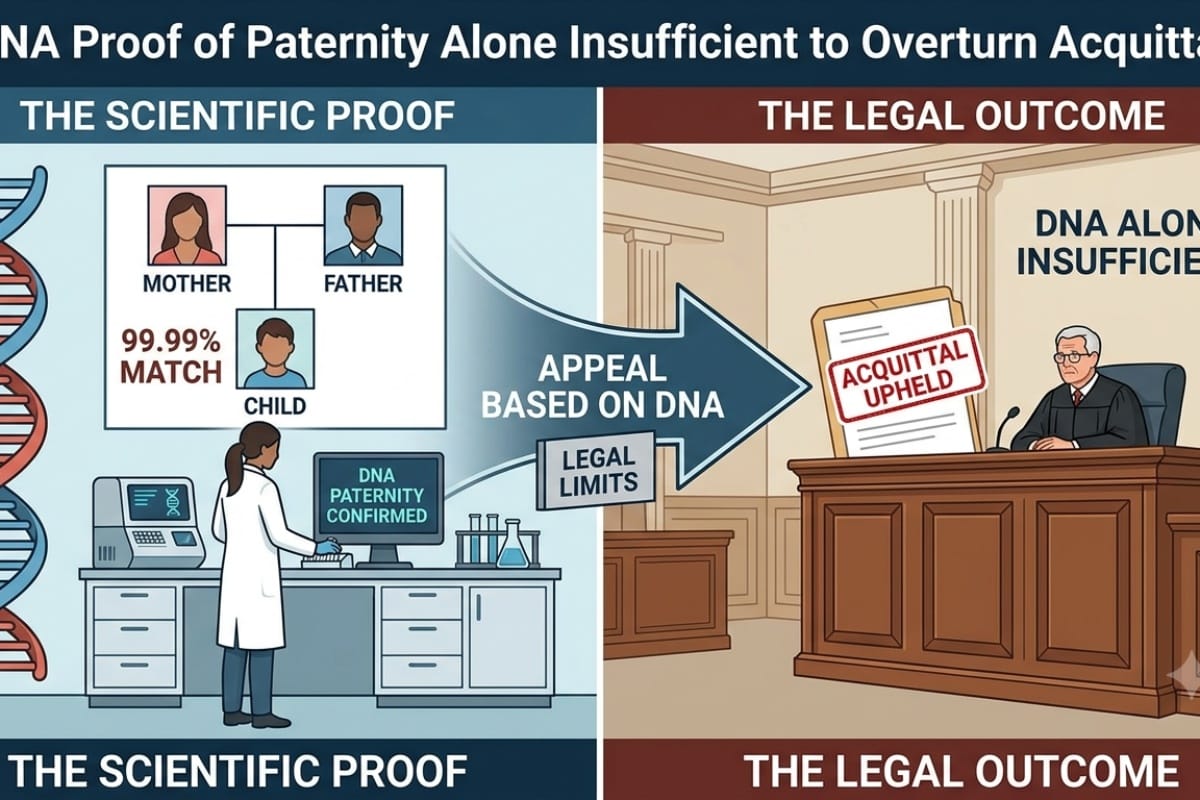
Headnote The Delhi High Court dismissed a prosecutrix's appeal against acquittal of the accused on charges under Sections 328/376 2 n /377/506/509 IPC, despite DNA evidence…
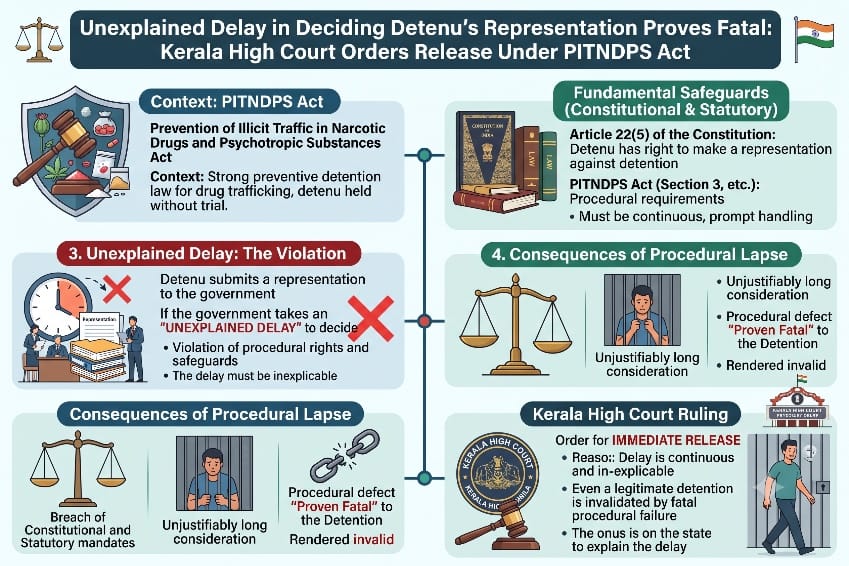
Fathimath Thasneem V.K. v. Union of India and Others | High Court of Kerala at Ernakulam | 3rd September, 2026 A habeas corpus writ petition by the wife of a detenu challenging…
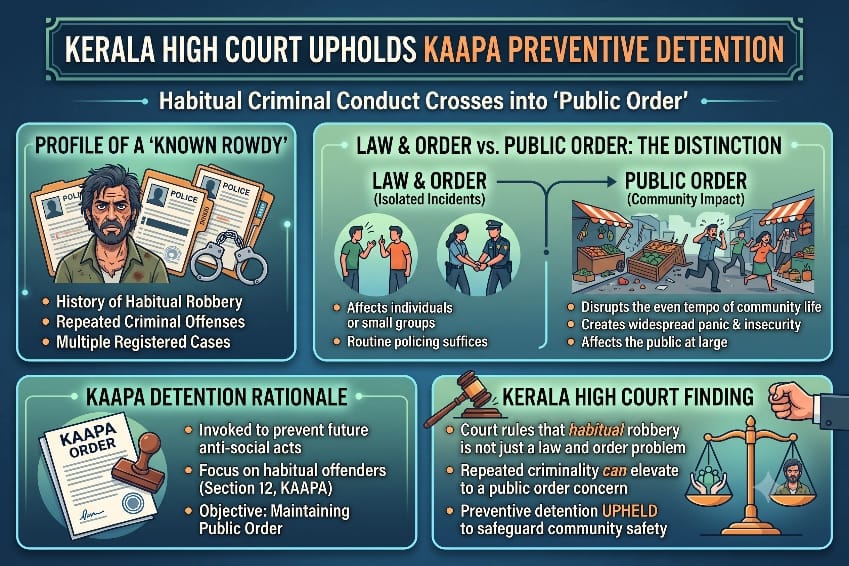
Thasmitha Abukutty v. State of Kerala and Others | High Court of Kerala at Ernakulam | 2nd September, 2026 A writ petition by the wife of a preventive detenu challenging a…
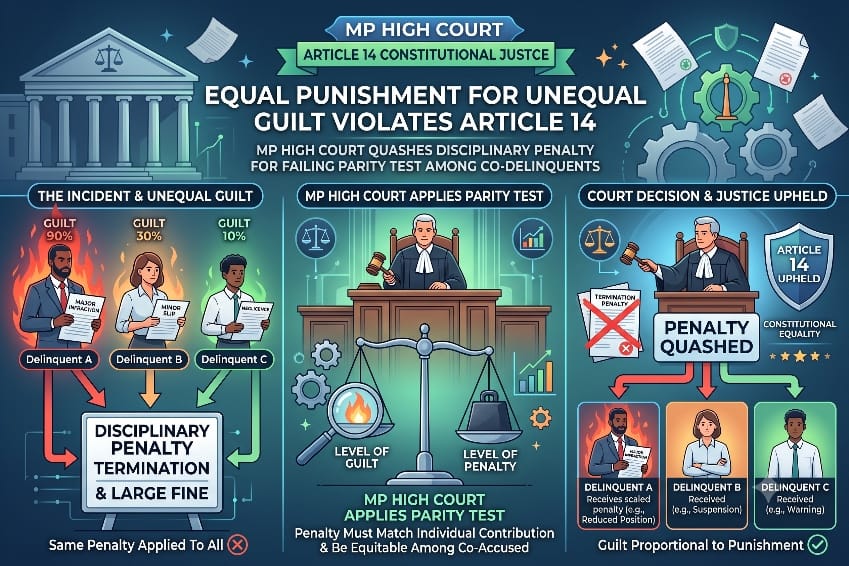
Brahm Kishore Dixit v. The State of Madhya Pradesh and Others | High Court of Madhya Pradesh, Gwalior | 1st September, 2026 A writ petition under Article 226 by a police Assistant…
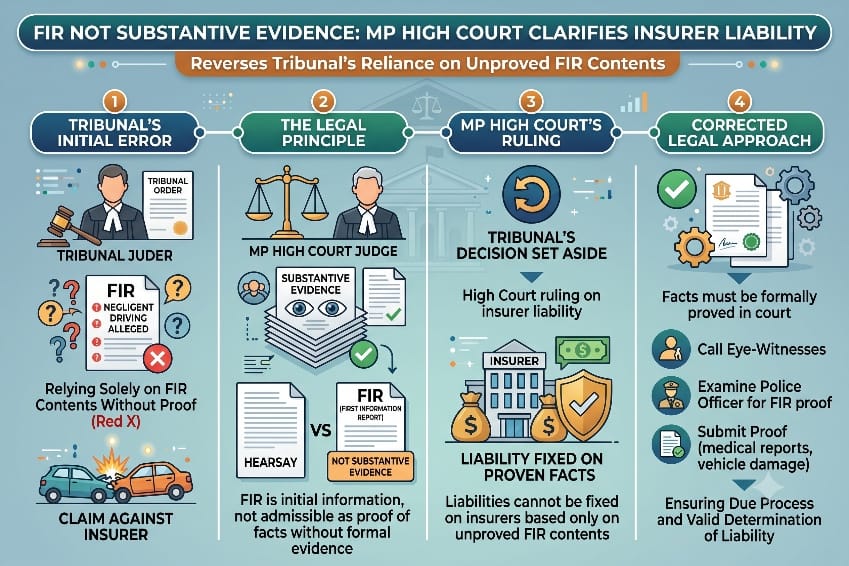
Anil Kumar Patel v. Smt. Munni Bai Barman and Others | High Court of Madhya Pradesh, Jabalpur | 1st September, 2026 A Motor Vehicle Act appeal under Section 173 1 against a Claims…
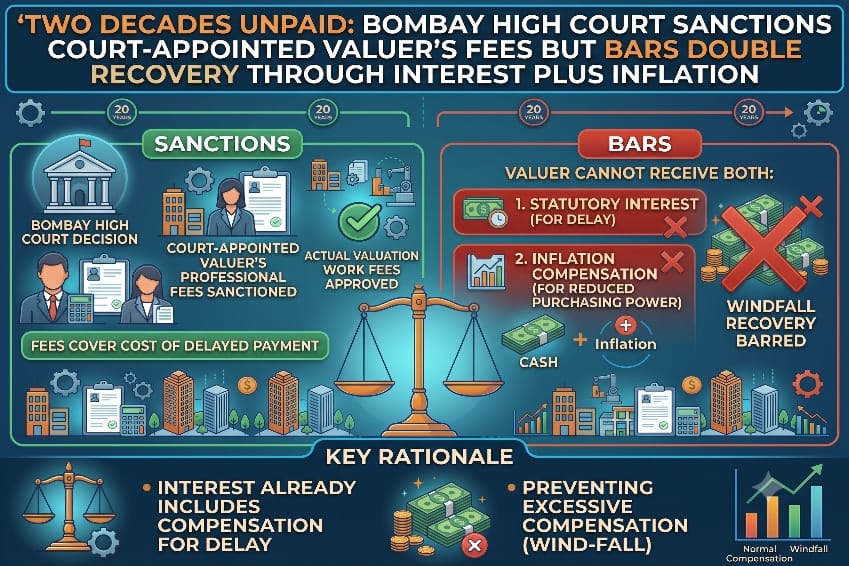
M/s. Kuber Mutual Benefits Ltd. & Ors. v. The State of Maharashtra & Ors. | High Court of Judicature at Bombay Appellate Side | 3rd September, 2026 A Court Receiver's Report…
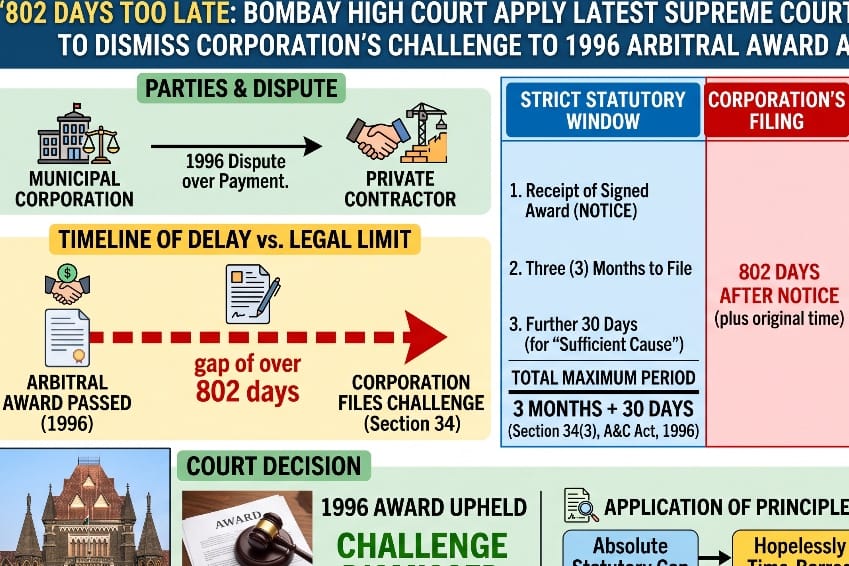
The Municipal Corporation of Greater Bombay v. M/s. Atul Raj Builders Pvt. Ltd. | High Court of Judicature at Bombay Ordinary Original Civil Jurisdiction | 3rd September, 2026 A…
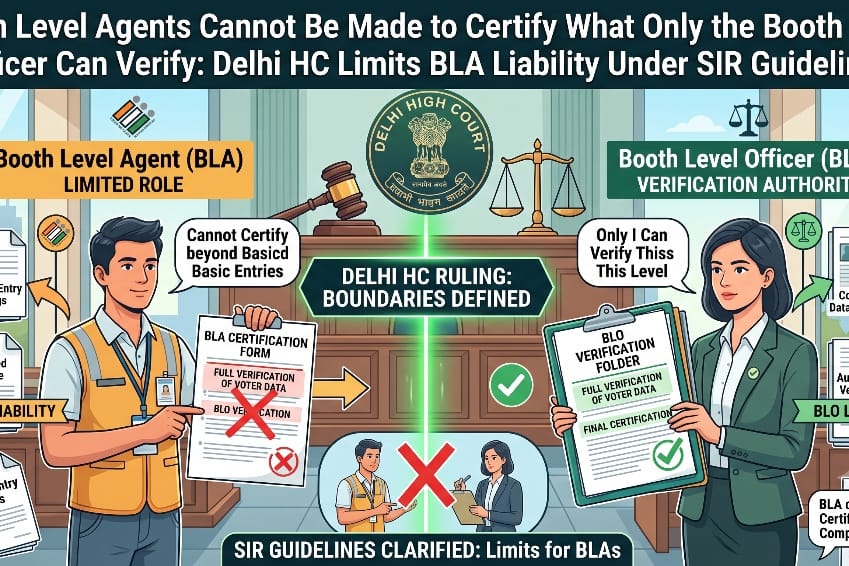
Devender Yadav & Anr. v. Election Commission of India & Anr. | High Court of Delhi Single Judge | Decided on: 03.09.2026 In a challenge to the Election Commission of India's…
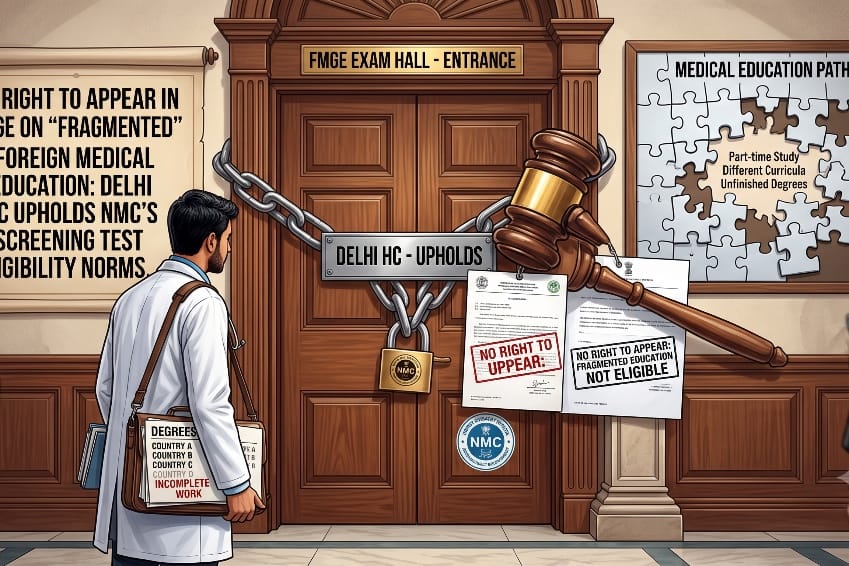
Brij Sharadbhai Bhatt & Ors. v. National Medical Commission & Ors. | High Court of Delhi Division Bench | Decided on: 03.09.2026 The Delhi High Court dismissed a challenge by…