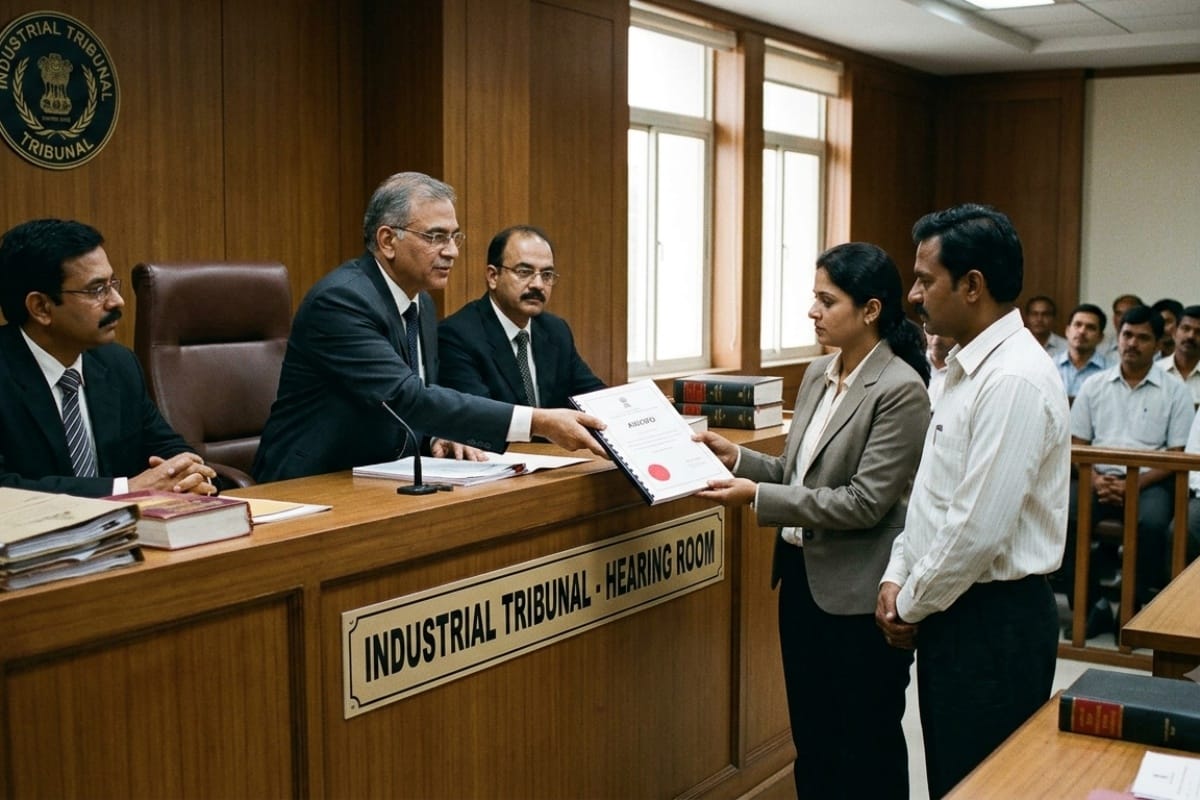
Deciding two connected writ petitions arising from a common Industrial Tribunal Award, the Delhi High Court set aside the Tribunal's direction granting hotel workmen a further…
Labour Laws
06/09/20264 min read
Update / Judgement Date
27 Oct 2025
Source
WCP News Bulletin
Author
Sakshi Bhardwaj — WCP Legal Desk
Reading Time
4 min read
The Delhi High Court upheld the conviction and ten-year sentence of the appellant for attempting to commit penetrative sexual assault on a nine-year-old girl under Section 18 read with Sections 5(m) and 5(n) of the Protection of Children from Sexual Offences Act, 2012 (POCSO Act) and Section 511 read with Section 376AB of the Indian Penal Code, 1860 (IPC). The Court held that an intact hymen does not negate the possibility of an attempted sexual assault, and the presence of the appellant’s semen on the child’s clothes provided strong forensic corroboration. The plea of intoxication was rejected, and the presumption under Section 29 of the POCSO Act was held unrebutted.
• The appellant, the maternal uncle of the nine-year-old victim, was convicted by the Trial Court for attempting to commit rape on the child while she was sleeping at her aunt’s house on the night of 18–19 February 2022.
• The victim’s mother found the appellant leaving the room while zipping his pants and noticed a substance on the child’s clothes. An FIR was registered under Sections 376/511 IPC and Sections 6/18 of the POCSO Act.
• The medical examination revealed the hymen was intact, but forensic reports detected semen stains on the victim’s lower garment matching the DNA profile of the appellant.
• The Trial Court convicted the appellant and sentenced him to ten years’ rigorous imprisonment and a fine of ₹10,000.
• The appellant filed an appeal challenging his conviction, arguing contradictions in testimony, tampering with evidence, and intoxication as a defence.
• Sections 29 and 30 of the POCSO Act create a statutory presumption once the child testifies to the commission or attempt of a sexual offence, shifting the burden of proof to the accused.
• The victim’s testimony, corroborated by her parents’ depositions and forensic evidence linking semen stains to the appellant, formed a consistent and credible chain of evidence.
• The Court rejected the argument that an intact hymen disproved assault, citing Deepak Kumar Sahu v. State of Chhattisgarh (2025 INSC 929) and Wahid Khan v. State of M.P., [(2010) 2 SCC 9], noting that the slightest penetration or attempt suffices under the law.
• The mother’s act of changing the child’s clothes before medical examination was deemed natural and not fatal to the prosecution case.
• The defence’s claim of intoxication was unsupported by medical evidence. Even assuming intoxication, it was insufficient to negate mens rea under criminal law.
• Non-examination of other relatives present in the house was immaterial as the material witnesses (victim and her parents) were credible.
• The appellant’s shifting and inconsistent defences weakened his case and failed to rebut the statutory presumption.
• Section 18, POCSO Act, 2012 – Punishment for attempt to commit an offence.
• Sections 5(m) & 5(n), POCSO Act – Aggravated penetrative sexual assault on a child below twelve years, particularly by a relative.
• Section 511 read with Section 376AB, IPC – Attempt to commit rape on a woman under twelve years.
• Sections 29 & 30, POCSO Act – Presumption of guilt and culpable mental state.
• Section 164, Cr.P.C. – Recording of statements.
The Court found no infirmity in the findings of the Trial Court and held that the prosecution had proved the appellant’s guilt beyond reasonable doubt. The statutory presumption under Section 29 of the POCSO Act stood unrebutted.
The appeal was dismissed, and the conviction and sentence of ten years’ rigorous imprisonment with ₹10,000 fine were affirmed.
Citation: 2025:DHC:XXXXX
Case: Jai Mangal Mehto v. State (Govt. of NCT of Delhi)
Court: High Court of Delhi at New Delhi
Coram: Hon’ble Dr. Justice Swarana Kanta Sharma
Criminal Appeal No.: CRL.A. 123/2025 & CRL.M.(BAIL) 215/2025
Deciding two connected writ petitions arising from a common Industrial Tribunal Award, the Delhi High Court set aside the Tribunal's direction granting hotel workmen a further…
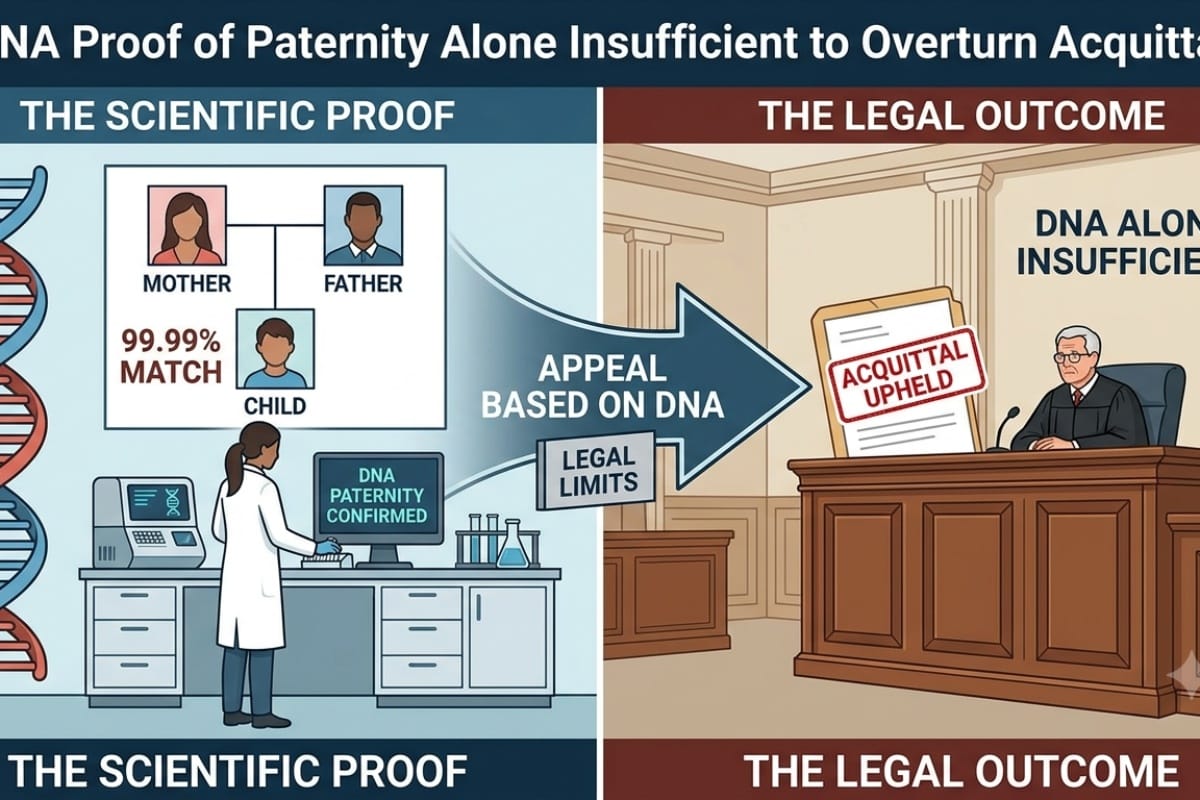
Headnote The Delhi High Court dismissed a prosecutrix's appeal against acquittal of the accused on charges under Sections 328/376 2 n /377/506/509 IPC, despite DNA evidence…
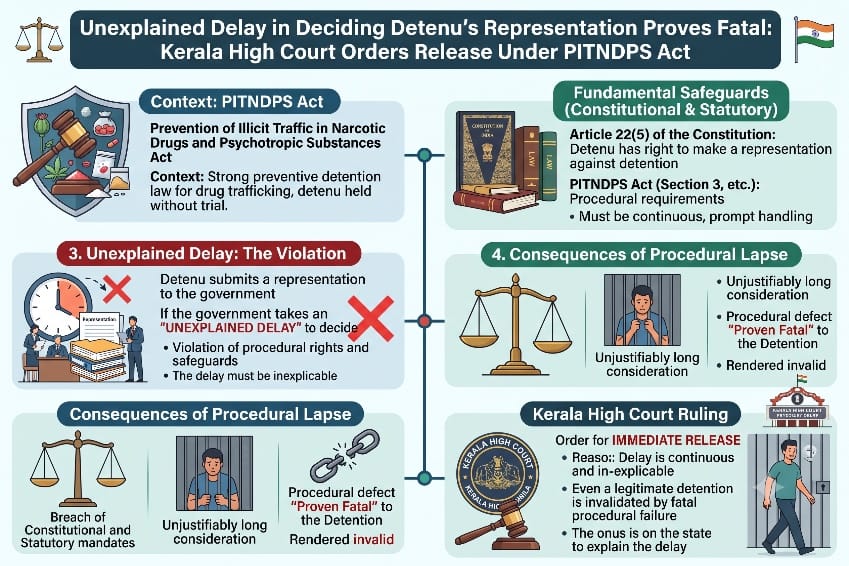
Fathimath Thasneem V.K. v. Union of India and Others | High Court of Kerala at Ernakulam | 3rd September, 2026 A habeas corpus writ petition by the wife of a detenu challenging…
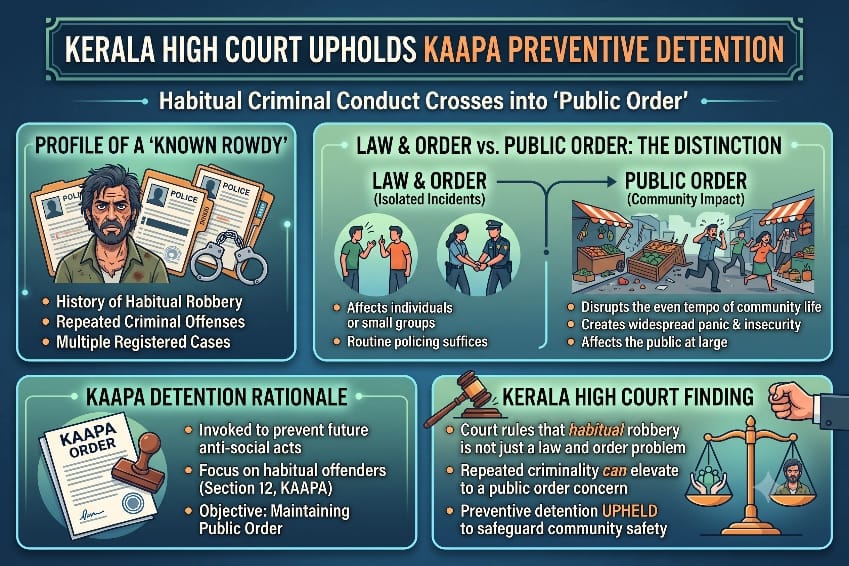
Thasmitha Abukutty v. State of Kerala and Others | High Court of Kerala at Ernakulam | 2nd September, 2026 A writ petition by the wife of a preventive detenu challenging a…
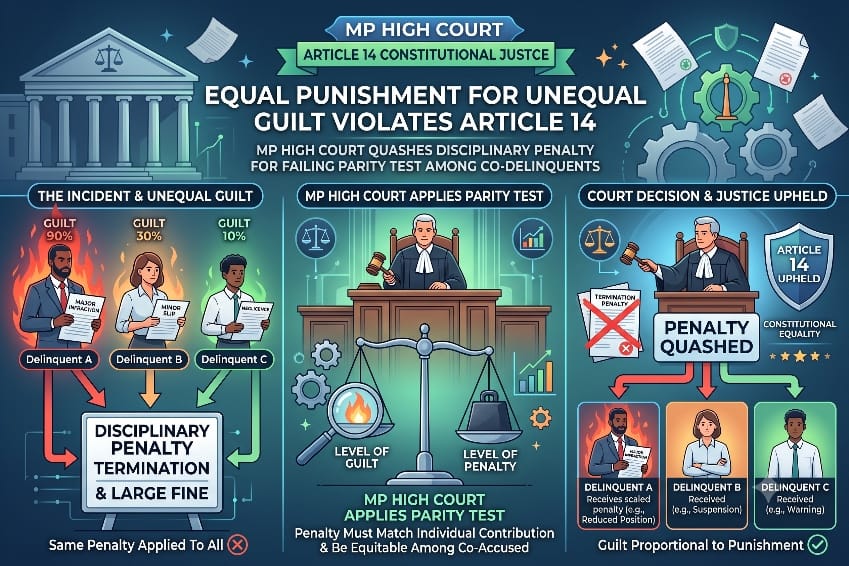
Brahm Kishore Dixit v. The State of Madhya Pradesh and Others | High Court of Madhya Pradesh, Gwalior | 1st September, 2026 A writ petition under Article 226 by a police Assistant…
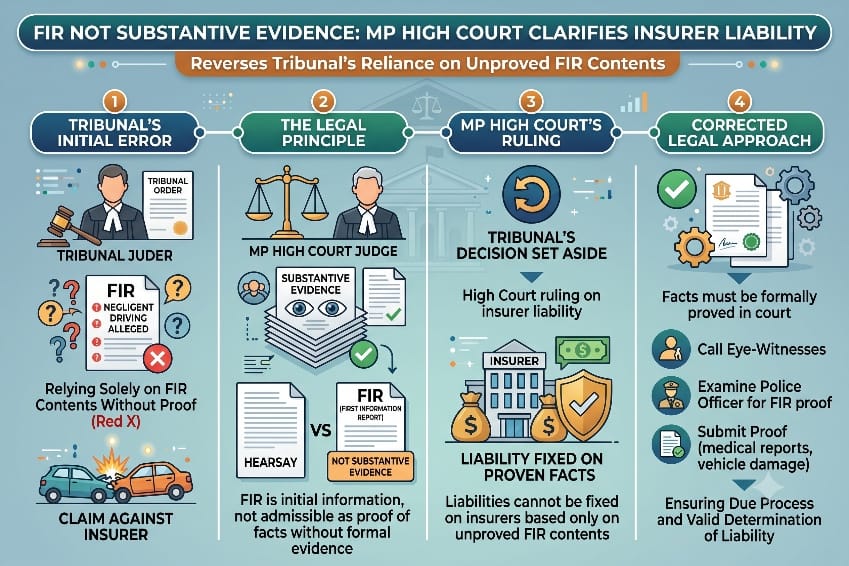
Anil Kumar Patel v. Smt. Munni Bai Barman and Others | High Court of Madhya Pradesh, Jabalpur | 1st September, 2026 A Motor Vehicle Act appeal under Section 173 1 against a Claims…
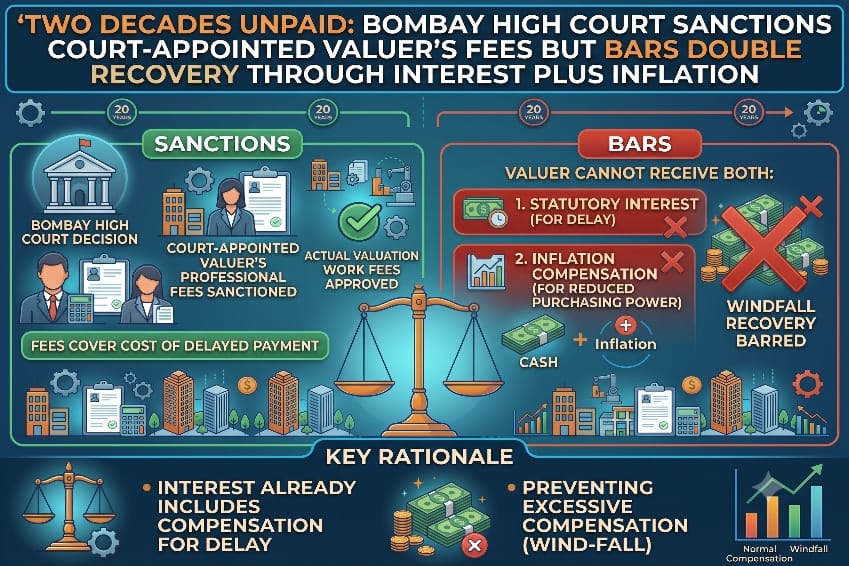
M/s. Kuber Mutual Benefits Ltd. & Ors. v. The State of Maharashtra & Ors. | High Court of Judicature at Bombay Appellate Side | 3rd September, 2026 A Court Receiver's Report…
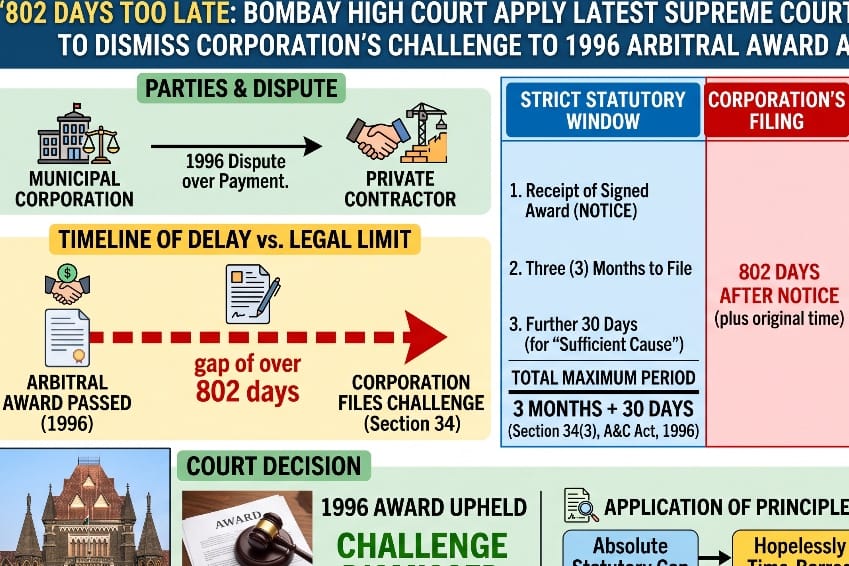
The Municipal Corporation of Greater Bombay v. M/s. Atul Raj Builders Pvt. Ltd. | High Court of Judicature at Bombay Ordinary Original Civil Jurisdiction | 3rd September, 2026 A…
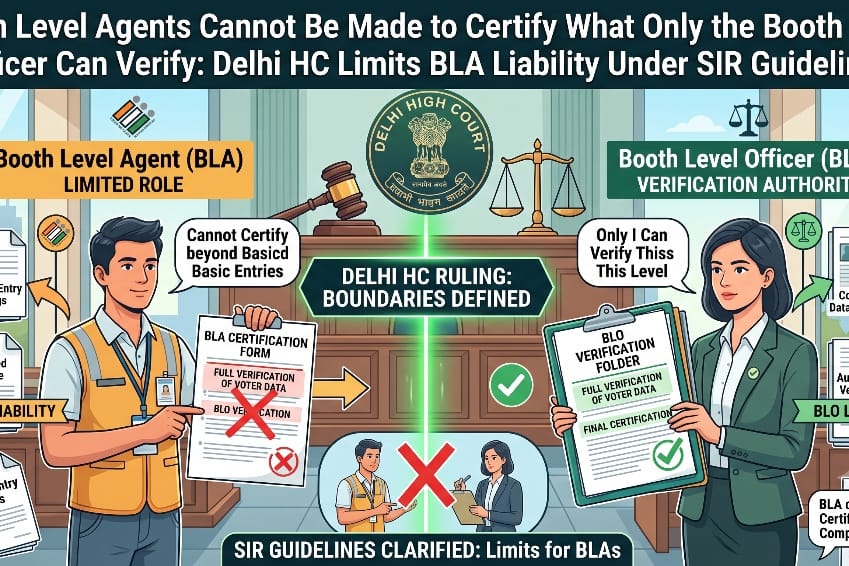
Devender Yadav & Anr. v. Election Commission of India & Anr. | High Court of Delhi Single Judge | Decided on: 03.09.2026 In a challenge to the Election Commission of India's…
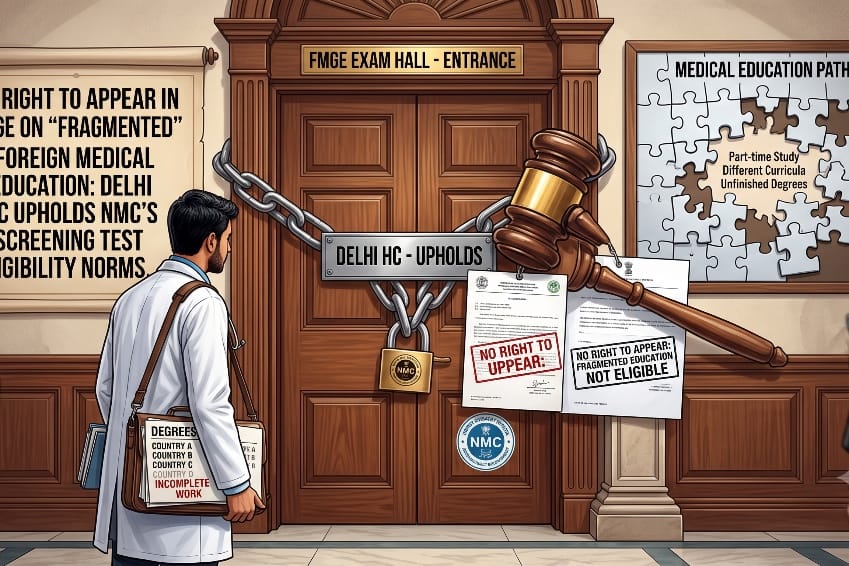
Brij Sharadbhai Bhatt & Ors. v. National Medical Commission & Ors. | High Court of Delhi Division Bench | Decided on: 03.09.2026 The Delhi High Court dismissed a challenge by…