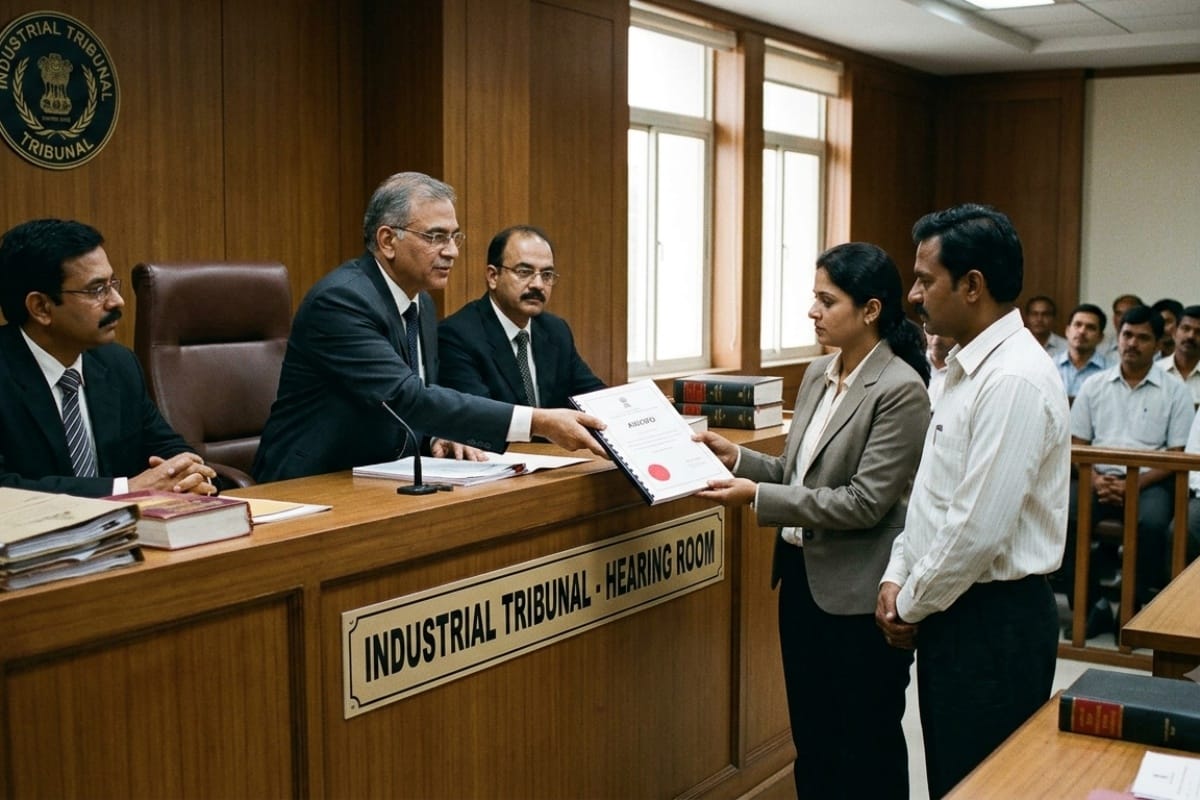
Deciding two connected writ petitions arising from a common Industrial Tribunal Award, the Delhi High Court set aside the Tribunal's direction granting hotel workmen a further…
Labour Laws
06/09/20264 min read
Update / Judgement Date
04 Nov 2025
Source
WCP News Bulletin
Author
Sakshi Bhardwaj — WCP Legal Desk
Reading Time
4 min read
The Delhi High Court upheld a Family Court’s order granting interim custody of a minor girl to her father, rejecting the mother’s plea for custody. Although the child was below five years of age, the Court ruled that statutory preference for maternal custody under Section 6(a) of the Hindu Minority and Guardianship Act, 1956, is subject to the paramount consideration of the child’s welfare. The Court found that the mother, a Russian national without stable residence or income in India, posed a real risk of leaving the country with the child, justifying the custody decision in favour of the father.
• The appellant-mother, Irina Tankha, a Russian national who converted to Hinduism upon marriage, and the respondent-father, Anirudh N. Tankha, were married in 2013 under Hindu rites.
• Their daughter was born in Russia on 8 June 2021, holding a Russian passport.
• The couple’s relationship deteriorated after alleged domestic abuse, leading the mother to leave Dehradun and seek refuge with the Russian Embassy in Delhi before moving to Goa.
• The father filed a guardianship petition under Sections 7, 8, and 9 of the Guardians and Wards Act, 1890 (GWA), seeking custody.
• The Family Court (Dehradun) initially restrained the mother from leaving India with the child. The Supreme Court later transferred the matter to the Patiala House Family Court, Delhi.
• On 1 February 2025, the Family Court granted interim custody to the father, providing the mother with visitation rights and financial support for accommodation and maintenance.
• The Court reiterated that child welfare is the dominant consideration in custody matters, superseding statutory parental preferences.
• Though Section 6(a) of the Hindu Minority and Guardianship Act generally favours the mother for children under five, the Court held that this is not absolute where other welfare factors indicate otherwise.
• The Court found a genuine risk of jurisdictional evasion, as the mother, being a foreign national with no stable residence or income, had previously expressed intent to return to Russia permanently.
• The father was financially stable, had family support in Dehradun, and could provide a consistent environment conducive to the child’s welfare.
• The Court referred to Prateek Gupta v. Shilpi Gupta (2017 SCC OnLine SC 1421) and Gaurav Nagpal v. Sumedha Nagpal (2009) 1 SCC 42, emphasizing that welfare, not parental right, is decisive.
• The bench also noted that since India is not a signatory to the Hague Convention, permitting the child to leave India could make future custody enforcement jurisdictionally impossible.
• The Court approved the Family Court’s safeguards allowing visitation rights and communication for the mother to maintain emotional connection with the child.
• The appeal was dismissed.
• The interim custody of the child remains with the father.
• The mother retains visitation and communication rights as granted by the Family Court.
• The Court held that welfare, stability, and enforceability of custody orders outweighed the mother’s preferential statutory claim.
• Section 6(a), Hindu Minority and Guardianship Act, 1956 – Natural guardianship of minor children; maternal preference for children under five years.
• Sections 7, 8 & 9, Guardians and Wards Act, 1890 – Jurisdiction and powers of the court regarding guardianship and custody.
• Article 226, Constitution of India – Supervisory and writ jurisdiction of High Courts.
• Principle of Welfare of the Child – Paramount consideration in all custody and guardianship disputes
Citation: 2025:DEL:71420
Case: Irina Tankha v. Anirudh N. Tankha
Court: High Court of Delhi at New Delhi
Date of Decision: 4 November 2025
Matter: MAT.APP.(F.C.) 55/2025
Deciding two connected writ petitions arising from a common Industrial Tribunal Award, the Delhi High Court set aside the Tribunal's direction granting hotel workmen a further…
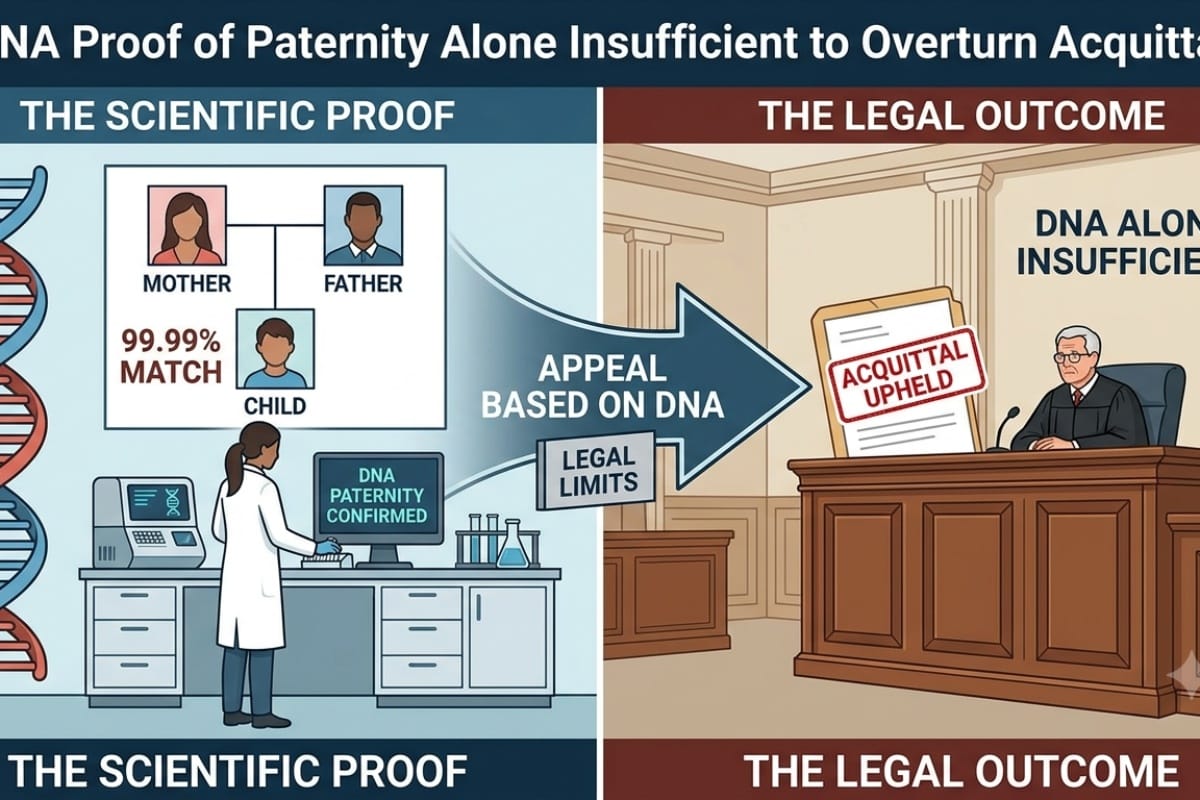
Headnote The Delhi High Court dismissed a prosecutrix's appeal against acquittal of the accused on charges under Sections 328/376 2 n /377/506/509 IPC, despite DNA evidence…
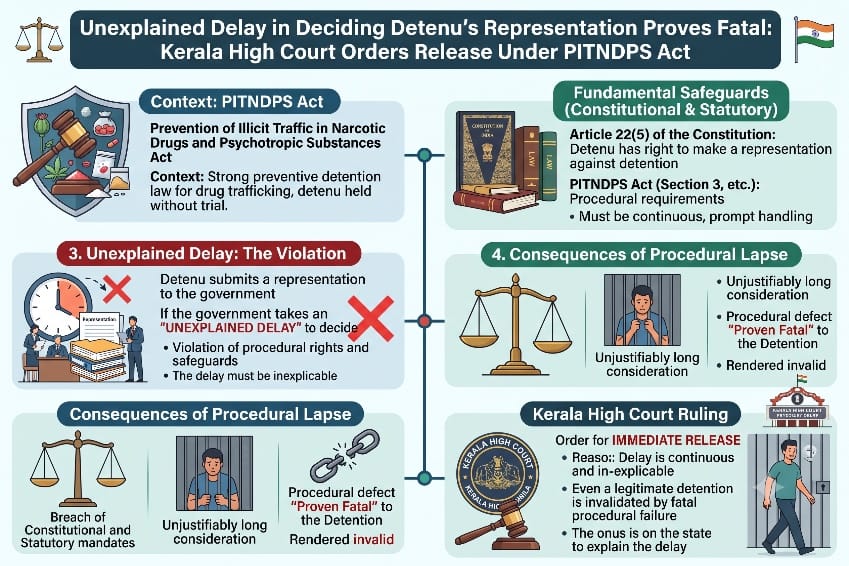
Fathimath Thasneem V.K. v. Union of India and Others | High Court of Kerala at Ernakulam | 3rd September, 2026 A habeas corpus writ petition by the wife of a detenu challenging…
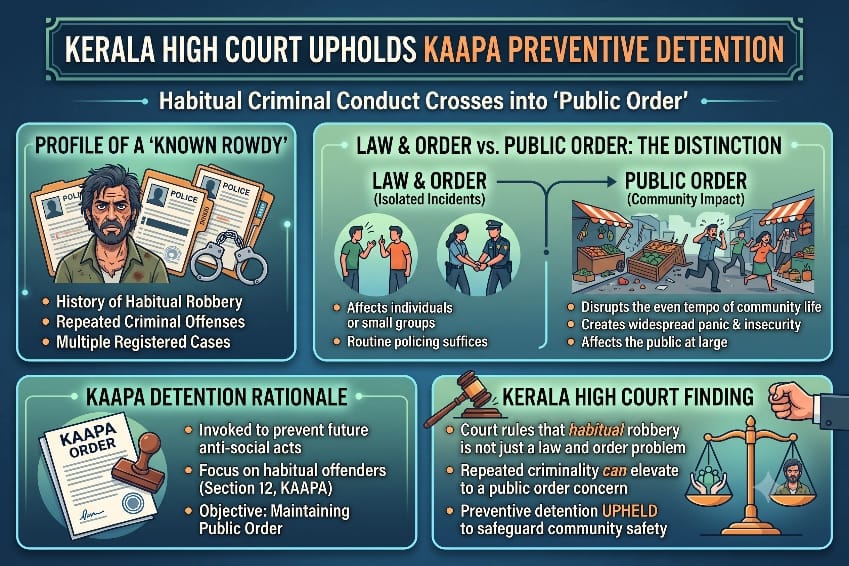
Thasmitha Abukutty v. State of Kerala and Others | High Court of Kerala at Ernakulam | 2nd September, 2026 A writ petition by the wife of a preventive detenu challenging a…
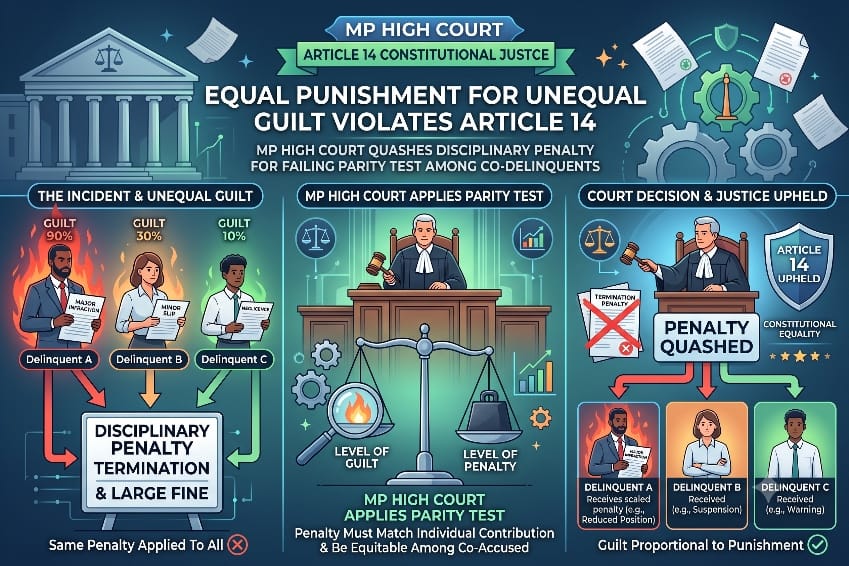
Brahm Kishore Dixit v. The State of Madhya Pradesh and Others | High Court of Madhya Pradesh, Gwalior | 1st September, 2026 A writ petition under Article 226 by a police Assistant…
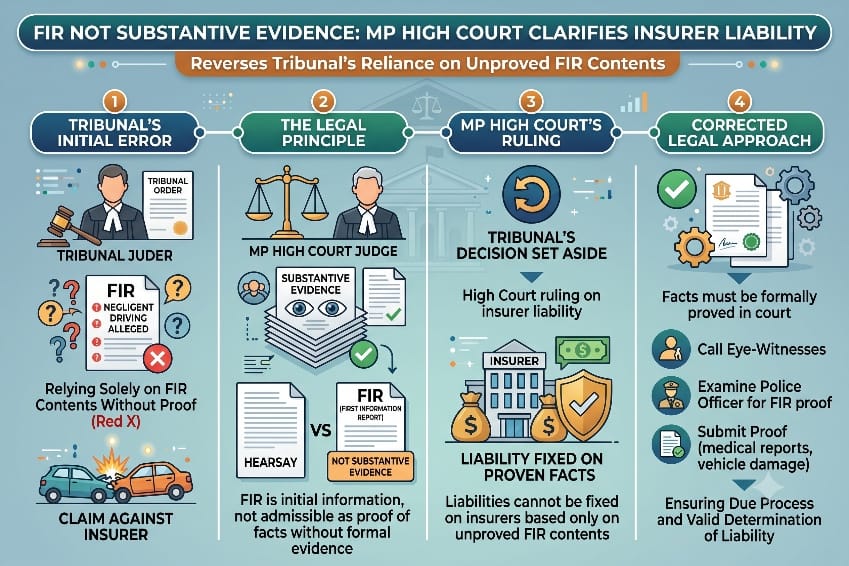
Anil Kumar Patel v. Smt. Munni Bai Barman and Others | High Court of Madhya Pradesh, Jabalpur | 1st September, 2026 A Motor Vehicle Act appeal under Section 173 1 against a Claims…
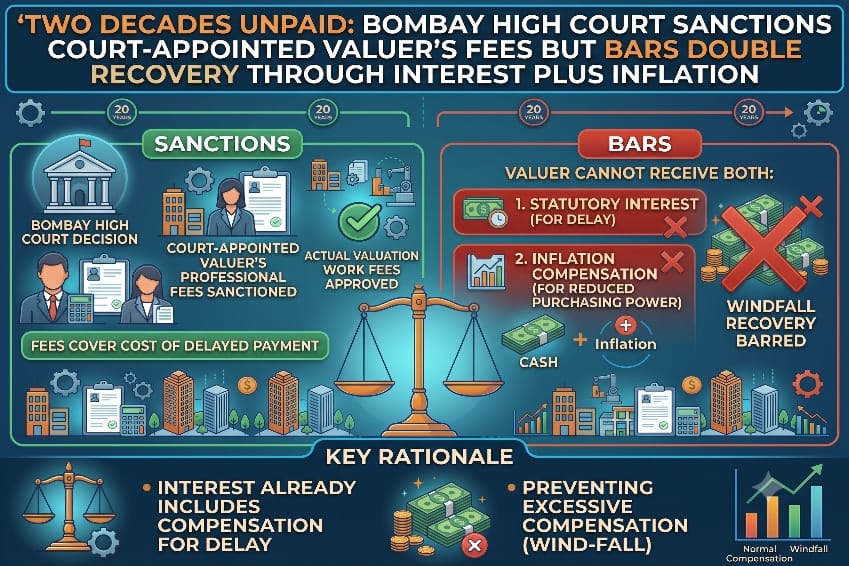
M/s. Kuber Mutual Benefits Ltd. & Ors. v. The State of Maharashtra & Ors. | High Court of Judicature at Bombay Appellate Side | 3rd September, 2026 A Court Receiver's Report…
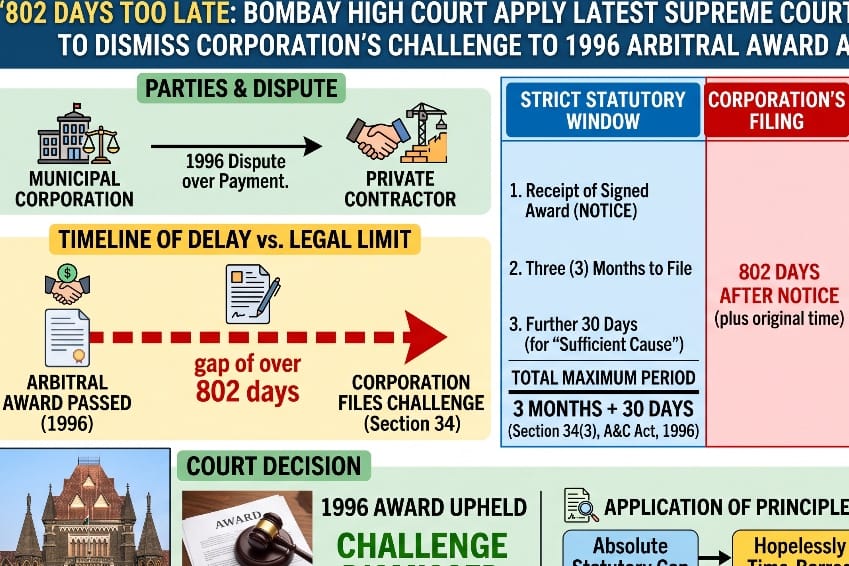
The Municipal Corporation of Greater Bombay v. M/s. Atul Raj Builders Pvt. Ltd. | High Court of Judicature at Bombay Ordinary Original Civil Jurisdiction | 3rd September, 2026 A…

Devender Yadav & Anr. v. Election Commission of India & Anr. | High Court of Delhi Single Judge | Decided on: 03.09.2026 In a challenge to the Election Commission of India's…
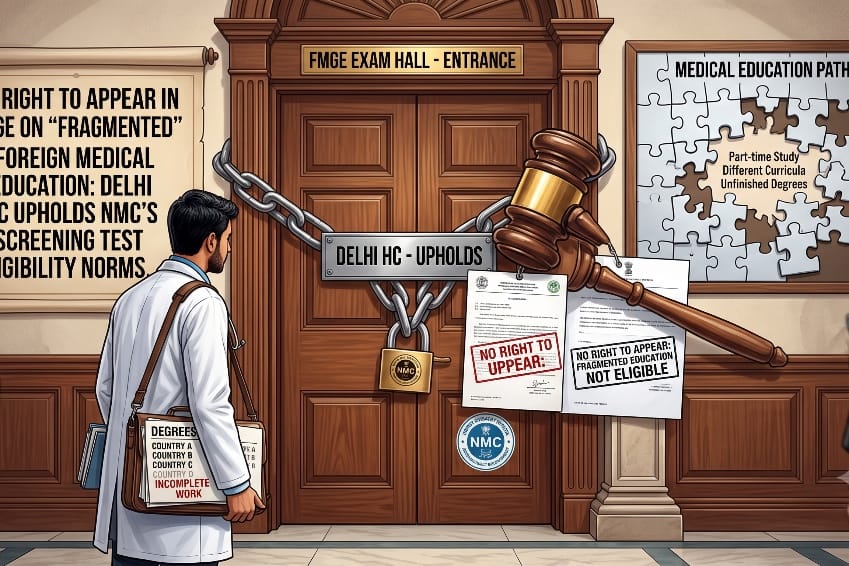
Brij Sharadbhai Bhatt & Ors. v. National Medical Commission & Ors. | High Court of Delhi Division Bench | Decided on: 03.09.2026 The Delhi High Court dismissed a challenge by…