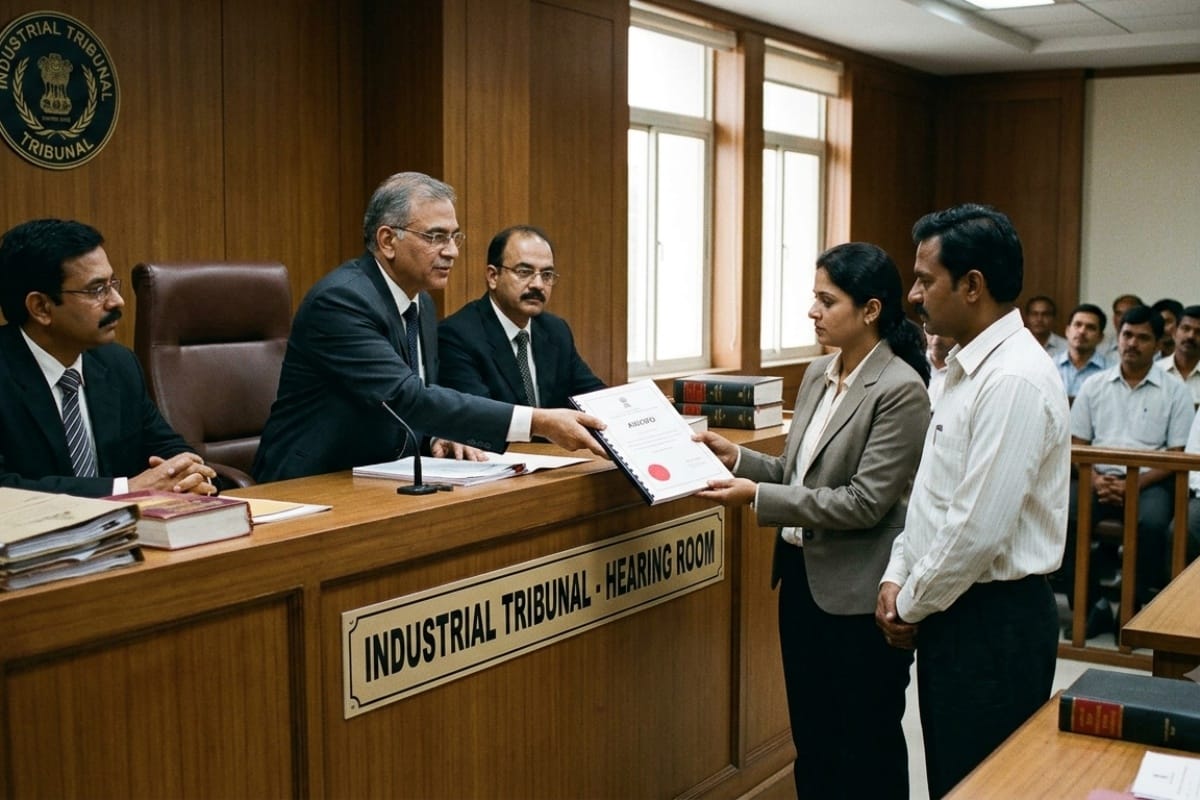
Deciding two connected writ petitions arising from a common Industrial Tribunal Award, the Delhi High Court set aside the Tribunal's direction granting hotel workmen a further…
Labour Laws
06/09/20264 min read
Update / Judgement Date
31 Oct 2025
Source
WCP News Bulletin
Author
Sakshi Bhardwaj — WCP Legal Desk
Reading Time
3 min read
The Delhi High Court revisited principles governing the evidentiary value of injured witnesses and the application of Section 34 IPC while deciding the State’s appeal against the acquittal of four accused under Section 307 IPC. The Court reiterated that the testimony of an injured witness commands a high degree of reliability and cannot be discarded due to minor contradictions or investigative lapses. It clarified that common intention does not require identical acts but a shared purpose to commit the offence.
• The State appealed against the trial court’s acquittal of Ram Swaroop and others, accused of assaulting Raju (PW-2) with knives and lathis, allegedly intending to kill him.
• The trial court had found inconsistencies among witness statements and ruled that the prosecution failed to prove guilt beyond reasonable doubt.
• The prosecution argued that minor discrepancies were exaggerated and that the injured witness’s statement, naming the assailants, was wrongly disbelieved.
• The defence maintained that the investigation was defective, the identification doubtful, and witness versions contradictory regarding who inflicted injuries or took the victim to hospital.
• The Bench held that an injured witness’s testimony has special evidentiary value since it comes from a person who suffered harm in the incident.
• Minor inconsistencies, normal lapses of memory, or defective investigation do not destroy credible evidence.
• The Court cited Abdul Sayed v. State of M.P., Naresh v. State of U.P., and Chandrappa v. State of Karnataka, reaffirming that appellate courts should not overturn acquittals merely for possible alternative views.
• It observed that intention under Section 307 IPC can be inferred from circumstances and nature of attack, not solely from the extent of injury.
• On Section 34 IPC, the Court emphasized that common intention implies a prearranged plan or meeting of minds, even if individual roles differ. Presence and facilitative conduct may suffice for liability.
• Section 307, Indian Penal Code (IPC) – Attempt to murder.
• Section 34, Indian Penal Code (IPC) – Acts done by several persons in furtherance of common intention.
• Principles from Supreme Court precedents – Abdul Sayed, Naresh, R. Prakash, Chandrappa on credibility of injured witnesses and standards for appellate interference.
Citation: CRL.A. 969/2002
Case: State v. Ram Swaroop & Ors.
Court: High Court of Delhi
Coram: Justice Subramonium Prasad & Justice Vimal Kumar Yadav
Date of Decision: 31 October 2025
Criminal Appeal No.: 969 of 2002
Deciding two connected writ petitions arising from a common Industrial Tribunal Award, the Delhi High Court set aside the Tribunal's direction granting hotel workmen a further…

Headnote The Delhi High Court dismissed a prosecutrix's appeal against acquittal of the accused on charges under Sections 328/376 2 n /377/506/509 IPC, despite DNA evidence…
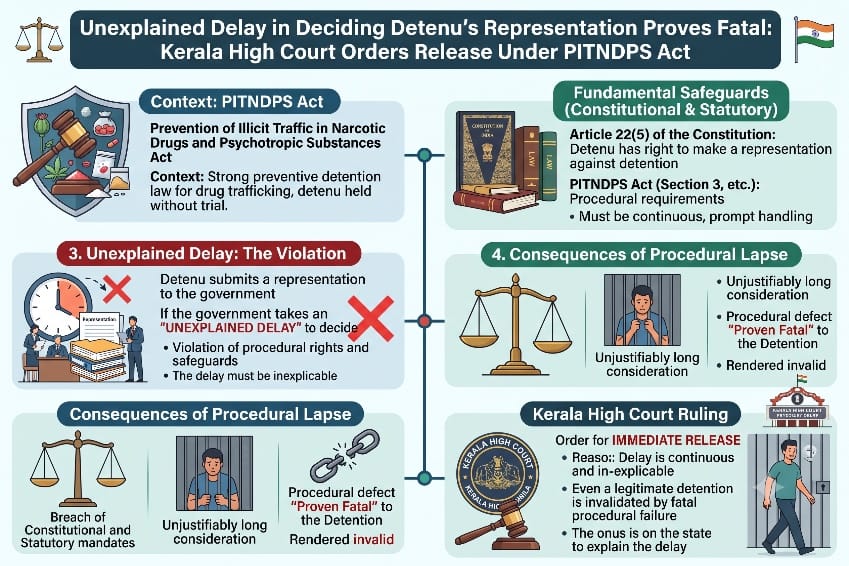
Fathimath Thasneem V.K. v. Union of India and Others | High Court of Kerala at Ernakulam | 3rd September, 2026 A habeas corpus writ petition by the wife of a detenu challenging…
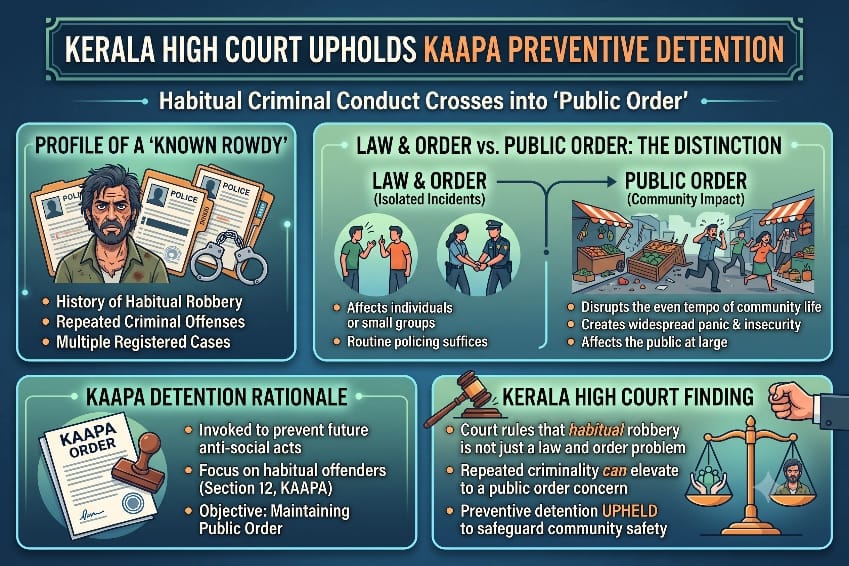
Thasmitha Abukutty v. State of Kerala and Others | High Court of Kerala at Ernakulam | 2nd September, 2026 A writ petition by the wife of a preventive detenu challenging a…
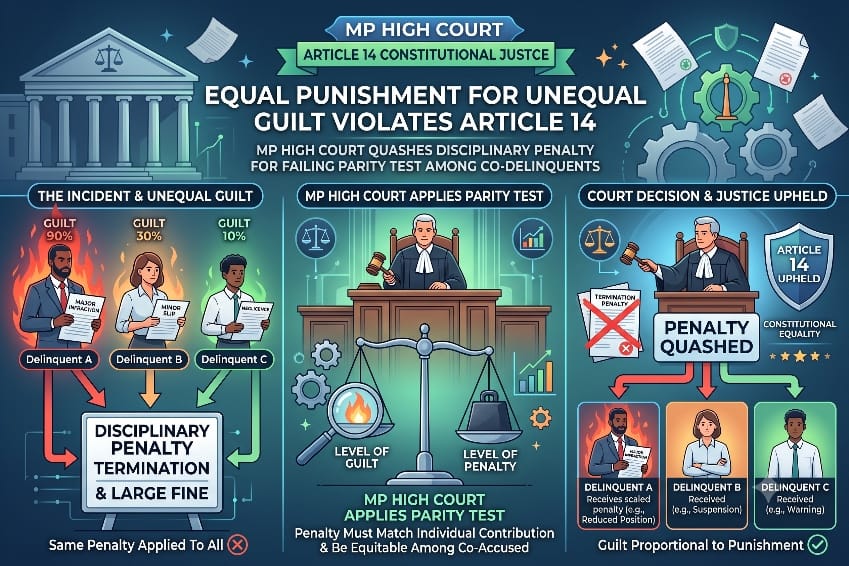
Brahm Kishore Dixit v. The State of Madhya Pradesh and Others | High Court of Madhya Pradesh, Gwalior | 1st September, 2026 A writ petition under Article 226 by a police Assistant…
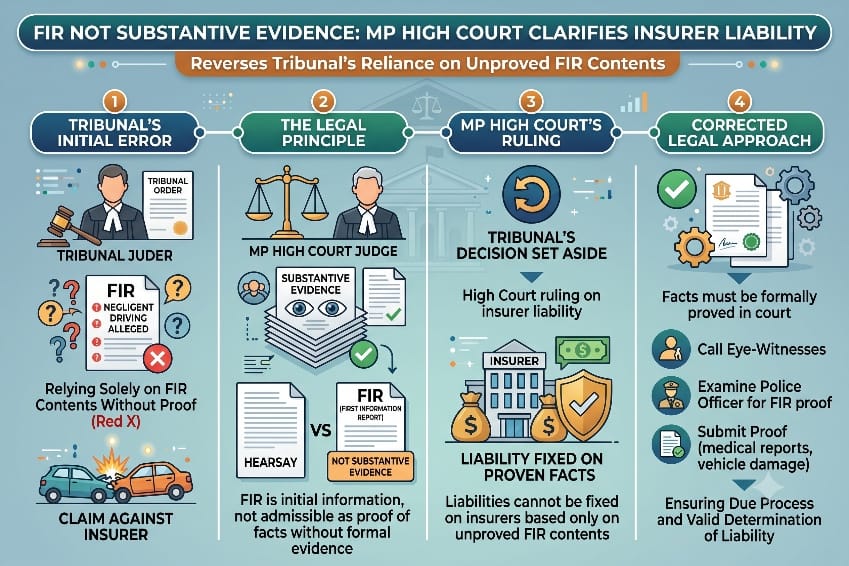
Anil Kumar Patel v. Smt. Munni Bai Barman and Others | High Court of Madhya Pradesh, Jabalpur | 1st September, 2026 A Motor Vehicle Act appeal under Section 173 1 against a Claims…
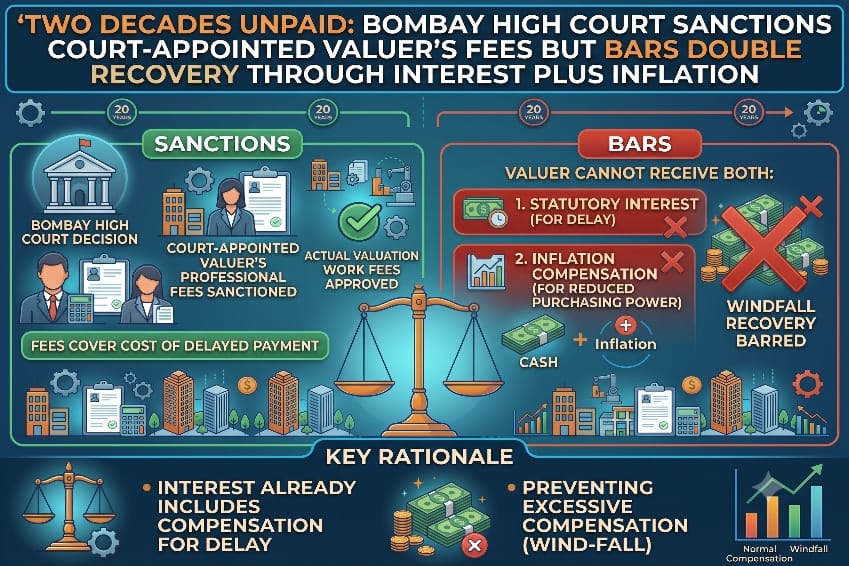
M/s. Kuber Mutual Benefits Ltd. & Ors. v. The State of Maharashtra & Ors. | High Court of Judicature at Bombay Appellate Side | 3rd September, 2026 A Court Receiver's Report…
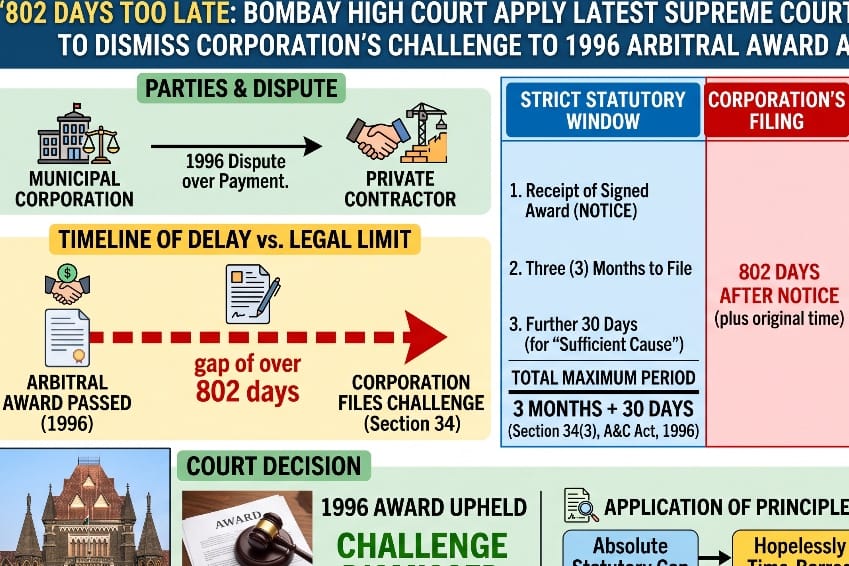
The Municipal Corporation of Greater Bombay v. M/s. Atul Raj Builders Pvt. Ltd. | High Court of Judicature at Bombay Ordinary Original Civil Jurisdiction | 3rd September, 2026 A…
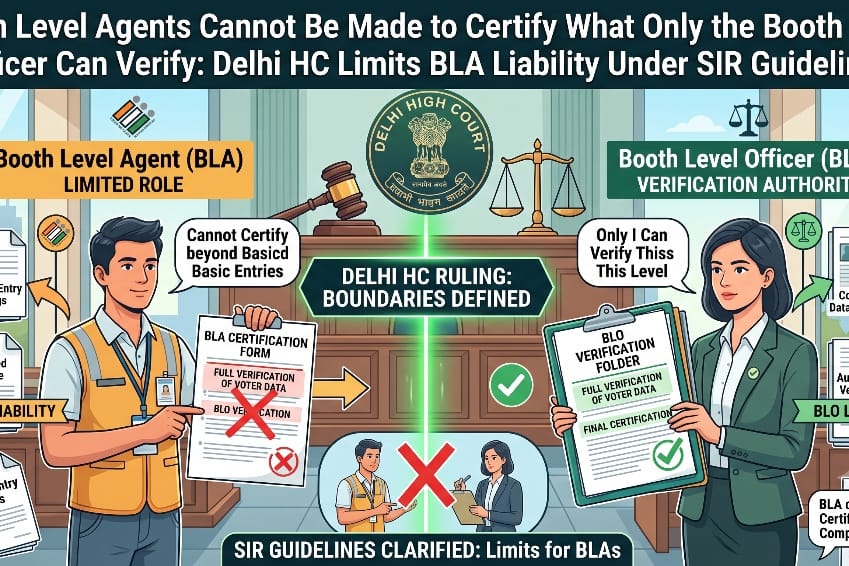
Devender Yadav & Anr. v. Election Commission of India & Anr. | High Court of Delhi Single Judge | Decided on: 03.09.2026 In a challenge to the Election Commission of India's…
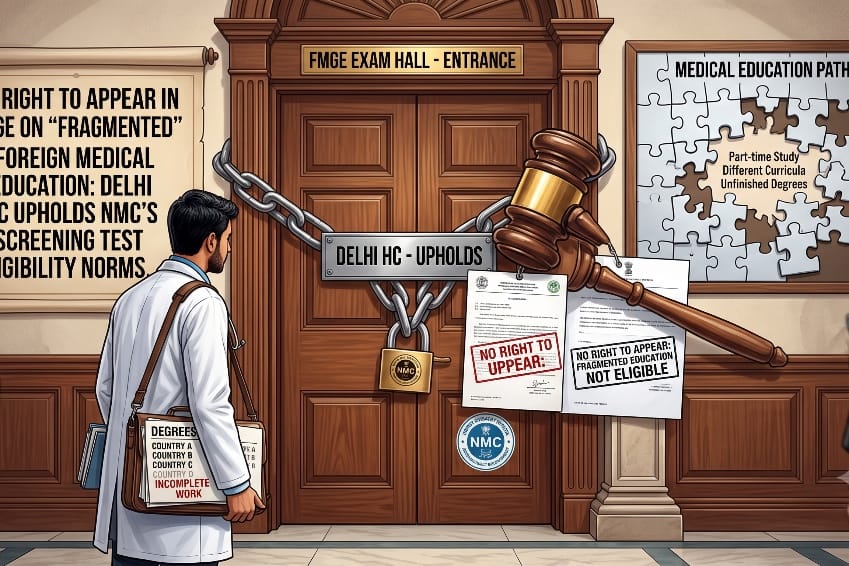
Brij Sharadbhai Bhatt & Ors. v. National Medical Commission & Ors. | High Court of Delhi Division Bench | Decided on: 03.09.2026 The Delhi High Court dismissed a challenge by…