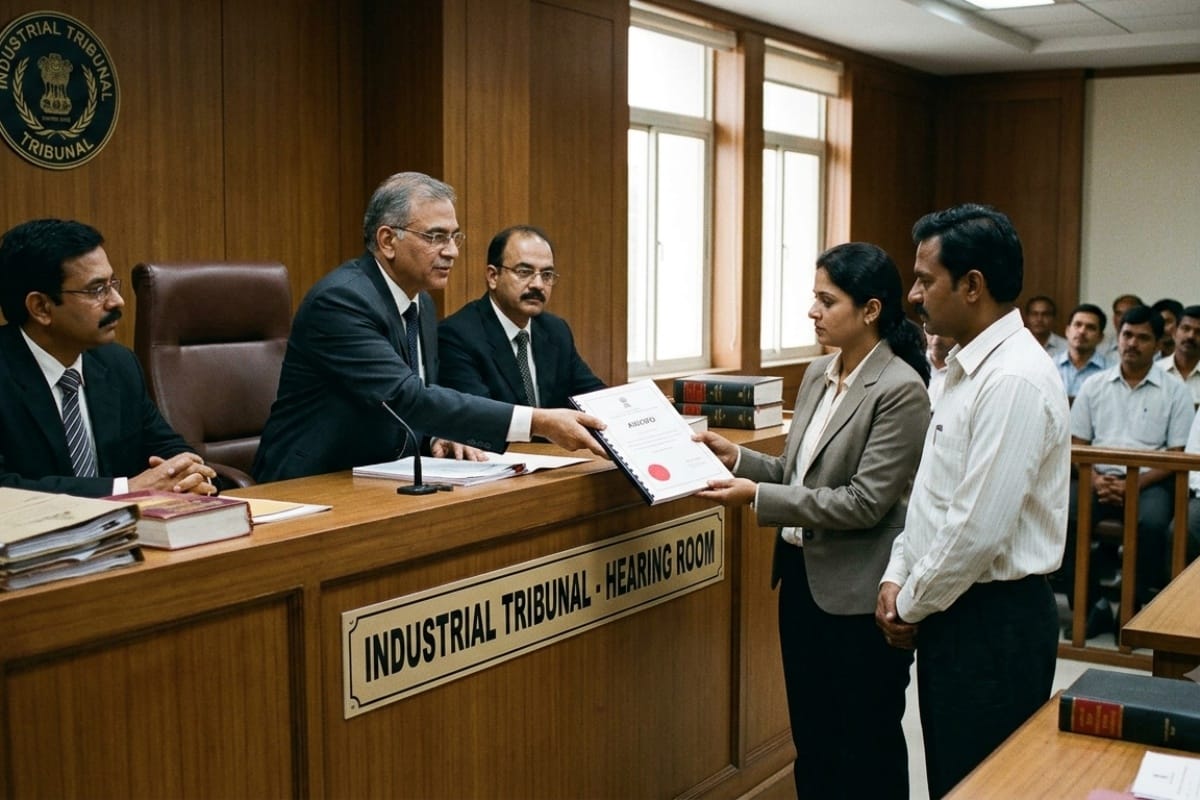
Deciding two connected writ petitions arising from a common Industrial Tribunal Award, the Delhi High Court set aside the Tribunal's direction granting hotel workmen a further…
Labour Laws
06/09/20264 min read
Update / Judgement Date
28 Oct 2025
Source
WCP News Bulletin
Author
Sakshi Bhardwaj — WCP Legal Desk
Reading Time
3 min read

The Delhi High Court dismissed two connected matrimonial appeals seeking divorce on the ground of cruelty under Section 13(1)(ia) of the Hindu Marriage Act, 1955. The Court held that mere domestic quarrels, unsubstantiated allegations, and acquitted criminal cases do not amount to cruelty. It reaffirmed that to constitute cruelty, conduct must be grave enough to render marital cohabitation impossible. The prolonged separation between the parties, caused largely by the appellants’ own unwillingness to reconcile, could not by itself justify divorce.
• The appellants, Surender Kumar and Devender Kumar (brothers), were married to Manita and Sunita (sisters) respectively on 26.11.2001 according to Hindu rites.
• Both couples lived in a joint household and had children.
• Alleging cruelty and harassment by their wives, both appellants filed divorce petitions on 12.07.2011 under Section 13(1)(ia) of the HMA. They also referred to multiple FIRs (Nos. 26/2011, 59/2011, and 27/2011) registered against the respondents following domestic disputes.
• The respondents denied the allegations, claiming instead that they were victims of dowry harassment and were unlawfully evicted from their matrimonial homes.
• The Family Court, by judgment dated 11.01.2019, dismissed both petitions holding that the allegations were vague, uncorroborated, and reflected only ordinary marital discord.
• The High Court noted that all FIRs relied upon by the appellants had resulted in acquittals, either by compromise or for lack of evidence. Mere registration of FIRs cannot prove cruelty.
• The appellants failed to produce any independent witnesses, documentary evidence, or medical records substantiating allegations of physical or mental cruelty.
• Allegations such as non-attendance at the last rites of the appellants’ mother or quarrelsome behavior were general and unsupported by credible evidence.
• The Court emphasized that the standard of proof in matrimonial cruelty cases is based on the preponderance of probabilities, but still requires specific, substantiated conduct showing intent to cause suffering.
• Reliance on Samar Ghosh v. Jaya Ghosh (2007) 4 SCC 511 and Naveen Kohli v. Neelu Kohli (2006) 4 SCC 558 was held misplaced as those cases involved sustained abusive behavior, unlike the present one.
• The Court observed that long separation, without evidence of cruelty or irretrievable breakdown due to the other party’s conduct, is insufficient for divorce.
The High Court found no infirmity in the Family Court’s findings and dismissed both appeals. It reiterated that minor quarrels or unsubstantiated allegations do not constitute cruelty under Section 13(1)(ia) HMA. The marriages, though strained, did not meet the legal threshold for dissolution.
• Section 13(1)(ia), Hindu Marriage Act, 1955 – Divorce on the ground of cruelty.
• Sections 326/34, 323/34, 451/323/506, Indian Penal Code, 1860 – Offences alleged in related FIRs.
• Sections 107/151, Code of Criminal Procedure, 1973 – Preventive action.
• Samar Ghosh v. Jaya Ghosh (2007) 4 SCC 511 – Parameters of mental cruelty.
• Naveen Kohli v. Neelu Kohli (2006) 4 SCC 558 – Degree of cruelty warranting divorce.
Citation: 2025:DEL:87012
Cases:
Surender Kumar v. Manita — MAT.APP.(F.C.) 116/2019
Devender Kumar v. Sunita — MAT.APP.(F.C.) 117/2019
Court: High Court of Delhi at New Delhi
Date of Decision: 28 October 2025
Deciding two connected writ petitions arising from a common Industrial Tribunal Award, the Delhi High Court set aside the Tribunal's direction granting hotel workmen a further…
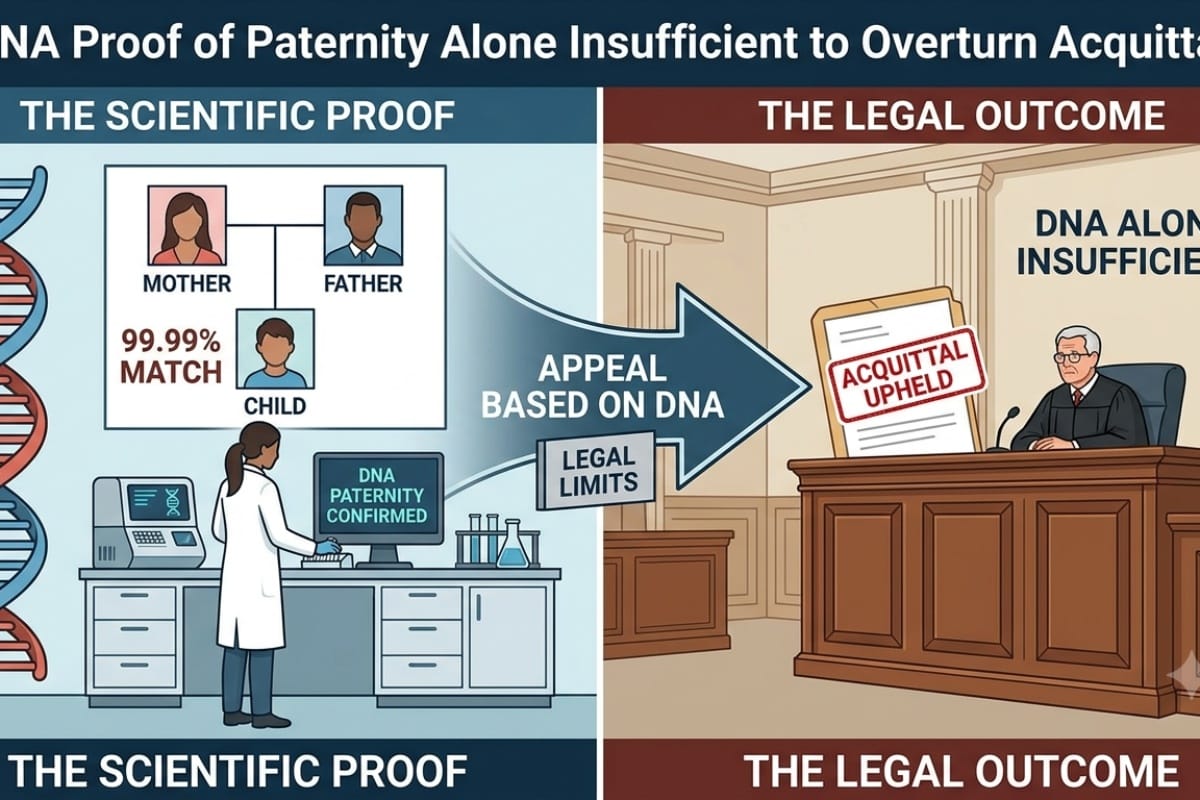
Headnote The Delhi High Court dismissed a prosecutrix's appeal against acquittal of the accused on charges under Sections 328/376 2 n /377/506/509 IPC, despite DNA evidence…
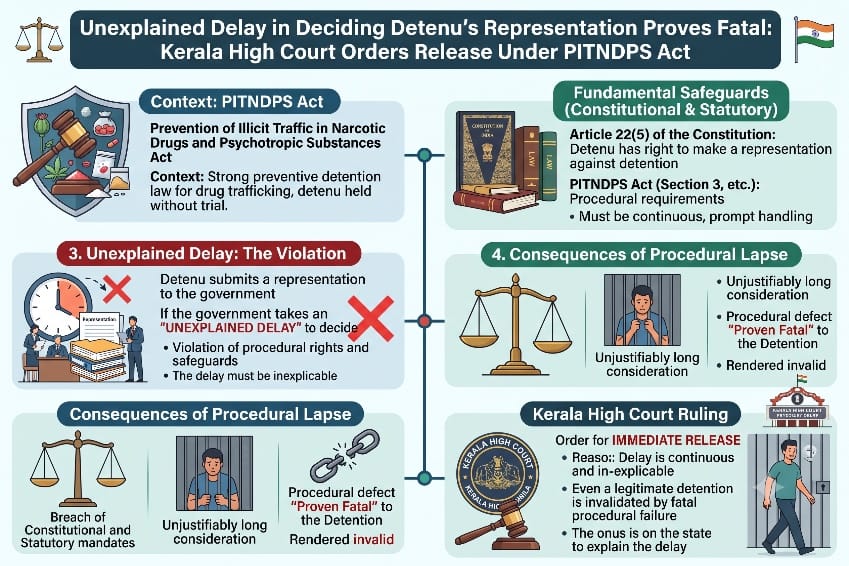
Fathimath Thasneem V.K. v. Union of India and Others | High Court of Kerala at Ernakulam | 3rd September, 2026 A habeas corpus writ petition by the wife of a detenu challenging…
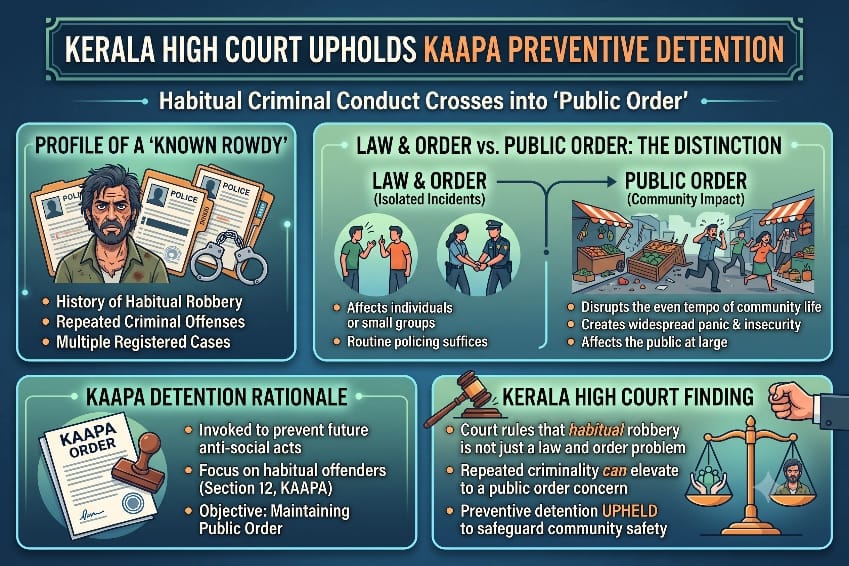
Thasmitha Abukutty v. State of Kerala and Others | High Court of Kerala at Ernakulam | 2nd September, 2026 A writ petition by the wife of a preventive detenu challenging a…
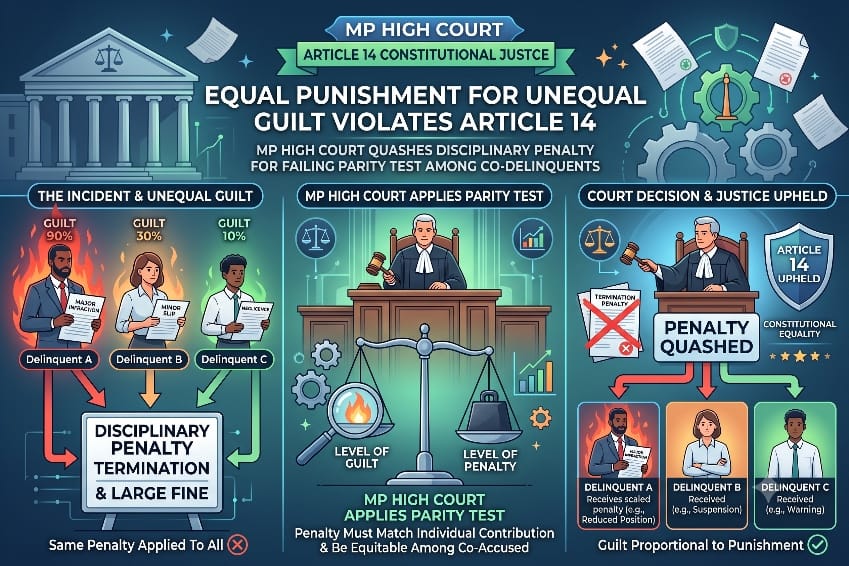
Brahm Kishore Dixit v. The State of Madhya Pradesh and Others | High Court of Madhya Pradesh, Gwalior | 1st September, 2026 A writ petition under Article 226 by a police Assistant…
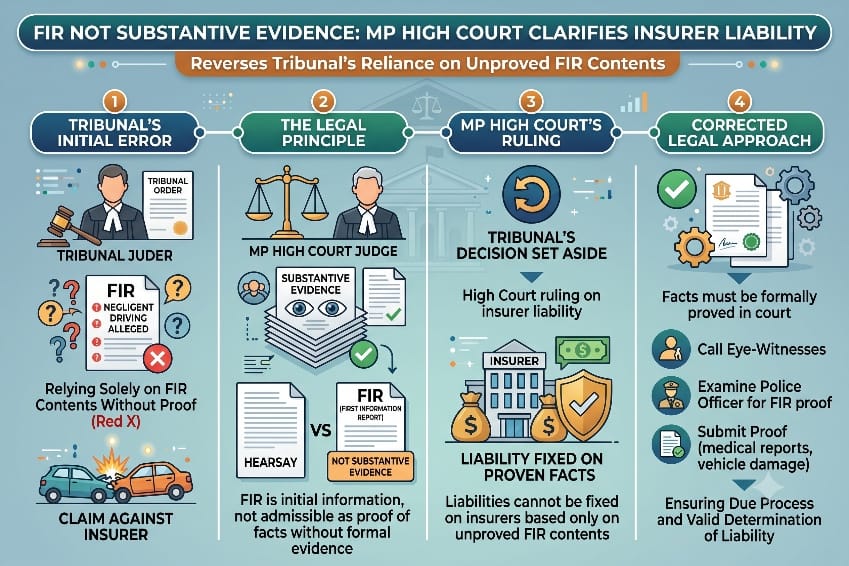
Anil Kumar Patel v. Smt. Munni Bai Barman and Others | High Court of Madhya Pradesh, Jabalpur | 1st September, 2026 A Motor Vehicle Act appeal under Section 173 1 against a Claims…
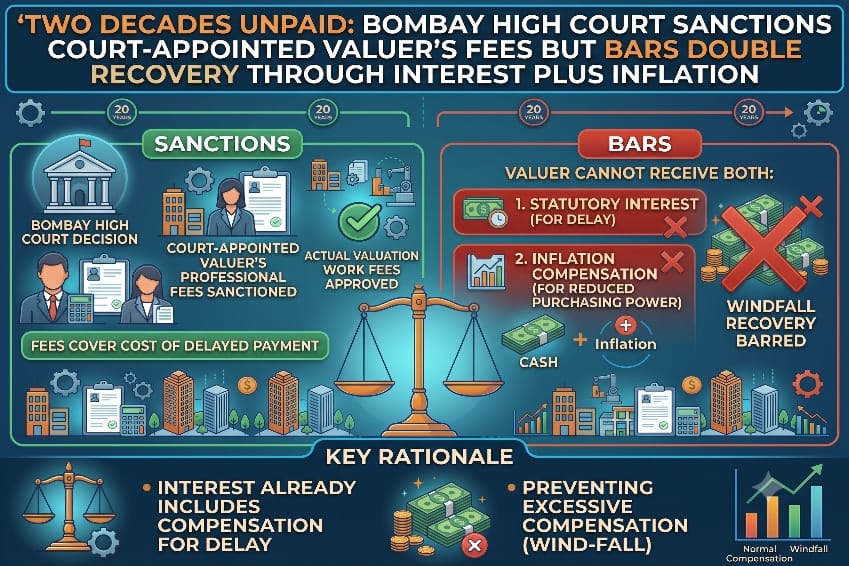
M/s. Kuber Mutual Benefits Ltd. & Ors. v. The State of Maharashtra & Ors. | High Court of Judicature at Bombay Appellate Side | 3rd September, 2026 A Court Receiver's Report…
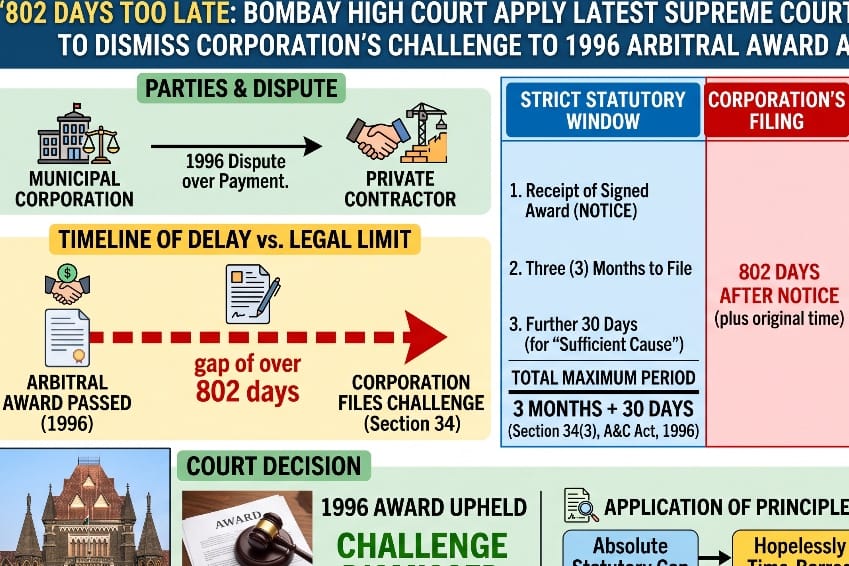
The Municipal Corporation of Greater Bombay v. M/s. Atul Raj Builders Pvt. Ltd. | High Court of Judicature at Bombay Ordinary Original Civil Jurisdiction | 3rd September, 2026 A…
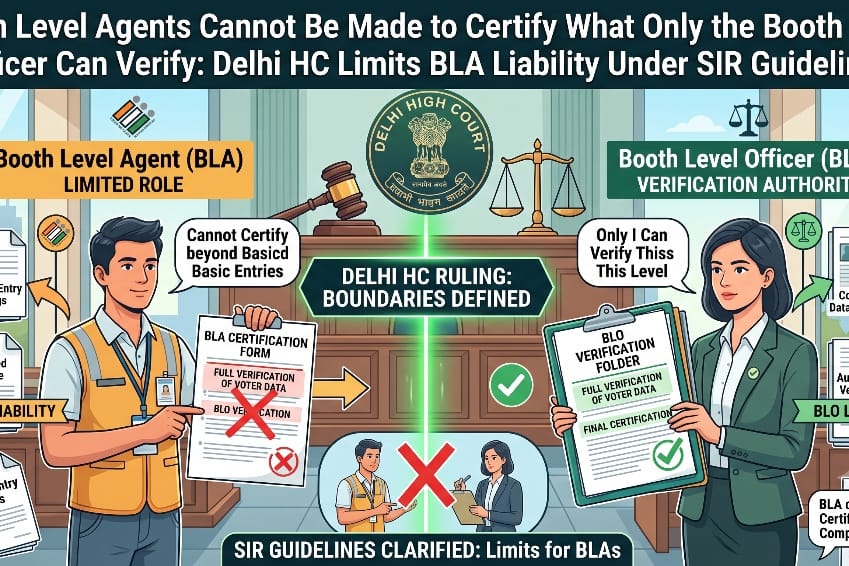
Devender Yadav & Anr. v. Election Commission of India & Anr. | High Court of Delhi Single Judge | Decided on: 03.09.2026 In a challenge to the Election Commission of India's…
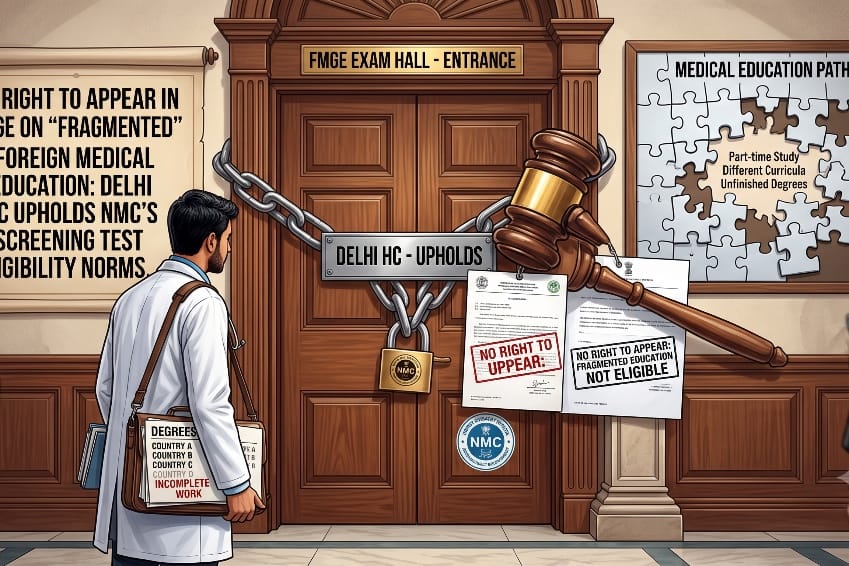
Brij Sharadbhai Bhatt & Ors. v. National Medical Commission & Ors. | High Court of Delhi Division Bench | Decided on: 03.09.2026 The Delhi High Court dismissed a challenge by…