Deciding two connected writ petitions arising from a common Industrial Tribunal Award, the Delhi High Court set aside the Tribunal's direction granting hotel workmen a further…
Labour Laws
06/09/20264 min read
Update / Judgement Date
07 Dec 2025
Source
WCP News Bulletin
Author
Sakshi Bhardwaj — WCP Legal Desk
Reading Time
3 min read
The Delhi High Court granted emergency parole to a life convict to enable him to perform the last rites (Tehrvi) of his deceased father. The Court held that performing last rites of a parent is a fundamental religious, moral and social obligation and denial of parole under such humanitarian circumstances would violate the convict’s right to dignity under Article 21 of the Constitution of India.
Background• The petitioner sought emergency parole in connection with FIR No. 507/2008, Police Station Anand Vihar, registered under Sections 302/307/324/34 of the Indian Penal Code, 1860.
• He had been convicted under Sections 302/34 IPC by judgment dated 30.03.2012 and sentenced to life imprisonment by order dated 03.04.2012.
• The petitioner had undergone more than 13 years of incarceration and had not availed any parole or furlough during this period.
• The petitioner’s father expired on 27.11.2025, and the Tehrvi ceremony was scheduled for 09.12.2025.
• The status report confirmed the death and the scheduled rituals.
Court’s Observations• Rule 1212 of the Delhi Prison Rules, 2018 permits grant of parole up to eight weeks in a conviction year in two spells, with a maximum of four weeks in one spell.
• Rule 1208 permits parole for maintaining family and social ties.
• The Court relied on Asfaq v. State of Rajasthan (2017) 15 SCC 55, which recognizes death of a family member as a valid ground for parole.
• The right to perform last rites of a parent was recognized as part of the right to dignity under Article 21.
• The humanitarian nature of the request justified grant of emergency parole.
DecisionThe writ petition was allowed, and the petitioner was granted emergency parole for one week.
Conditions of Parole• Furnishing of personal bond of ₹10,000/- with one surety of like amount.
• Submission and verification of residential address to the Jail Superintendent.
• Furnishing of operative mobile number to the Jail Superintendent and SHO concerned.
• No indulgence in criminal activity during parole.
• Surrender before Jail Superintendent immediately upon expiry of parole.
• Co-accused, if any, not to be released during this period.
• Parole period to commence from the date of actual release.
Legal Provisions Discussed• Sections 302/307/324/34, Indian Penal Code, 1860
• Rules 1208 and 1212, Delhi Prison Rules, 2018
• Article 21, Constitution of India
• Asfaq v. State of Rajasthan (2017) 15 SCC 55
Case: Sandeep Kumar @ Manoj v. State (NCT of Delhi)
Court: High Court of Delhi at New Delhi
Coram: Justice Amit Mahajan
Date of Decision: 08 December 2025
Writ Petition (Crl.) No.: 4048 of 2025
Deciding two connected writ petitions arising from a common Industrial Tribunal Award, the Delhi High Court set aside the Tribunal's direction granting hotel workmen a further…

Headnote The Delhi High Court dismissed a prosecutrix's appeal against acquittal of the accused on charges under Sections 328/376 2 n /377/506/509 IPC, despite DNA evidence…
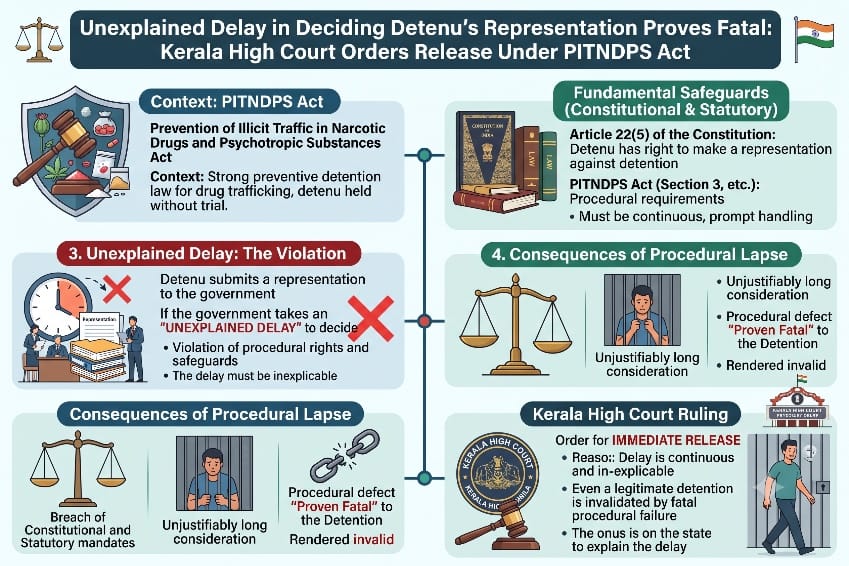
Fathimath Thasneem V.K. v. Union of India and Others | High Court of Kerala at Ernakulam | 3rd September, 2026 A habeas corpus writ petition by the wife of a detenu challenging…
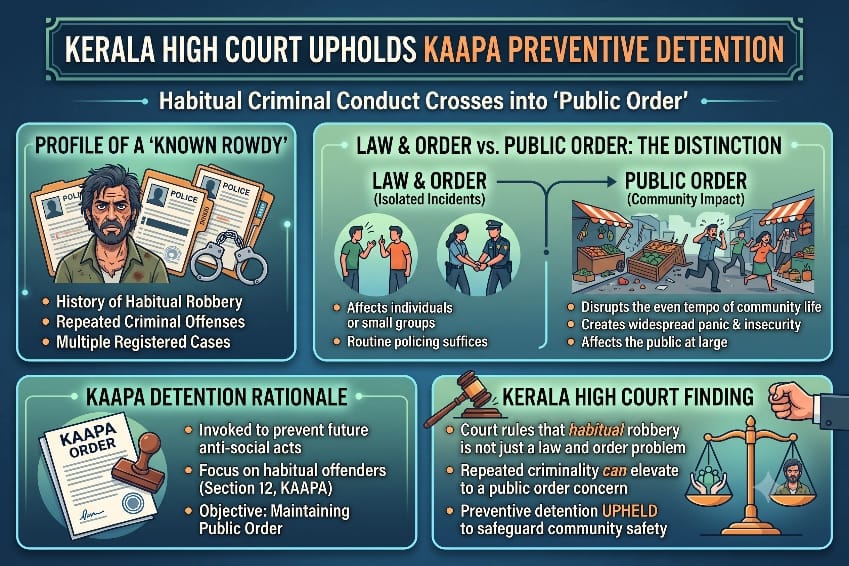
Thasmitha Abukutty v. State of Kerala and Others | High Court of Kerala at Ernakulam | 2nd September, 2026 A writ petition by the wife of a preventive detenu challenging a…
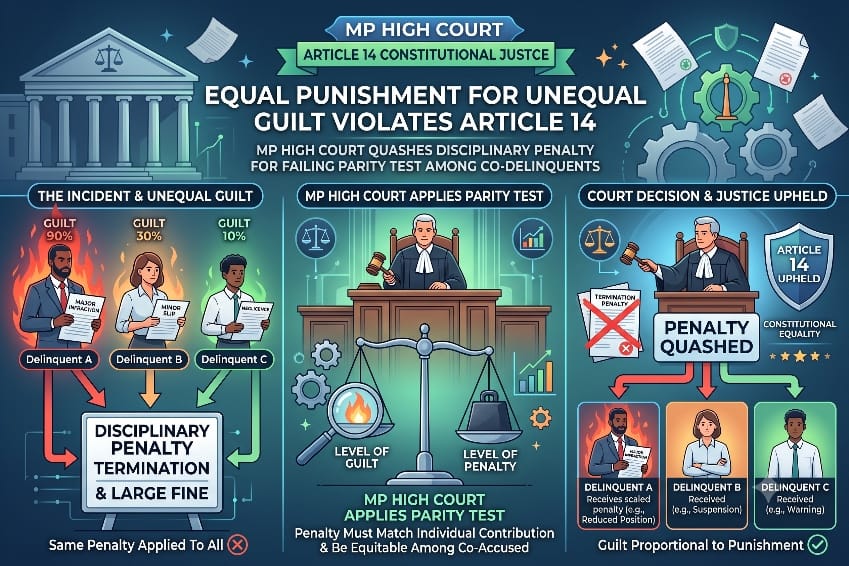
Brahm Kishore Dixit v. The State of Madhya Pradesh and Others | High Court of Madhya Pradesh, Gwalior | 1st September, 2026 A writ petition under Article 226 by a police Assistant…
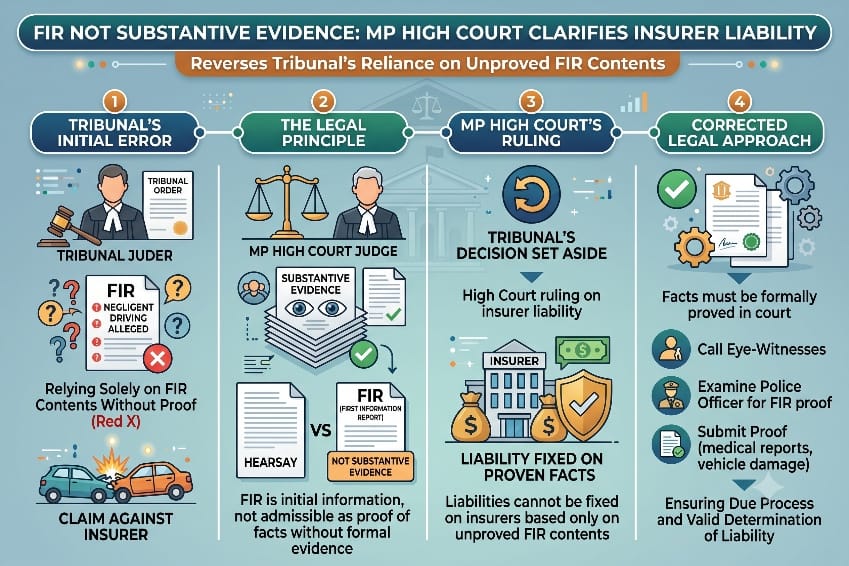
Anil Kumar Patel v. Smt. Munni Bai Barman and Others | High Court of Madhya Pradesh, Jabalpur | 1st September, 2026 A Motor Vehicle Act appeal under Section 173 1 against a Claims…
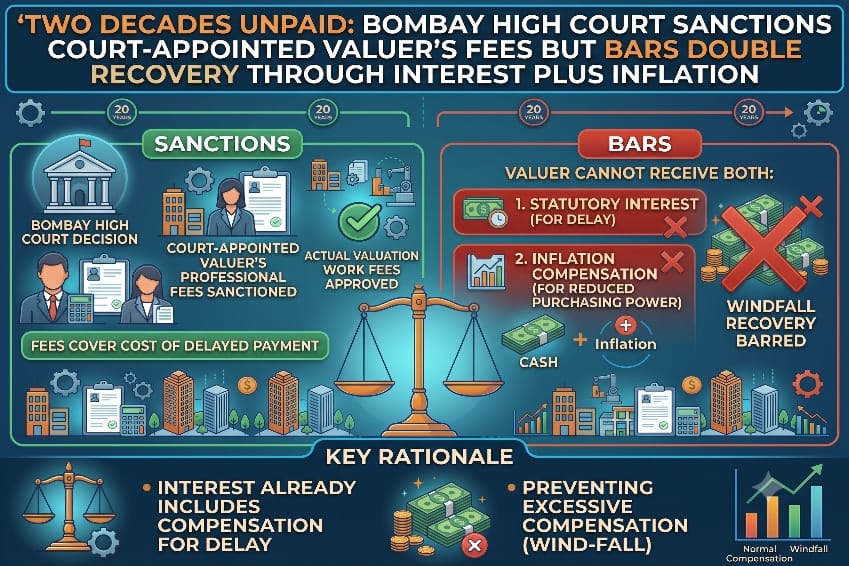
M/s. Kuber Mutual Benefits Ltd. & Ors. v. The State of Maharashtra & Ors. | High Court of Judicature at Bombay Appellate Side | 3rd September, 2026 A Court Receiver's Report…
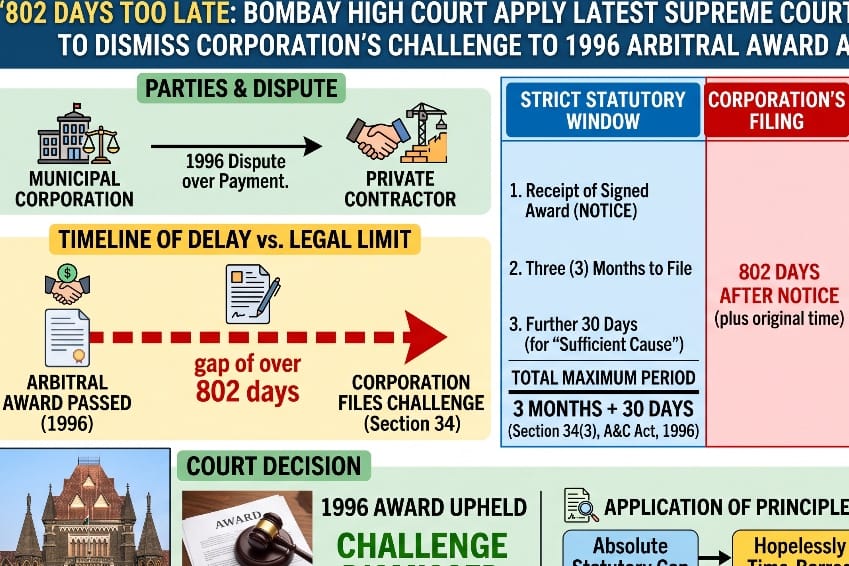
The Municipal Corporation of Greater Bombay v. M/s. Atul Raj Builders Pvt. Ltd. | High Court of Judicature at Bombay Ordinary Original Civil Jurisdiction | 3rd September, 2026 A…
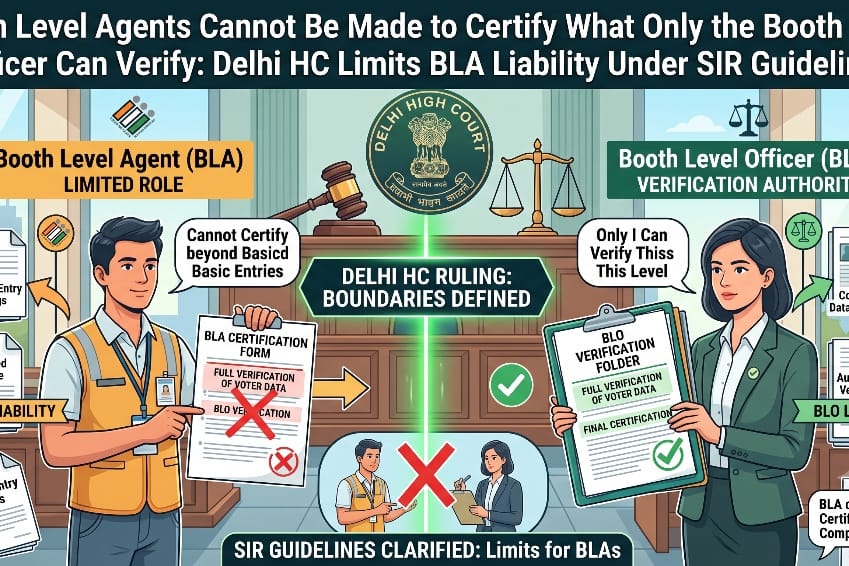
Devender Yadav & Anr. v. Election Commission of India & Anr. | High Court of Delhi Single Judge | Decided on: 03.09.2026 In a challenge to the Election Commission of India's…
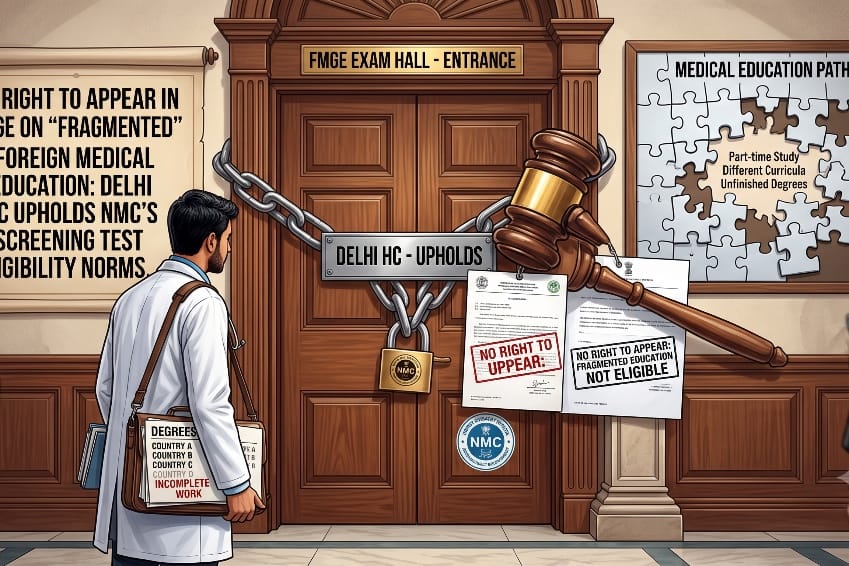
Brij Sharadbhai Bhatt & Ors. v. National Medical Commission & Ors. | High Court of Delhi Division Bench | Decided on: 03.09.2026 The Delhi High Court dismissed a challenge by…