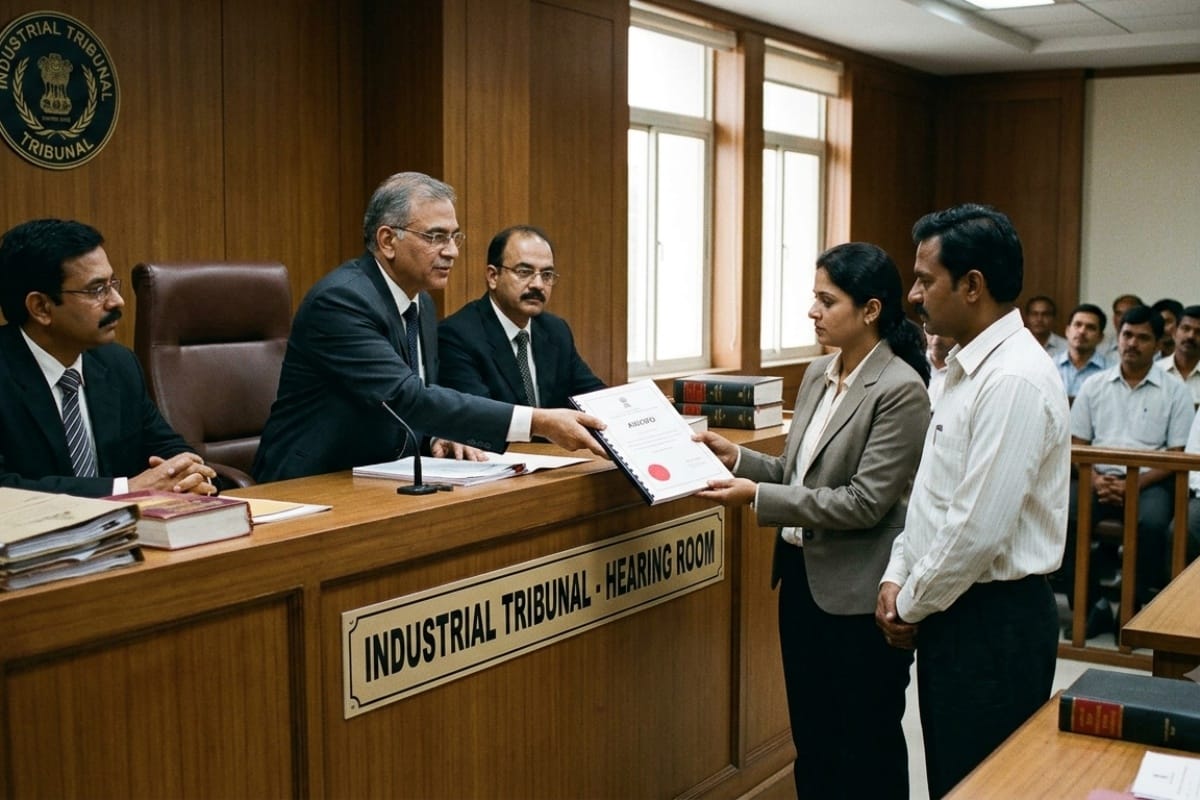
Deciding two connected writ petitions arising from a common Industrial Tribunal Award, the Delhi High Court set aside the Tribunal's direction granting hotel workmen a further…
Labour Laws
06/09/20264 min read
Update / Judgement Date
07 Dec 2025
Source
WCP News Bulletin
Author
Sakshi Bhardwaj — WCP Legal Desk
Reading Time
3 min read
The Delhi High Court upheld an interim order directing a daughter-in-law to vacate the matrimonial home owned exclusively by her parents-in-law, holding that the right of residence under Section 17 of the Protection of Women from Domestic Violence Act, 2005 is a protective right and not an indefeasible right to reside in a particular property. The Court held that where cohabitation creates a toxic environment and adversely affects the health and dignity of senior citizens, eviction can be ordered at the interim stage, provided adequate alternate accommodation and financial safeguards are secured for the woman and minor children.
• The Appellant, Sonia Mehra, was married to Respondent No.3 on 03.03.2009 and resided in the suit property at Ansal Villas, Satbari, Chhatarpur, New Delhi.
• Two children were born from the marriage – Prisha Mehra (17.07.2010) and Krishiv Mehra (11.08.2016).
• Marital disputes arose leading to proceedings under the Hindu Marriage Act, 1955 and registration of FIR No. 592/2023 under Sections 498A/406/354/506/509/377/34 IPC.
• Respondent Nos.1 and 2 (parents-in-law) filed CS(OS) 19/2024 seeking eviction of the Appellant from their property.
• The learned Single Judge, by order dated 09.09.2025, directed the Appellant to vacate the premises and granted alternate accommodation.
• The said order was challenged in FAO(OS) 119/2025.
• Whether eviction could be ordered at an interlocutory stage.
• Whether the right of residence under Section 17 of the PWDV Act is absolute.
• Whether the rights of senior citizen parents-in-law prevail over the daughter-in-law’s claim.
• Whether the welfare of the minor children was adequately considered.
• The right of residence under Section 17 of the PWDV Act is a right of protection, not ownership and cannot override the rights of senior citizens to live peacefully in their own property.
• The counsellor’s report and medical records showed that the atmosphere in the household had become toxic, adversely affecting the health of Respondent No.2, who was suffering from Parkinson’s disease.
• Interim mandatory injunctions can be granted in exceptional circumstances where irreparable harm is established.
• Adequate safeguards were provided to the Appellant, including alternate accommodation, payment of rent, security deposit, brokerage, maintenance, and school expenses of the children.
• The welfare of the minor children lay in removing them from a high-conflict environment.
A daughter-in-law’s right of residence in a shared household under Section 17 of the PWDV Act does not give her an indefeasible right to continue residing in property exclusively owned by parents-in-law when such residence becomes detrimental to their health and dignity, provided alternate suitable accommodation is secured.
The appeal was dismissed.
The interim directions for eviction and alternate accommodation were affirmed in full.
Compliance period was directed to be reckoned from 01 January 2026.
Citation: 2025:DHC:9876-DB
Case: Sonia Mehra v. Romy Mehra & Ors.
Court: High Court of Delhi at New Delhi
Coram: Justice Anil Kshetarpal & Justice Harish Vaidyanathan Shankar
Date of Decision: 08 December 2025
Appeal No.: FAO(OS) 119/2025
Deciding two connected writ petitions arising from a common Industrial Tribunal Award, the Delhi High Court set aside the Tribunal's direction granting hotel workmen a further…
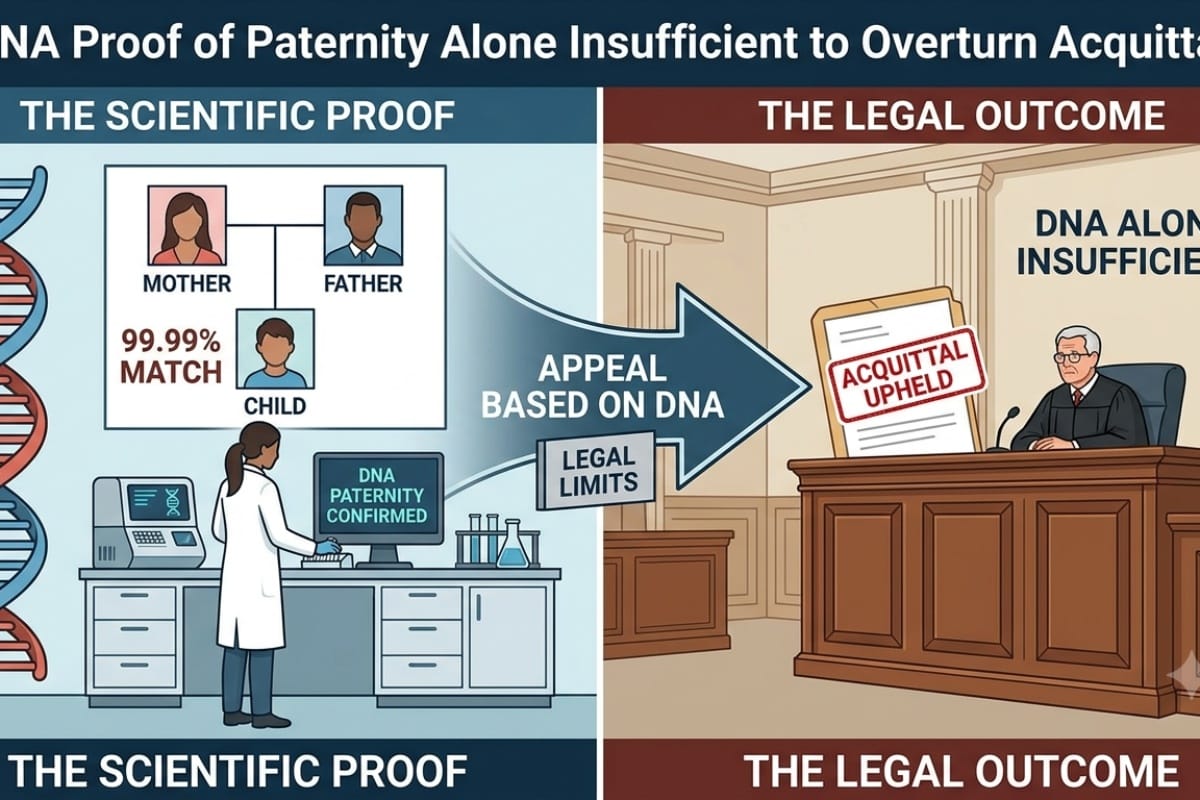
Headnote The Delhi High Court dismissed a prosecutrix's appeal against acquittal of the accused on charges under Sections 328/376 2 n /377/506/509 IPC, despite DNA evidence…
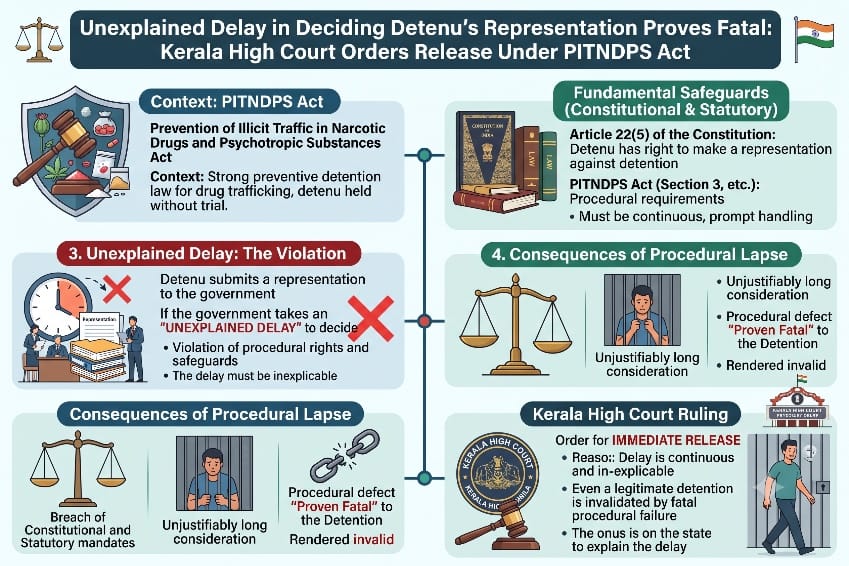
Fathimath Thasneem V.K. v. Union of India and Others | High Court of Kerala at Ernakulam | 3rd September, 2026 A habeas corpus writ petition by the wife of a detenu challenging…
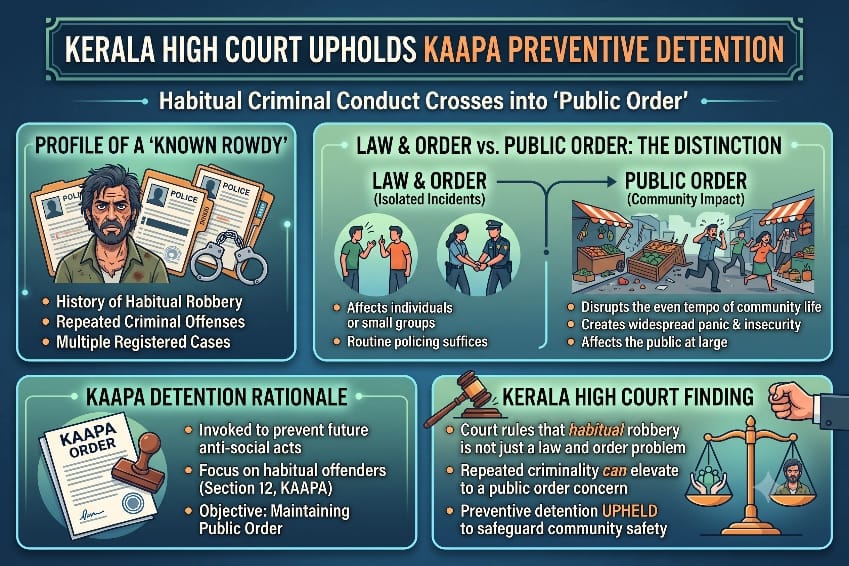
Thasmitha Abukutty v. State of Kerala and Others | High Court of Kerala at Ernakulam | 2nd September, 2026 A writ petition by the wife of a preventive detenu challenging a…
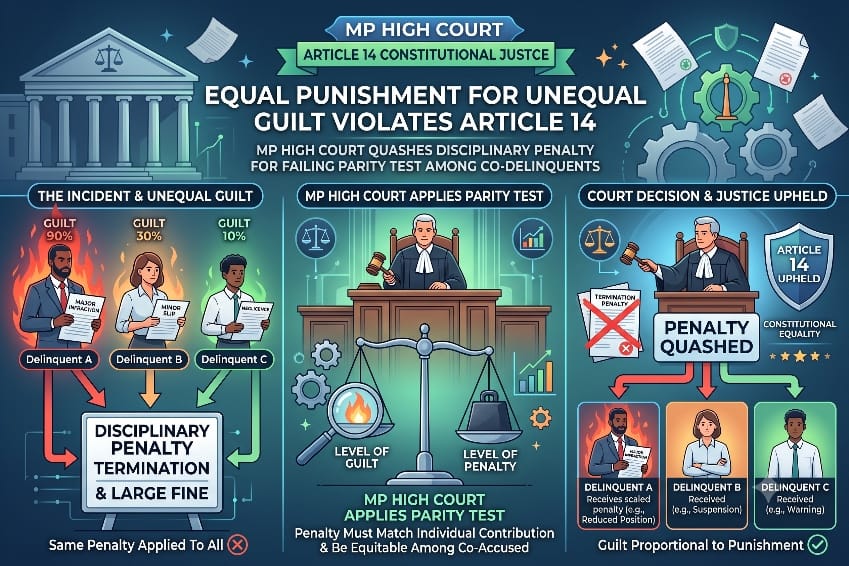
Brahm Kishore Dixit v. The State of Madhya Pradesh and Others | High Court of Madhya Pradesh, Gwalior | 1st September, 2026 A writ petition under Article 226 by a police Assistant…
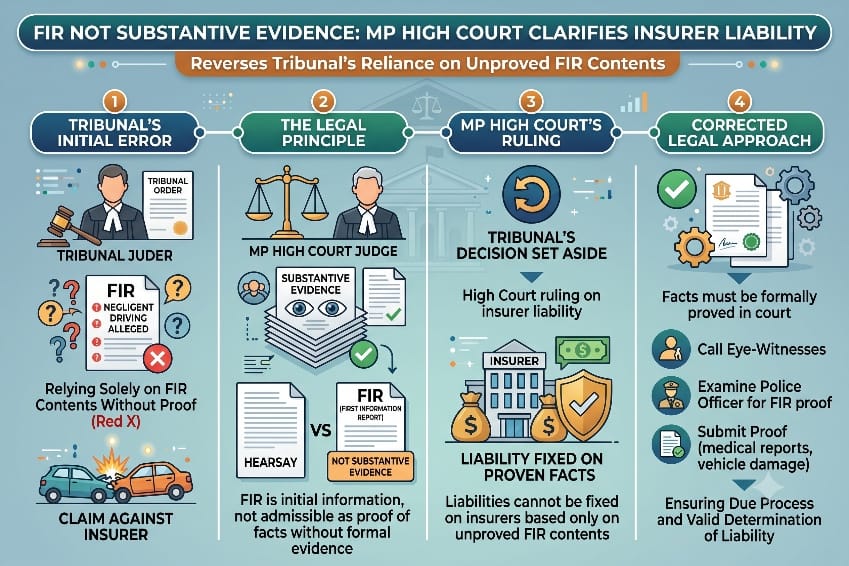
Anil Kumar Patel v. Smt. Munni Bai Barman and Others | High Court of Madhya Pradesh, Jabalpur | 1st September, 2026 A Motor Vehicle Act appeal under Section 173 1 against a Claims…
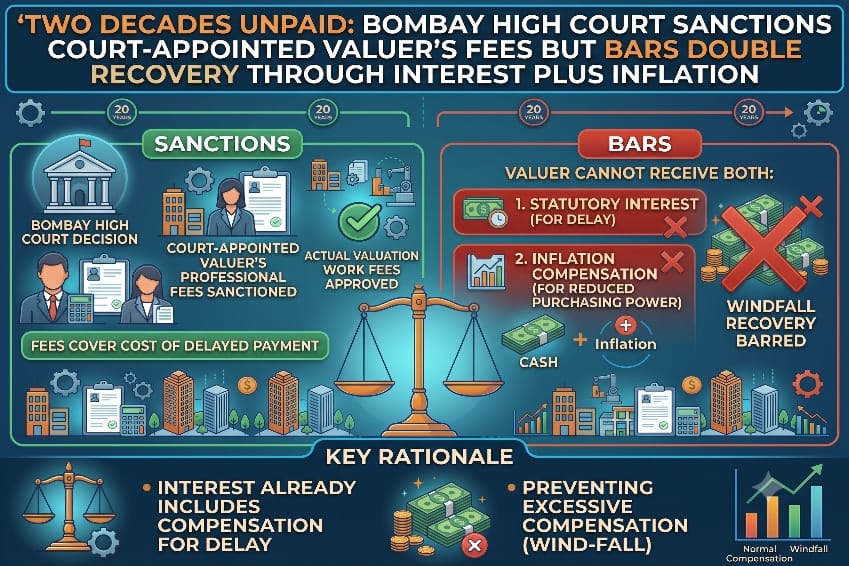
M/s. Kuber Mutual Benefits Ltd. & Ors. v. The State of Maharashtra & Ors. | High Court of Judicature at Bombay Appellate Side | 3rd September, 2026 A Court Receiver's Report…
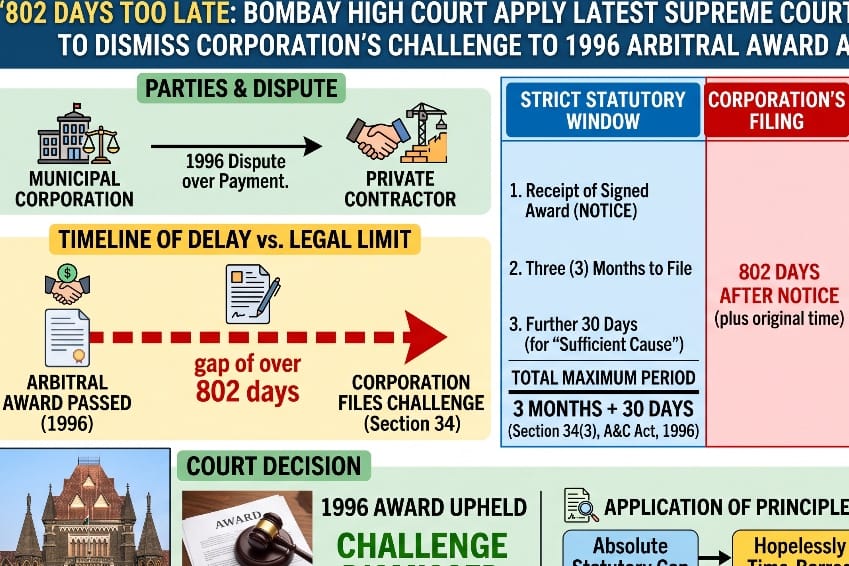
The Municipal Corporation of Greater Bombay v. M/s. Atul Raj Builders Pvt. Ltd. | High Court of Judicature at Bombay Ordinary Original Civil Jurisdiction | 3rd September, 2026 A…
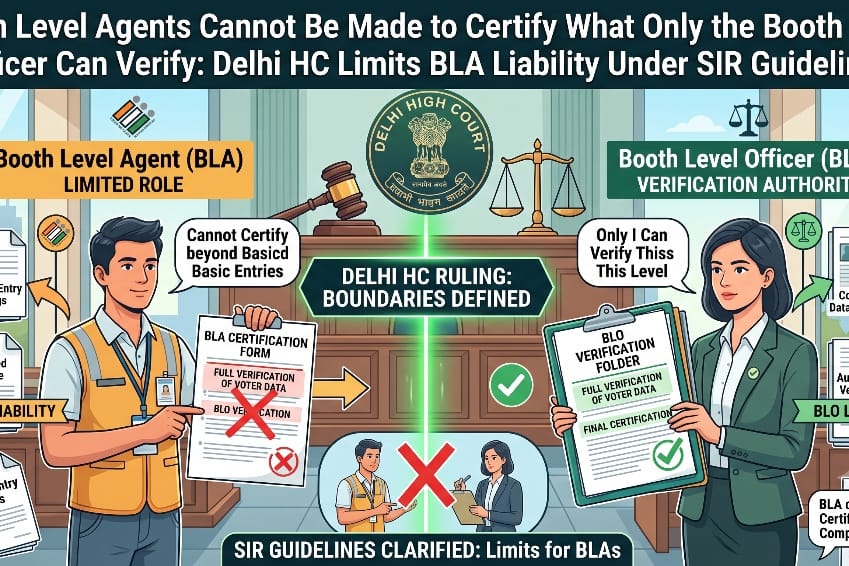
Devender Yadav & Anr. v. Election Commission of India & Anr. | High Court of Delhi Single Judge | Decided on: 03.09.2026 In a challenge to the Election Commission of India's…
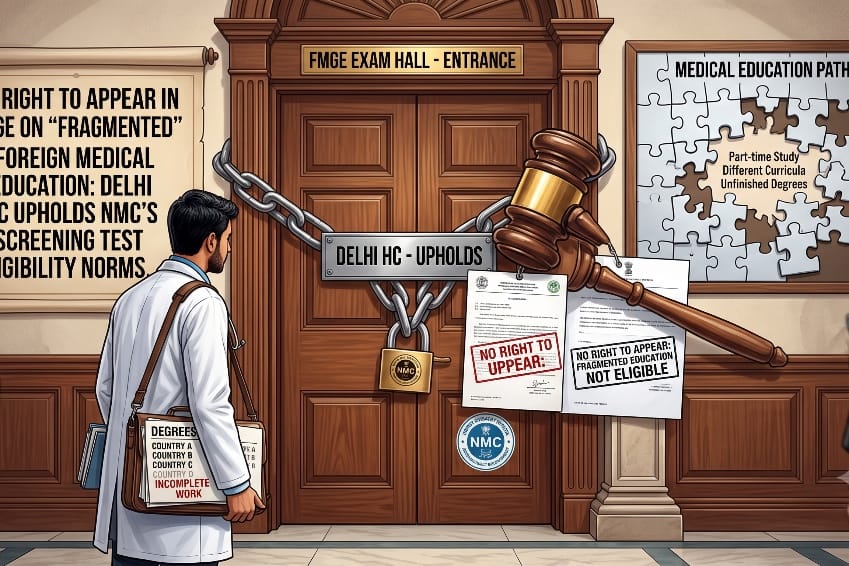
Brij Sharadbhai Bhatt & Ors. v. National Medical Commission & Ors. | High Court of Delhi Division Bench | Decided on: 03.09.2026 The Delhi High Court dismissed a challenge by…