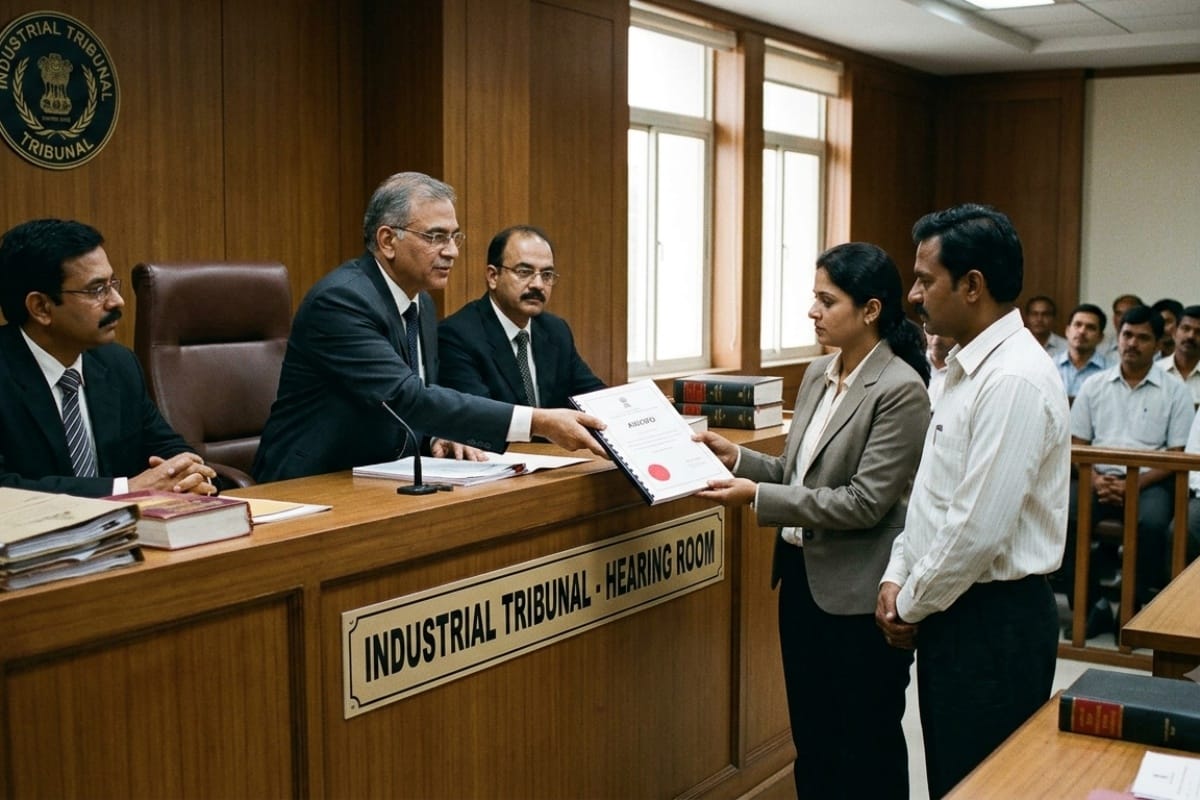
Deciding two connected writ petitions arising from a common Industrial Tribunal Award, the Delhi High Court set aside the Tribunal's direction granting hotel workmen a further…
Labour Laws
06/09/20264 min read
Update / Judgement Date
11 Nov 2025
Source
WCP News Bulletin
Author
Sakshi Bhardwaj — WCP Legal Desk
Reading Time
3 min read
The Delhi High Court modified the conviction of the appellant, Ram Avtar, from murder under Section 302 IPC to culpable homicide not amounting to murder under Section 304 Part-II IPC, holding that there was no evidence of premeditation or intention to kill. The act occurred in the course of a drunken quarrel, amounting only to knowledge of likely death. Considering that the appellant had already undergone over five years in custody, his sentence was reduced to the period already served. The co-accused, Visharad, was acquitted due to lack of corroborative evidence beyond “last seen” circumstances.
• On 23 September 2001, Police Station Badarpur received information that one man had died during a drinking session at the house of Lallan Kabadi.
• The deceased, Ram Dulare, was found with abrasions on the neck; post-mortem indicated death due to asphyxia from manual strangulation.
• The accused, Ram Avtar (the deceased’s son-in-law) and Visharad, were arrested and charged under Sections 302/34 IPC.
• The trial court convicted both under Section 302 IPC and sentenced them to life imprisonment.
• In appeal, both accused contended that conviction was based on interested testimony, that there was no motive, and that the confession allegedly made by Ram Avtar was fabricated.
• The Court found that “last seen” evidence of the accused and the deceased drinking together was credible and corroborated by witness statements (PW-1, PW-2, PW-3, and PW-9).
• The extra-judicial confession made by Ram Avtar to Mahendra (PW-9, son of the deceased) was deemed natural and voluntary, as it was accompanied by conduct—giving ₹1,000 for funeral expenses and urging silence.
• There was, however, no proof of motive or pre-planning. The Court noted the possibility of a sudden quarrel under intoxication, leading to a scuffle and unintentional strangulation.
• Regarding the co-accused Visharad, the Court held that mere presence and “last seen” evidence, without participation or recovery linking him to the act, could not sustain conviction under Section 302/34 IPC.
• The Court reiterated that for murder under Section 302, prosecution must establish intention to cause death or bodily injury likely to cause death, which was absent here.
• Ram Avtar’s conviction was modified from Section 302 IPC to Section 304 Part-II IPC, and his sentence reduced to the period already undergone.
• Visharad was acquitted of all charges and ordered to be released forthwith, unless required in any other case.
• Section 302, Indian Penal Code, 1860 – Punishment for murder.
• Section 304 Part-II, Indian Penal Code, 1860 – Culpable homicide not amounting to murder where death is caused with knowledge but without intention.
• Section 34, Indian Penal Code, 1860 – Common intention.
• Section 161, Code of Criminal Procedure, 1973 – Statements to police during investigation.
• Article 226, Constitution of India – Writ jurisdiction of the High Court.
Citation: 2025:DHC:XXXXXX
Case: Ram Avtar v. State (Govt. of NCT of Delhi) & Visharad v. State (Govt. of NCT of Delhi)
Court: High Court of Delhi at New Delhi
Coram: Hon’ble Mr. Justice Dinesh Mehta & Hon’ble Mr. Justice Vimal Kumar Yadav
Date of Decision: 12 November 2025
Criminal Appeal Nos.: 67 of 2003 & 75 of 2003
Deciding two connected writ petitions arising from a common Industrial Tribunal Award, the Delhi High Court set aside the Tribunal's direction granting hotel workmen a further…
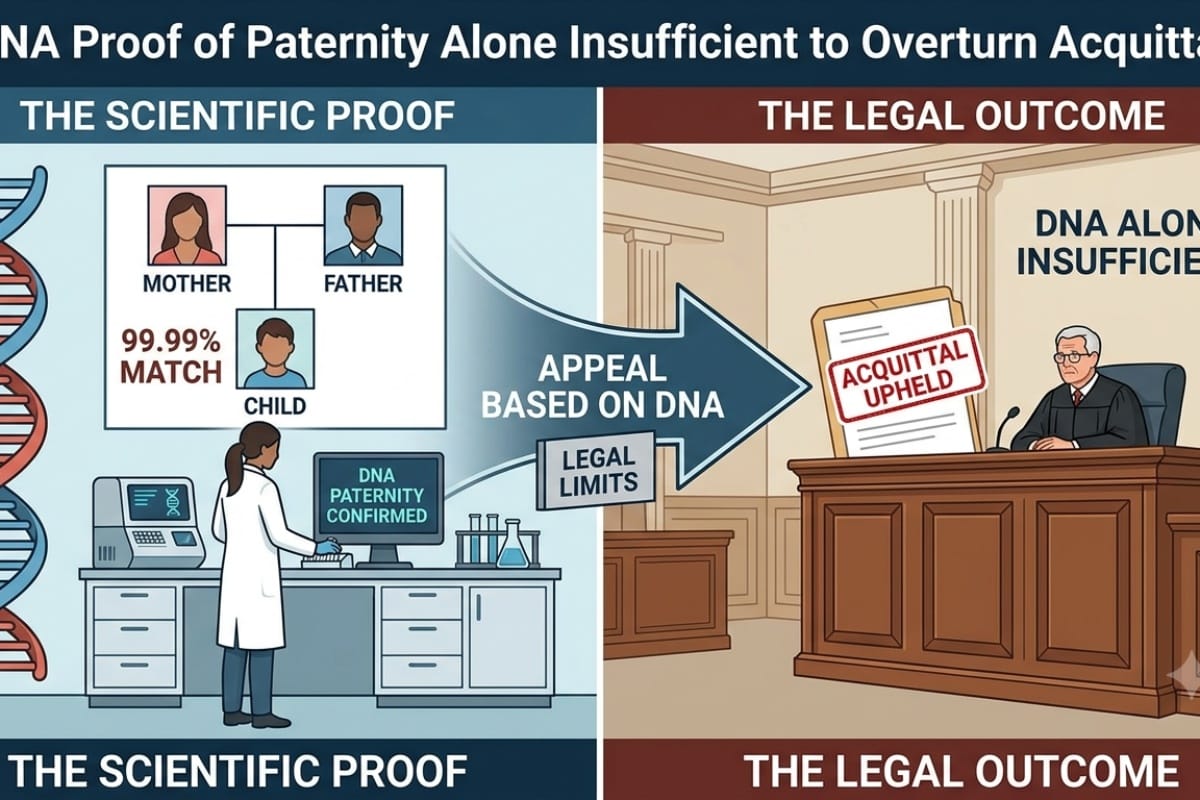
Headnote The Delhi High Court dismissed a prosecutrix's appeal against acquittal of the accused on charges under Sections 328/376 2 n /377/506/509 IPC, despite DNA evidence…
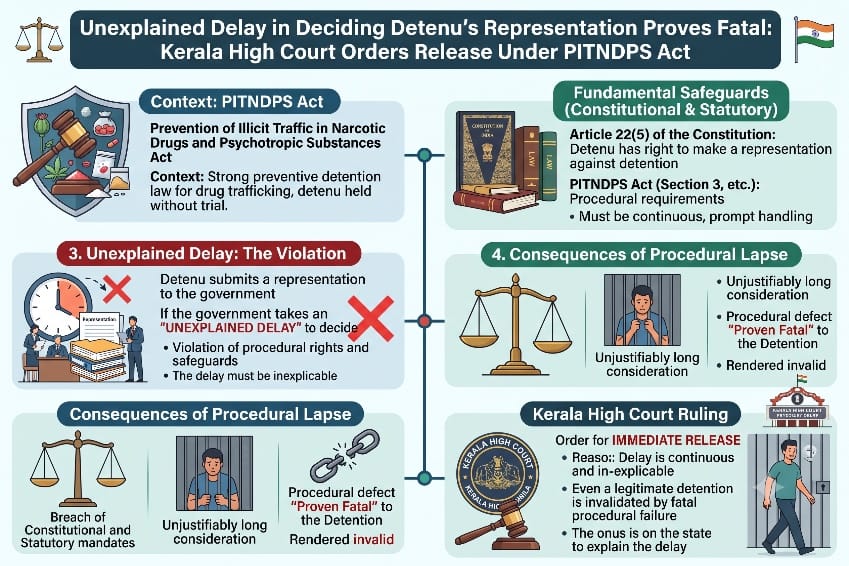
Fathimath Thasneem V.K. v. Union of India and Others | High Court of Kerala at Ernakulam | 3rd September, 2026 A habeas corpus writ petition by the wife of a detenu challenging…
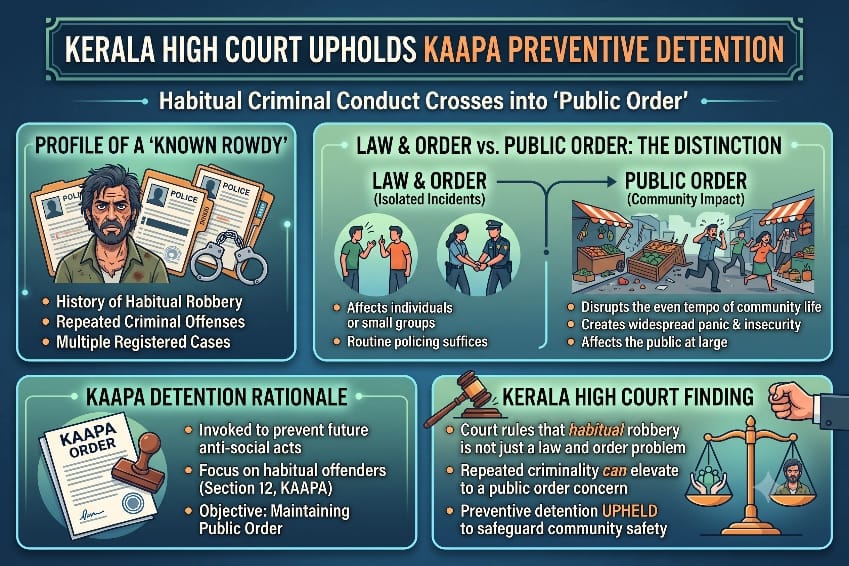
Thasmitha Abukutty v. State of Kerala and Others | High Court of Kerala at Ernakulam | 2nd September, 2026 A writ petition by the wife of a preventive detenu challenging a…
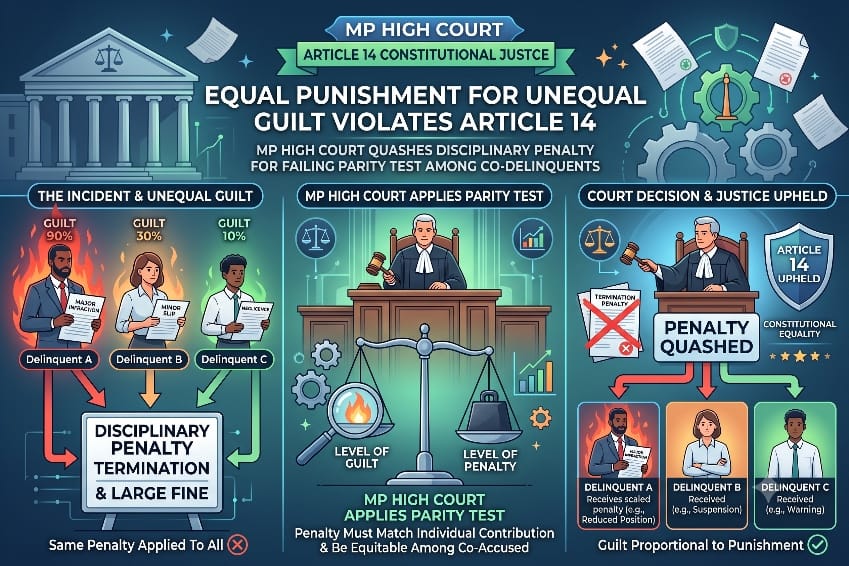
Brahm Kishore Dixit v. The State of Madhya Pradesh and Others | High Court of Madhya Pradesh, Gwalior | 1st September, 2026 A writ petition under Article 226 by a police Assistant…
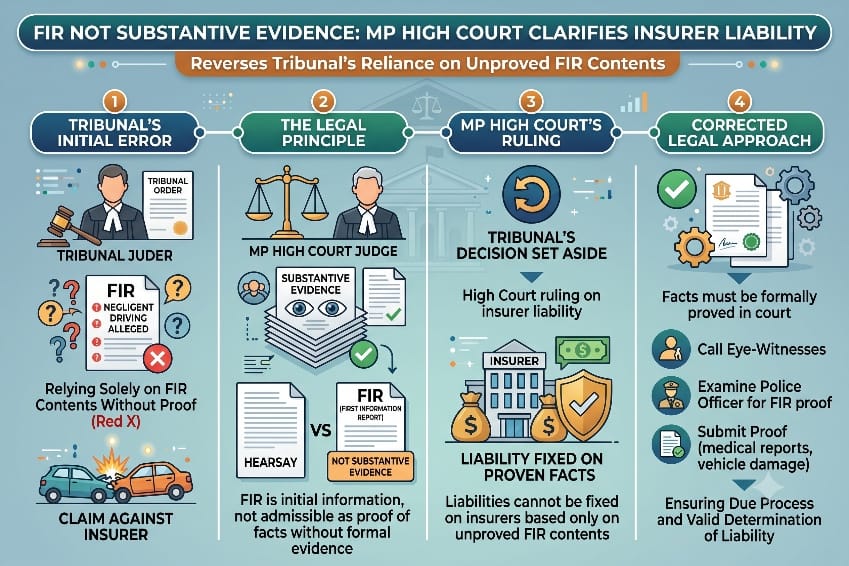
Anil Kumar Patel v. Smt. Munni Bai Barman and Others | High Court of Madhya Pradesh, Jabalpur | 1st September, 2026 A Motor Vehicle Act appeal under Section 173 1 against a Claims…
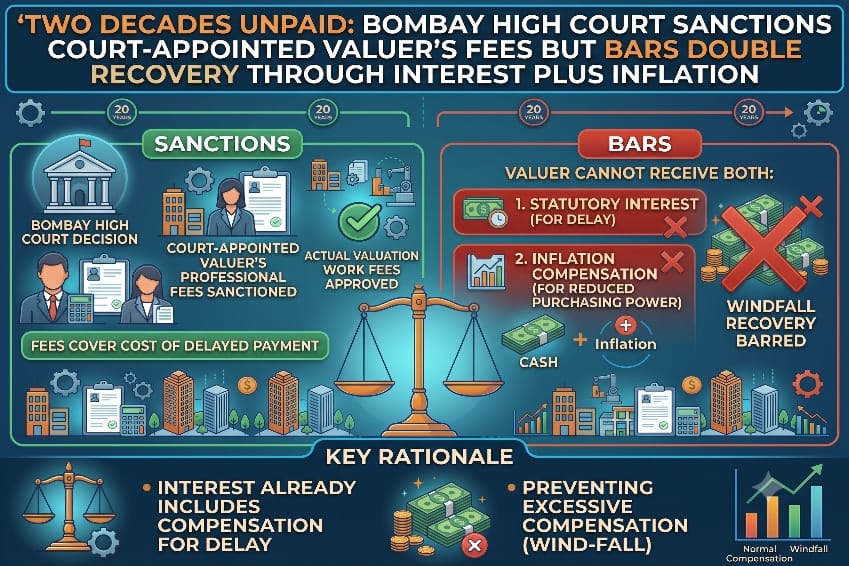
M/s. Kuber Mutual Benefits Ltd. & Ors. v. The State of Maharashtra & Ors. | High Court of Judicature at Bombay Appellate Side | 3rd September, 2026 A Court Receiver's Report…
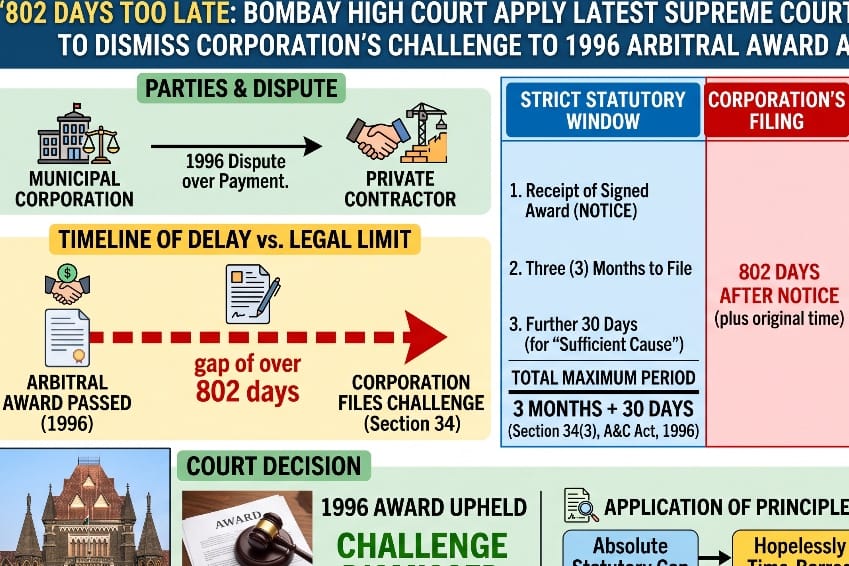
The Municipal Corporation of Greater Bombay v. M/s. Atul Raj Builders Pvt. Ltd. | High Court of Judicature at Bombay Ordinary Original Civil Jurisdiction | 3rd September, 2026 A…
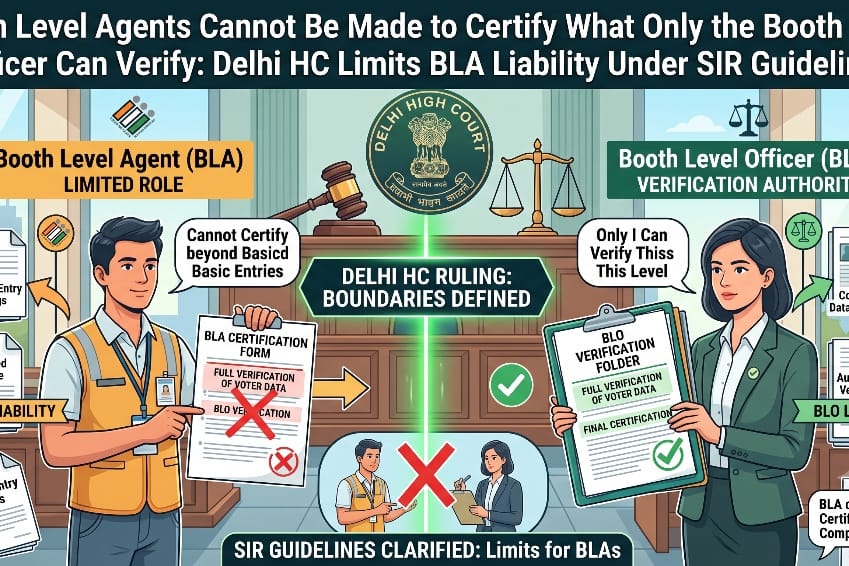
Devender Yadav & Anr. v. Election Commission of India & Anr. | High Court of Delhi Single Judge | Decided on: 03.09.2026 In a challenge to the Election Commission of India's…
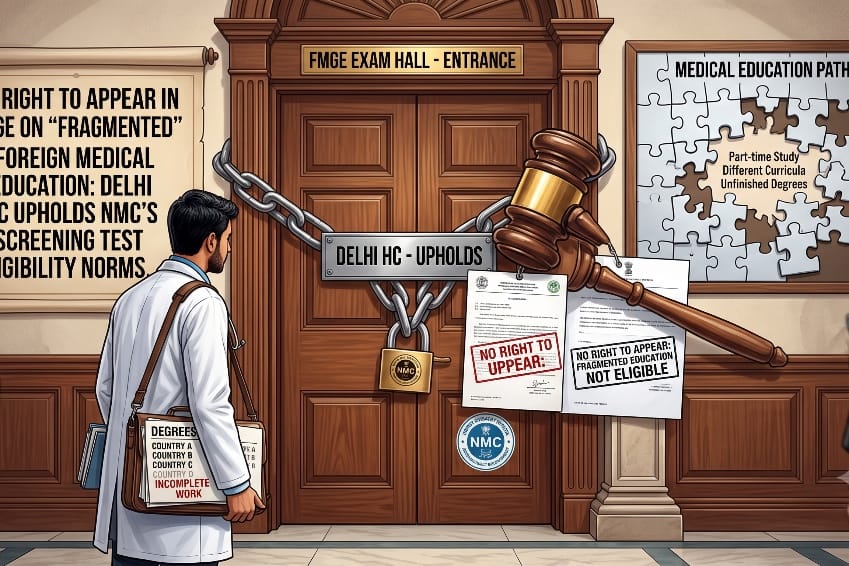
Brij Sharadbhai Bhatt & Ors. v. National Medical Commission & Ors. | High Court of Delhi Division Bench | Decided on: 03.09.2026 The Delhi High Court dismissed a challenge by…