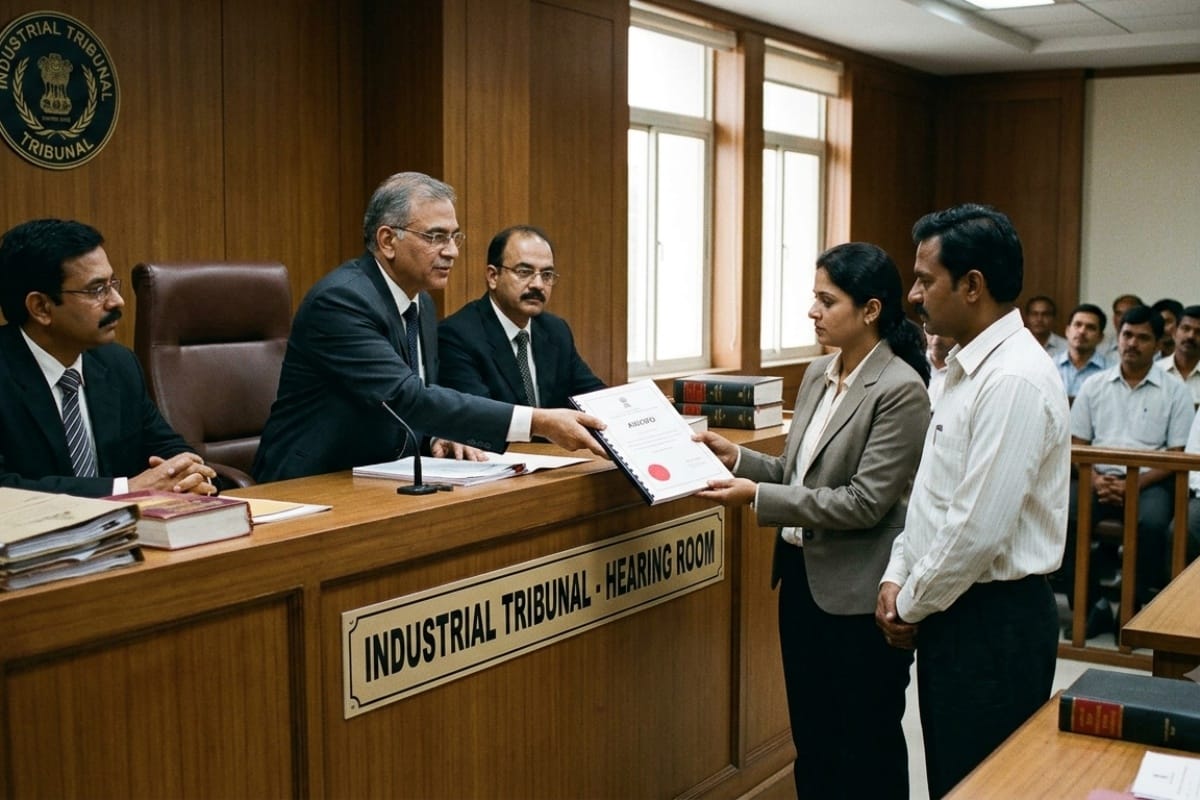
Deciding two connected writ petitions arising from a common Industrial Tribunal Award, the Delhi High Court set aside the Tribunal's direction granting hotel workmen a further…
Labour Laws
06/09/20264 min read
Update / Judgement Date
20 Nov 2025
Source
WCP News Bulletin
Author
Sakshi Bhardwaj — WCP Legal Desk
Reading Time
3 min read
Headnote:
The Delhi High Court held that both the Jurisdictional Assessing Officer (JAO) and the Faceless Assessing Officer (FAO) possess concurrent jurisdiction to issue notices under Section 148 of the Income Tax Act. The Court rejected the petitioners’ challenge that only the FAO could issue such notices under the E-Assessment Scheme. It ruled that the 2022 Scheme does not curtail the statutory power of JAOs, and absent explicit exclusion, JAO-issued notices remain valid. Finding no illegality in the initiation of reassessment proceedings, the Court dismissed all writ petitions.
Background:
The petitioners challenged reassessment notices issued under Section 148, arguing that:
• Notices must be issued only by the FAO, not the JAO, after the 2022 E-Assessment Scheme.
• Therefore, the impugned notices lacked jurisdiction.
The Revenue contended:
• JAOs retain jurisdiction unless specifically excluded by statute.
• The E-Assessment of Income Escaping Assessment Scheme, 2022, is only a procedural framework, not a source-limiting provision.
• Supreme Court judgments (e.g., Union of India v. Ashish Agarwal) recognise the need for statutory backing for any withdrawal of JAO powers.
Multiple petitions were clubbed as they raised the same question of law.
Court’s Observations:
Statutory Powers Not Removed
The power to issue Section 148 notices flows from the Income Tax Act. Delegated schemes cannot override or restrict statutory jurisdiction unless expressly provided.
Section 151A Scheme Does Not Exclude JAO
The 2022 Scheme provides procedural guidance for faceless reassessments but contains no provision eliminating JAO’s authority.
Ashish Agarwal Judgment Reaffirmed
The Supreme Court held that reassessment powers remain vested in Assessing Officers unless explicitly modified by the legislature, not merely by administrative schemes.
Concurrent Jurisdiction Upheld
Both FAO and JAO can start reassessment proceedings. The petitioners failed to show any statutory amendment depriving the JAO of such power.
Notices Valid
Since the JAOs acted within statutory authority, the Court found no illegality in issuing notices under Section 148.
All Petitions Dismissed
The Court refused to interfere, stating that the factual and merits-based review must continue in reassessment proceedings.
Legal Provisions Discussed:
Section 148, Income Tax Act, 1961 — Issuance of notice for income escaping assessment.
Section 151, 151A, Income Tax Act — Sanction and procedural framework for reassessment.
Income Escaping Assessment Scheme, 2022 — Governs faceless reassessment procedures.
Union of India v. Ashish Agarwal, (2022) 8 SCC 148 — Supreme Court interpretation of reassessment powers.
Citation: 2025:DEL:XXXX
Case: Inder Dev Gupta & Ors. v. Assistant Commissioner of Income Tax, Central Circle 2–Delhi
Court: High Court of Delhi at New Delhi
Date of Decision: 21 November 2025
Writ Petition Nos.: W.P.(C) 16937/2025; 16939/2025; 16949/2025; 16950/2025; 16985/2025; 16986/2025; 16987/2025; 16995/2025; 17082/2025
Deciding two connected writ petitions arising from a common Industrial Tribunal Award, the Delhi High Court set aside the Tribunal's direction granting hotel workmen a further…
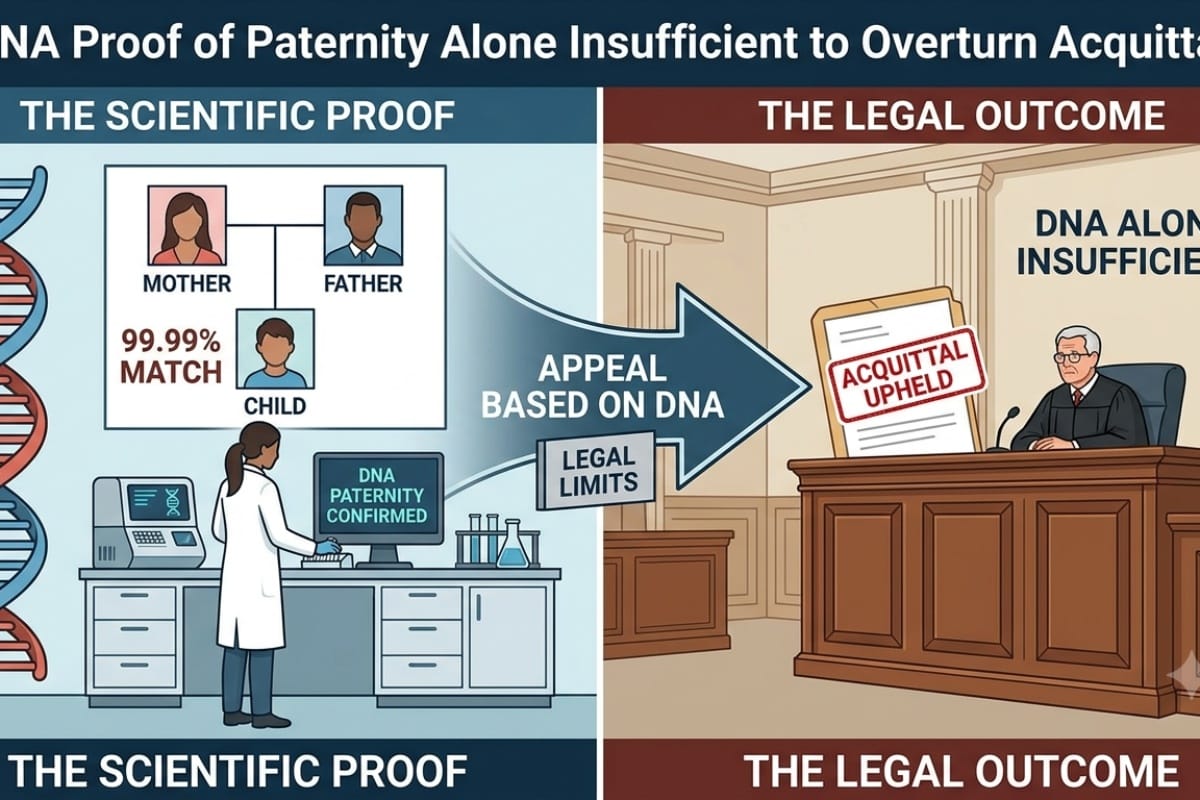
Headnote The Delhi High Court dismissed a prosecutrix's appeal against acquittal of the accused on charges under Sections 328/376 2 n /377/506/509 IPC, despite DNA evidence…
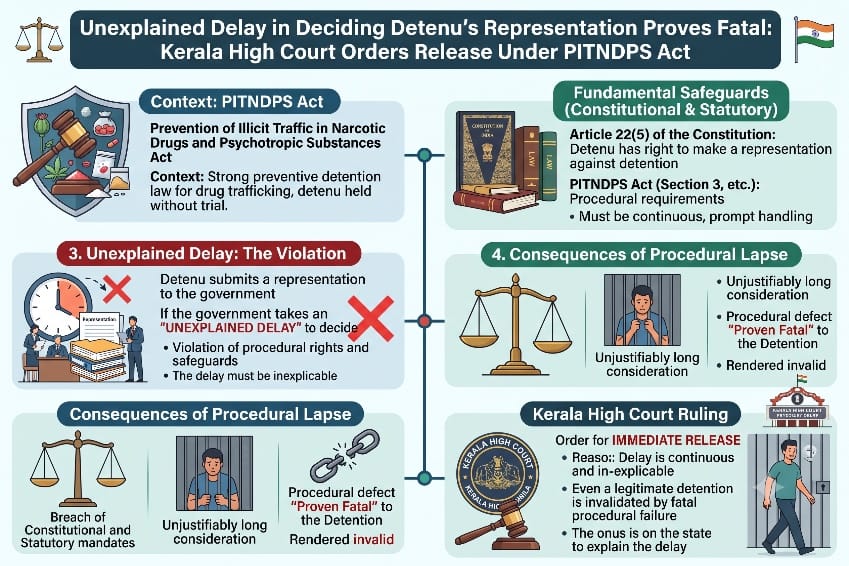
Fathimath Thasneem V.K. v. Union of India and Others | High Court of Kerala at Ernakulam | 3rd September, 2026 A habeas corpus writ petition by the wife of a detenu challenging…
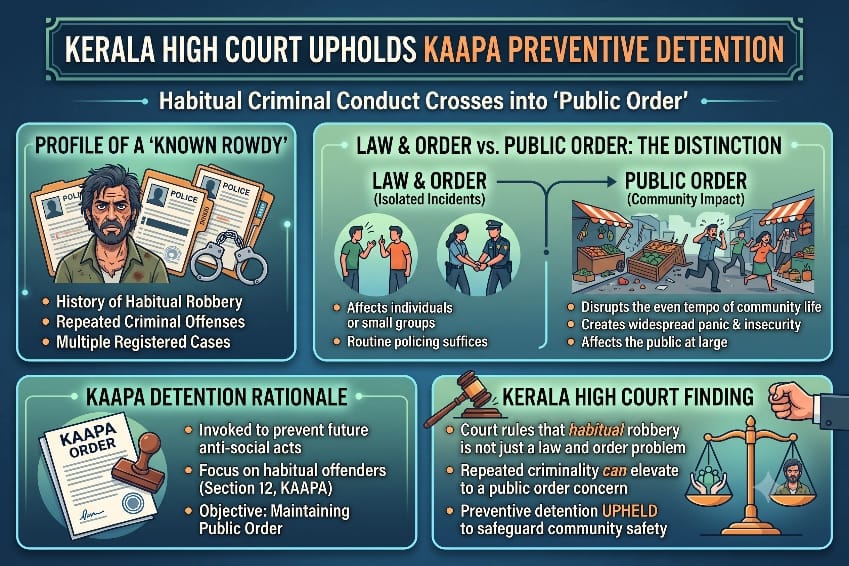
Thasmitha Abukutty v. State of Kerala and Others | High Court of Kerala at Ernakulam | 2nd September, 2026 A writ petition by the wife of a preventive detenu challenging a…
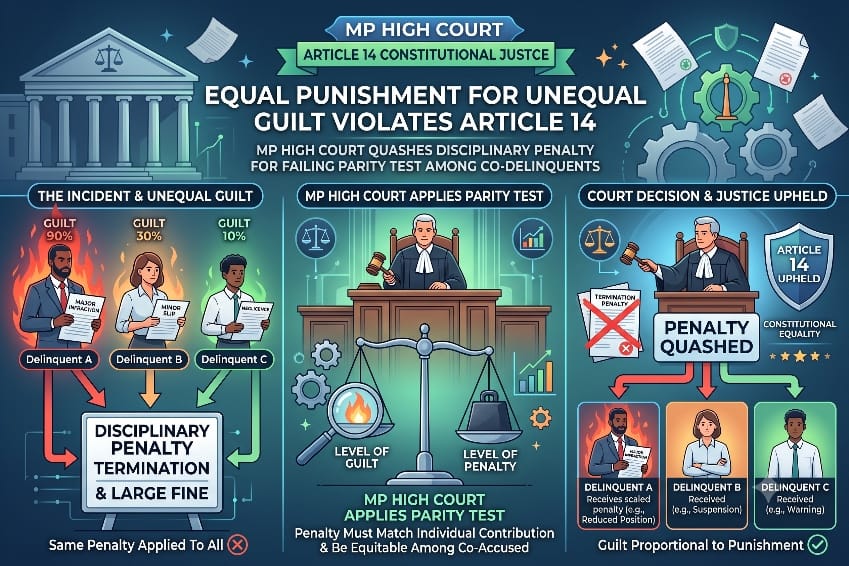
Brahm Kishore Dixit v. The State of Madhya Pradesh and Others | High Court of Madhya Pradesh, Gwalior | 1st September, 2026 A writ petition under Article 226 by a police Assistant…
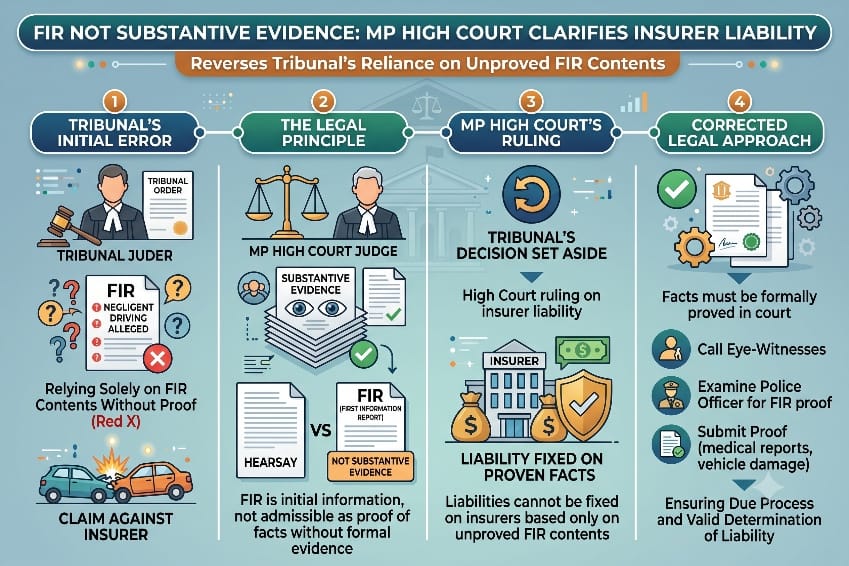
Anil Kumar Patel v. Smt. Munni Bai Barman and Others | High Court of Madhya Pradesh, Jabalpur | 1st September, 2026 A Motor Vehicle Act appeal under Section 173 1 against a Claims…
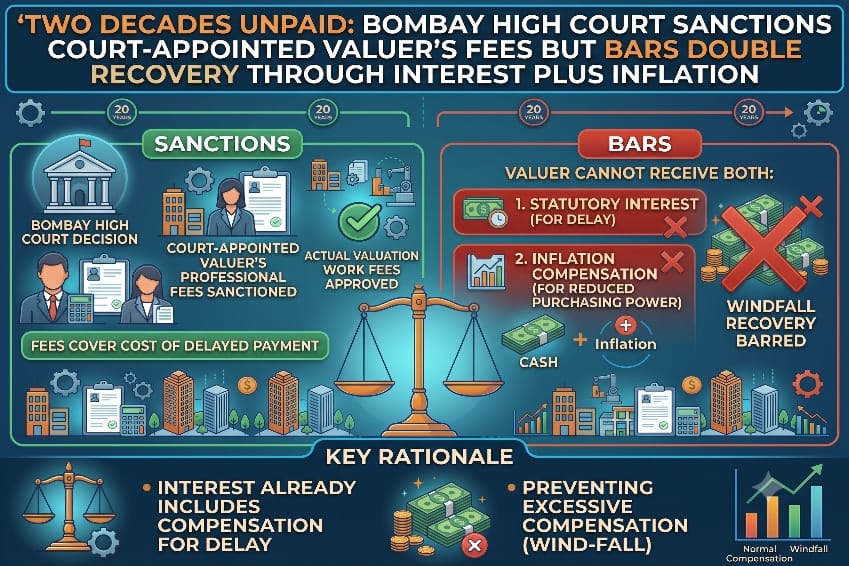
M/s. Kuber Mutual Benefits Ltd. & Ors. v. The State of Maharashtra & Ors. | High Court of Judicature at Bombay Appellate Side | 3rd September, 2026 A Court Receiver's Report…
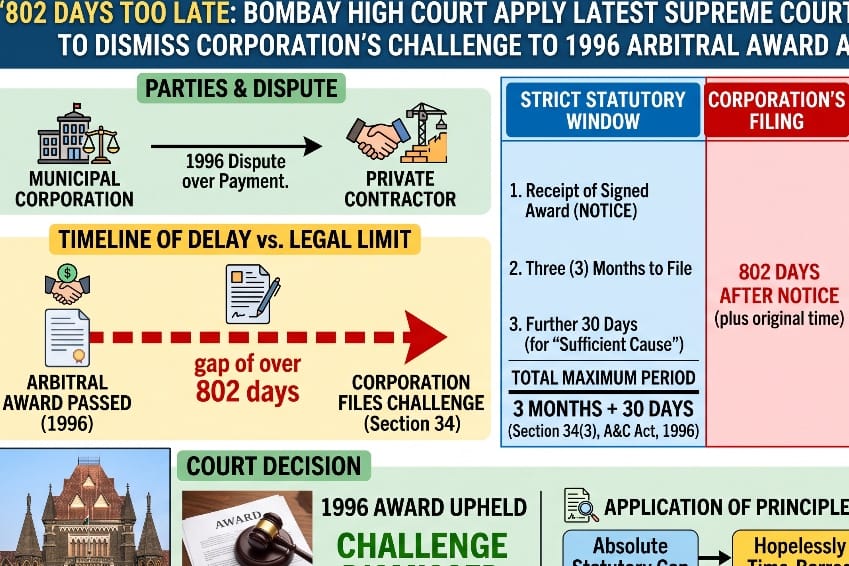
The Municipal Corporation of Greater Bombay v. M/s. Atul Raj Builders Pvt. Ltd. | High Court of Judicature at Bombay Ordinary Original Civil Jurisdiction | 3rd September, 2026 A…
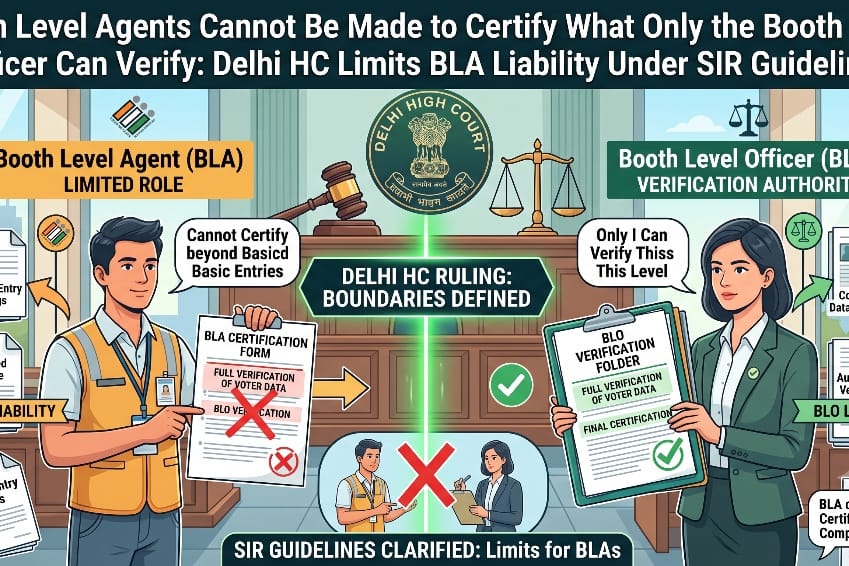
Devender Yadav & Anr. v. Election Commission of India & Anr. | High Court of Delhi Single Judge | Decided on: 03.09.2026 In a challenge to the Election Commission of India's…
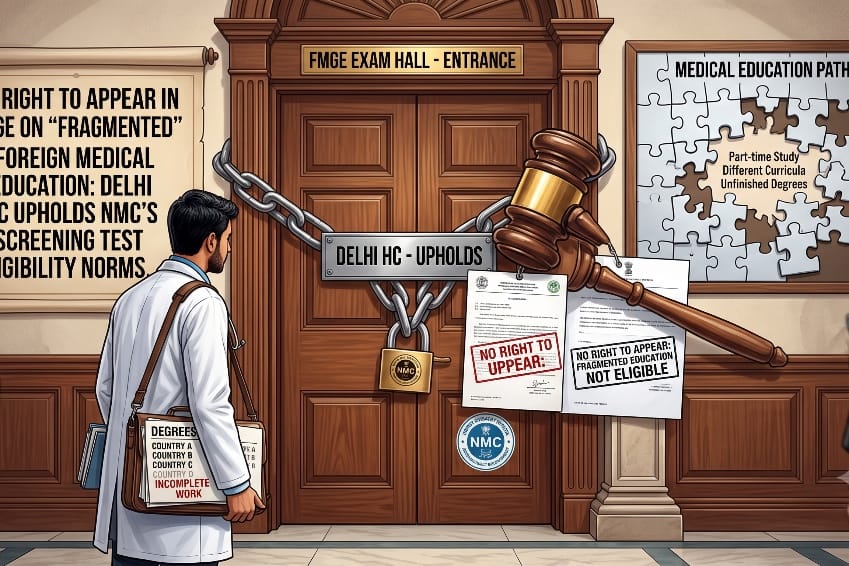
Brij Sharadbhai Bhatt & Ors. v. National Medical Commission & Ors. | High Court of Delhi Division Bench | Decided on: 03.09.2026 The Delhi High Court dismissed a challenge by…