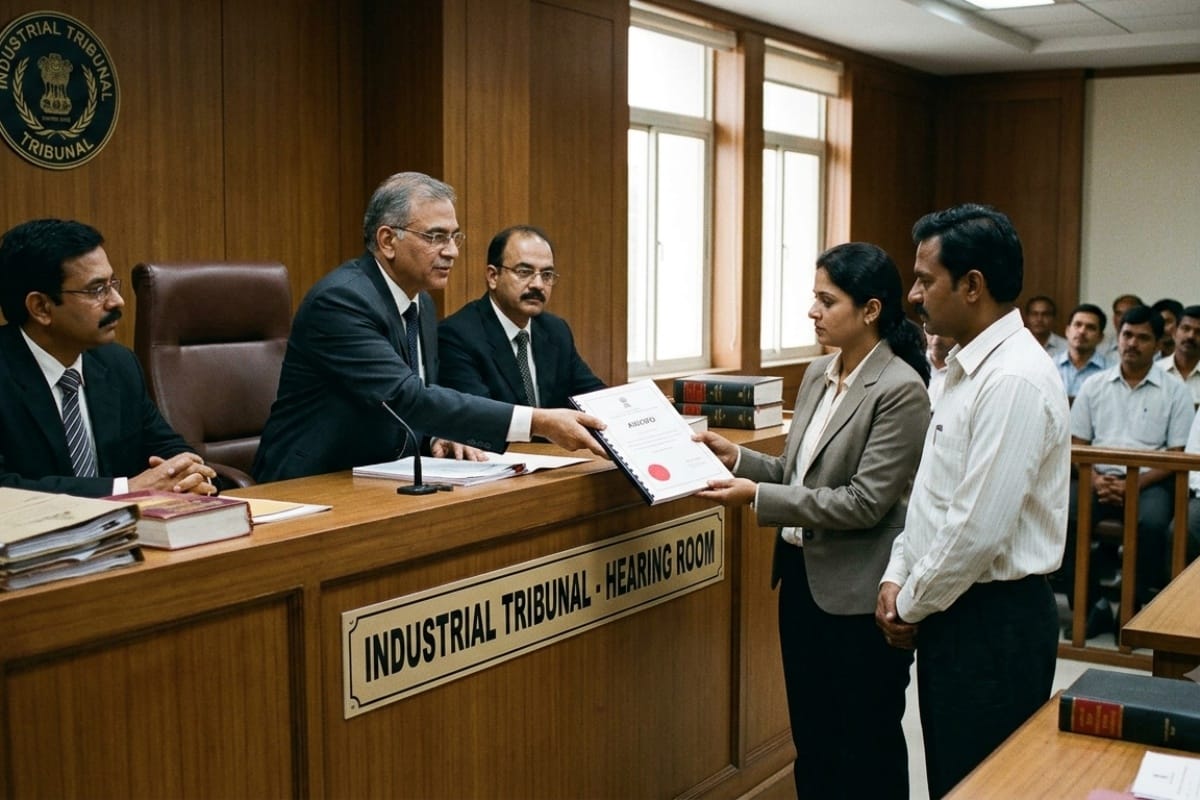
Deciding two connected writ petitions arising from a common Industrial Tribunal Award, the Delhi High Court set aside the Tribunal's direction granting hotel workmen a further…
Labour Laws
06/09/20264 min read
Update / Judgement Date
28 Oct 2025
Source
WCP News Bulletin
Author
Sakshi Bhardwaj — WCP Legal Desk
Reading Time
4 min read
The Delhi High Court dismissed an appeal challenging the grant of probate of a Will executed by late R.N. Gupta, upholding the findings of the Single Judge that the Will was genuine and duly executed. The Court reiterated that a Probate Court’s jurisdiction is limited to determining the genuineness and due execution of a Will, and it cannot adjudicate property disputes or the validity of family settlements. Alleged “suspicious circumstances” must be substantiated by cogent evidence.
• The deceased, R.N. Gupta (RNG), passed away on 14.02.2006, leaving behind his wife Raj Gupta and three children — Meera Sawhney (Appellant No.1), Gargi Gupta (Appellant No.2), and Bharat Gupta (Respondent No.2).
• Through a Memorandum of Family Settlement (MOFS) dated 01.04.1999, RNG received a 1/5th share in an undivided property — Bungalow No. 4, University Road, Delhi.
• He executed a registered Will dated 17.09.2000, bequeathing his movable and immovable properties, including his share in the undivided property, to his wife, excluding his children during her lifetime.
• After RNG’s death, his son Bharat Gupta (Respondent No.2) filed a Probate Petition as executor of the Will. The daughters (Appellants) contested the petition alleging suspicious circumstances and invalidity of the Will.
• The learned Single Judge, after examining evidence, allowed the probate on 20.02.2023. The daughters appealed.
• A civil suit for partition of the HUF property and another for appointment of Karta were pending, hence the Will’s subject matter was sub judice.
• The MOFS was invalid since it was unregistered and unsigned by all coparceners; thus, RNG could not have bequeathed the property.
• The Will suffered from five suspicious circumstances:
• RNG executed the Will in sound mental and physical health; attesting witnesses (Adv. Mukta Kapoor and Adv. Anupama Kaul) confirmed he read and signed it voluntarily.
• The Armchair Rule supports that the Will reflected a natural, reasoned disposition.
• No alteration or revocation occurred in the six years between execution and death.
• RNG held confirmed ownership of a 1/5th share in the property, as corroborated by official property and Army records.
• The scope of a Probate Court is confined to examining the genuineness, execution, and testamentary capacity of the testator — not property rights or family settlements.
• Pending civil suits for partition or Karta appointment are irrelevant to probate proceedings.
• The Will fulfilled all requirements under Sections 59 and 63 of the Indian Succession Act, 1925.
• No credible evidence of coercion, fraud, or undue influence was shown; RNG was mentally alert and active in business and legal affairs.
• Attesting witnesses confirmed proper execution, satisfying statutory formalities.
• The alleged “suspicious circumstances” were not supported by evidence — the timing of the Will’s production, appointment of executor, or non-disclosure of the mutual Will did not invalidate it.
• Clause (c) of the Will provided for equal shares to all children after the death of both parents, indicating a balanced and reasoned disposition, not exclusion.
• The Single Judge’s reference to the MOFS was only prima facie, without adjudicating its validity — hence within jurisdiction.
• Section 59 & 63, Indian Succession Act, 1925 – Due execution and attestation of a Will.
• Section 30, Hindu Succession Act, 1956 – Testamentary disposition by a Hindu of his share in property.
• Probate Court’s Limited Jurisdiction – It cannot decide ownership or partition issues (Kanwarjit Singh Dhillon v. Hardayal Singh Dhillon, (2007) 11 SCC 357; Krishna Kumar Birla v. Rajendra Singh Lodha, (2008) 4 SCC 300).
• Suspicious Circumstances Test – As per Anil Kak v. Kumari Sharada Raje (2008) 7 SCC 695 and Leela Rajagopal v. Kamala Menon Cocharan (2014) 15 SCC 570.
• The Appellants failed to establish any illegality, perversity, or procedural irregularity in the Single Judge’s judgment.
• The appeal was dismissed.
• Probate of the Will dated 17.09.2000 was upheld as valid and genuine.
Citation: 2025:DHC:XXXX (to be updated after official publication)
Case: Meera Sawhney & Anr. v. State & Anr.
Court: High Court of Delhi at New Delhi
FAO(OS): 55/2023 & CM APPL. 21903/2023
Deciding two connected writ petitions arising from a common Industrial Tribunal Award, the Delhi High Court set aside the Tribunal's direction granting hotel workmen a further…
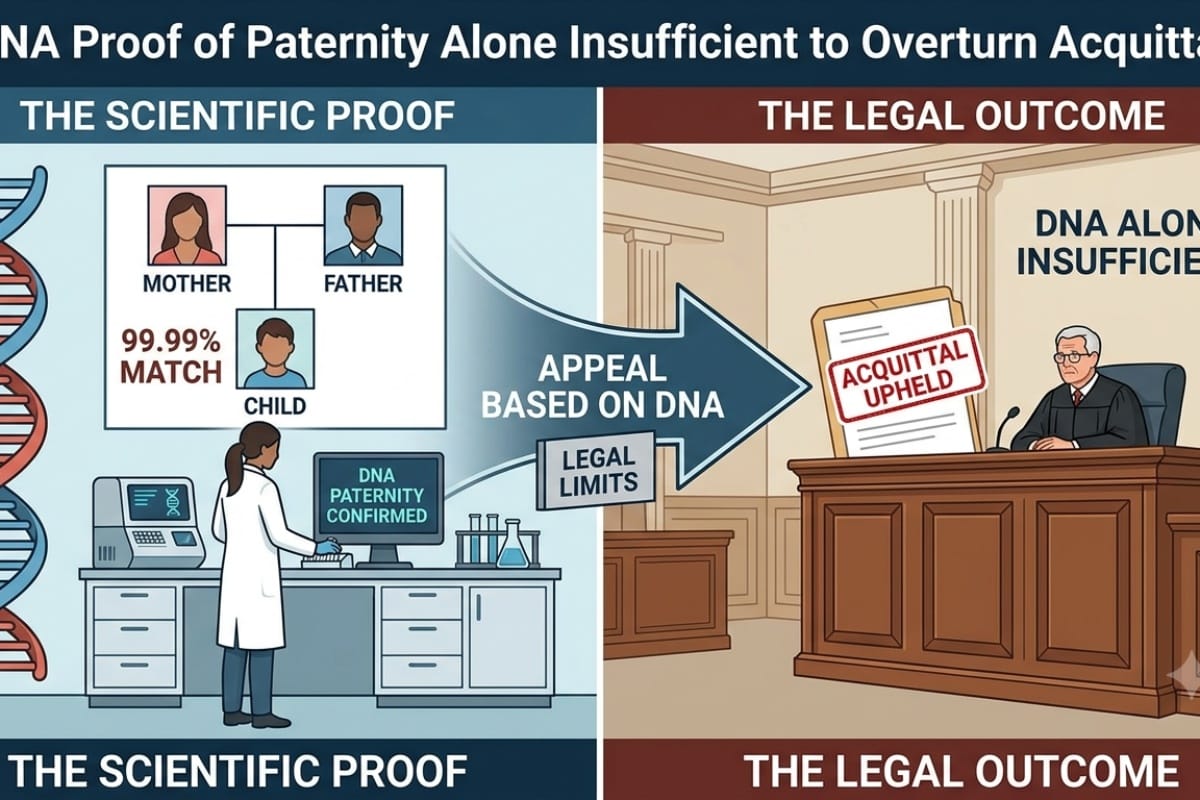
Headnote The Delhi High Court dismissed a prosecutrix's appeal against acquittal of the accused on charges under Sections 328/376 2 n /377/506/509 IPC, despite DNA evidence…
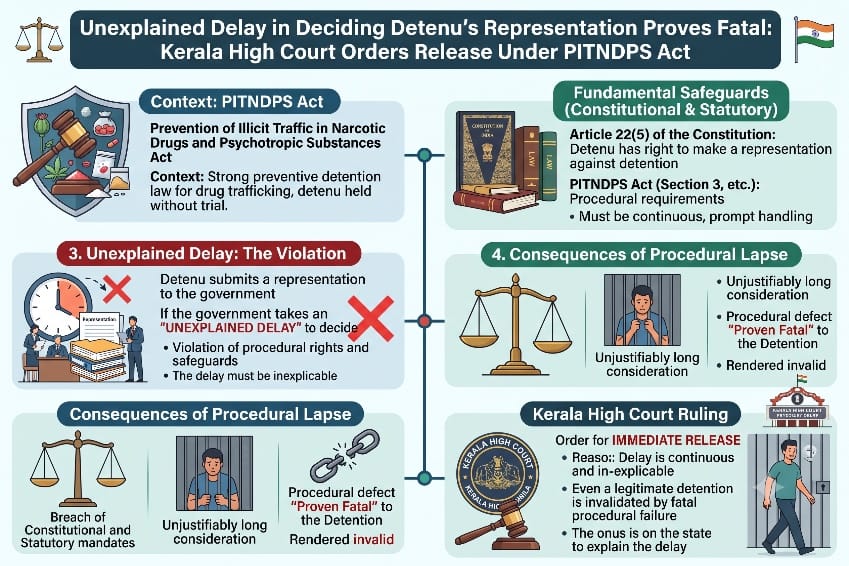
Fathimath Thasneem V.K. v. Union of India and Others | High Court of Kerala at Ernakulam | 3rd September, 2026 A habeas corpus writ petition by the wife of a detenu challenging…
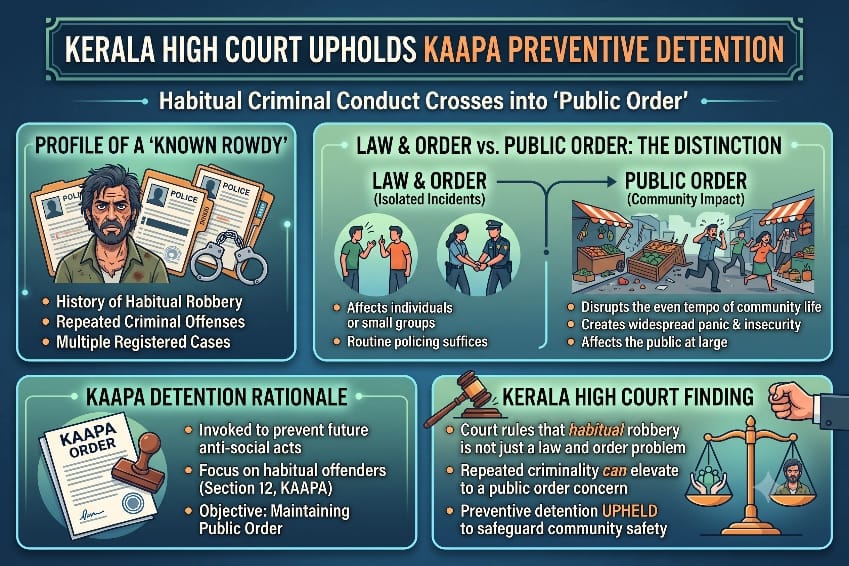
Thasmitha Abukutty v. State of Kerala and Others | High Court of Kerala at Ernakulam | 2nd September, 2026 A writ petition by the wife of a preventive detenu challenging a…
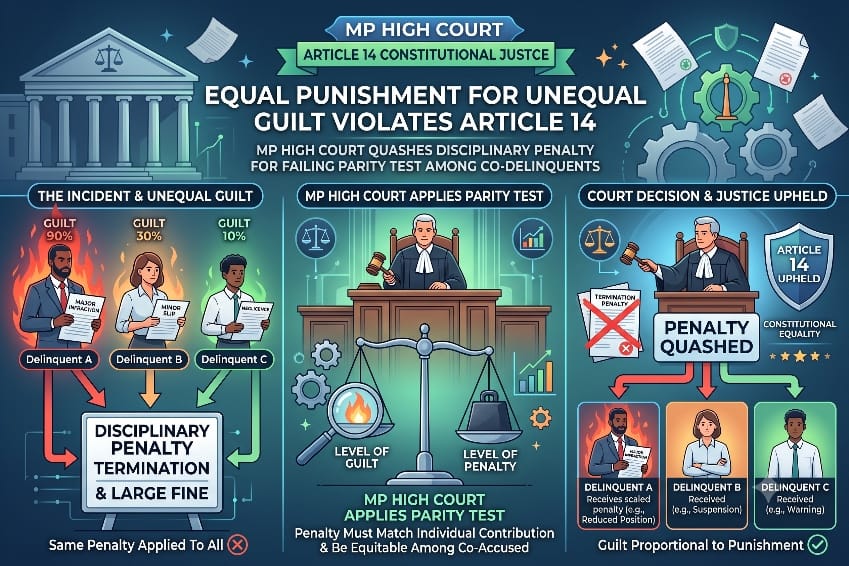
Brahm Kishore Dixit v. The State of Madhya Pradesh and Others | High Court of Madhya Pradesh, Gwalior | 1st September, 2026 A writ petition under Article 226 by a police Assistant…
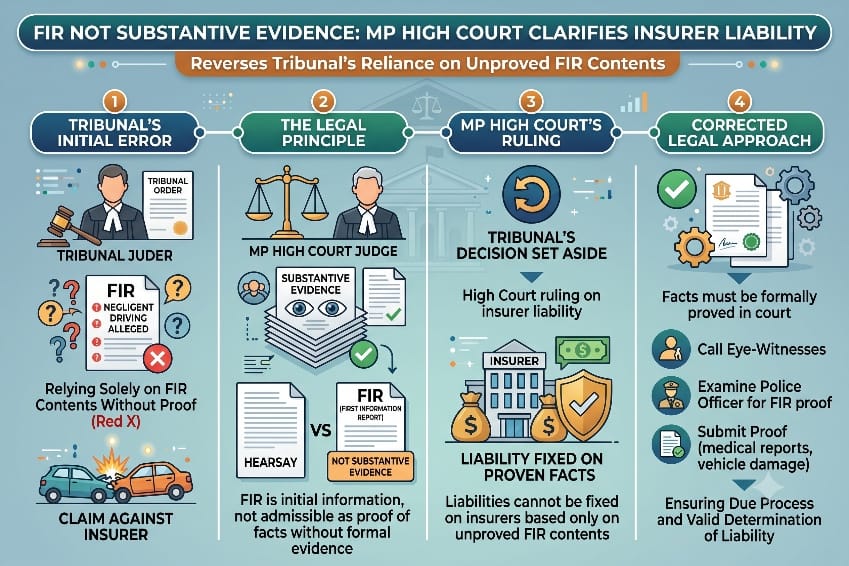
Anil Kumar Patel v. Smt. Munni Bai Barman and Others | High Court of Madhya Pradesh, Jabalpur | 1st September, 2026 A Motor Vehicle Act appeal under Section 173 1 against a Claims…
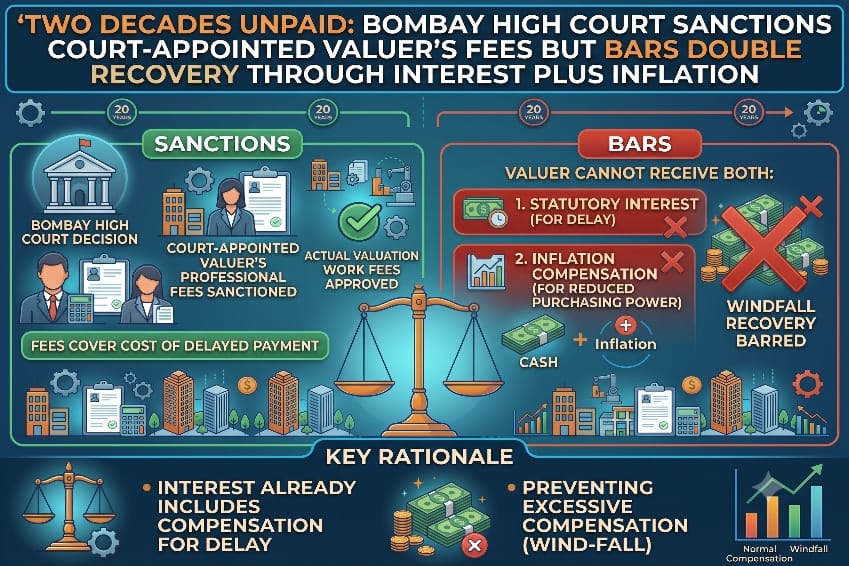
M/s. Kuber Mutual Benefits Ltd. & Ors. v. The State of Maharashtra & Ors. | High Court of Judicature at Bombay Appellate Side | 3rd September, 2026 A Court Receiver's Report…
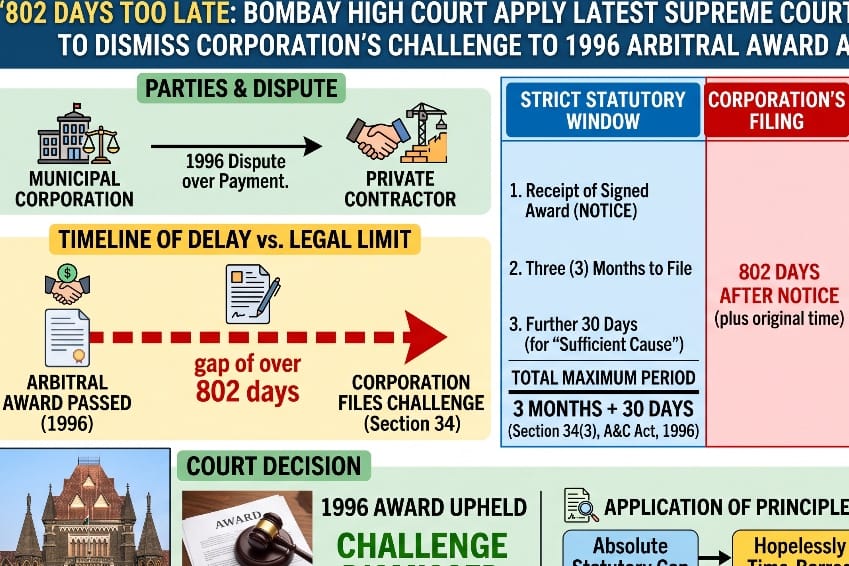
The Municipal Corporation of Greater Bombay v. M/s. Atul Raj Builders Pvt. Ltd. | High Court of Judicature at Bombay Ordinary Original Civil Jurisdiction | 3rd September, 2026 A…
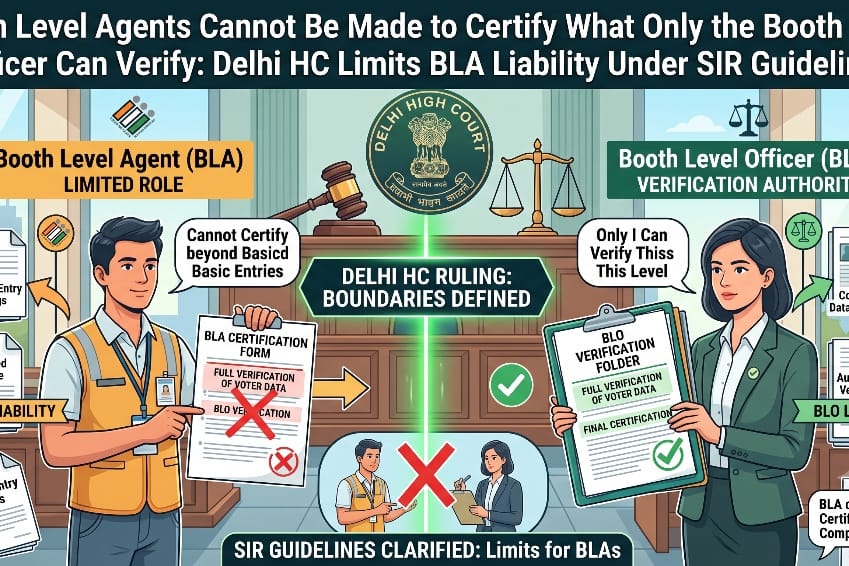
Devender Yadav & Anr. v. Election Commission of India & Anr. | High Court of Delhi Single Judge | Decided on: 03.09.2026 In a challenge to the Election Commission of India's…
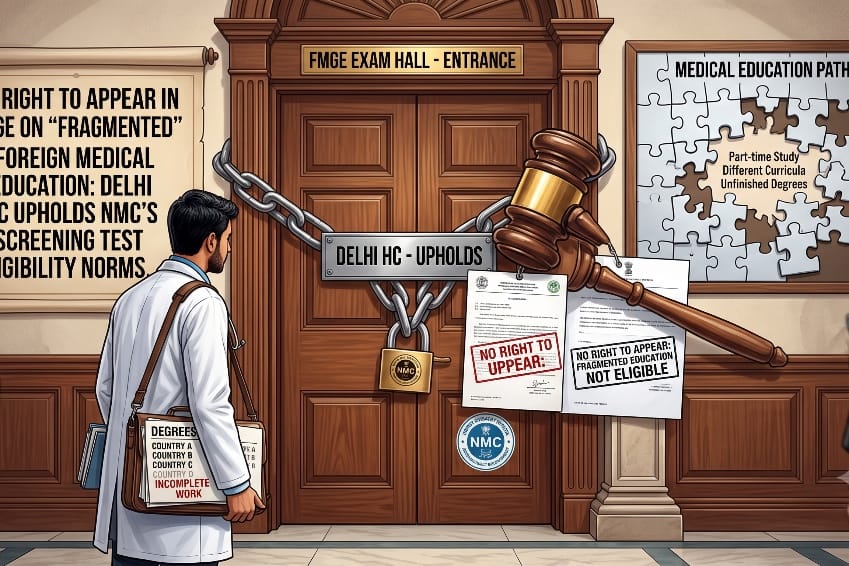
Brij Sharadbhai Bhatt & Ors. v. National Medical Commission & Ors. | High Court of Delhi Division Bench | Decided on: 03.09.2026 The Delhi High Court dismissed a challenge by…