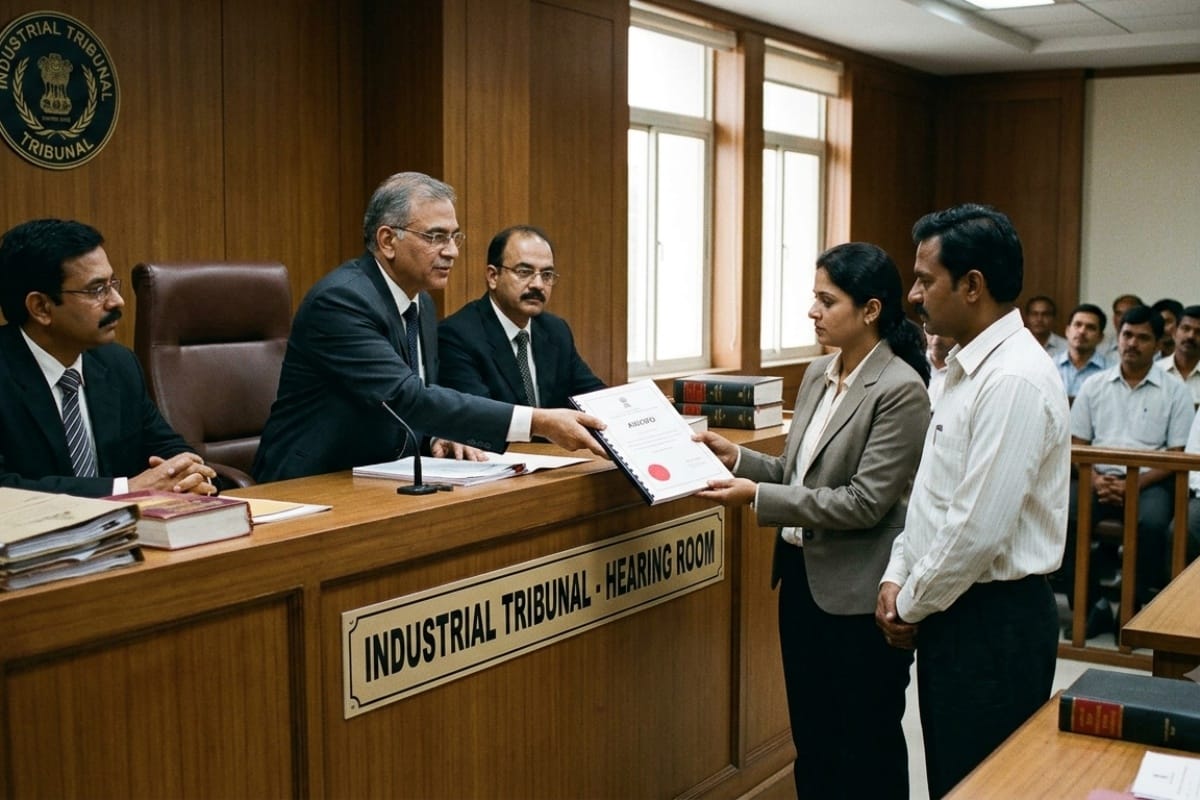
Deciding two connected writ petitions arising from a common Industrial Tribunal Award, the Delhi High Court set aside the Tribunal's direction granting hotel workmen a further…
Labour Laws
06/09/20264 min read
Update / Judgement Date
19 Dec 2025
Source
WCP News Bulletin
Author
Sakshi Bhardwaj — WCP Legal Desk
Reading Time
4 min read
The Delhi High Court dismissed appeals seeking quashing of an FIR and an order taking cognizance in a neighbourhood dispute involving allegations under the IPC and the SC/ST (Prevention of Atrocities) Act. The Court held that at the stage of cognizance and while exercising inherent powers, it cannot conduct a detailed appreciation of evidence or adjudicate on contradictions, improvements, or veracity of witness statements. Where the FIR, charge-sheet, and supporting material disclose prima facie commission of cognizable offences, interference is unwarranted. All disputed factual issues must be tested during trial.
• The appellants were SK Singh, a senior police officer (then DCP – Communication), his wife Manju Singh, and his driver Ct. Sandeep Kumar Dahiya.
• FIR No. 351/2021 was registered at PS Mukherjee Nagar based on allegations by the complainant, daughter of an ASI and neighbour of the appellants.
• The complainant alleged obstruction, criminal intimidation, assault, use of caste-based abuses, and threats arising out of a dispute relating to construction activity near her residence.
• Offences were registered under various provisions of the IPC and the SC/ST (POA) Act.
• A cross-FIR (No. 352/2021) was also lodged by appellant Manju Singh alleging provocation and false implication.
• After investigation, a charge-sheet was filed. The Sessions Court took cognizance and summoned the appellants by order dated 25.01.2024.
• Aggrieved, the appellants approached the High Court seeking quashing of the FIR and the summoning order.
Issues Before the Court• Whether the FIR and charge-sheet disclosed prima facie commission of cognizable offences.
• Whether alleged contradictions, delayed statements, improvements, or absence of certain witnesses justified quashing at the cognizance stage.
• Whether cognizance under substituted provisions of the SC/ST Act was illegal.
• Whether lack of sanction under Section 197 CrPC / Delhi Police Act vitiated the proceedings at this stage.
• The power to quash criminal proceedings under Section 482 CrPC is extraordinary and must be exercised sparingly and with circumspection.
• At the stage of cognizance, the Court only examines whether prima facie material exists, not whether the prosecution will ultimately succeed.
• Detailed scrutiny of evidence, assessment of contradictions, improvements in statements, or credibility of witnesses is impermissible at this stage.
• FIRs are not expected to be encyclopaedic; subsequent statements and collected material form part of the investigative record.
• The presence of a cross-FIR itself shows that the dispute involves contested facts requiring trial.
• Allegations of caste-based abuse, assault, intimidation, and participation of each appellant were discernible from the FIR, statements under Sections 161 and 164 CrPC, and supplementary statements.
• Questions regarding applicability of specific sections of the SC/ST Act, role attribution, common intention, sanction, or alleged misuse are matters to be considered at the stage of framing of charge or trial, not at cognizance.
• The summoning order did not suffer from perversity or absence of material warranting interference.
• The appeals seeking quashing of the FIR and the order taking cognizance were dismissed.
• The Court held that no grounds were made out for exercise of inherent powers to stifle the prosecution at the threshold.
• All issues raised by the appellants were left open to be urged before the Trial Court at the stage of framing of charge.
• Section 482, Code of Criminal Procedure, 1973 – Inherent powers of the High Court.
• Sections 190 & 204, CrPC – Taking cognizance and issuance of process.
• Various provisions of the IPC, including Sections 308, 354, 451, 506, 509, 341, 427, 34.
• SC/ST (Prevention of Atrocities) Act, 1989, including Sections 3(1)(r), (s), (w) and substituted provisions.
• Article 226, Constitution of India – Supervisory jurisdiction (by reference).
Case: SK Singh v. State of NCT of Delhi & Anr. (along with Manju Singh v. State of NCT of Delhi & Anr. and Sandeep Kumar Dahiya v. State of NCT of Delhi & Anr.)
Court: High Court of Delhi at New Delhi
Coram: Justice Manoj Kumar Ohri
Date of Decision: 20 December 2025
Criminal Appeal Nos.: CRL.A. 203/2024, 204/2024 & 205/2024
Deciding two connected writ petitions arising from a common Industrial Tribunal Award, the Delhi High Court set aside the Tribunal's direction granting hotel workmen a further…
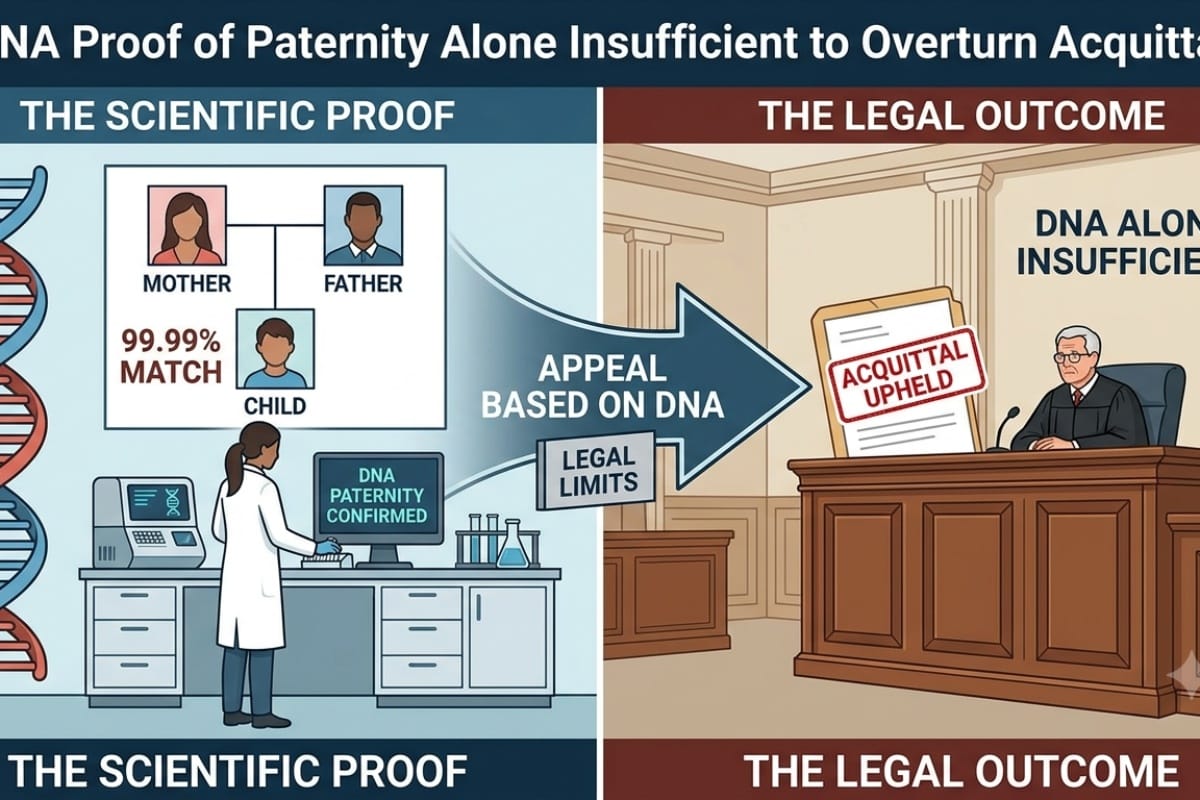
Headnote The Delhi High Court dismissed a prosecutrix's appeal against acquittal of the accused on charges under Sections 328/376 2 n /377/506/509 IPC, despite DNA evidence…
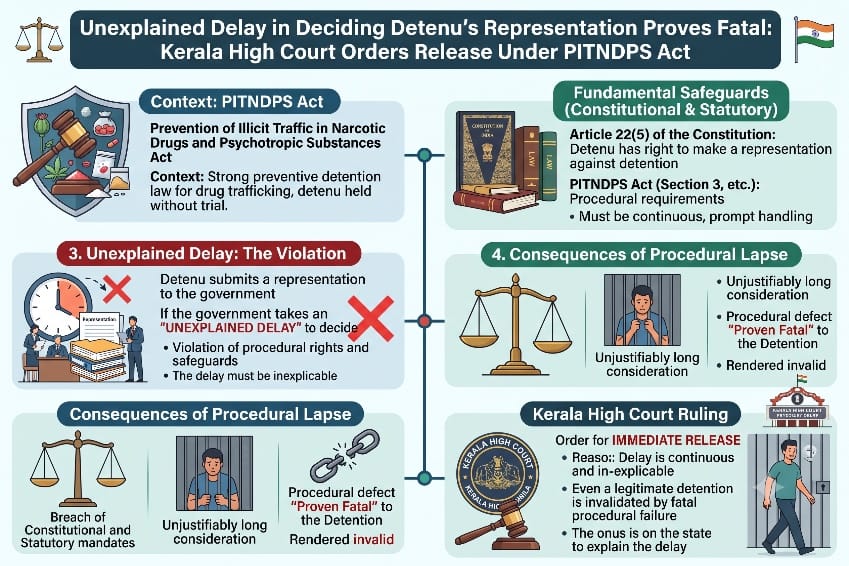
Fathimath Thasneem V.K. v. Union of India and Others | High Court of Kerala at Ernakulam | 3rd September, 2026 A habeas corpus writ petition by the wife of a detenu challenging…
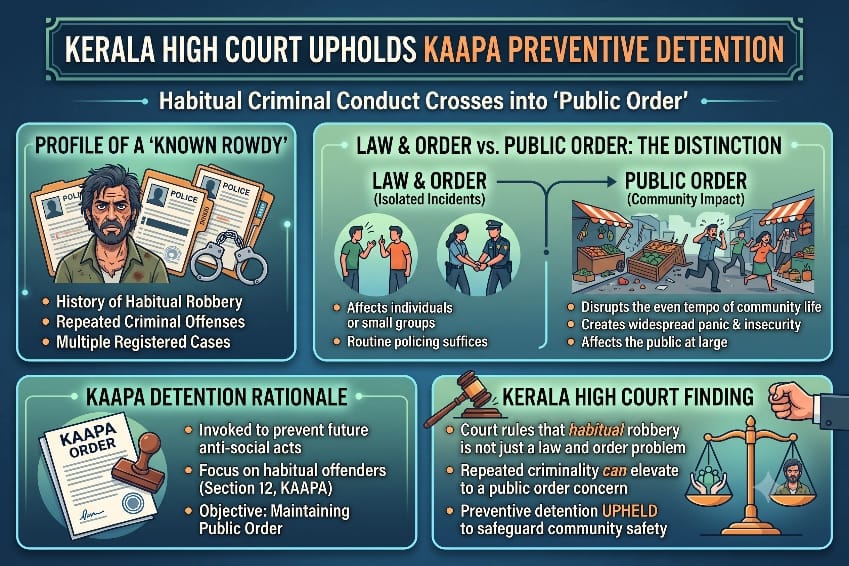
Thasmitha Abukutty v. State of Kerala and Others | High Court of Kerala at Ernakulam | 2nd September, 2026 A writ petition by the wife of a preventive detenu challenging a…
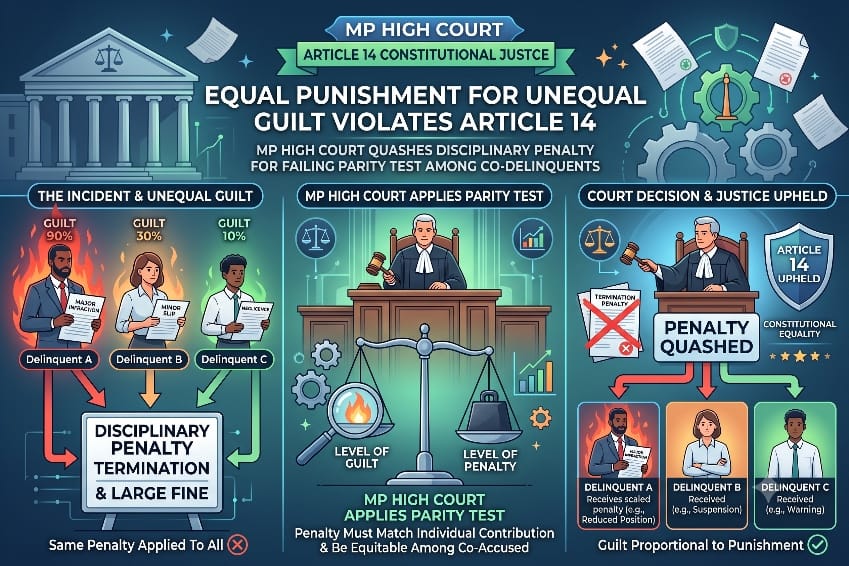
Brahm Kishore Dixit v. The State of Madhya Pradesh and Others | High Court of Madhya Pradesh, Gwalior | 1st September, 2026 A writ petition under Article 226 by a police Assistant…
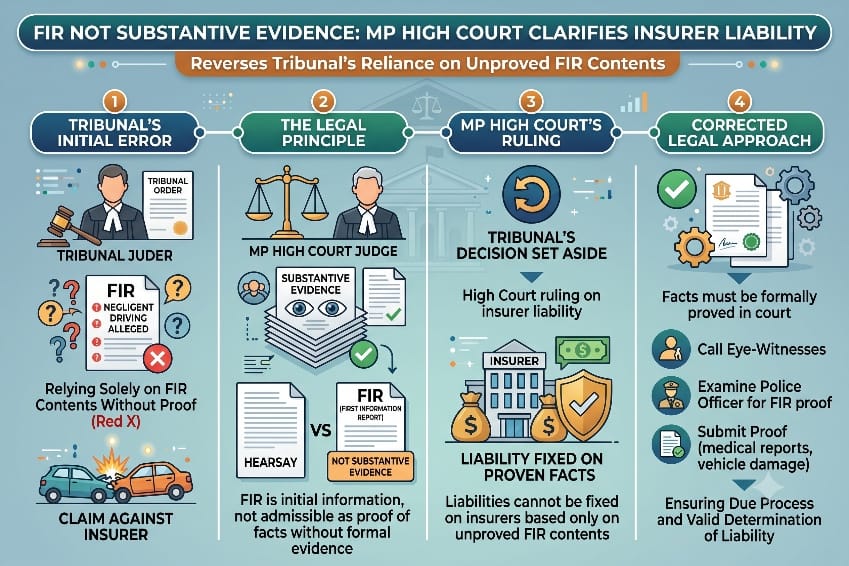
Anil Kumar Patel v. Smt. Munni Bai Barman and Others | High Court of Madhya Pradesh, Jabalpur | 1st September, 2026 A Motor Vehicle Act appeal under Section 173 1 against a Claims…
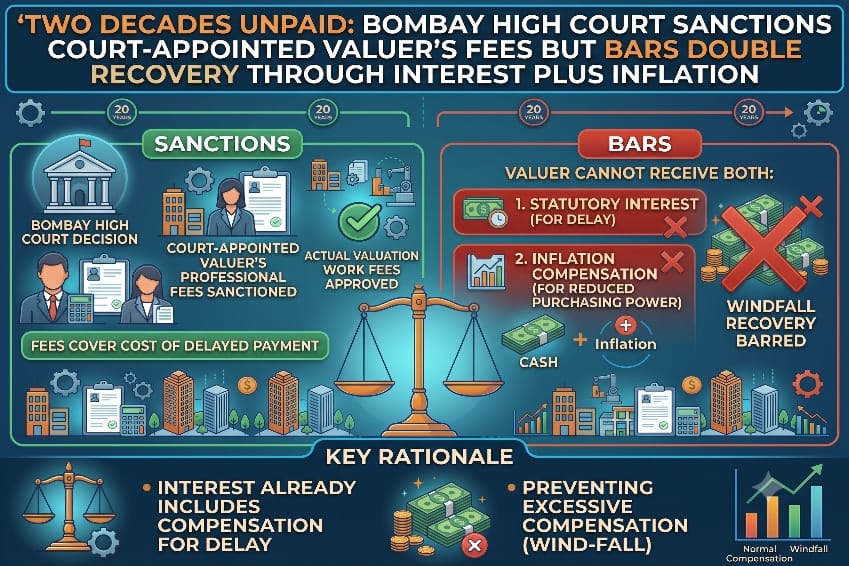
M/s. Kuber Mutual Benefits Ltd. & Ors. v. The State of Maharashtra & Ors. | High Court of Judicature at Bombay Appellate Side | 3rd September, 2026 A Court Receiver's Report…
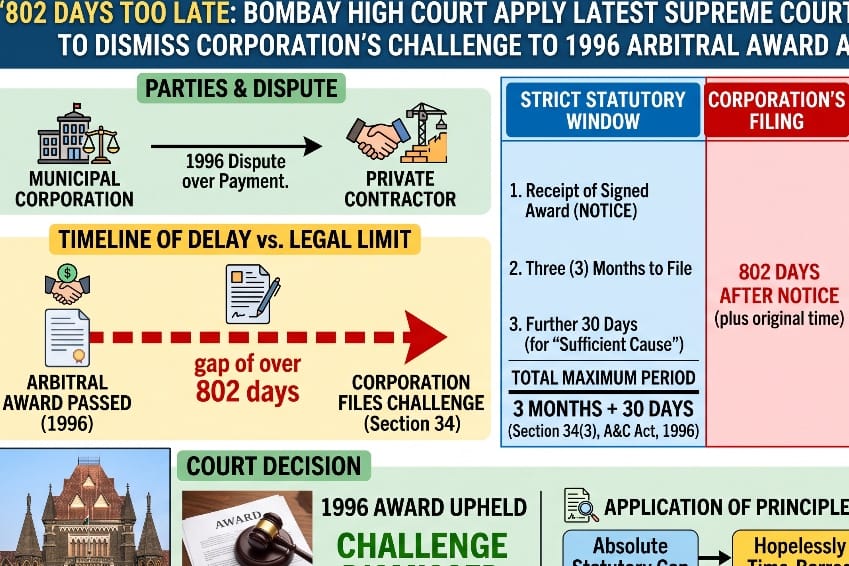
The Municipal Corporation of Greater Bombay v. M/s. Atul Raj Builders Pvt. Ltd. | High Court of Judicature at Bombay Ordinary Original Civil Jurisdiction | 3rd September, 2026 A…
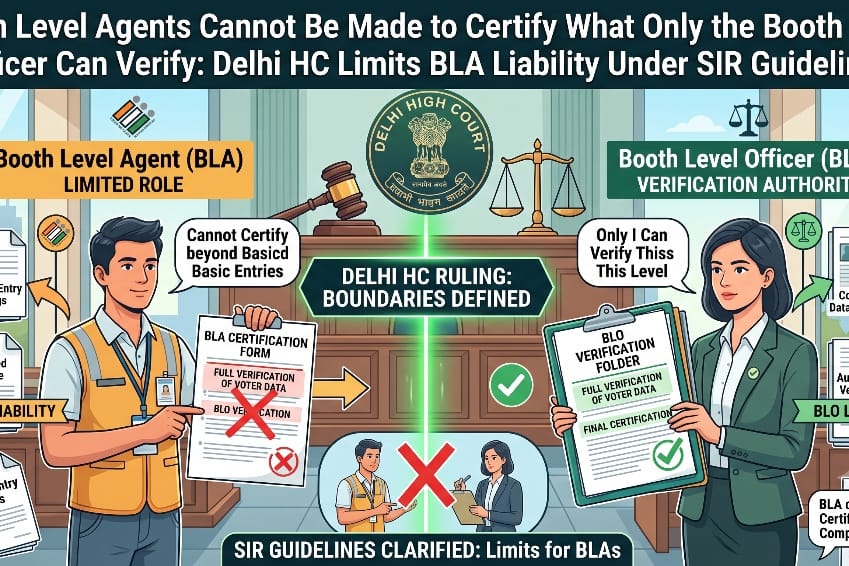
Devender Yadav & Anr. v. Election Commission of India & Anr. | High Court of Delhi Single Judge | Decided on: 03.09.2026 In a challenge to the Election Commission of India's…
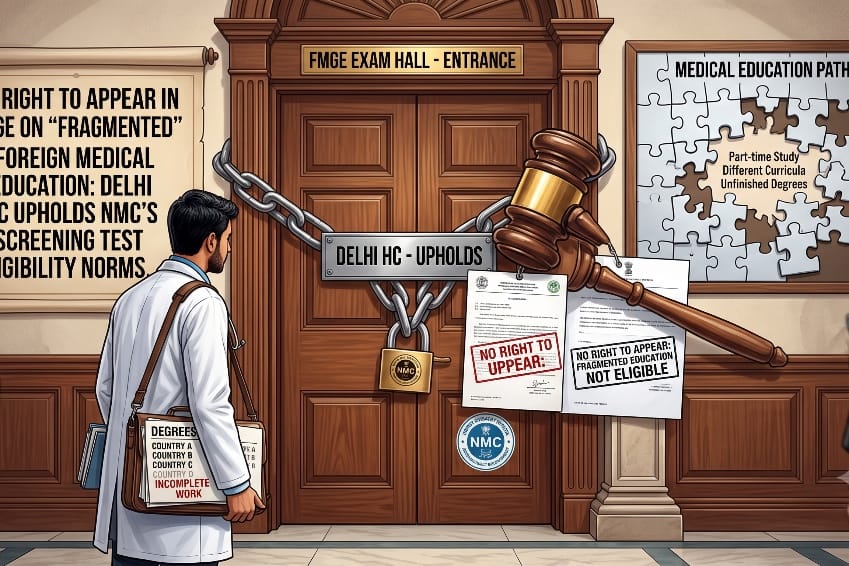
Brij Sharadbhai Bhatt & Ors. v. National Medical Commission & Ors. | High Court of Delhi Division Bench | Decided on: 03.09.2026 The Delhi High Court dismissed a challenge by…