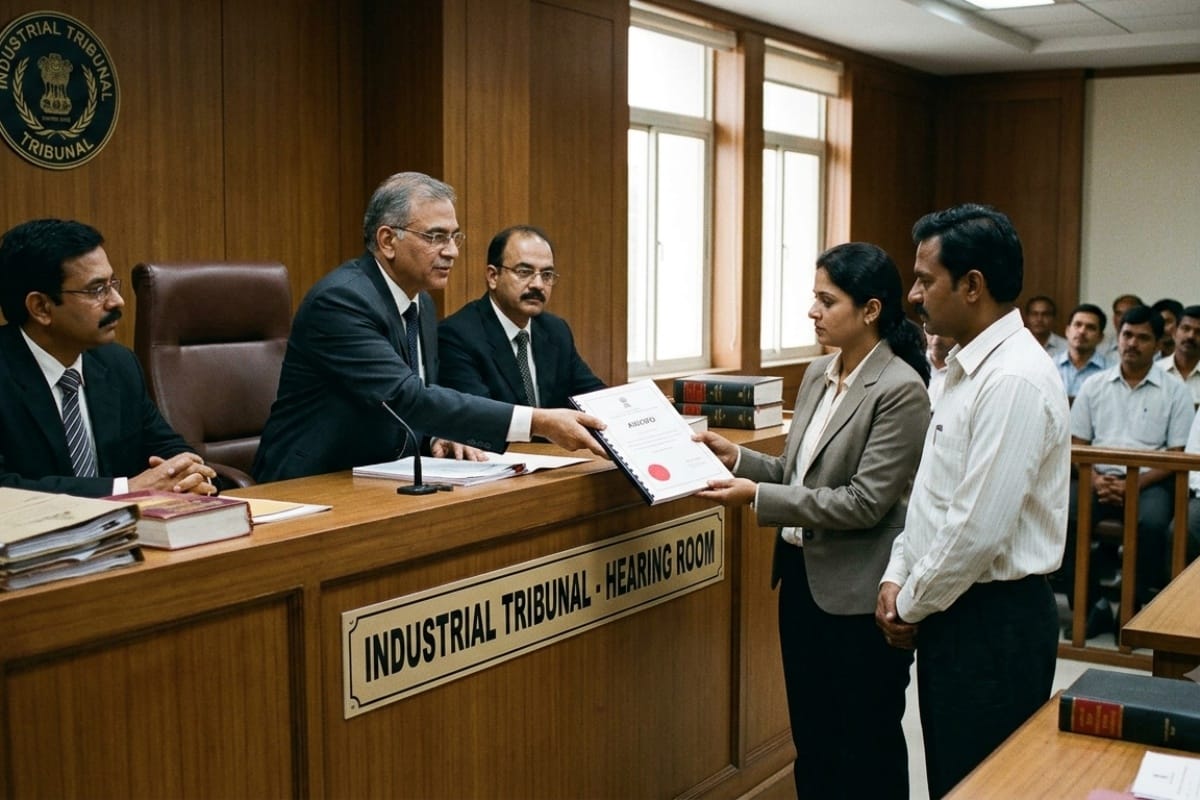
Deciding two connected writ petitions arising from a common Industrial Tribunal Award, the Delhi High Court set aside the Tribunal's direction granting hotel workmen a further…
Labour Laws
06/09/20264 min read
Update / Judgement Date
27 Oct 2025
Source
WCP News Bulletin
Author
Sakshi Bhardwaj — WCP Legal Desk
Reading Time
3 min read
The Delhi High Court quashed criminal proceedings against a senior bank officer accused in a CBI case concerning a ₹163 crore loan fraud. The Court held that when departmental and Central Vigilance Commission (CVC) inquiries have exonerated an officer on identical allegations, criminal prosecution cannot continue. The petitioner’s limited supervisory role and absence of mens rea made his prosecution unsustainable.
• The CBI registered FIR RC No. BDI/2012/E/0003 against M/s Century Communication Ltd. (CCL) and certain bank officials for defrauding a consortium of ten banks by submitting forged invoices and diverting funds, causing a loss of ₹163.19 crores.
• The petitioner, Gurbachan Singh Matta, was then General Manager, Indian Overseas Bank (IOB) and was accused of failing to properly verify assets during an inspection of CCL’s Mumbai unit.
• The inspection took place on 20.01.2005, months after the alleged conspiracy (which ended on 16.08.2004). His report was based on a prior inspection report dated 19.01.2005 by Senior Manager S. Raghavan.
• Departmental and CVC inquiries (2015–2017) completely exonerated the petitioner, holding that he had performed his duties diligently and had no role in the sanctioning or disbursal of loans.
• The petitioner sought quashing of proceedings, contending that there was no criminal intent or active participation in the alleged fraud.
• The Court noted that the petitioner’s inspection was conducted after the alleged conspiracy ended and only in a supervisory capacity, without involvement in verification of invoices.
• The allegations, even if accepted, constituted at most an administrative lapse, not criminal misconduct.
• Once the CVC and departmental authorities—with a lower standard of proof—found the officer innocent on identical facts, continuation of criminal prosecution was abuse of process.
• The Court relied on precedents including Radhey Shyam Kejriwal v. State of W.B., (2011) 3 SCC 581 and Ashoo Surendranath Tewari v. DSP, (2020) 9 SCC 636, affirming that exoneration in departmental proceedings can justify quashing of criminal cases arising from the same facts.
• No evidence established mens rea or collusion with the accused company.
• Sections 120-B & 420, Indian Penal Code, 1860 – Criminal conspiracy and cheating.
• Sections 13(1)(d) & 13(2), Prevention of Corruption Act, 1988 – Criminal misconduct by public servant.
• Article 226 & 227, Constitution of India – Writ and supervisory jurisdiction of the High Court.
• Radhey Shyam Kejriwal v. State of W.B., (2011) 3 SCC 581.
• Ashoo Surendranath Tewari v. DSP, (2020) 9 SCC 636.
The High Court quashed all criminal proceedings against the petitioner, holding that his limited post-conspiracy inspection role, lack of intent, and complete departmental exoneration rendered prosecution unjustified.'
Citation: 2025:DEL:XXXXXX
Case: Gurbachan Singh Matta v. Central Bureau of Investigation (CBI)
Court: High Court of Delhi at New Delhi
Coram: Hon’ble Ms. Justice Neena Bansal Krishna
Case No.: CRL.M.C. 4964/2017 & CRL.REV.P. 366/2017
Deciding two connected writ petitions arising from a common Industrial Tribunal Award, the Delhi High Court set aside the Tribunal's direction granting hotel workmen a further…
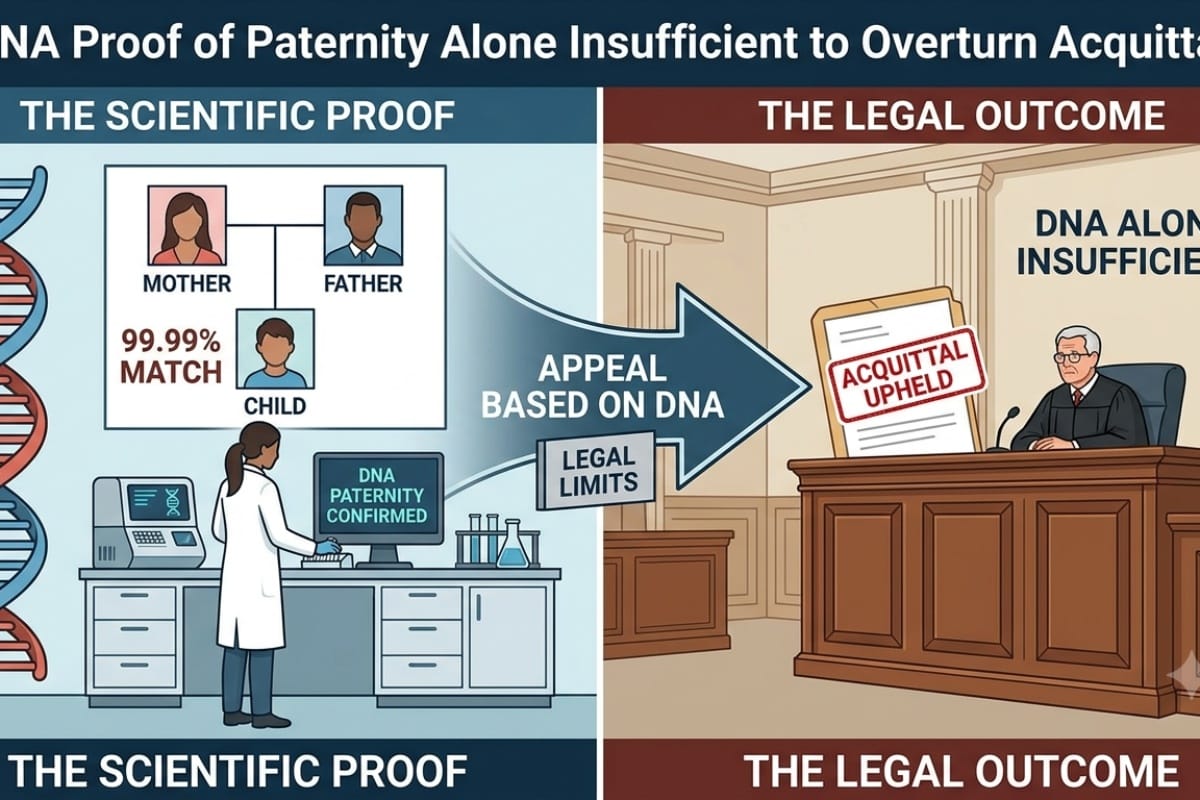
Headnote The Delhi High Court dismissed a prosecutrix's appeal against acquittal of the accused on charges under Sections 328/376 2 n /377/506/509 IPC, despite DNA evidence…
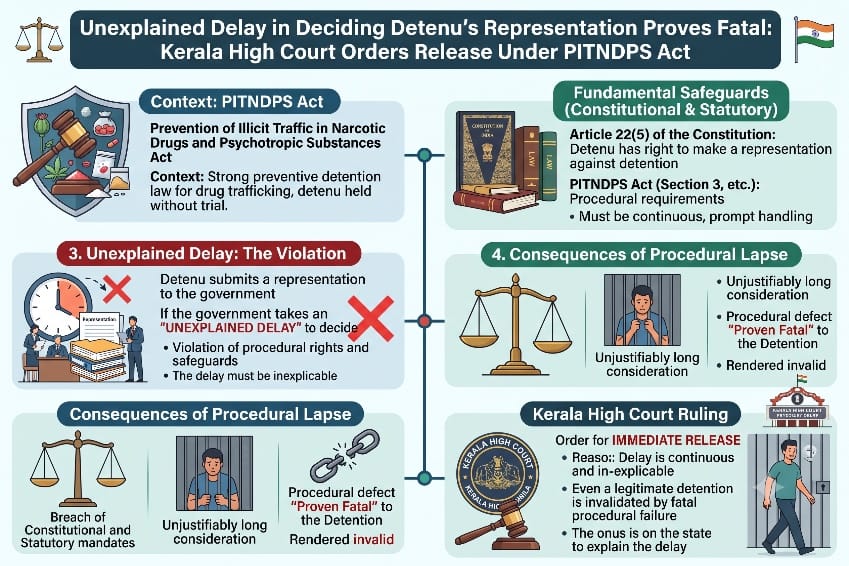
Fathimath Thasneem V.K. v. Union of India and Others | High Court of Kerala at Ernakulam | 3rd September, 2026 A habeas corpus writ petition by the wife of a detenu challenging…
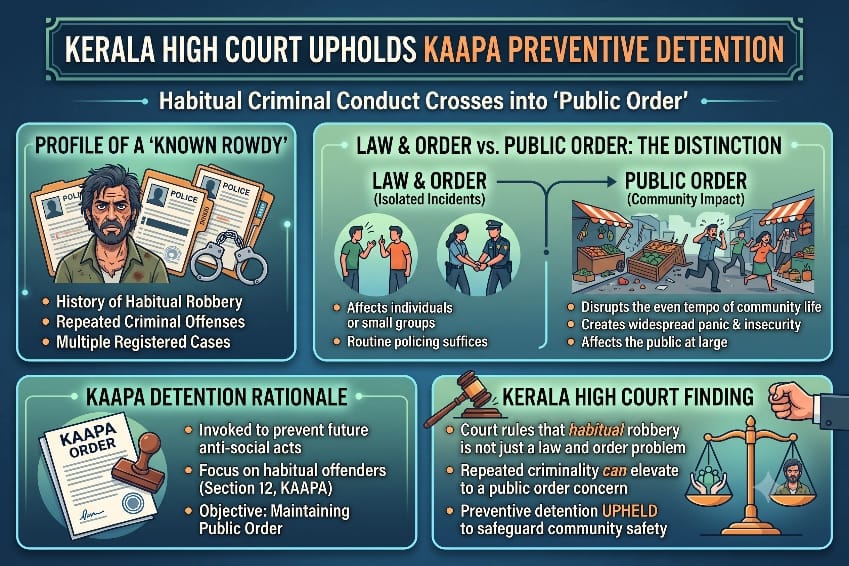
Thasmitha Abukutty v. State of Kerala and Others | High Court of Kerala at Ernakulam | 2nd September, 2026 A writ petition by the wife of a preventive detenu challenging a…
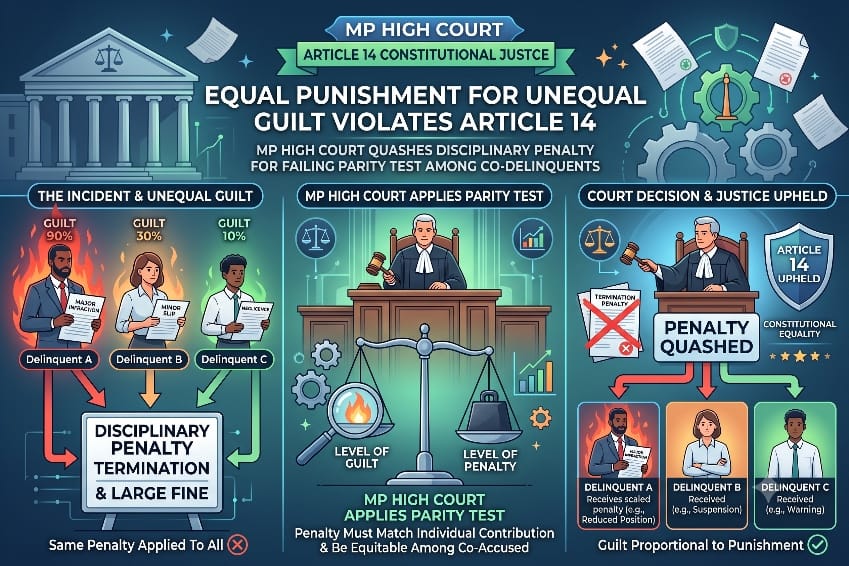
Brahm Kishore Dixit v. The State of Madhya Pradesh and Others | High Court of Madhya Pradesh, Gwalior | 1st September, 2026 A writ petition under Article 226 by a police Assistant…
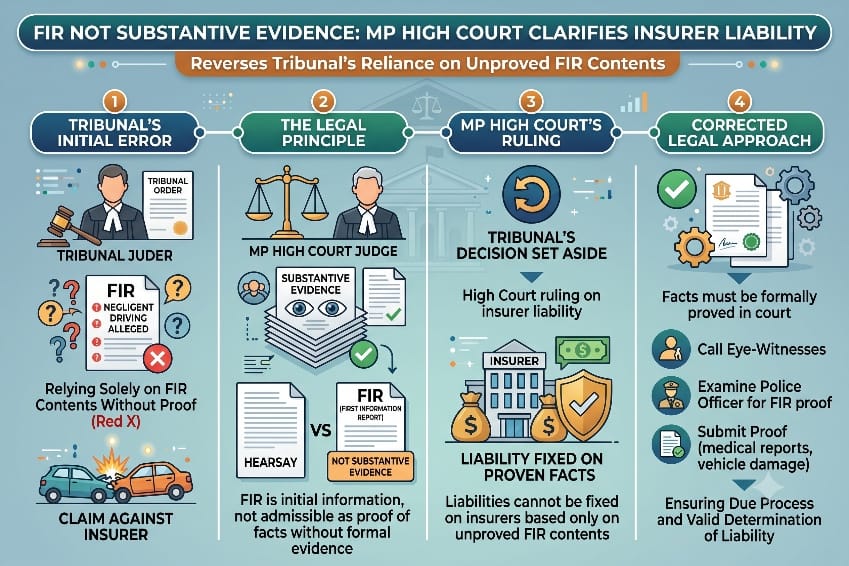
Anil Kumar Patel v. Smt. Munni Bai Barman and Others | High Court of Madhya Pradesh, Jabalpur | 1st September, 2026 A Motor Vehicle Act appeal under Section 173 1 against a Claims…
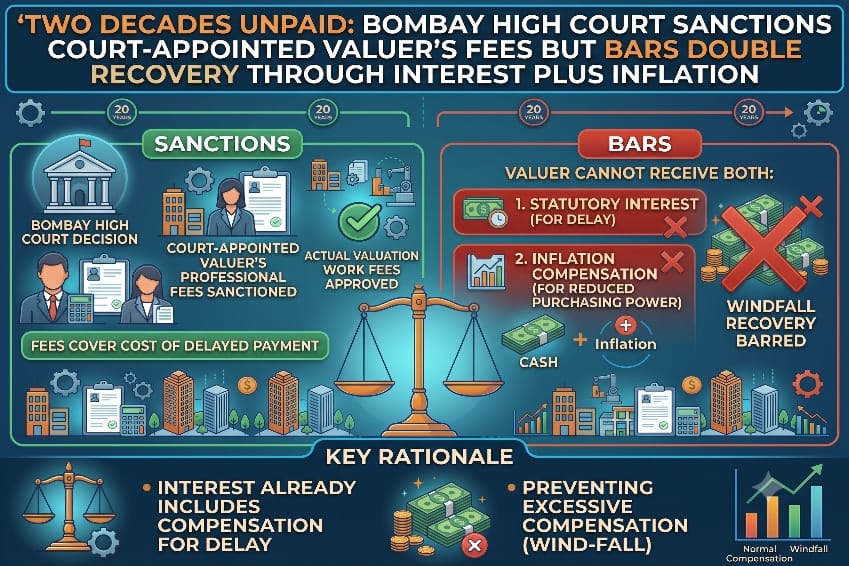
M/s. Kuber Mutual Benefits Ltd. & Ors. v. The State of Maharashtra & Ors. | High Court of Judicature at Bombay Appellate Side | 3rd September, 2026 A Court Receiver's Report…
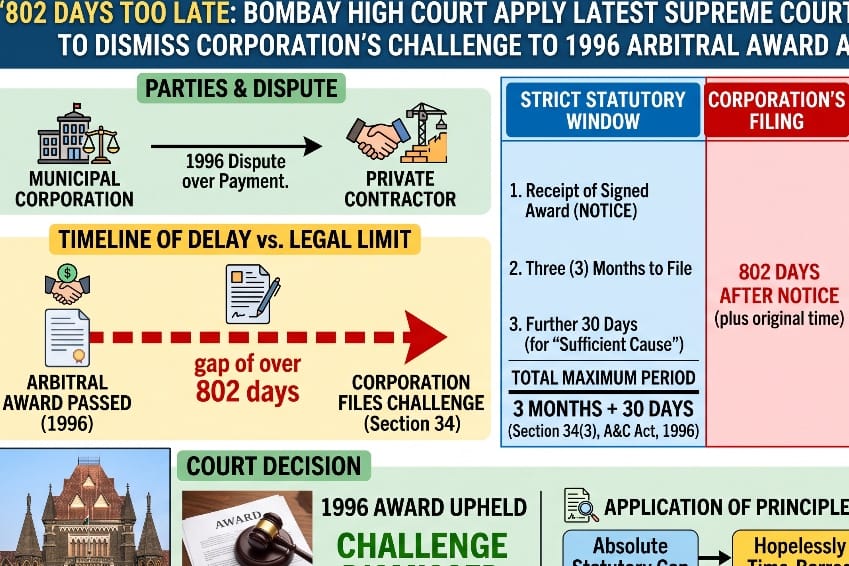
The Municipal Corporation of Greater Bombay v. M/s. Atul Raj Builders Pvt. Ltd. | High Court of Judicature at Bombay Ordinary Original Civil Jurisdiction | 3rd September, 2026 A…
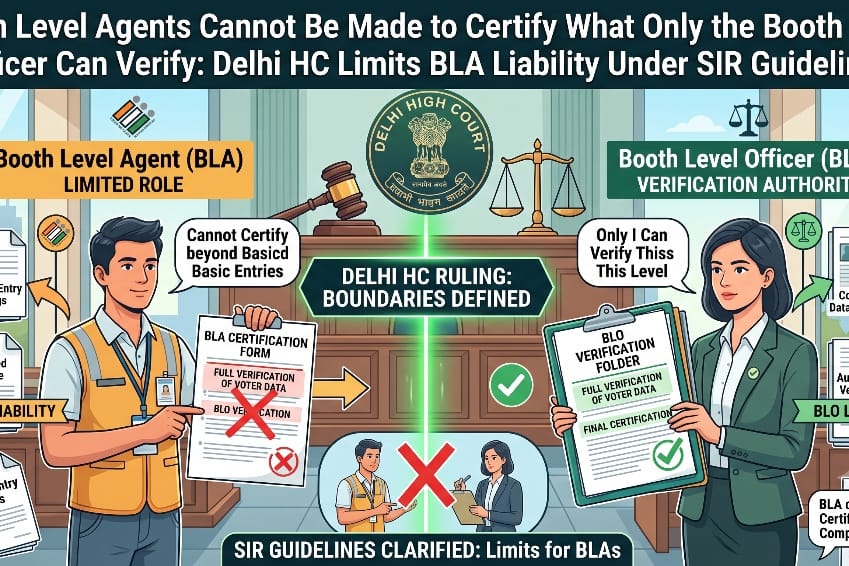
Devender Yadav & Anr. v. Election Commission of India & Anr. | High Court of Delhi Single Judge | Decided on: 03.09.2026 In a challenge to the Election Commission of India's…
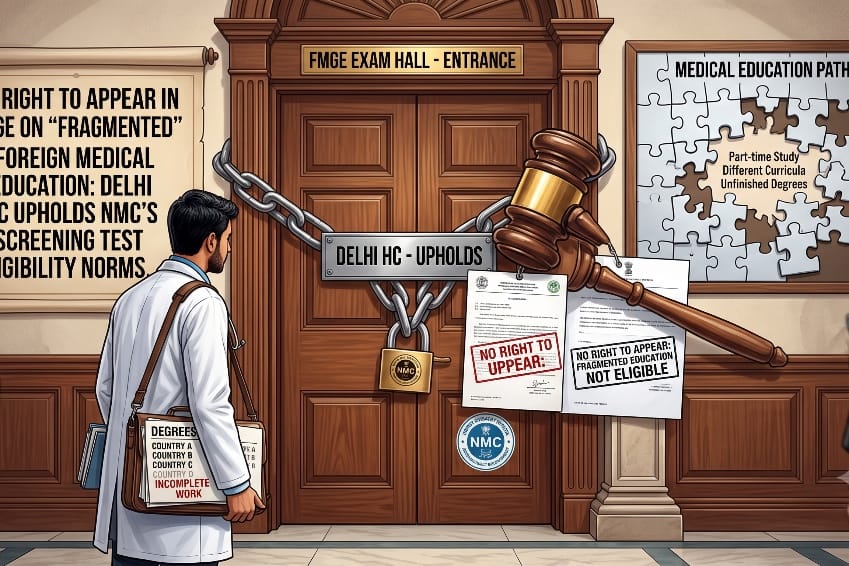
Brij Sharadbhai Bhatt & Ors. v. National Medical Commission & Ors. | High Court of Delhi Division Bench | Decided on: 03.09.2026 The Delhi High Court dismissed a challenge by…