Deciding two connected writ petitions arising from a common Industrial Tribunal Award, the Delhi High Court set aside the Tribunal's direction granting hotel workmen a further…
Labour Laws
06/09/20264 min read
Update / Judgement Date
20 Nov 2025
Source
WCP News Bulletin
Author
Sakshi Bhardwaj — WCP Legal Desk
Reading Time
3 min read
Headnote:
The Delhi High Court held that the Revisional Court rightly set aside the Magistrate’s direction under Section 156(3) CrPC for registration of an FIR because the dispute between the parties was predominantly civil in nature arising from a commercial Memorandum of Understanding (MoU). The Court observed that allegations regarding false representations, FAR permissions, apartment allotments, and delayed Government approvals did not constitute deception from the inception—an essential ingredient of cheating. The High Court found that the Magistrate passed the 156(3) order mechanically and without examining jurisdictional prerequisites. Since no prima facie cognizable criminal offence was disclosed, the High Court declined to restore the Magistrate’s order and upheld the Revisional Court’s decision.
Background:
• The petitioners entered into a Memorandum of Understanding (MoU) dated 16.08.2018 with Respondent No.2 (Angle Infrastructure Pvt. Ltd.) for investment in a proposed group housing project in Gurugram, based on representations regarding land ownership, FAR benefits under TOD policy, and future commercial development.
• Petitioners paid ₹8.38 crore, and in return, Respondent No.2 allotted nine apartments in Florence Estate, while its group company VRPL allotted two apartments in Monde De Provence as “security”.
• Petitioners alleged that these representations were false from inception—FAR permissions were not viable, apartments allotted from 2015 inventory were invalid or ineligible, and VRPL was insolvent.
• The petitioners filed an application under Section 156(3) CrPC, claiming cheating, forgery, conspiracy, and breach of trust. The Magistrate directed registration of FIR on 22.12.2020.
• The Respondent challenged this order. The Revisional Court (ASJ) set aside the 156(3) direction on 19.07.2021, holding that the dispute was civil and no criminal offence was made out.
• Petitioners approached the High Court under Section 482 CrPC, seeking restoration of the Magistrate’s order.
Court’s Observations:
• A mere breach of commercial understanding cannot amount to cheating unless fraudulent intention exists at inception; the petition failed to establish this requirement.
• The MoU clearly showed a detailed commercial transaction, complete with obligations on both sides, which pointed to a civil or contractual nature, not criminality.
• Delay in obtaining FAR or governmental permissions does not amount to criminal misrepresentation. Such delays are common and often beyond the control of private developers.
• The Magistrate’s order under Section 156(3) was mechanical, without examining essential questions:
– What offences are disclosed?
– Why is police investigation necessary?
– How is the Magistrate’s jurisdiction invoked?
• The Revisional Court correctly found that the police status report showed no criminality and that the petitioners themselves breached the MoU by issuing termination notices.
• The High Court emphasized that criminal law cannot be used as a pressure tactic in property or investment disputes.
• Since no cognizable offence was made out, the High Court refused to interfere with the Revisional Court’s order.
Legal Provisions Discussed:
• Section 156(3), Code of Criminal Procedure, 1973 – Magistrate’s power to order registration of FIR
• Section 482 CrPC – Inherent powers of High Court
• Sections 415, 420, 406, 468, 471 IPC – Cheating, breach of trust, forgery
• General principles on civil vs. criminal liability in commercial contracts
Case: Mohinder Kumar Jain & Ors. v. State of NCT of Delhi & Angle Infrastructure Pvt. Ltd.
Court: High Court of Delhi at New Delhi
Coram: Hon’ble Ms. Justice Neena Bansal Krishna
Date of Decision: 21 November 2025
Crl.M.C. No.: 2953 of 2021
Deciding two connected writ petitions arising from a common Industrial Tribunal Award, the Delhi High Court set aside the Tribunal's direction granting hotel workmen a further…
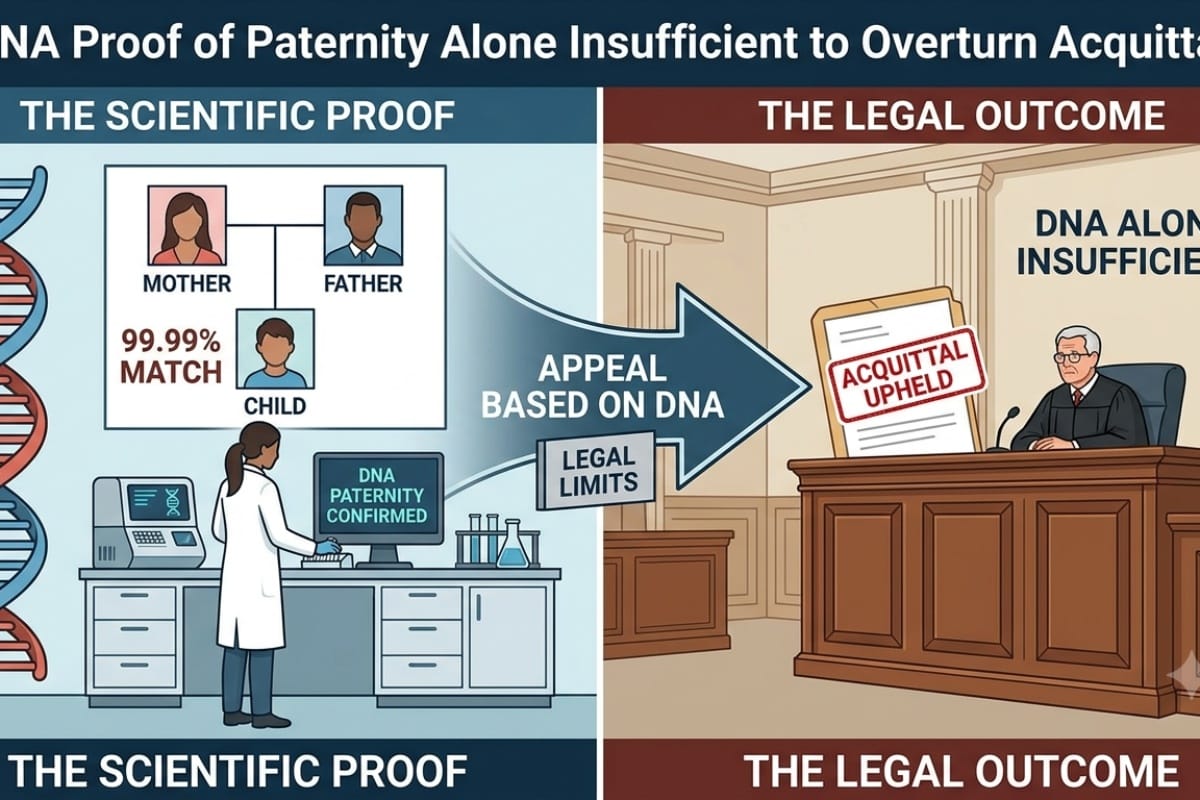
Headnote The Delhi High Court dismissed a prosecutrix's appeal against acquittal of the accused on charges under Sections 328/376 2 n /377/506/509 IPC, despite DNA evidence…
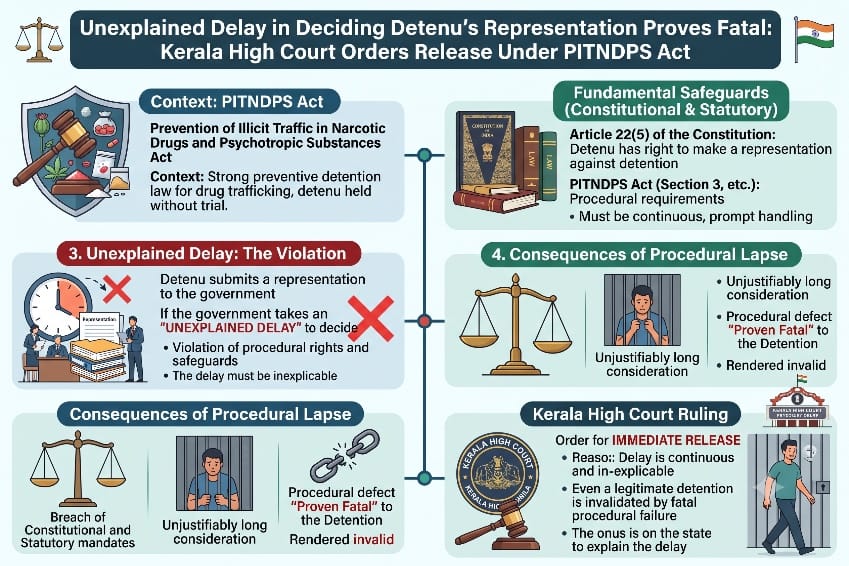
Fathimath Thasneem V.K. v. Union of India and Others | High Court of Kerala at Ernakulam | 3rd September, 2026 A habeas corpus writ petition by the wife of a detenu challenging…
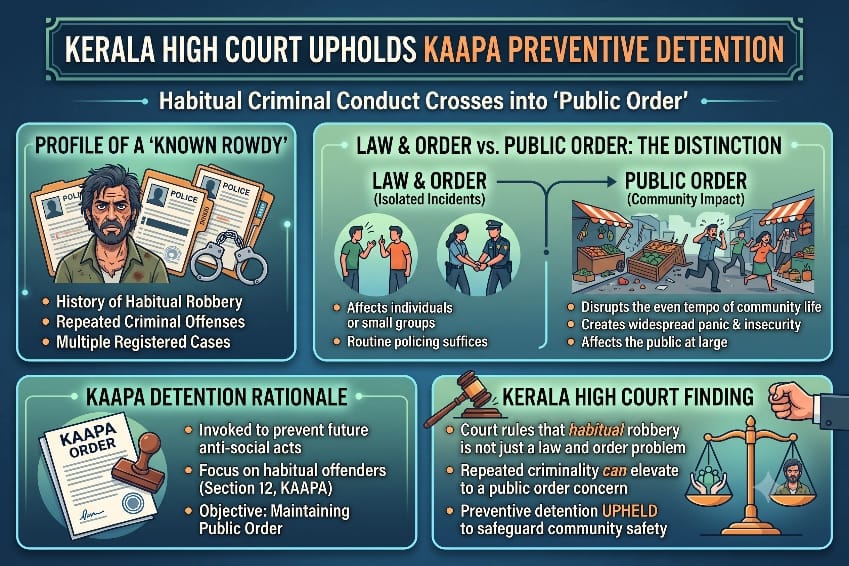
Thasmitha Abukutty v. State of Kerala and Others | High Court of Kerala at Ernakulam | 2nd September, 2026 A writ petition by the wife of a preventive detenu challenging a…
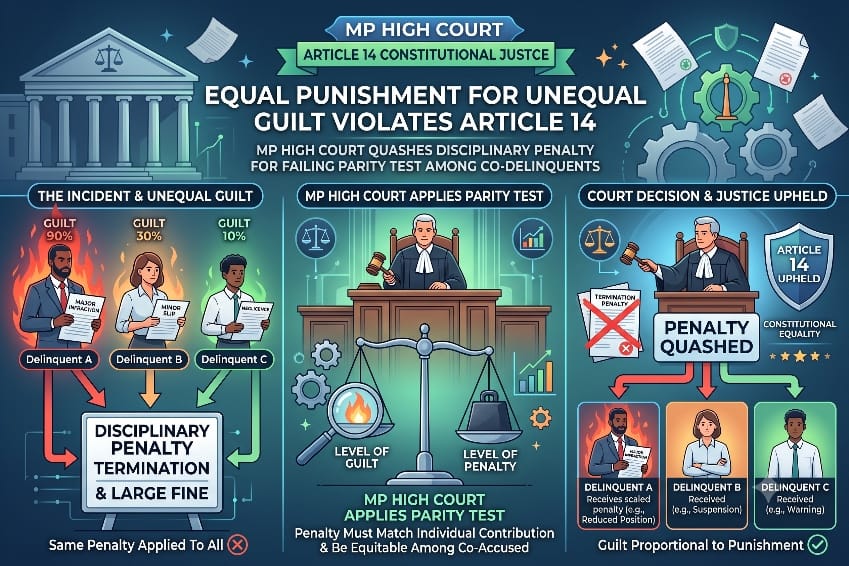
Brahm Kishore Dixit v. The State of Madhya Pradesh and Others | High Court of Madhya Pradesh, Gwalior | 1st September, 2026 A writ petition under Article 226 by a police Assistant…
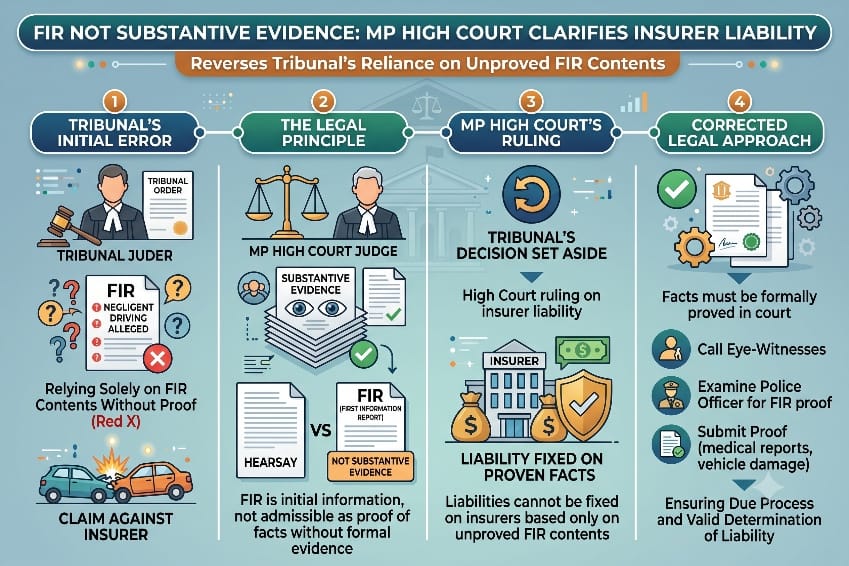
Anil Kumar Patel v. Smt. Munni Bai Barman and Others | High Court of Madhya Pradesh, Jabalpur | 1st September, 2026 A Motor Vehicle Act appeal under Section 173 1 against a Claims…
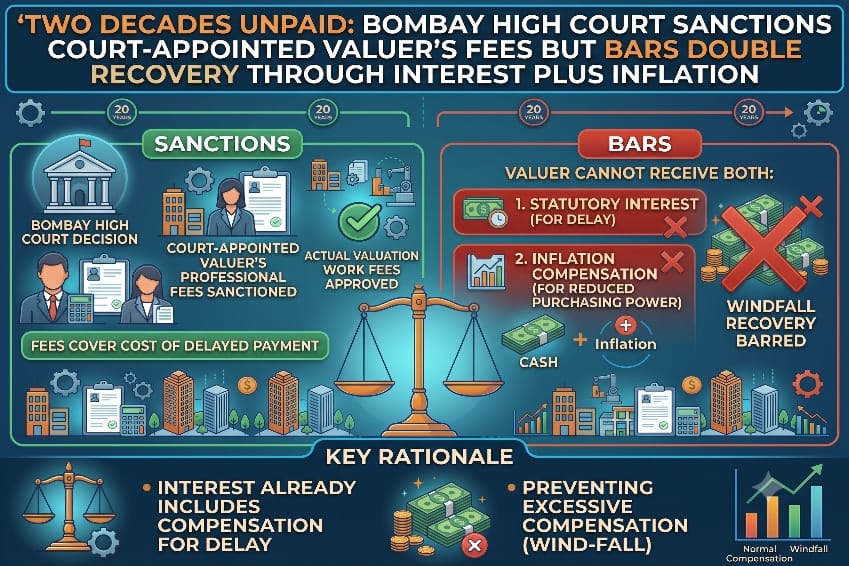
M/s. Kuber Mutual Benefits Ltd. & Ors. v. The State of Maharashtra & Ors. | High Court of Judicature at Bombay Appellate Side | 3rd September, 2026 A Court Receiver's Report…
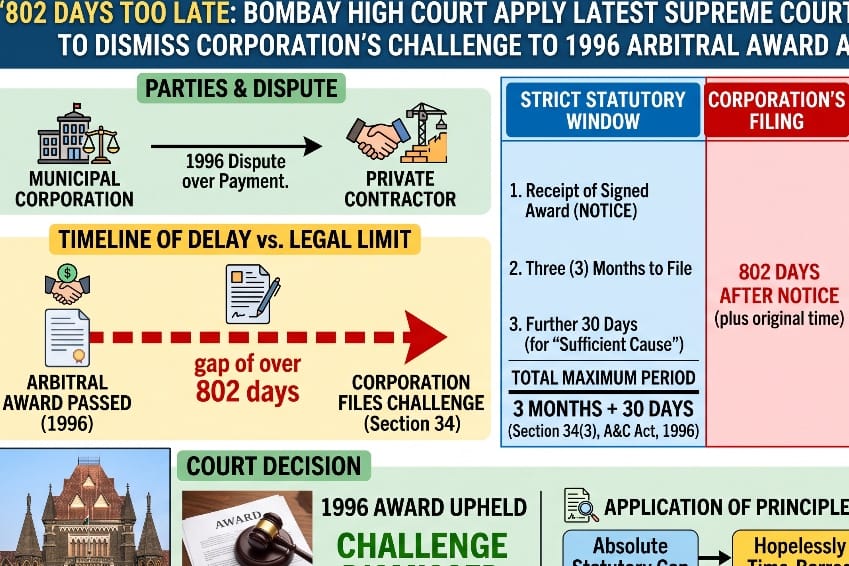
The Municipal Corporation of Greater Bombay v. M/s. Atul Raj Builders Pvt. Ltd. | High Court of Judicature at Bombay Ordinary Original Civil Jurisdiction | 3rd September, 2026 A…
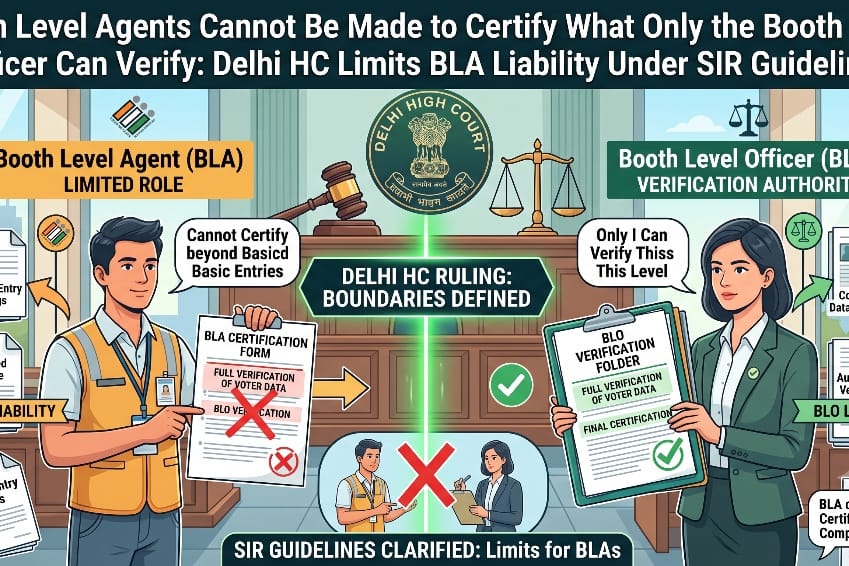
Devender Yadav & Anr. v. Election Commission of India & Anr. | High Court of Delhi Single Judge | Decided on: 03.09.2026 In a challenge to the Election Commission of India's…
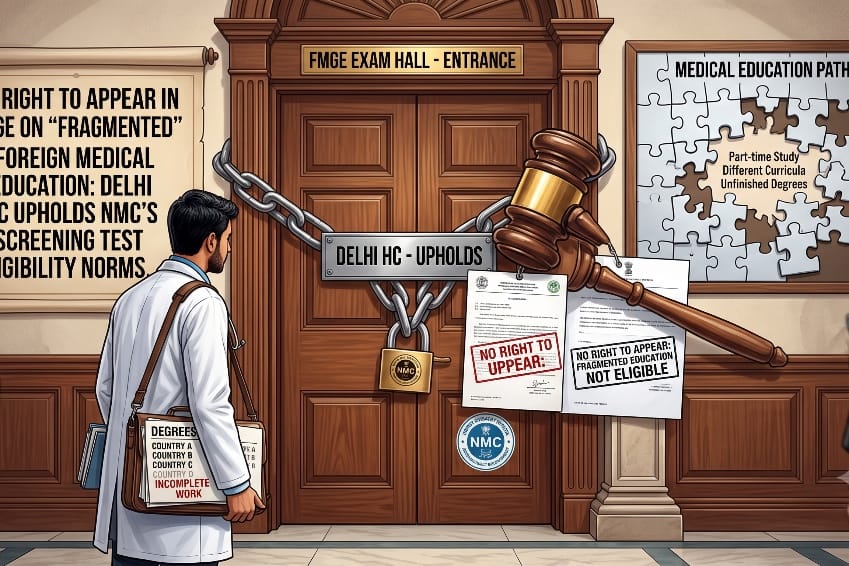
Brij Sharadbhai Bhatt & Ors. v. National Medical Commission & Ors. | High Court of Delhi Division Bench | Decided on: 03.09.2026 The Delhi High Court dismissed a challenge by…