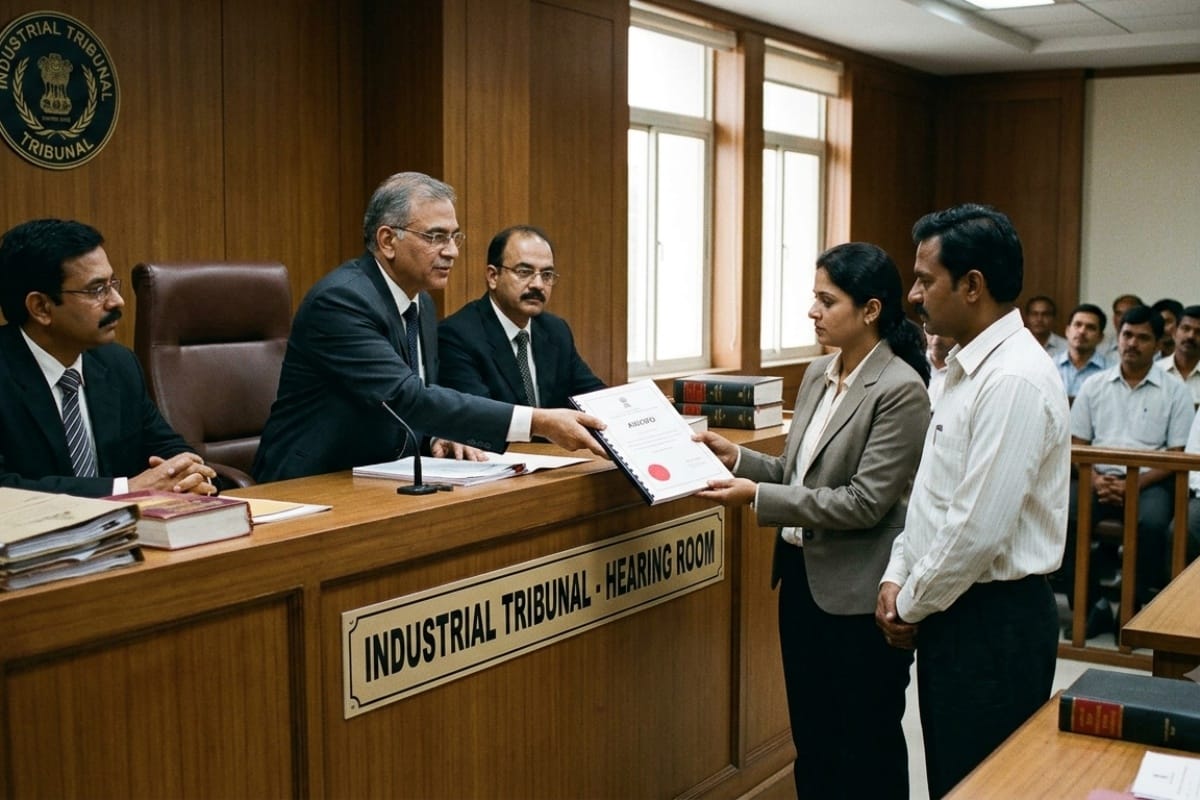
Deciding two connected writ petitions arising from a common Industrial Tribunal Award, the Delhi High Court set aside the Tribunal's direction granting hotel workmen a further…
Labour Laws
06/09/20264 min read
Update / Judgement Date
29 Oct 2025
Source
WCP News Bulletin
Author
Sakshi Bhardwaj — WCP Legal Desk
Reading Time
3 min read
Headnote:
The Delhi High Court dismissed an appeal challenging the denial of interim injunction in a suit for specific performance. The Court held that the Appellant failed to establish a prima facie case and the alleged cash payment of ₹70 lakhs lacked documentary proof. It reiterated that appellate interference in discretionary orders refusing injunctions is warranted only if the order is perverse or ignores settled legal principles. Finding no such infirmity, the Court upheld the Single Judge’s order.
Background:
• The Respondent was the owner of House No. B-16, Ganesh Nagar, Pandav Nagar Complex, Delhi.
• Two Agreements to Sell were executed between the parties — the first dated 10.08.2024 and the second dated 06.11.2024, extending the completion date to 15.11.2024.
• Under the first agreement, the Respondent agreed to sell the property for ₹2.6 crores, receiving ₹30 lakhs as earnest money. Later, ₹5 lakhs were paid via Demand Draft (03.11.2024) and ₹7.5 lakhs through bank transfer (11.11.2024).
• The Appellant also claimed to have paid an additional ₹70 lakhs in cash on 12.11.2024, which the Respondent denied.
• After exchange of notices, the Appellant filed a suit for specific performance or, alternatively, recovery of ₹2.25 crores and sought injunction restraining alienation of the property.
• The Single Judge dismissed the injunction application, leading to this appeal.
Court’s Observations:
• The Court noted interpolations and handwritten insertions in the Agreement to Sell regarding figures such as ₹70 lakhs, ₹3 lakhs, and ₹10 lakhs, raising doubts about their authenticity.
• No receipt or document was produced to substantiate the alleged cash payment of ₹70 lakhs. The claim that a broker held the receipt was unsubstantiated.
• The Appellant failed to appear before the Sub-Registrar on 15.11.2024, the stipulated date for performance, nor was proof of readiness and willingness produced.
• Under Section 52 of the Transfer of Property Act, 1882 (Doctrine of Lis Pendens), any transfer during litigation is subject to the outcome of the case, so the mere apprehension of alienation does not cause irreparable injury.
• The appellate court’s scope under Order XXXIX Rules 1 and 2 CPC is limited; it cannot interfere with the trial court’s discretionary order unless perverse or contrary to law.
• Relying on Wander Ltd. v. Antox India (P) Ltd., 1990 Supp SCC 727, the Court held that the Single Judge exercised discretion judiciously based on material on record.
Legal Provisions Discussed:
• Section 52, Transfer of Property Act, 1882 – Doctrine of Lis Pendens; transfer of property during litigation remains subject to the court’s final decision.
• Order XXXIX Rules 1 & 2, Code of Civil Procedure, 1908 – Governs grant and refusal of temporary injunctions.
• Specific Relief Act, 1963 – Pertaining to suits for specific performance of contracts.
• Wander Ltd. v. Antox India (P) Ltd., (1990) Supp SCC 727 – Appellate interference in interim injunctions limited to cases of manifest error or perversity.
Citation: 2025:DHC:XXXXX
Case: Sukhwinder Singh v. Kumar Manav Sharma
Court: High Court of Delhi at New Delhi
First Appeal from Order (Original Side) No.: FAO (OS) 122/2025
Deciding two connected writ petitions arising from a common Industrial Tribunal Award, the Delhi High Court set aside the Tribunal's direction granting hotel workmen a further…

Headnote The Delhi High Court dismissed a prosecutrix's appeal against acquittal of the accused on charges under Sections 328/376 2 n /377/506/509 IPC, despite DNA evidence…
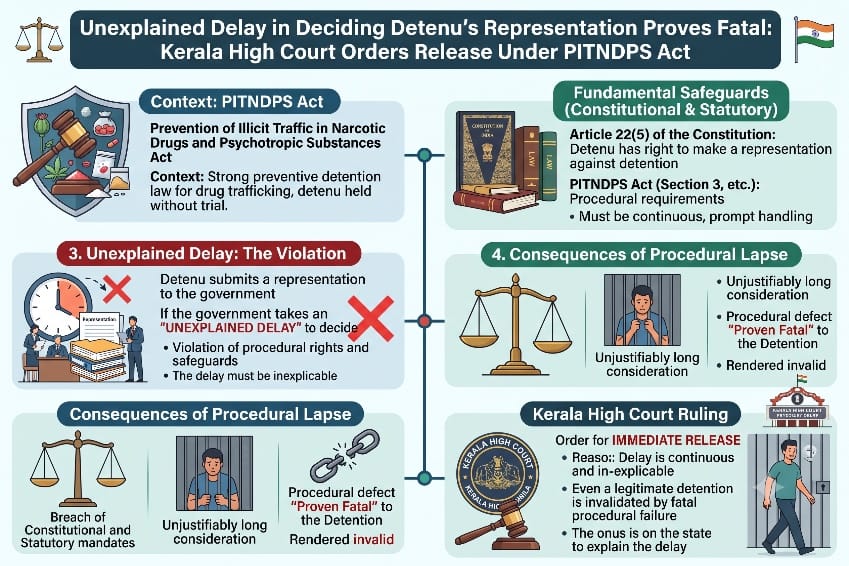
Fathimath Thasneem V.K. v. Union of India and Others | High Court of Kerala at Ernakulam | 3rd September, 2026 A habeas corpus writ petition by the wife of a detenu challenging…
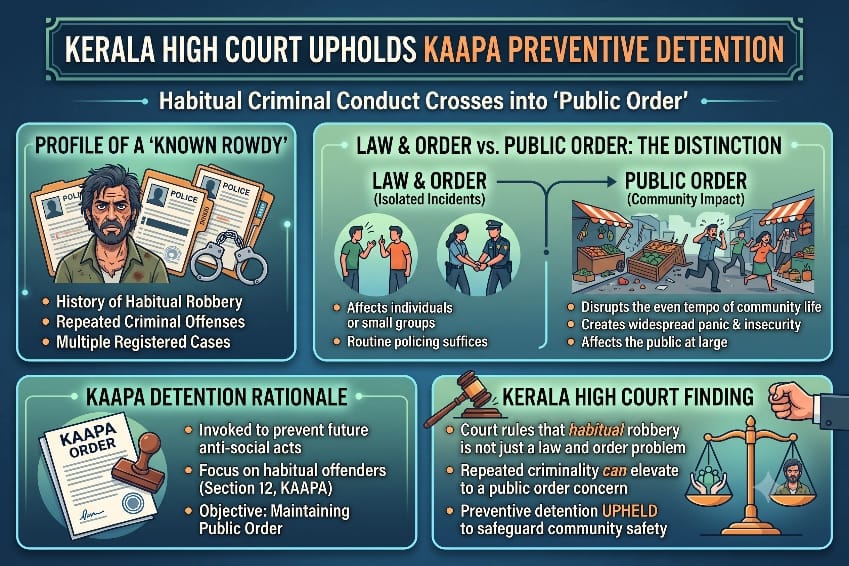
Thasmitha Abukutty v. State of Kerala and Others | High Court of Kerala at Ernakulam | 2nd September, 2026 A writ petition by the wife of a preventive detenu challenging a…
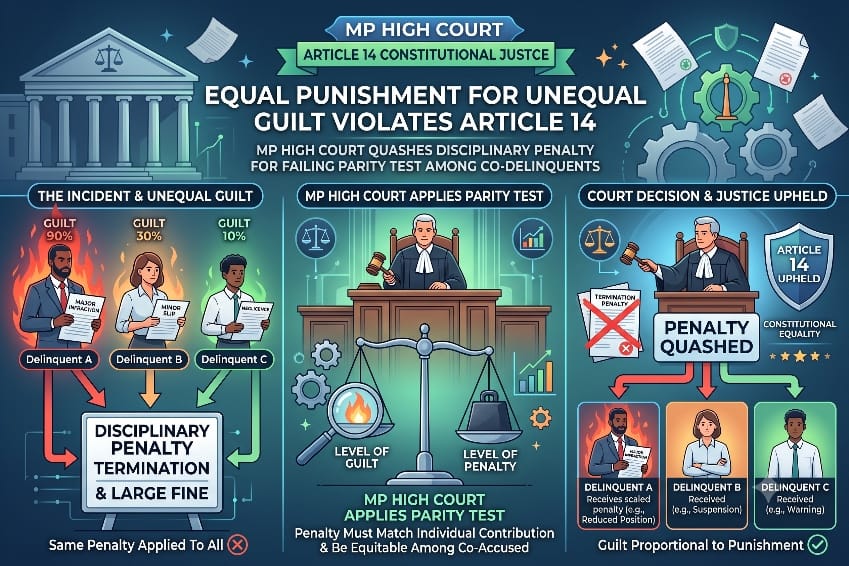
Brahm Kishore Dixit v. The State of Madhya Pradesh and Others | High Court of Madhya Pradesh, Gwalior | 1st September, 2026 A writ petition under Article 226 by a police Assistant…
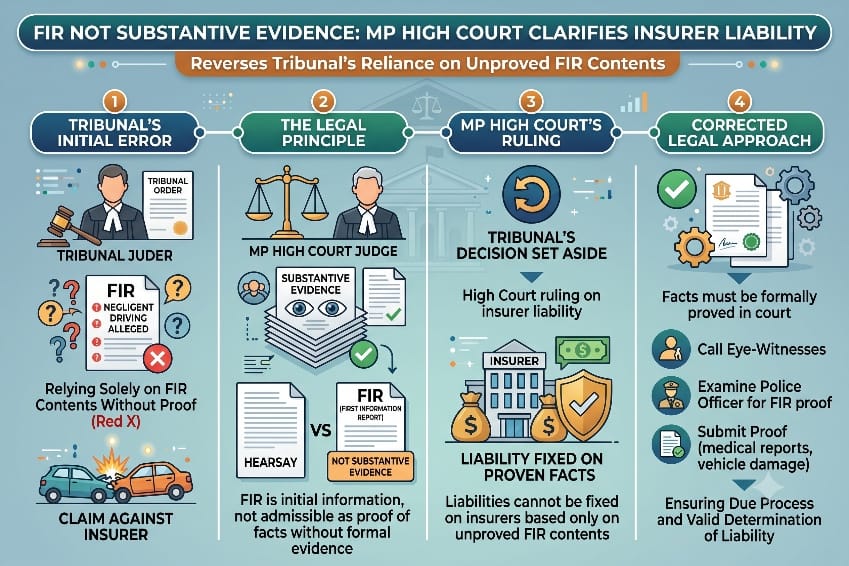
Anil Kumar Patel v. Smt. Munni Bai Barman and Others | High Court of Madhya Pradesh, Jabalpur | 1st September, 2026 A Motor Vehicle Act appeal under Section 173 1 against a Claims…
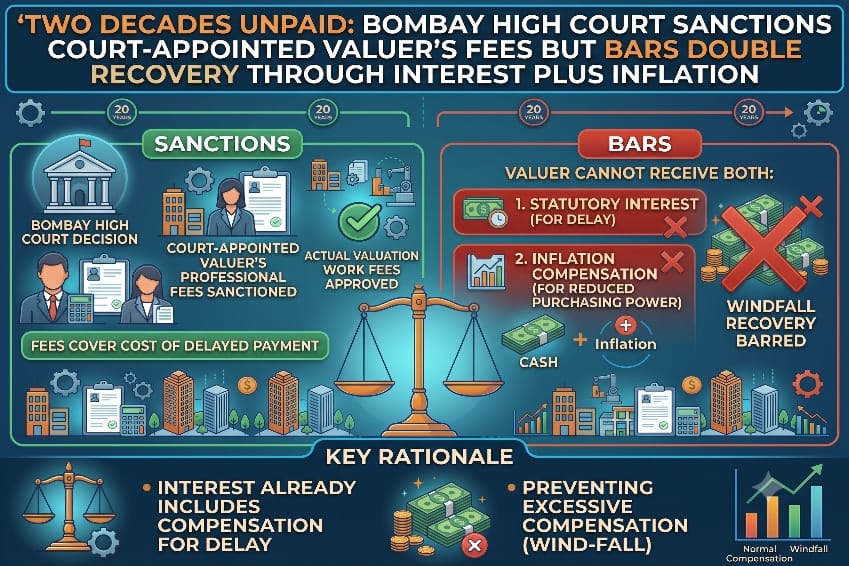
M/s. Kuber Mutual Benefits Ltd. & Ors. v. The State of Maharashtra & Ors. | High Court of Judicature at Bombay Appellate Side | 3rd September, 2026 A Court Receiver's Report…
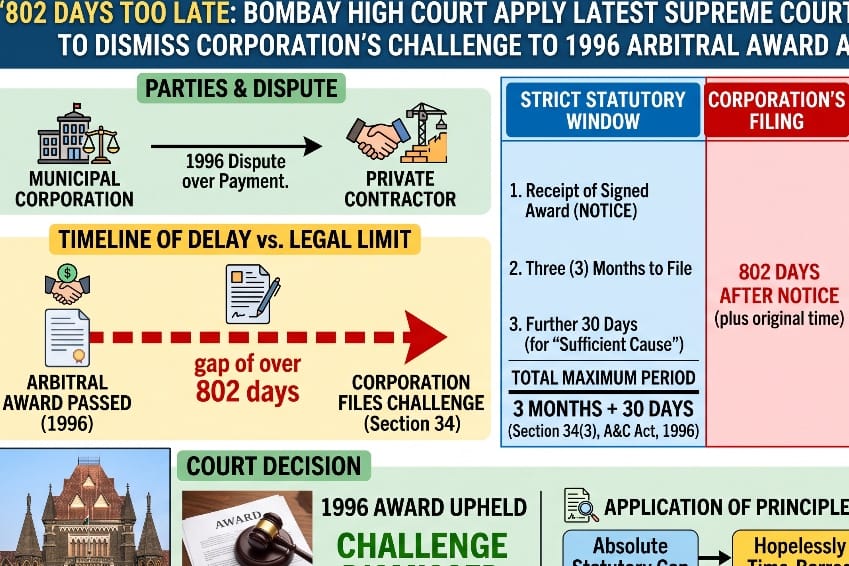
The Municipal Corporation of Greater Bombay v. M/s. Atul Raj Builders Pvt. Ltd. | High Court of Judicature at Bombay Ordinary Original Civil Jurisdiction | 3rd September, 2026 A…
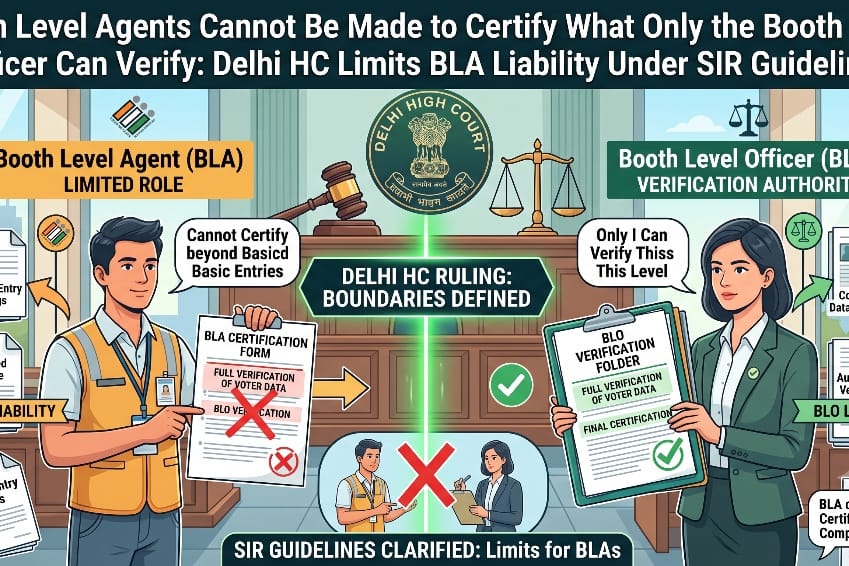
Devender Yadav & Anr. v. Election Commission of India & Anr. | High Court of Delhi Single Judge | Decided on: 03.09.2026 In a challenge to the Election Commission of India's…
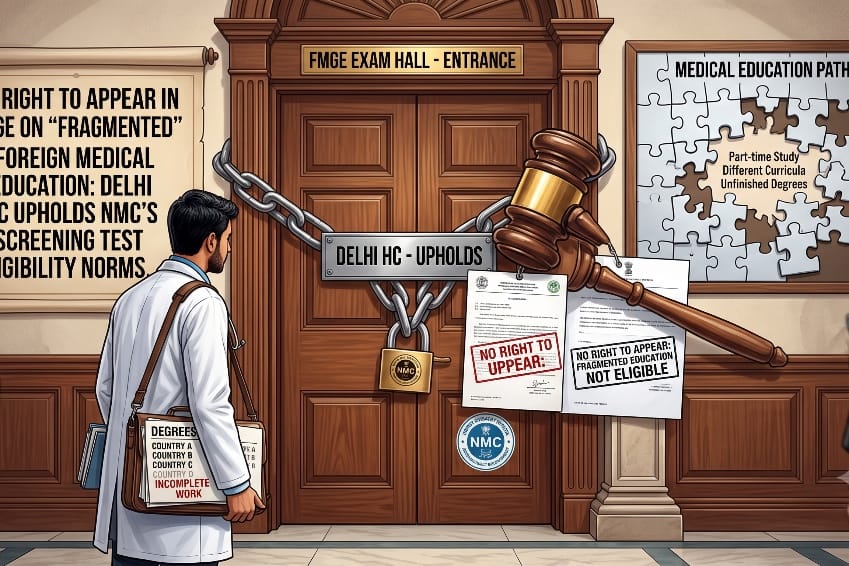
Brij Sharadbhai Bhatt & Ors. v. National Medical Commission & Ors. | High Court of Delhi Division Bench | Decided on: 03.09.2026 The Delhi High Court dismissed a challenge by…