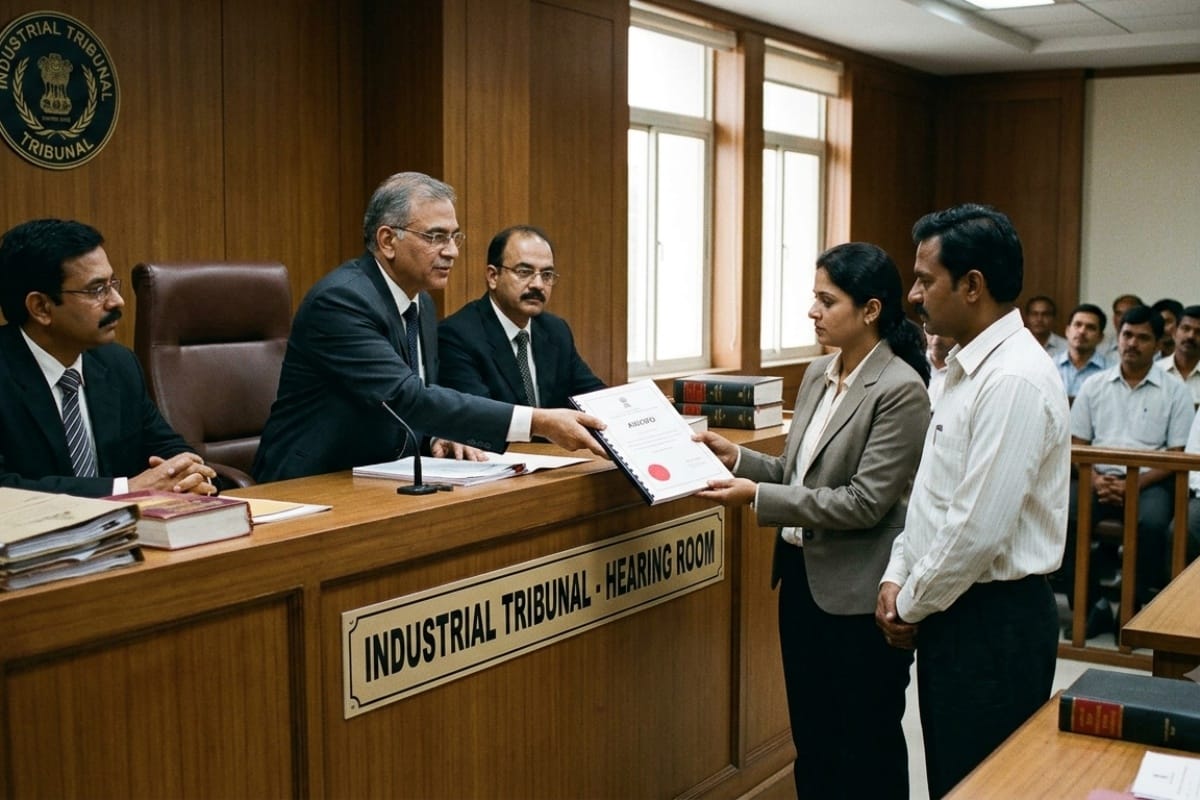
Deciding two connected writ petitions arising from a common Industrial Tribunal Award, the Delhi High Court set aside the Tribunal's direction granting hotel workmen a further…
Labour Laws
06/09/20264 min read
Update / Judgement Date
14 Oct 2025
Source
WCP News Bulletin
Author
Sakshi Bhardwaj — WCP Legal Desk
Reading Time
4 min read
The Delhi High Court disposed of a writ petition seeking removal of an iron gate installed at A-1 Street, Poorvi Marg, Vasant Vihar, New Delhi, alleged to be illegal and obstructive. The Municipal Corporation of Delhi (MCD) clarified that the gate was installed as per its Circular dated 25 June 2007, regulating the installation of colony gates, and had been duly regularized. The Court directed the Resident Welfare Association (RWA) to ensure compliance with the MCD guidelines—keeping the gate open during the day, closing it only between 11:00 PM and 5:00 AM, and manning it at night. Police were authorized to break open the gate if found locked and unmanned during emergencies.
• The petitioner, Dr. Sanjeev Bagai, a resident and medical practitioner in Vasant Vihar, approached the High Court under Article 226 of the Constitution of India, seeking removal of an iron gate installed near his residence and St. Dominic’s Church, Poorvi Marg, Block A, Vasant Vihar.
• He contended that the gate obstructed public movement and access during emergencies, especially as he often had to attend to patients at odd hours.
• The MCD filed a Status Report dated 15 September 2025 stating that the gate had been installed in compliance with its Circular dated 25 June 2007, which allows installation of colony gates for security purposes with prior permission and subject to specific conditions.
• The MCD confirmed that the gate was installed with due authorization and had been regularized. The RWA had assured the authorities that the gate would be operated as per the prescribed guidelines.
• According to the RWA’s undertaking, the gate would remain open during the day and closed only at night between 11:00 PM and 5:00 AM, with a security guard present during closure hours.
• The Court noted from the MCD’s report and accompanying photographs that the installation of the gate had been regularized and the RWA had undertaken to follow the MCD’s circular in letter and spirit.
• The Court recognized the petitioner’s concern regarding his professional obligations as a doctor requiring late-night mobility and emphasized that security measures must not impede emergency access.
• It directed the RWA to ensure strict compliance with its undertaking — the gate must remain open during daytime, closed only between 11:00 PM and 5:00 AM, and properly manned by a guard throughout the night.
• The Court further directed that, in case of an emergency where the petitioner finds the gate locked, he may immediately contact the Police Station, Vasant Vihar, on the provided numbers.
• If the police find the gate locked and unmanned, they shall be at liberty to break open the lock to ensure access.
• The petitioner was also granted liberty to challenge the installation separately if found to be in violation of MCD’s gate policy.
The Court disposed of the petition with directions ensuring regulated use of the colony gate in accordance with MCD policy and the petitioner’s right to emergency access. It reaffirmed the balance between residents’ security and unhindered movement, emphasizing accountability of RWAs in operating such gates responsibly.
• Article 226, Constitution of India – Power of High Courts to issue writs for enforcement of legal and fundamental rights.
• MCD Circular dated 25 June 2007 – Guidelines regulating installation of colony gates in residential areas of Delhi.
Citation: 2025:DHC:75312
Case: Dr. Sanjeev Bagai v. Municipal Corporation of Delhi & Anr.
Court: High Court of Delhi at New Delhi
Coram: Hon’ble Ms. Justice Mini Pushkarna
Writ Petition (C): 13241 of 2025, CM Appl. 54268/2025 & CM Appl. 54269/2025
Deciding two connected writ petitions arising from a common Industrial Tribunal Award, the Delhi High Court set aside the Tribunal's direction granting hotel workmen a further…

Headnote The Delhi High Court dismissed a prosecutrix's appeal against acquittal of the accused on charges under Sections 328/376 2 n /377/506/509 IPC, despite DNA evidence…
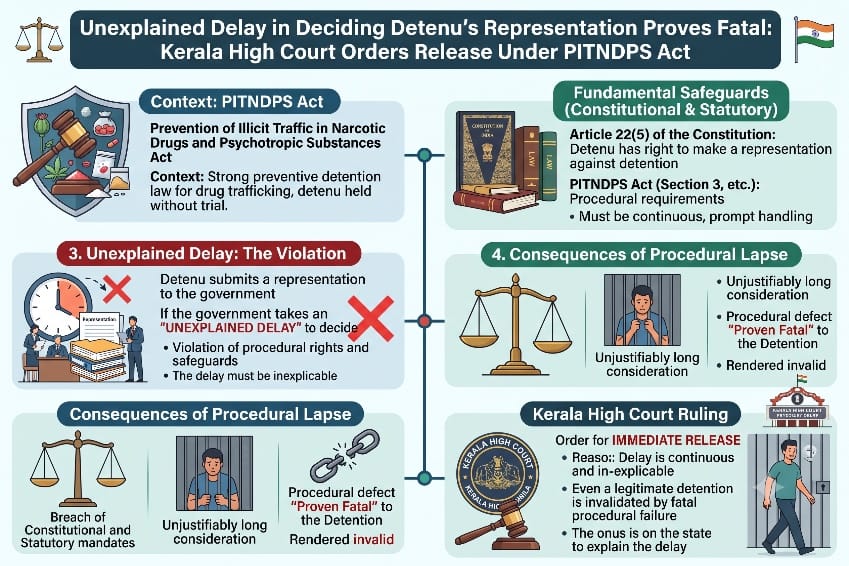
Fathimath Thasneem V.K. v. Union of India and Others | High Court of Kerala at Ernakulam | 3rd September, 2026 A habeas corpus writ petition by the wife of a detenu challenging…
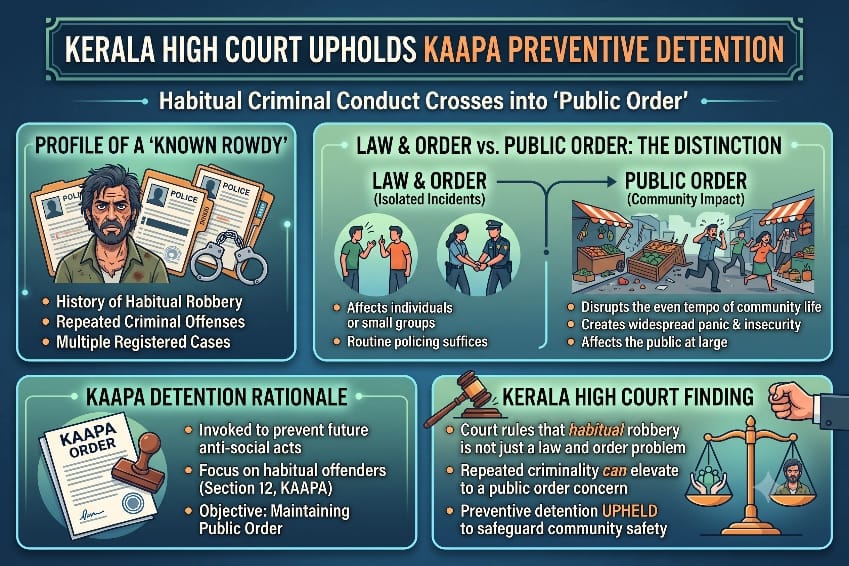
Thasmitha Abukutty v. State of Kerala and Others | High Court of Kerala at Ernakulam | 2nd September, 2026 A writ petition by the wife of a preventive detenu challenging a…
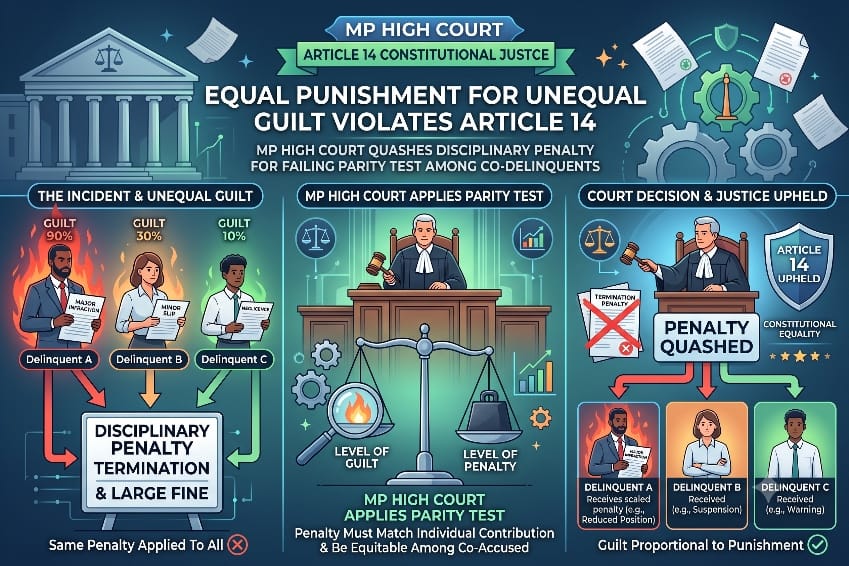
Brahm Kishore Dixit v. The State of Madhya Pradesh and Others | High Court of Madhya Pradesh, Gwalior | 1st September, 2026 A writ petition under Article 226 by a police Assistant…
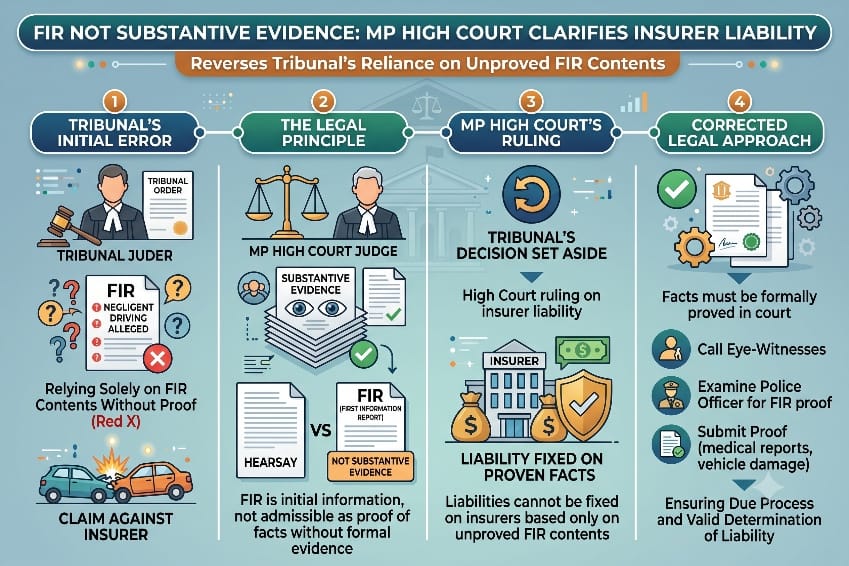
Anil Kumar Patel v. Smt. Munni Bai Barman and Others | High Court of Madhya Pradesh, Jabalpur | 1st September, 2026 A Motor Vehicle Act appeal under Section 173 1 against a Claims…
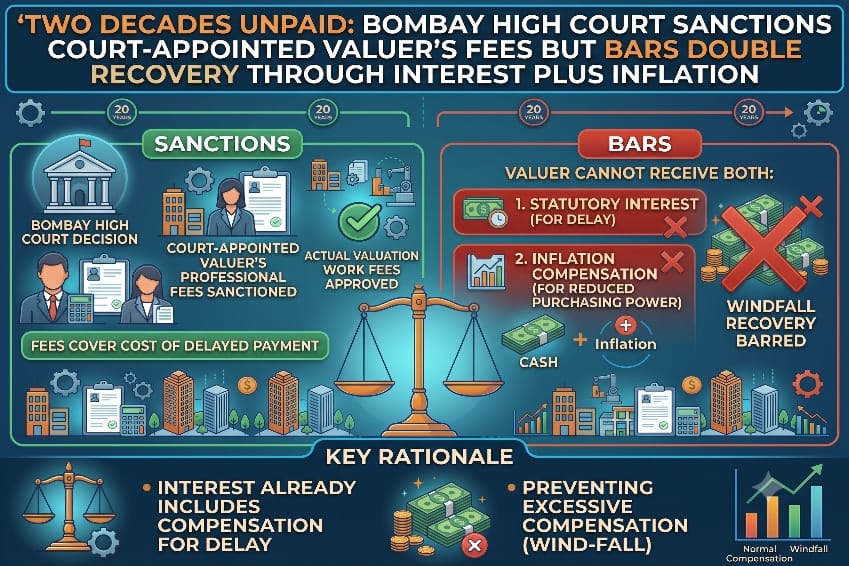
M/s. Kuber Mutual Benefits Ltd. & Ors. v. The State of Maharashtra & Ors. | High Court of Judicature at Bombay Appellate Side | 3rd September, 2026 A Court Receiver's Report…
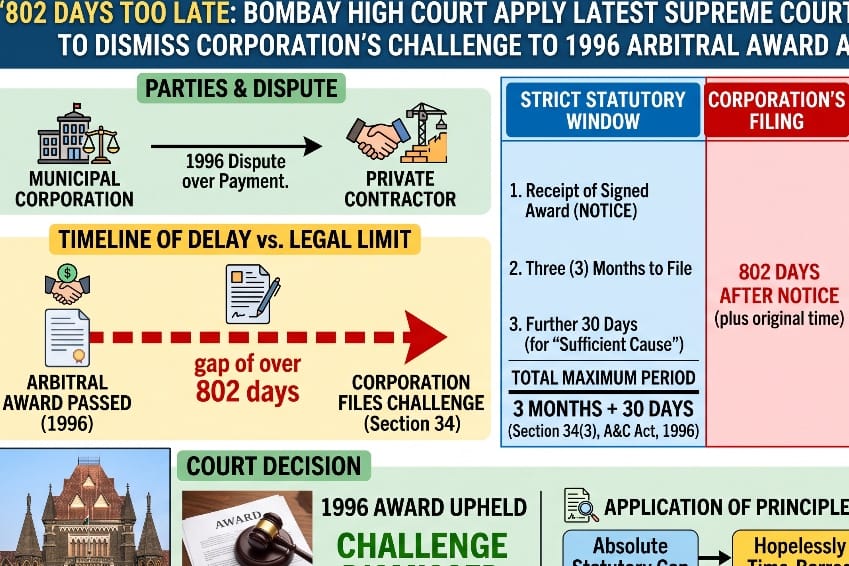
The Municipal Corporation of Greater Bombay v. M/s. Atul Raj Builders Pvt. Ltd. | High Court of Judicature at Bombay Ordinary Original Civil Jurisdiction | 3rd September, 2026 A…
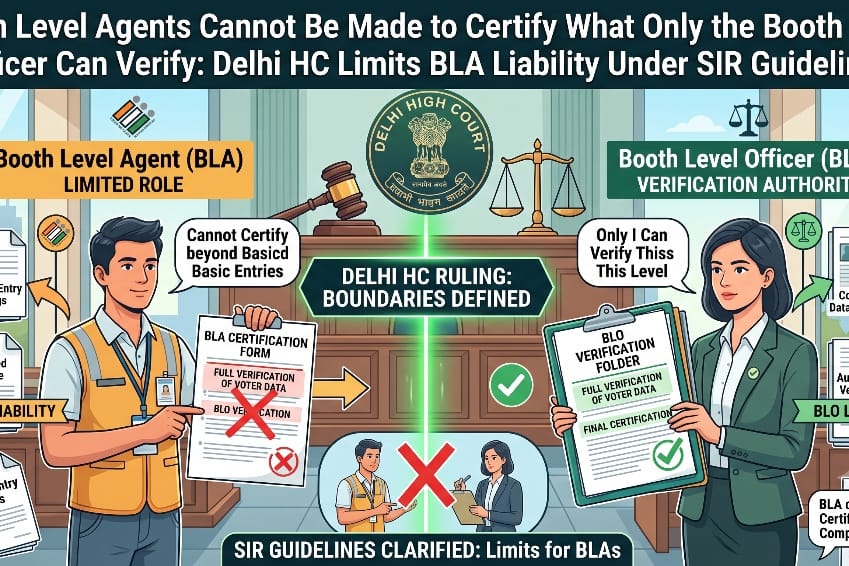
Devender Yadav & Anr. v. Election Commission of India & Anr. | High Court of Delhi Single Judge | Decided on: 03.09.2026 In a challenge to the Election Commission of India's…
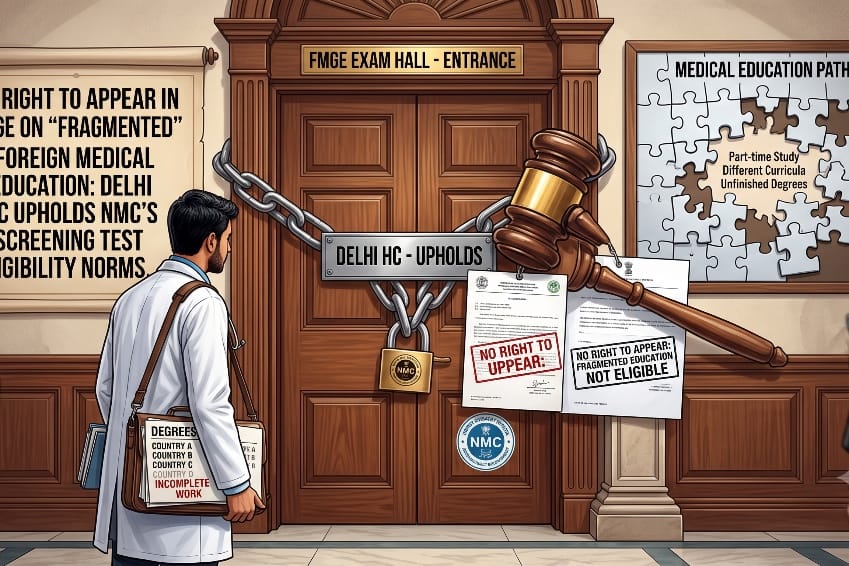
Brij Sharadbhai Bhatt & Ors. v. National Medical Commission & Ors. | High Court of Delhi Division Bench | Decided on: 03.09.2026 The Delhi High Court dismissed a challenge by…