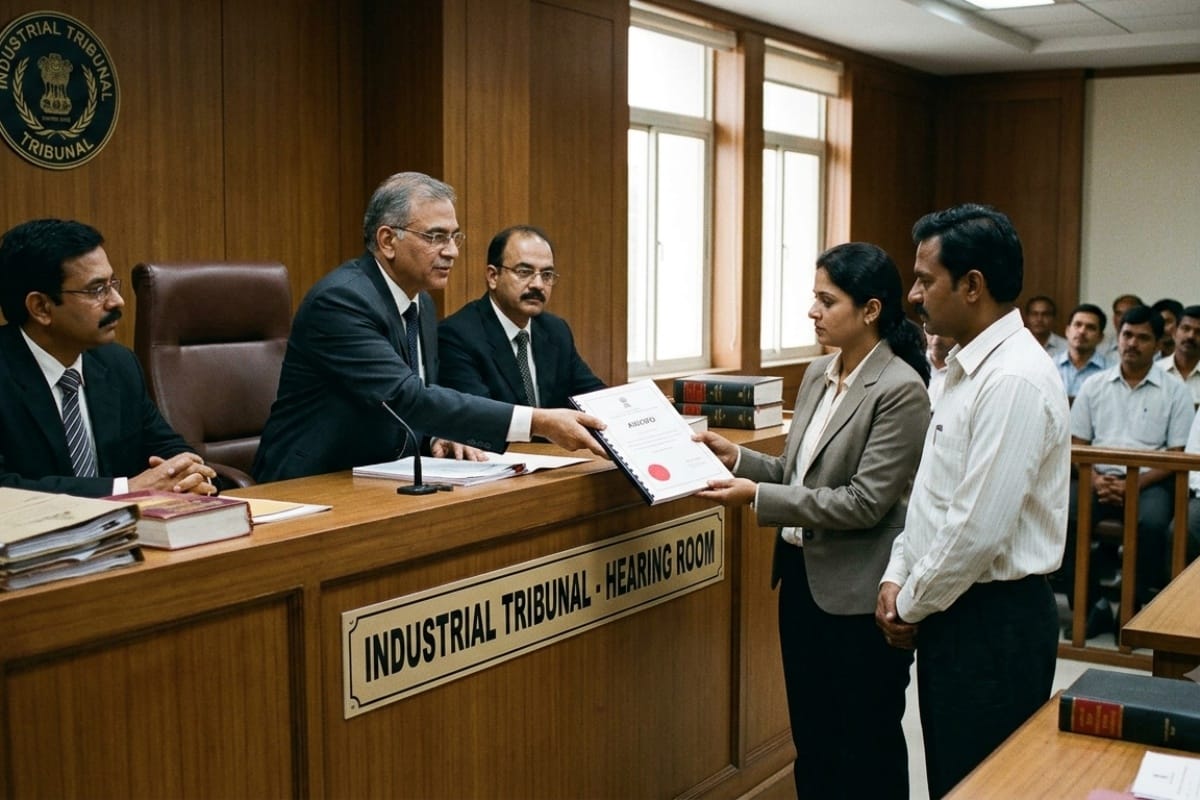
Deciding two connected writ petitions arising from a common Industrial Tribunal Award, the Delhi High Court set aside the Tribunal's direction granting hotel workmen a further…
Labour Laws
06/09/20264 min read
Update / Judgement Date
09 Nov 2025
Source
WCP News Bulletin
Author
Sakshi Bhardwaj — WCP Legal Desk
Reading Time
3 min read
The Delhi High Court dismissed a petition challenging the trial court’s rejection of an application under Order VII Rule 11 CPC, holding that such an application cannot be entertained at an advanced stage of trial when issues have already been framed. The Court observed that the appropriate remedy in such circumstances would be under Order VII Rule 10 CPC (return of plaint for lack of jurisdiction), not rejection of plaint. Since part of the cause of action had arisen in Delhi — where payments were made and the plaintiff’s registered office was located — the plaint could not be rejected.
• The respondent, M/s Mahashian Di Hatti (MDH) Pvt. Ltd., filed a recovery suit for ₹44,88,637.03 against the petitioners for unpaid dues arising from spice supplies made in April 2022.
• The petitioners admitted payment of ₹96,96,252.97 but disputed the balance and claimed that the Delhi court lacked territorial jurisdiction, as the goods were dispatched from Faridabad.
• The trial court had framed issues, including one on territorial jurisdiction, and took on record an SBI certificate (dated 2025) confirming receipt of payments in Delhi.
• The petitioners later moved an application under Order VII Rule 11 CPC seeking rejection of the plaint, arguing that no cause of action arose in Delhi and that the bank certificate was wrongly accepted.
• The Court held that since issues had already been framed, an application under Order VII Rule 11 CPC was not maintainable; any jurisdictional objection should have been raised earlier under Order VII Rule 10 CPC.
• Receipt of payments in Delhi and the plaintiff’s registered office being situated there constituted a part of the cause of action within Delhi’s jurisdiction.
• The trial court rightly took on record the bank certificate, as it merely confirmed facts relevant to an already existing issue and was produced after the suit’s filing.
• Filing the application at such a late stage was seen as a deliberate attempt to delay proceedings.
• The Court referred to M/s Bhagya Estate Benchers Pvt. Ltd. v. Narne Estates Pvt. Ltd. (2024) to emphasize that Order VII Rule 11 cannot be invoked after substantial progress in the trial.
• The petition was dismissed with costs of ₹25,000, the Court terming it frivolous and intended to delay the suit.
• The trial court’s decision to proceed with the matter was upheld.
• Order VII Rule 11, Code of Civil Procedure, 1908 – Rejection of plaint.
• Order VII Rule 10, Code of Civil Procedure, 1908 – Return of plaint.
• Article 227, Constitution of India – Supervisory jurisdiction of High Courts.
• Commercial Courts Act, 2015 – Applicability to commercial disputes.
Citation: 2025:DHC:CM(M)926
Case: M/s Shree Balajee Enterprises & Anr. v. M/s Mahashian Di Hatti (MDH) Pvt. Ltd.
Court: High Court of Delhi at New Delhi
Coram: Hon’ble Mr. Justice Girish Kathpalia
Date of Decision: 10 November 2025
CM(M) No.: 926 of 2025
Deciding two connected writ petitions arising from a common Industrial Tribunal Award, the Delhi High Court set aside the Tribunal's direction granting hotel workmen a further…
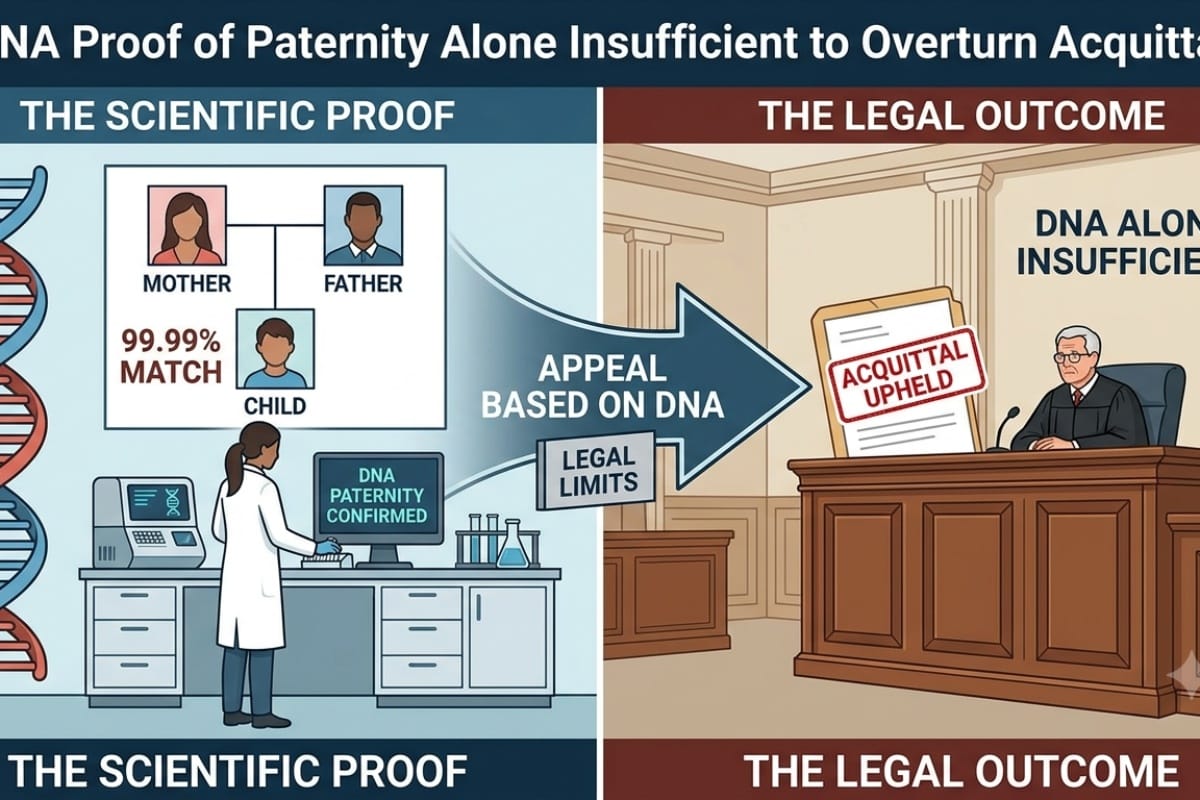
Headnote The Delhi High Court dismissed a prosecutrix's appeal against acquittal of the accused on charges under Sections 328/376 2 n /377/506/509 IPC, despite DNA evidence…
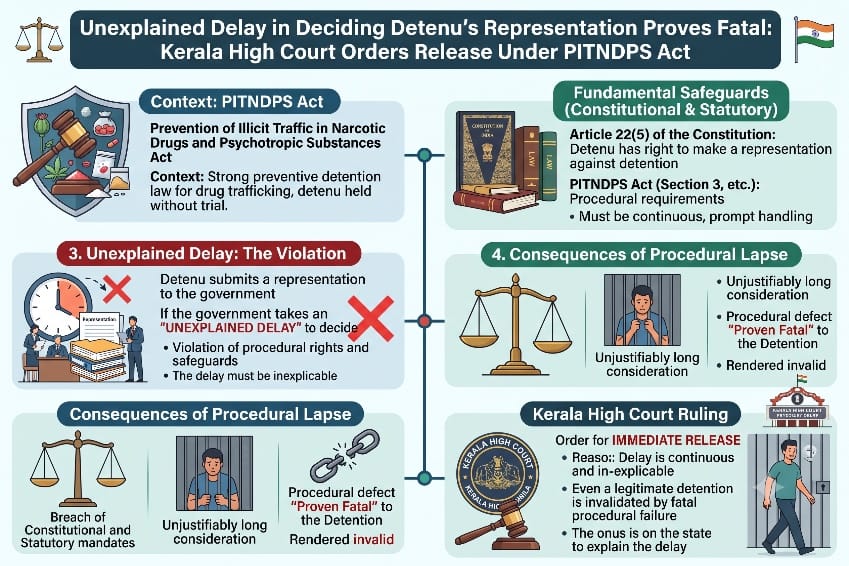
Fathimath Thasneem V.K. v. Union of India and Others | High Court of Kerala at Ernakulam | 3rd September, 2026 A habeas corpus writ petition by the wife of a detenu challenging…
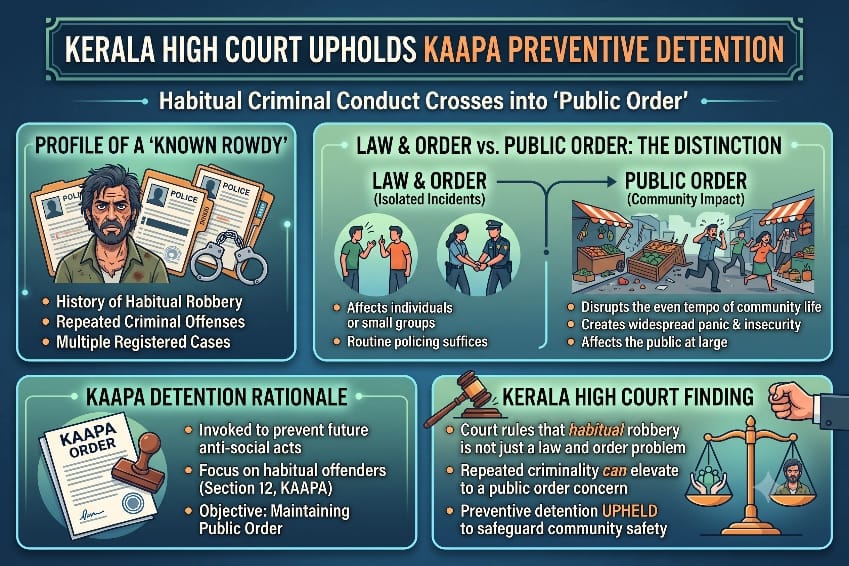
Thasmitha Abukutty v. State of Kerala and Others | High Court of Kerala at Ernakulam | 2nd September, 2026 A writ petition by the wife of a preventive detenu challenging a…
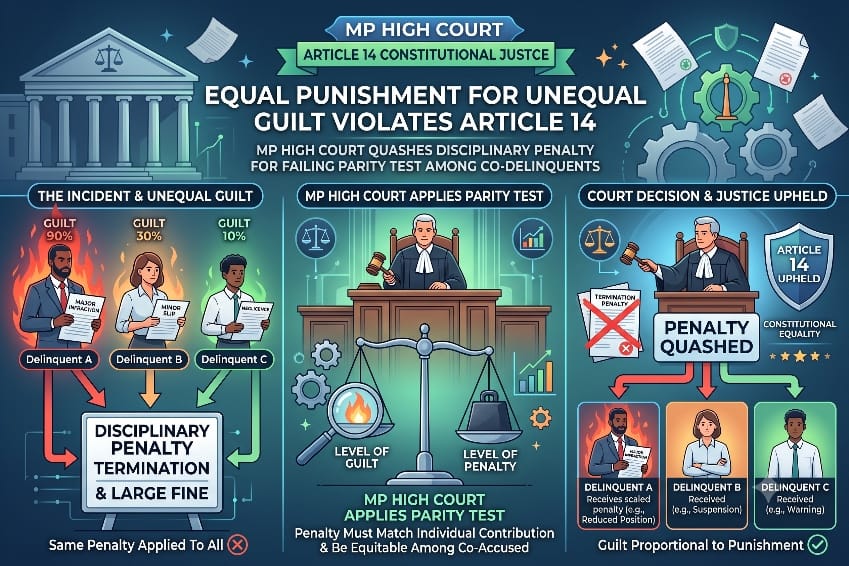
Brahm Kishore Dixit v. The State of Madhya Pradesh and Others | High Court of Madhya Pradesh, Gwalior | 1st September, 2026 A writ petition under Article 226 by a police Assistant…
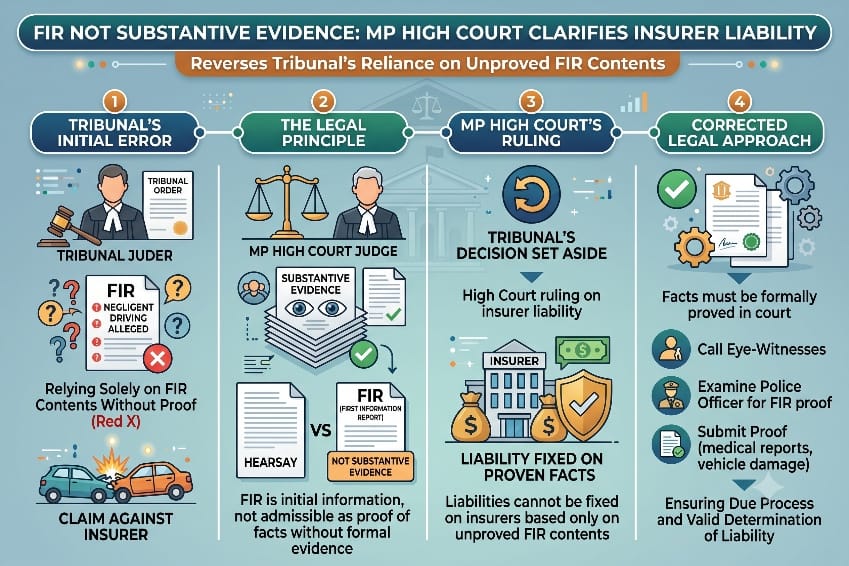
Anil Kumar Patel v. Smt. Munni Bai Barman and Others | High Court of Madhya Pradesh, Jabalpur | 1st September, 2026 A Motor Vehicle Act appeal under Section 173 1 against a Claims…
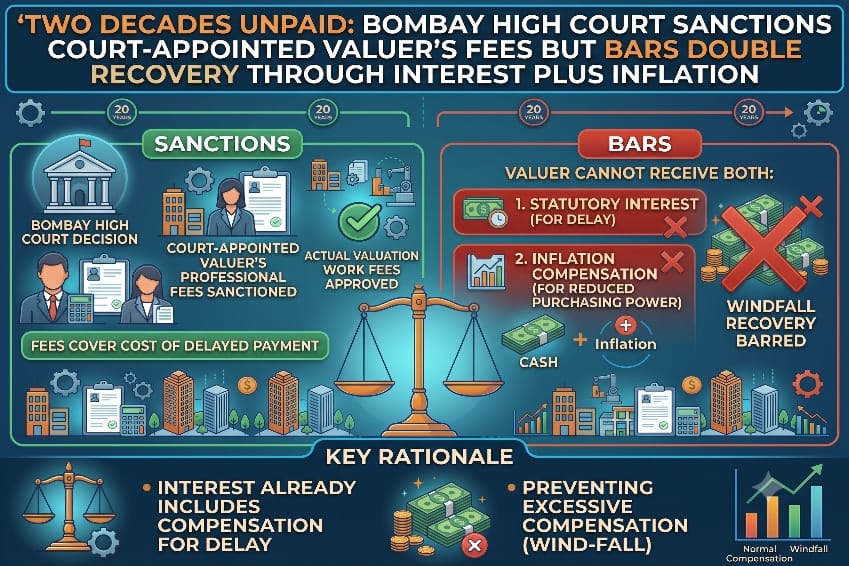
M/s. Kuber Mutual Benefits Ltd. & Ors. v. The State of Maharashtra & Ors. | High Court of Judicature at Bombay Appellate Side | 3rd September, 2026 A Court Receiver's Report…
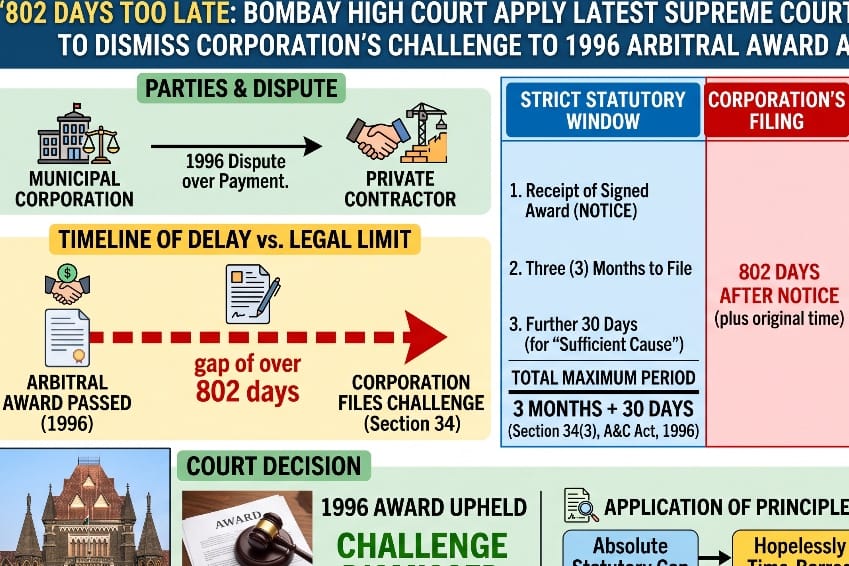
The Municipal Corporation of Greater Bombay v. M/s. Atul Raj Builders Pvt. Ltd. | High Court of Judicature at Bombay Ordinary Original Civil Jurisdiction | 3rd September, 2026 A…
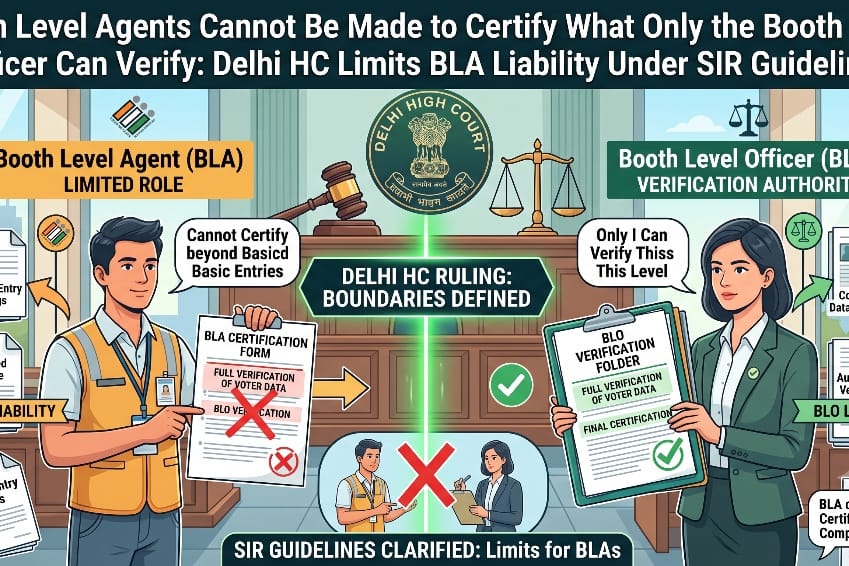
Devender Yadav & Anr. v. Election Commission of India & Anr. | High Court of Delhi Single Judge | Decided on: 03.09.2026 In a challenge to the Election Commission of India's…
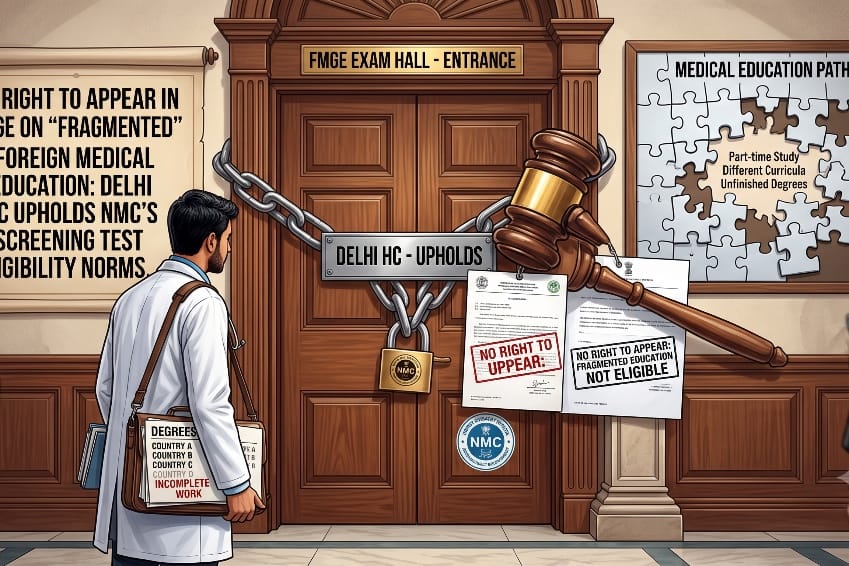
Brij Sharadbhai Bhatt & Ors. v. National Medical Commission & Ors. | High Court of Delhi Division Bench | Decided on: 03.09.2026 The Delhi High Court dismissed a challenge by…