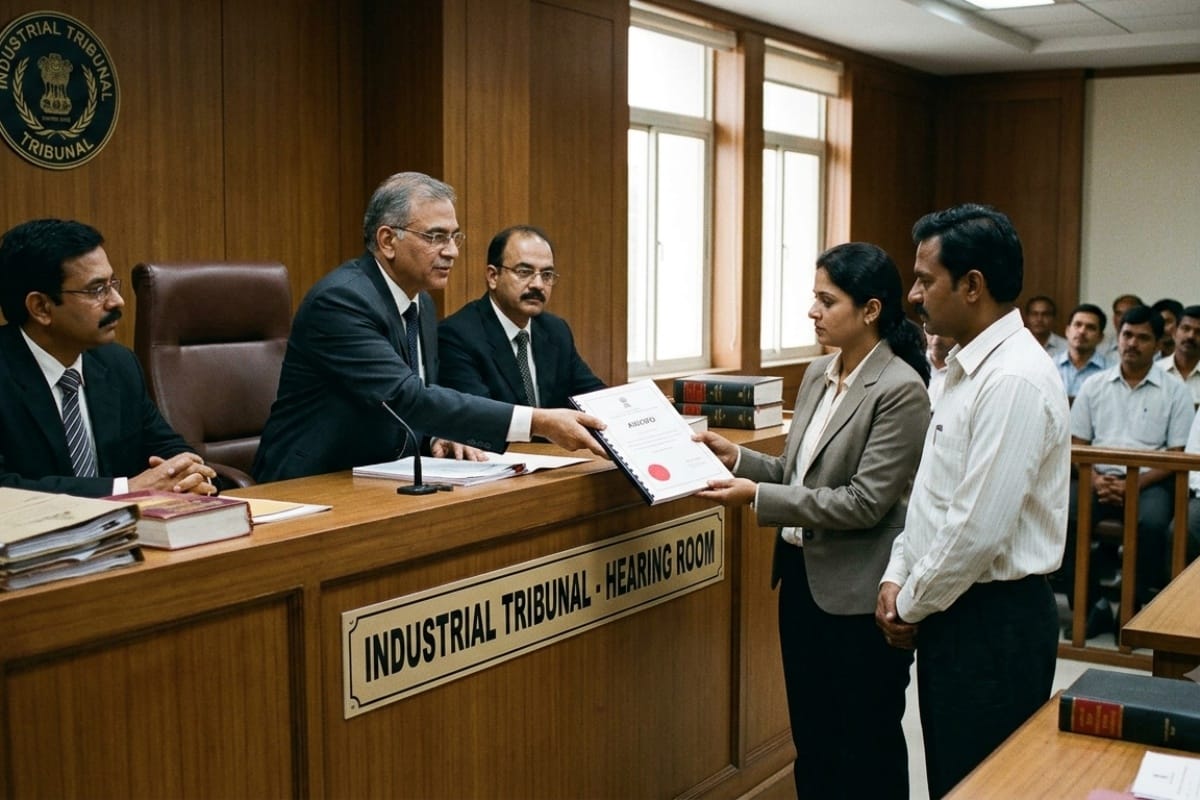
Deciding two connected writ petitions arising from a common Industrial Tribunal Award, the Delhi High Court set aside the Tribunal's direction granting hotel workmen a further…
Labour Laws
06/09/20264 min read
Update / Judgement Date
29 Oct 2025
Source
WCP News Bulletin
Author
Sakshi Bhardwaj — WCP Legal Desk
Reading Time
3 min read
Headnote:
The Delhi High Court dismissed the appeal filed by the partners of M/s Gupta International challenging the sale of the firm’s only property. The Court held that when a partner signs the firm’s balance sheets showing the sale of property and later executes settlement and retirement deeds accepting all accounts, such actions amount to implied consent and ratification of the transaction under Section 19(2)(g) of the Indian Partnership Act, 1932. Therefore, the sale was valid and binding on all partners.
Background:
• The plaintiff-firm, M/s Gupta International, and its partners, Bimla Gupta and Om Prakash Gupta, filed a suit seeking possession, mesne profits, and cancellation of sale documents executed by defendant-partner Ashok Kumar Singhal in favour of another partner.
• The firm had purchased a property at Uttam Nagar, Delhi, in 1999 for ₹3.4 lakhs. In 2000, the active partner executed sale documents transferring the firm’s only asset for ₹3.7 lakhs allegedly without consent.
• The plaintiffs claimed they discovered the unauthorized sale in 2002 and alleged violation of Clause 9 of the partnership deed and Section 19(2)(g) of the Partnership Act, which restricts a partner from selling firm property without consent.
• The defendants contended that all partners were aware of and consented to the sale, as the firm’s balance sheets for 1999–2000 and 2000–2001, signed by the plaintiffs, reflected the sale and profits therefrom. A subsequent settlement and retirement deed also confirmed full and final settlement of all accounts.
Court’s Observations:
• The Court held that the plaintiffs’ signatures on the firm’s balance sheets acknowledging the sale of the property clearly established their knowledge and consent.
• No evidence was produced to show that the signatures were obtained without understanding or under misrepresentation.
• The subsequent Memorandum of Settlement and Retirement Deed (both in 2002) confirmed that the accounts, including the sale, had been accepted and finalized.
• Section 19(2)(g) prohibits a partner from transferring property without consent, but where consent is implied from conduct and ratification, the transfer stands validated.
• The appeal lacked merit, as the plaintiffs had acquiesced to the transaction through multiple acts indicating approval and final settlement.
Legal Provisions Discussed:
• Section 19(2)(g), Indian Partnership Act, 1932 – Restricts a partner’s implied authority to transfer firm property without the consent of other partners.
• Clause 9, Partnership Deed – Prohibited sale of firm assets without consent of all partners.
• Order VII Rule 11, Code of Civil Procedure, 1908 – Grounds for rejection of plaint.
• Article 226, Constitution of India – (Discussed contextually on jurisdictional limits of High Court appeals).
Citation: 2025:DHC:XXXXX
Case: M/s Gupta International & Ors. v. Ashok Kumar Singhal & Anr.
Court: High Court of Delhi at New Delhi
Coram: Justice Anil Kshetrapal & Justice Harish Vaidyanathan Shankar
Date of Decision: 29 October 2025
Regular First Appeal (Original Side) (Commercial) No.: RFA(OS)(COMM) 15/2018
Deciding two connected writ petitions arising from a common Industrial Tribunal Award, the Delhi High Court set aside the Tribunal's direction granting hotel workmen a further…
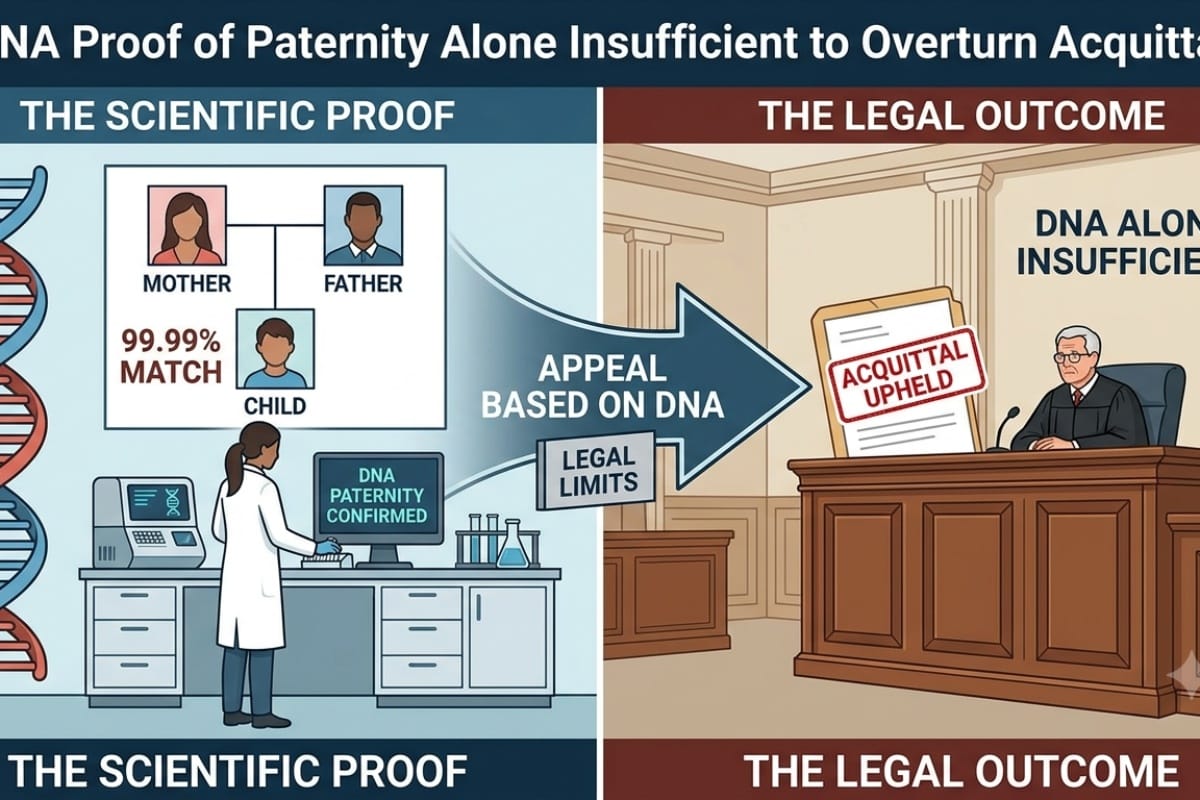
Headnote The Delhi High Court dismissed a prosecutrix's appeal against acquittal of the accused on charges under Sections 328/376 2 n /377/506/509 IPC, despite DNA evidence…
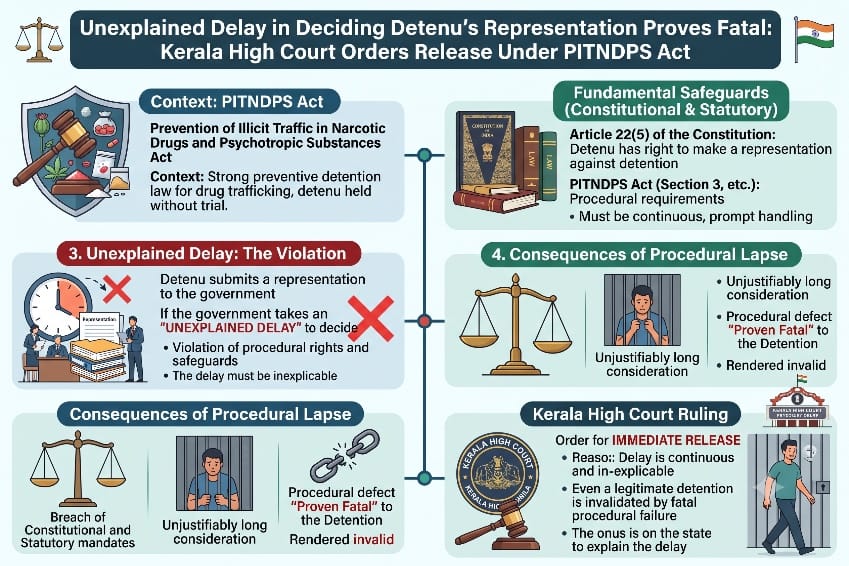
Fathimath Thasneem V.K. v. Union of India and Others | High Court of Kerala at Ernakulam | 3rd September, 2026 A habeas corpus writ petition by the wife of a detenu challenging…
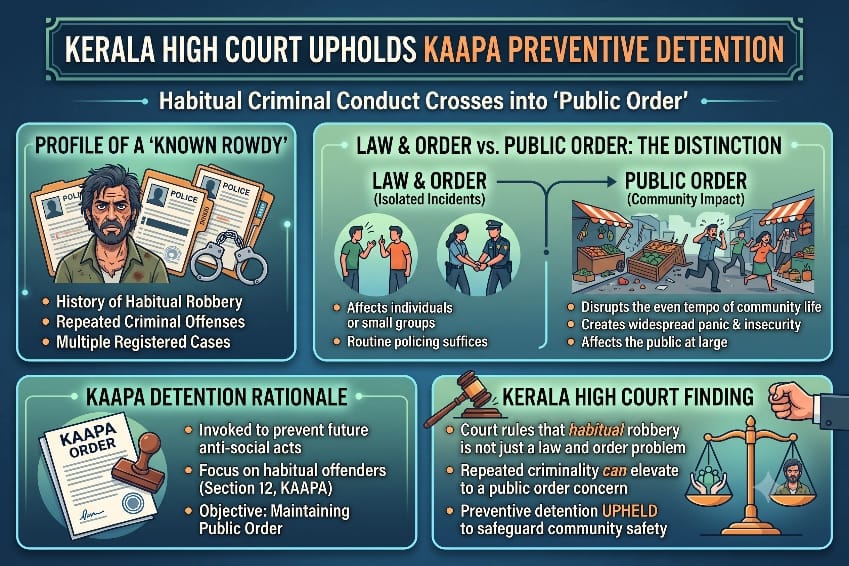
Thasmitha Abukutty v. State of Kerala and Others | High Court of Kerala at Ernakulam | 2nd September, 2026 A writ petition by the wife of a preventive detenu challenging a…
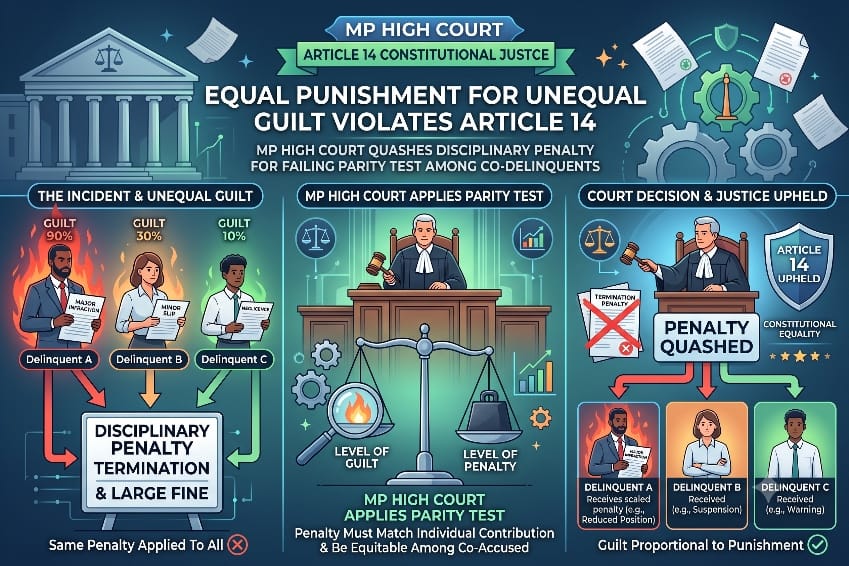
Brahm Kishore Dixit v. The State of Madhya Pradesh and Others | High Court of Madhya Pradesh, Gwalior | 1st September, 2026 A writ petition under Article 226 by a police Assistant…
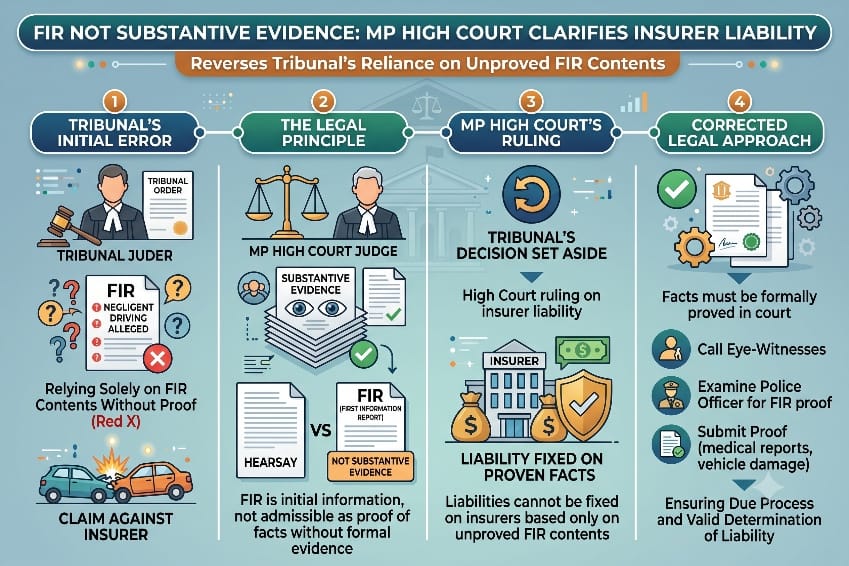
Anil Kumar Patel v. Smt. Munni Bai Barman and Others | High Court of Madhya Pradesh, Jabalpur | 1st September, 2026 A Motor Vehicle Act appeal under Section 173 1 against a Claims…
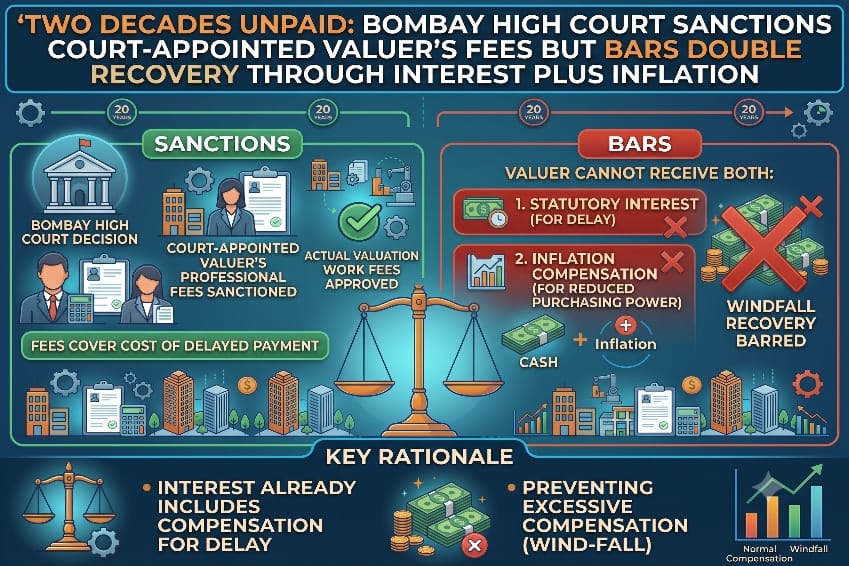
M/s. Kuber Mutual Benefits Ltd. & Ors. v. The State of Maharashtra & Ors. | High Court of Judicature at Bombay Appellate Side | 3rd September, 2026 A Court Receiver's Report…
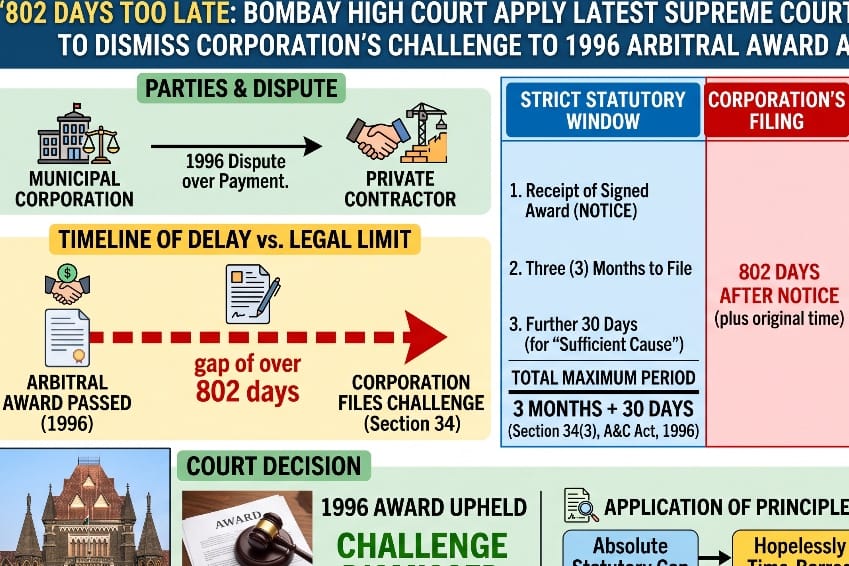
The Municipal Corporation of Greater Bombay v. M/s. Atul Raj Builders Pvt. Ltd. | High Court of Judicature at Bombay Ordinary Original Civil Jurisdiction | 3rd September, 2026 A…
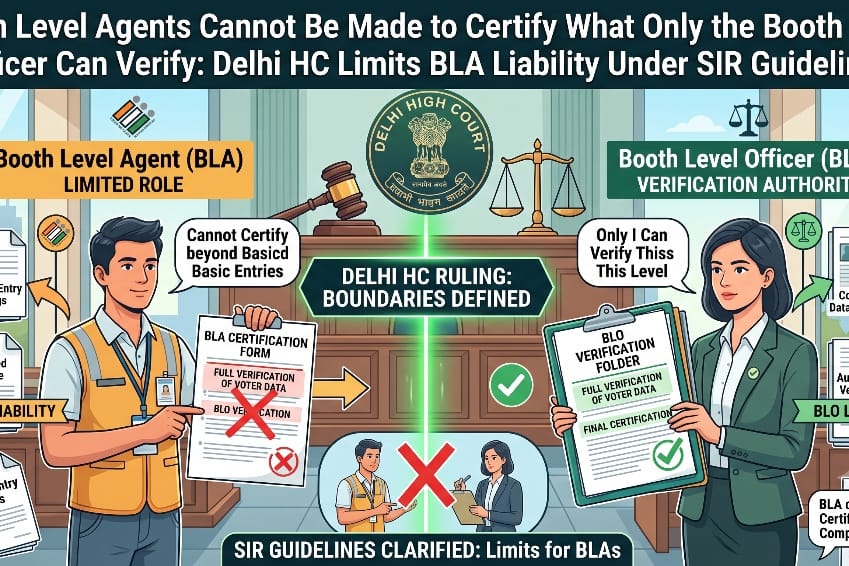
Devender Yadav & Anr. v. Election Commission of India & Anr. | High Court of Delhi Single Judge | Decided on: 03.09.2026 In a challenge to the Election Commission of India's…
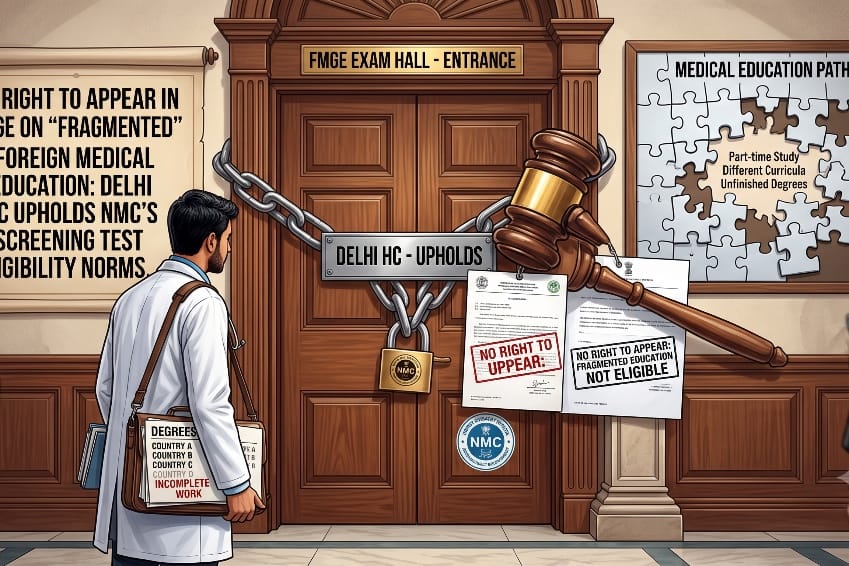
Brij Sharadbhai Bhatt & Ors. v. National Medical Commission & Ors. | High Court of Delhi Division Bench | Decided on: 03.09.2026 The Delhi High Court dismissed a challenge by…