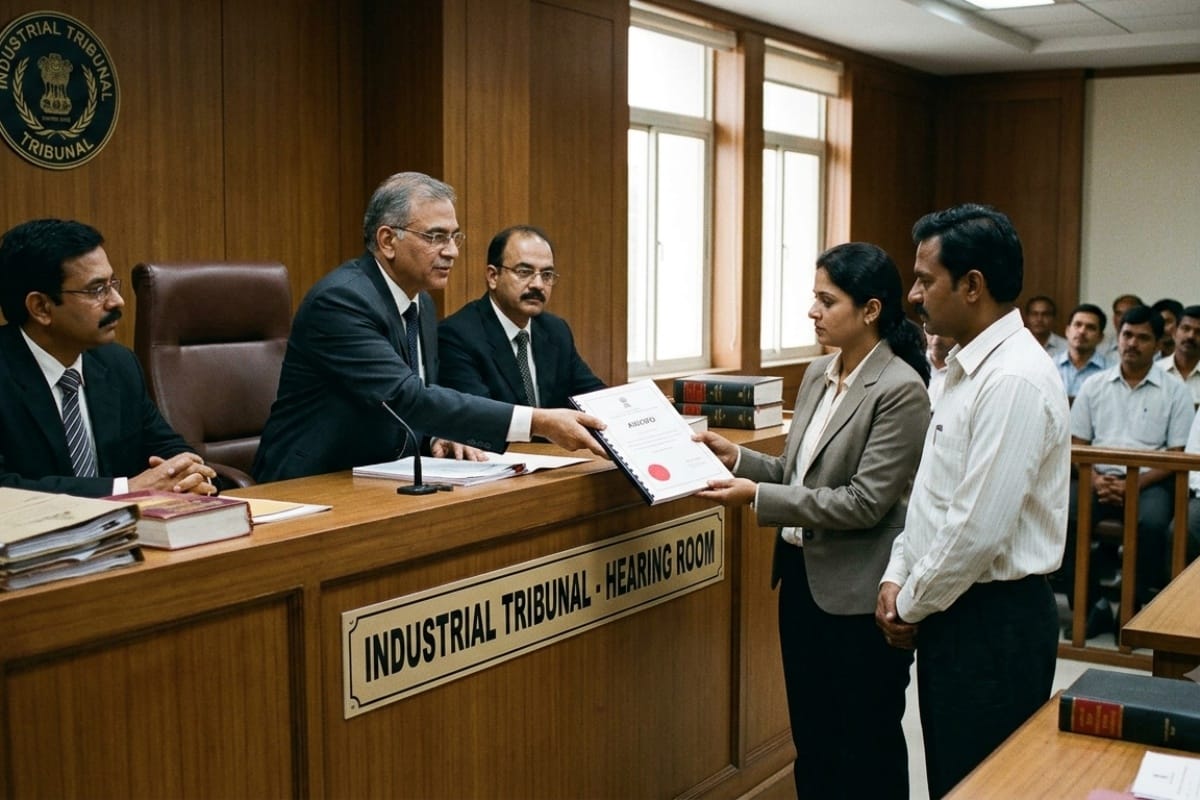
Deciding two connected writ petitions arising from a common Industrial Tribunal Award, the Delhi High Court set aside the Tribunal's direction granting hotel workmen a further…
Labour Laws
06/09/20264 min read
Update / Judgement Date
27 Oct 2025
Source
WCP News Bulletin
Author
Sakshi Bhardwaj — WCP Legal Desk
Reading Time
4 min read
The Delhi High Court dismissed a revision petition challenging the framing of charge under Section 79 of the Juvenile Justice (Care and Protection of Children) Act, 2015 (JJ Act) against a social activist accused of withholding a minor’s earnings. The Court held that at the stage of framing charges, the material on record only needs to disclose a prima facie case, and the victim’s statement indicating that her wages were retained by the petitioner and co-accused was sufficient to attract the offence under Section 79 JJ Act.
• The petitioner, Renu Tora, a social activist running an NGO in Delhi, was charged under Section 79 JJ Act in FIR No. 230/2022 (P.S. Shalimar Bagh) arising from allegations of withholding the earnings of a child domestic worker.
• The FIR was based on the complaint of a minor girl who alleged being trafficked from Jharkhand to Delhi by co-accused Firoz and made to work as a domestic help at Deepak Jain’s residence.
• The victim claimed that her salary was handed over by Deepak Jain to Firoz and the petitioner at a hotel, but she never received the payment.
• The Trial Court framed charges against Firoz under Sections 370, 370A, 376(2)(n), 376(3), and 174A IPC, Sections 5(1)/6 of the POCSO Act, 2012, and Section 79 of the JJ Act; and against the petitioner under Section 79 JJ Act, while co-accused Deepak Jain was discharged.
• The petitioner challenged the order, arguing she had no role in employing or exploiting the victim and that she was being falsely implicated despite her long-standing social work.
• Section 79 JJ Act punishes three distinct forms of exploitation of a child:
(i) Engaging or keeping a child in bondage for employment;
(ii) Withholding a child’s earnings; or
(iii) Using such earnings for one’s own purposes.
The existence of any one condition is sufficient to attract the offence.
• The victim’s statement under Section 164 Cr.P.C. clearly alleged that her wages were handed to the petitioner and Firoz, who never paid her.
• The allegation that the petitioner and co-accused induced the child to give a false statement in exchange for her withheld salary further indicated misuse of her earnings.
• The Court held that the victim’s consistent statement constituted prima facie evidence for framing the charge.
• At the charge stage, the Court need not evaluate the credibility of witnesses or weigh the evidence but only determine whether material exists to presume commission of an offence.
• The Trial Court correctly interpreted Section 79 JJ Act and applied its “second and third limbs” — withholding and using a child’s earnings — to the petitioner’s alleged conduct.
• Section 79, Juvenile Justice (Care and Protection of Children) Act, 2015 – Punishment for employing, keeping in bondage, or withholding the earnings of a child.
• Section 164, Code of Criminal Procedure, 1973 – Recording of statements before a Magistrate.
• Sections 370, 376, 506 IPC – Trafficking and sexual offences.
• Section 6, Protection of Children from Sexual Offences Act, 2012 (POCSO) – Aggravated penetrative sexual assault.
The Court held that the allegations in the FIR and the victim’s statement disclosed a prima facie offence under Section 79 JJ Act. Finding no illegality or perversity in the Trial Court’s order, the revision petition was dismissed.
The petition was dismissed; charges under Section 79 JJ Act were upheld.
Citation: 2025:DHC:XXXXX
Case: Renu Tora v. State (Govt. of NCT of Delhi)
Court: High Court of Delhi at New Delhi
Criminal Revision Petition No.: CRL.REV.P. 107/2025 & CRL.M.A. 9052/2025
Deciding two connected writ petitions arising from a common Industrial Tribunal Award, the Delhi High Court set aside the Tribunal's direction granting hotel workmen a further…
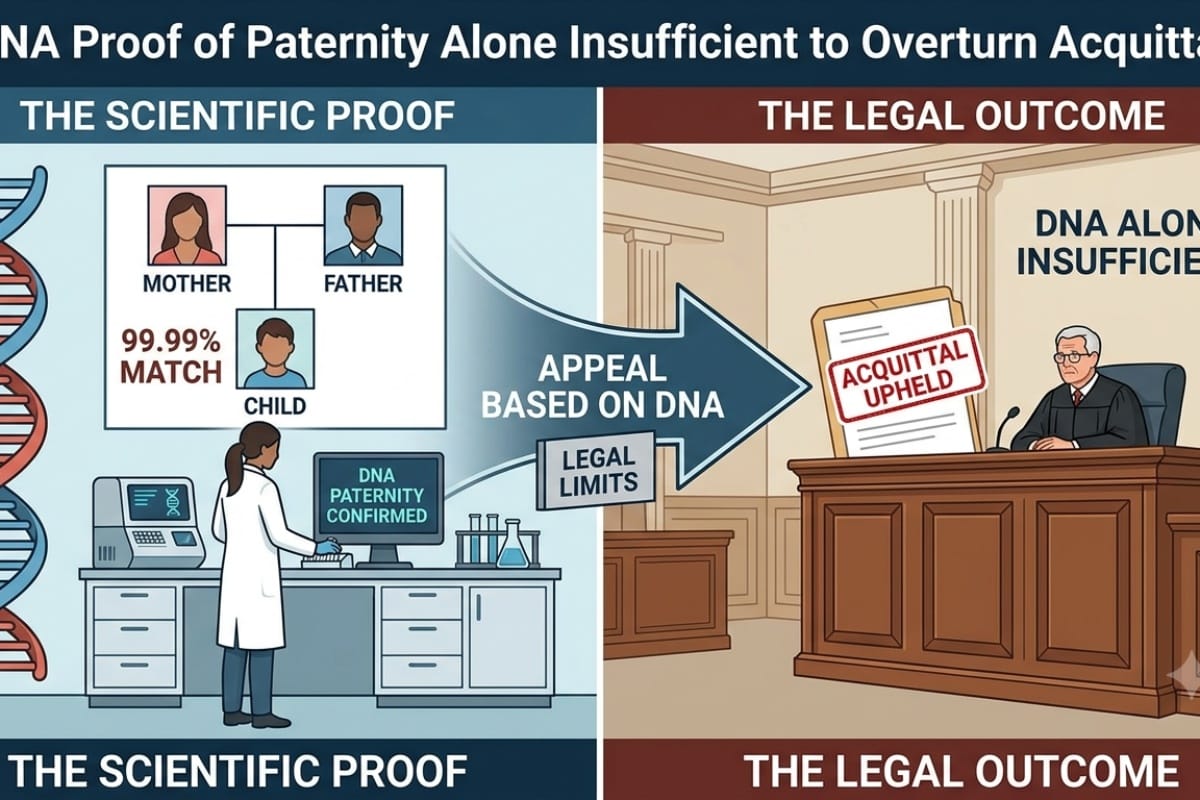
Headnote The Delhi High Court dismissed a prosecutrix's appeal against acquittal of the accused on charges under Sections 328/376 2 n /377/506/509 IPC, despite DNA evidence…
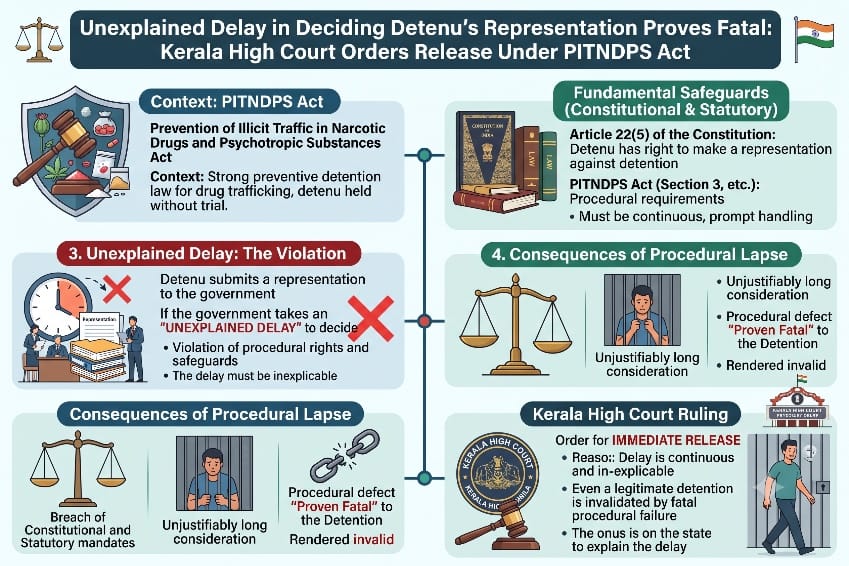
Fathimath Thasneem V.K. v. Union of India and Others | High Court of Kerala at Ernakulam | 3rd September, 2026 A habeas corpus writ petition by the wife of a detenu challenging…
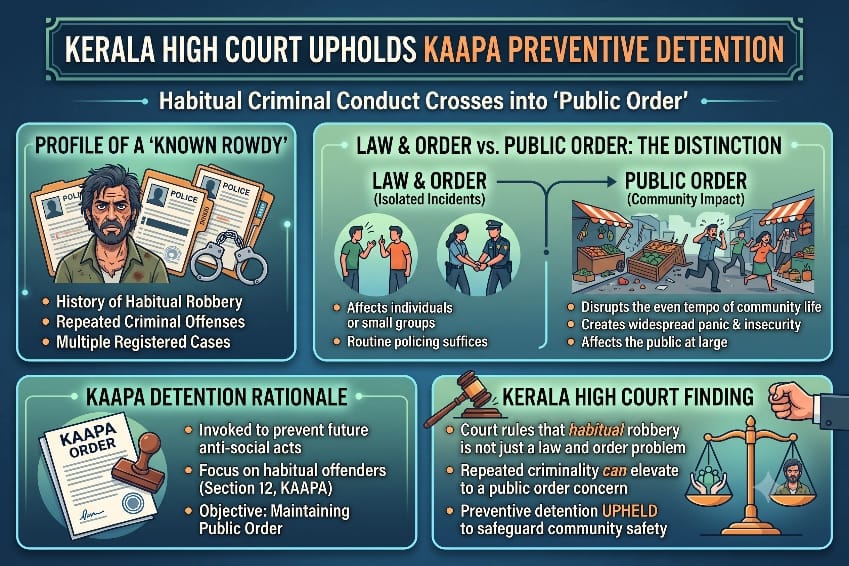
Thasmitha Abukutty v. State of Kerala and Others | High Court of Kerala at Ernakulam | 2nd September, 2026 A writ petition by the wife of a preventive detenu challenging a…
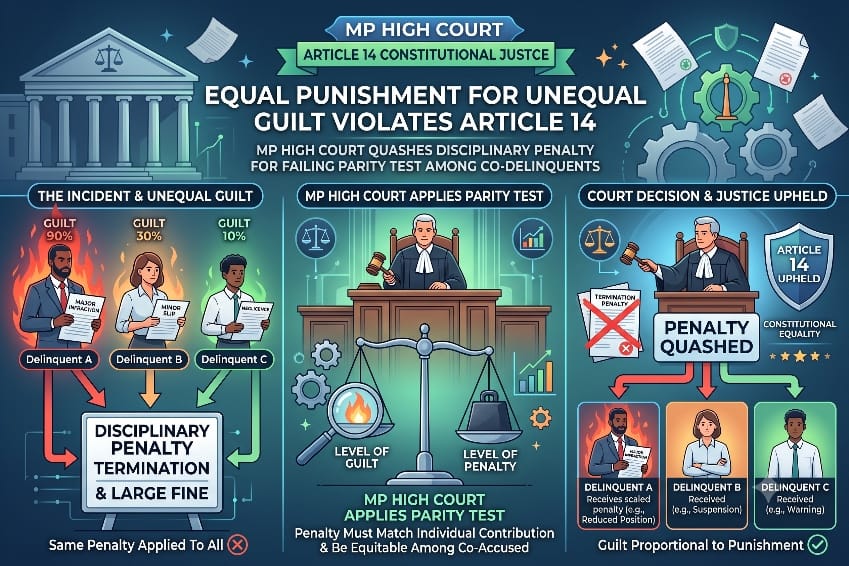
Brahm Kishore Dixit v. The State of Madhya Pradesh and Others | High Court of Madhya Pradesh, Gwalior | 1st September, 2026 A writ petition under Article 226 by a police Assistant…
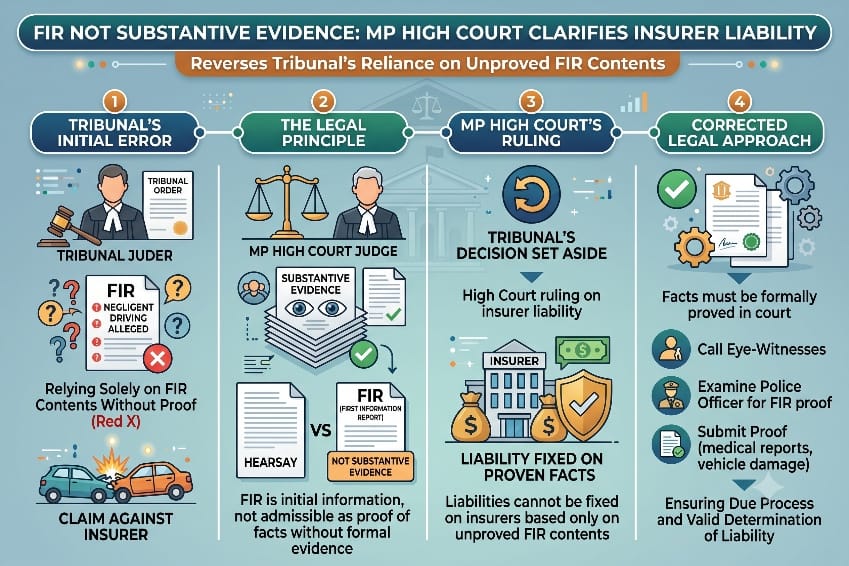
Anil Kumar Patel v. Smt. Munni Bai Barman and Others | High Court of Madhya Pradesh, Jabalpur | 1st September, 2026 A Motor Vehicle Act appeal under Section 173 1 against a Claims…
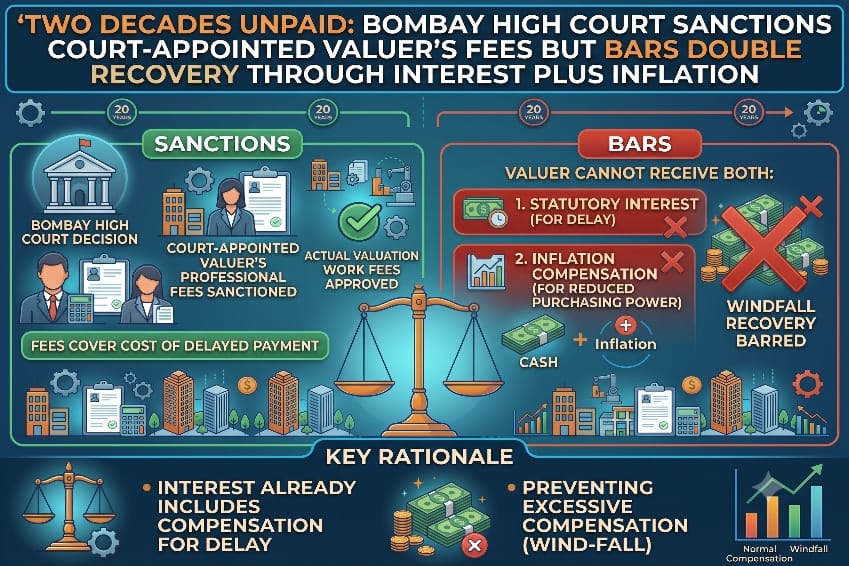
M/s. Kuber Mutual Benefits Ltd. & Ors. v. The State of Maharashtra & Ors. | High Court of Judicature at Bombay Appellate Side | 3rd September, 2026 A Court Receiver's Report…
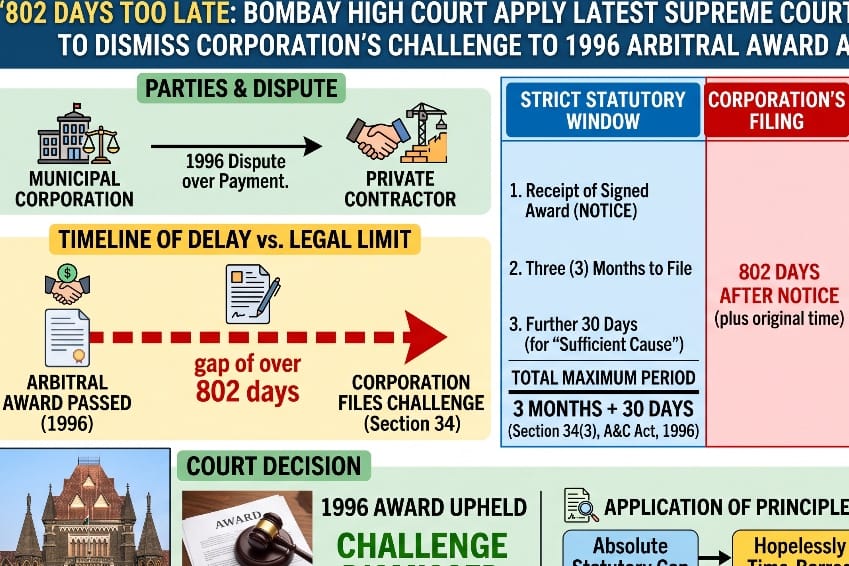
The Municipal Corporation of Greater Bombay v. M/s. Atul Raj Builders Pvt. Ltd. | High Court of Judicature at Bombay Ordinary Original Civil Jurisdiction | 3rd September, 2026 A…
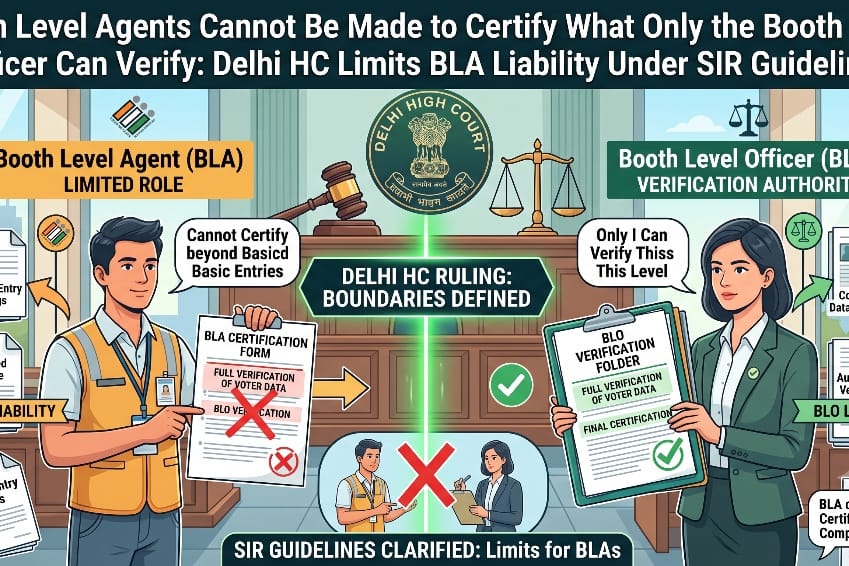
Devender Yadav & Anr. v. Election Commission of India & Anr. | High Court of Delhi Single Judge | Decided on: 03.09.2026 In a challenge to the Election Commission of India's…
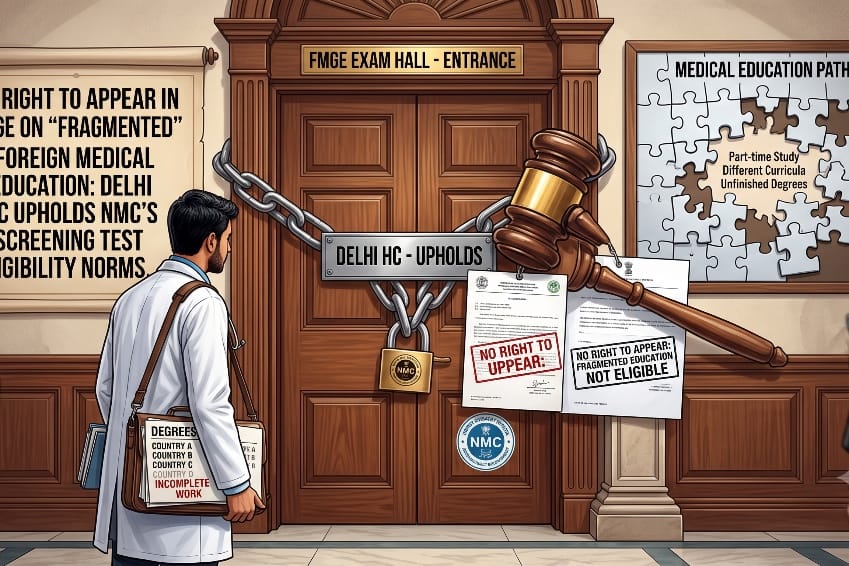
Brij Sharadbhai Bhatt & Ors. v. National Medical Commission & Ors. | High Court of Delhi Division Bench | Decided on: 03.09.2026 The Delhi High Court dismissed a challenge by…