Deciding two connected writ petitions arising from a common Industrial Tribunal Award, the Delhi High Court set aside the Tribunal's direction granting hotel workmen a further…
Labour Laws
06/09/20264 min read
Update / Judgement Date
31 Oct 2025
Source
WCP News Bulletin
Author
Sakshi Bhardwaj — WCP Legal Desk
Reading Time
3 min read
The Delhi High Court quashed an FIR registered under Sections 498A, 406, and 34 of the Indian Penal Code after the parties amicably settled their matrimonial dispute. The Court observed that since the settlement was voluntary and all terms were fulfilled, continuation of criminal proceedings would serve no purpose and amount to abuse of the process of law. The judgment reinforces the principle that matrimonial cases, once resolved amicably, should be brought to a peaceful conclusion through exercise of the Court’s inherent powers.
• The petition under Section 528 of the Bharatiya Nagarik Suraksha Sanhita, 2023 sought quashing of FIR No. 190/2021, dated 21.04.2021, registered at P.S. Chhawla, District Dwarka, under Sections 498A/406/34 IPC.
• The marriage between Petitioner No.1 (husband) and Respondent No.2 (wife) was solemnized on 12.03.2018, and they began living separately on 25.05.2020 due to temperamental differences.
• The FIR alleged harassment and dowry-related cruelty by the husband and his family members. A chargesheet was filed against all petitioners.
• Subsequently, the parties resolved their disputes before the Counselling Cell, Dwarka Courts, through a Settlement Agreement dated 21.01.2025.
• Pursuant to the settlement, the parties obtained divorce on 04.06.2025, and the husband paid ₹6,00,000 along with istridhan articles to the wife as full and final settlement.
• Both parties were present before the Court and confirmed that the settlement was voluntary, without any coercion, fear, or undue influence.
• The Court referred to precedents including Gian Singh v. State of Punjab [(2012) 10 SCC 303], Jitendra Raghuvanshi v. Babita Raghuvanshi [(2013) 4 SCC 58], and B.S. Joshi v. State of Haryana [(2003) 4 SCC 675], wherein the Supreme Court held that matrimonial disputes settled amicably should not be allowed to fester through criminal prosecution.
• The Court reiterated that inherent powers under Section 482 CrPC (now Section 528 BNSS) can be invoked to prevent abuse of judicial process and secure the ends of justice.
• Since the dispute was purely matrimonial and all settlement terms were fulfilled, further prosecution would serve no legitimate purpose.
The Delhi High Court allowed the petition and quashed FIR No. 190/2021 dated 21.04.2021, registered at P.S. Chhawla, along with all proceedings arising therefrom. Pending applications, if any, were also disposed of.
• Section 528, Bharatiya Nagarik Suraksha Sanhita, 2023 (BNSS) – Inherent powers of the High Court to prevent abuse of process and secure justice.
• Sections 498A, 406 & 34, Indian Penal Code, 1860 – Cruelty by husband or relatives; criminal breach of trust; acts done by several persons in furtherance of common intention.
• Precedents: Gian Singh v. State of Punjab (2012) 10 SCC 303; B.S. Joshi v. State of Haryana (2003) 4 SCC 675; Jitendra Raghuvanshi v. Babita Raghuvanshi (2013) 4 SCC 58.
Citation: 2025:DHC:CRLMC:7672
Case: Vikas & Ors. v. State NCT of Delhi & Anr.
Court: High Court of Delhi at New Delhi
Coram: Hon’ble Mr. Justice Ravinder Dudeja
Date of Decision: 31 October 2025
Case No.: CRL.M.C. 7672/2025
Deciding two connected writ petitions arising from a common Industrial Tribunal Award, the Delhi High Court set aside the Tribunal's direction granting hotel workmen a further…
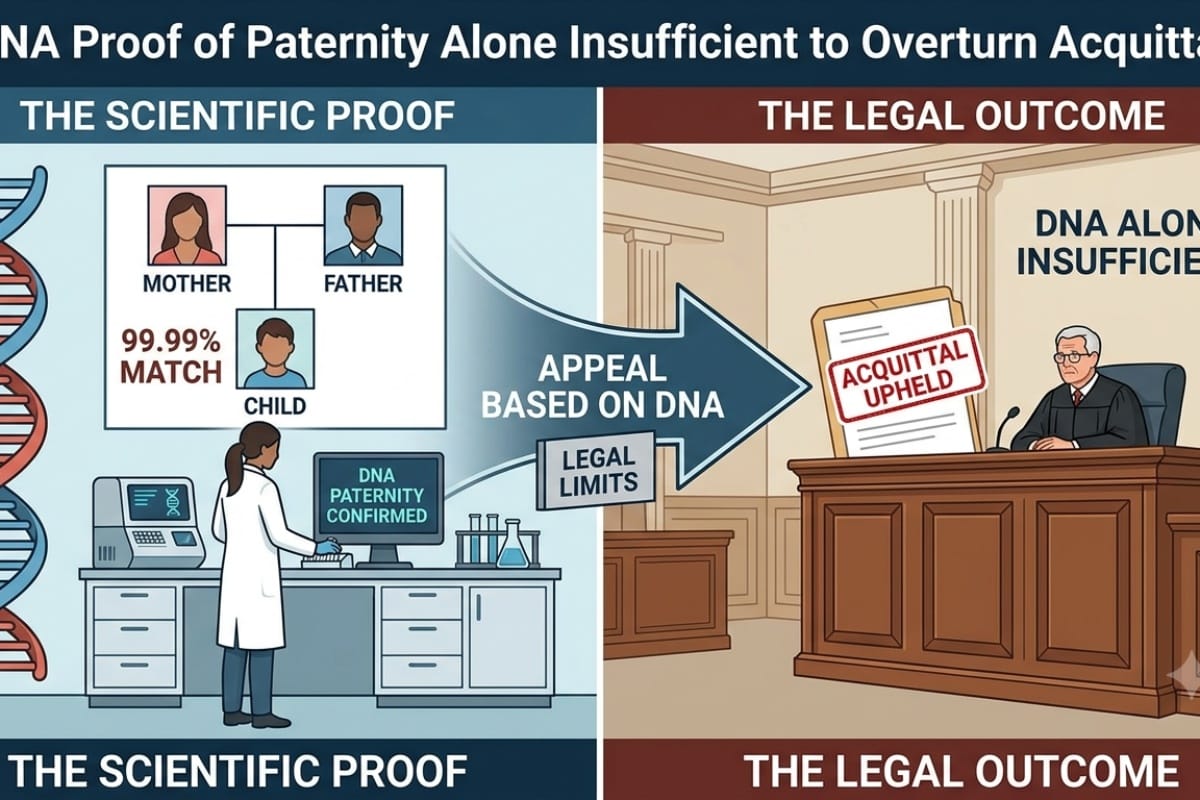
Headnote The Delhi High Court dismissed a prosecutrix's appeal against acquittal of the accused on charges under Sections 328/376 2 n /377/506/509 IPC, despite DNA evidence…
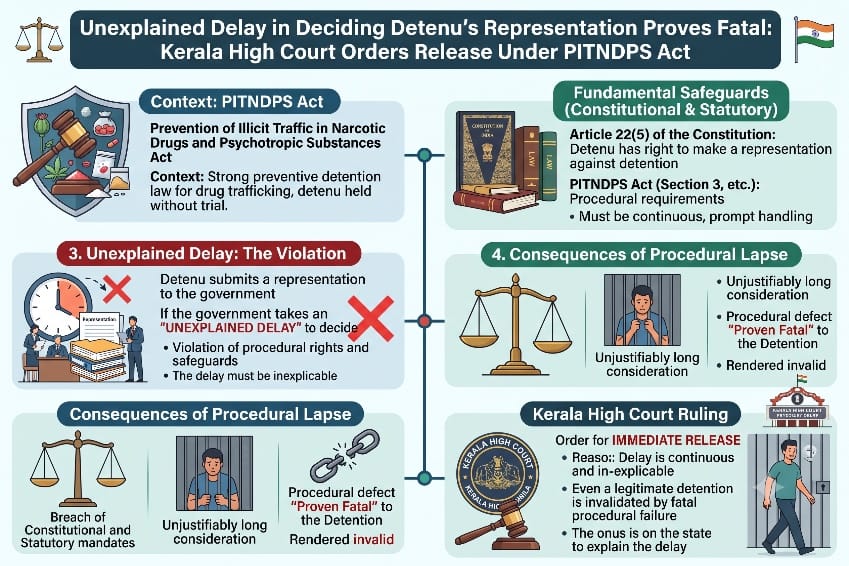
Fathimath Thasneem V.K. v. Union of India and Others | High Court of Kerala at Ernakulam | 3rd September, 2026 A habeas corpus writ petition by the wife of a detenu challenging…
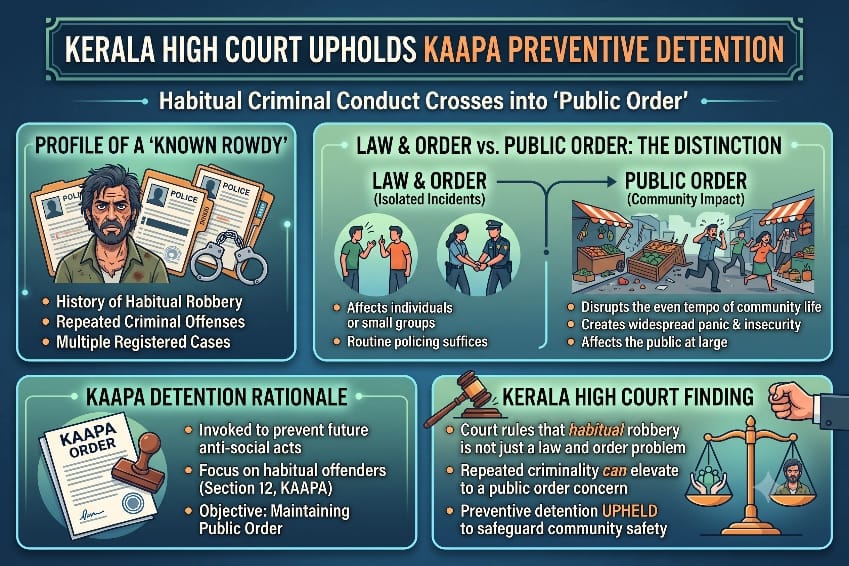
Thasmitha Abukutty v. State of Kerala and Others | High Court of Kerala at Ernakulam | 2nd September, 2026 A writ petition by the wife of a preventive detenu challenging a…
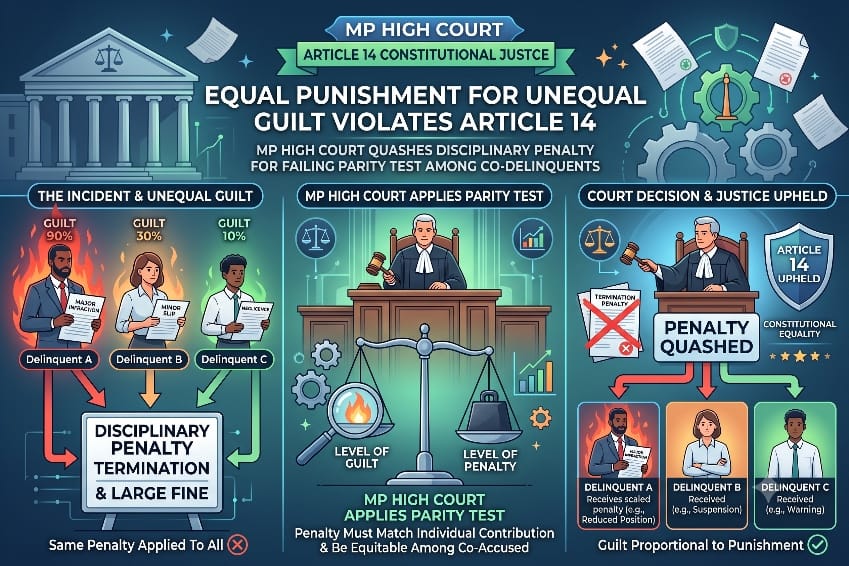
Brahm Kishore Dixit v. The State of Madhya Pradesh and Others | High Court of Madhya Pradesh, Gwalior | 1st September, 2026 A writ petition under Article 226 by a police Assistant…
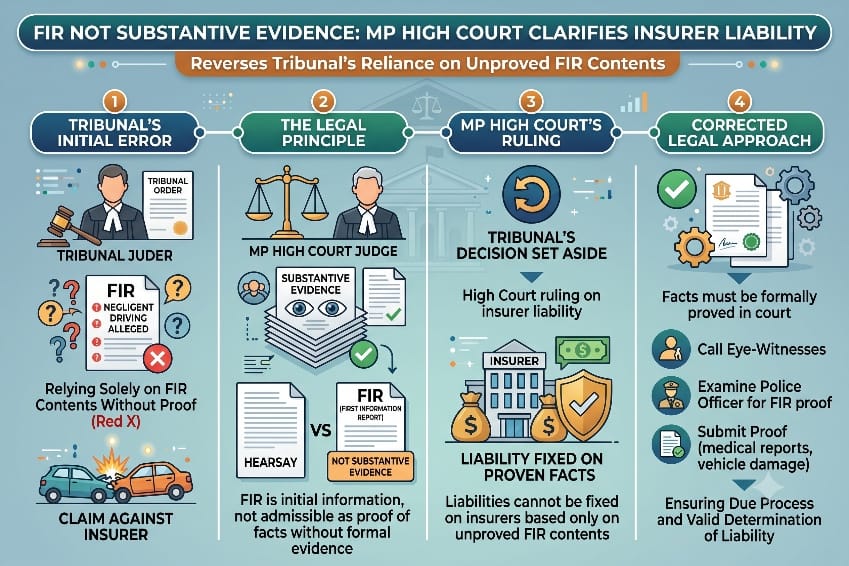
Anil Kumar Patel v. Smt. Munni Bai Barman and Others | High Court of Madhya Pradesh, Jabalpur | 1st September, 2026 A Motor Vehicle Act appeal under Section 173 1 against a Claims…
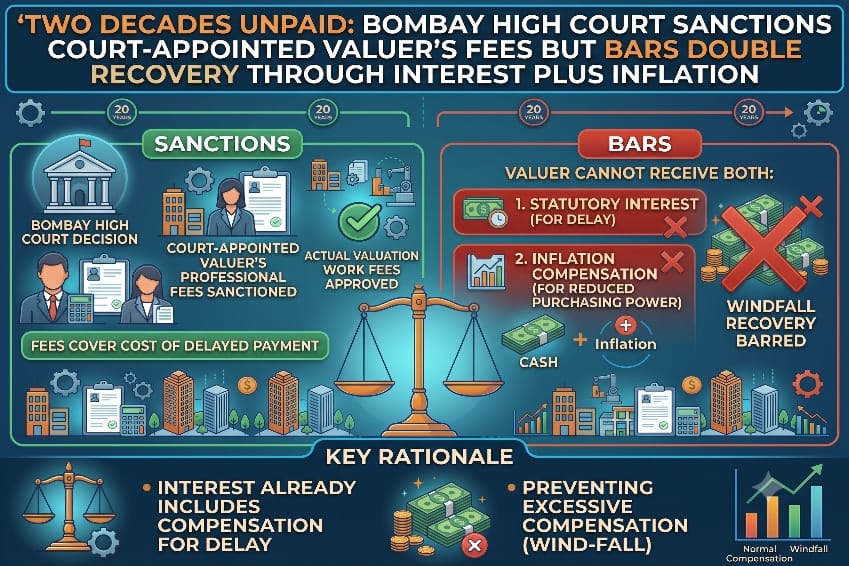
M/s. Kuber Mutual Benefits Ltd. & Ors. v. The State of Maharashtra & Ors. | High Court of Judicature at Bombay Appellate Side | 3rd September, 2026 A Court Receiver's Report…
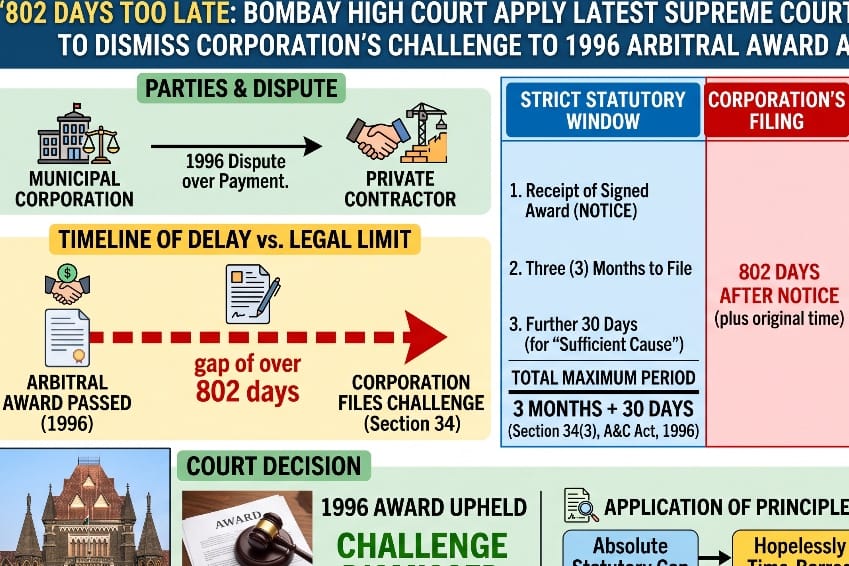
The Municipal Corporation of Greater Bombay v. M/s. Atul Raj Builders Pvt. Ltd. | High Court of Judicature at Bombay Ordinary Original Civil Jurisdiction | 3rd September, 2026 A…
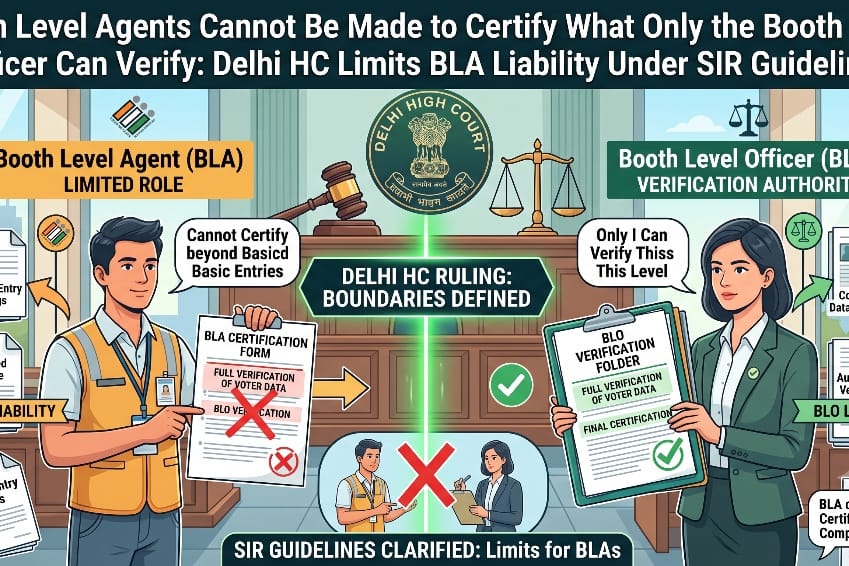
Devender Yadav & Anr. v. Election Commission of India & Anr. | High Court of Delhi Single Judge | Decided on: 03.09.2026 In a challenge to the Election Commission of India's…
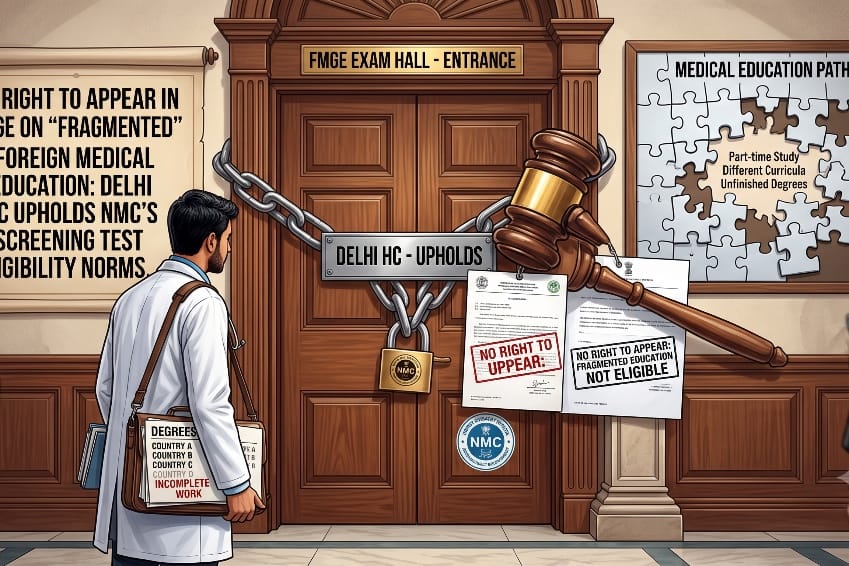
Brij Sharadbhai Bhatt & Ors. v. National Medical Commission & Ors. | High Court of Delhi Division Bench | Decided on: 03.09.2026 The Delhi High Court dismissed a challenge by…