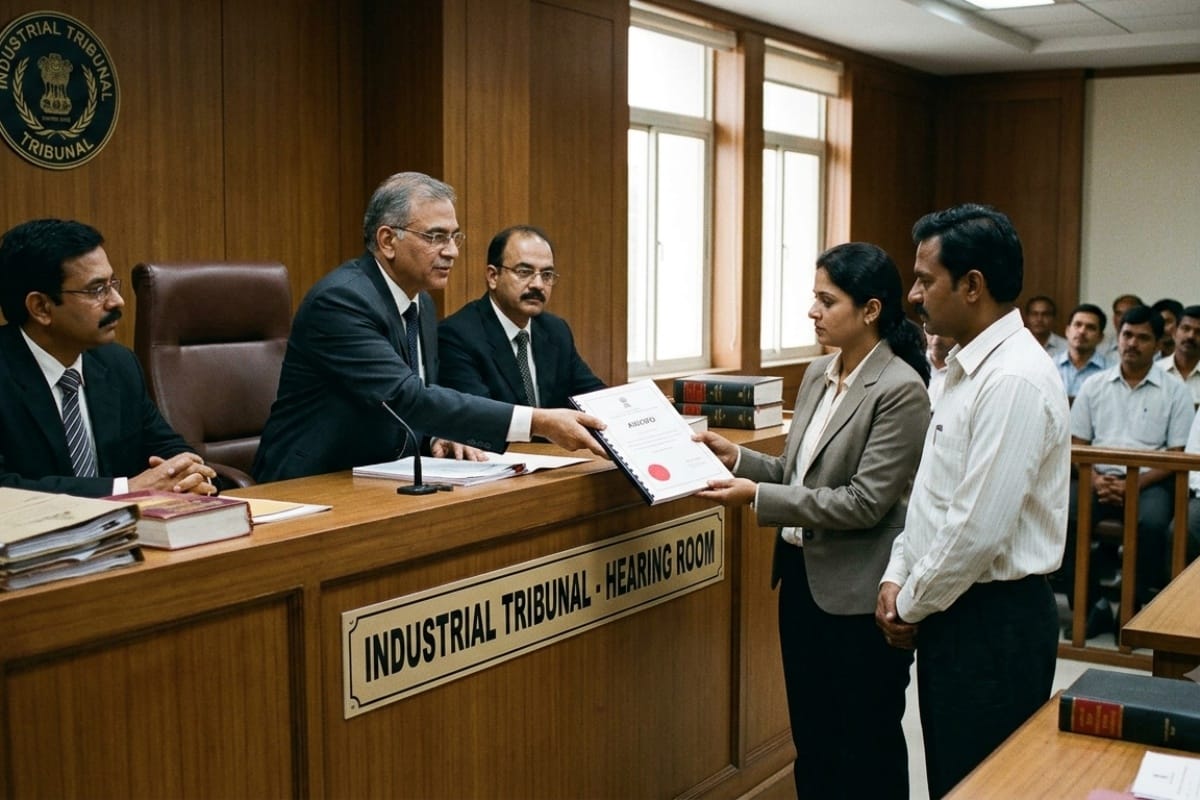
Deciding two connected writ petitions arising from a common Industrial Tribunal Award, the Delhi High Court set aside the Tribunal's direction granting hotel workmen a further…
Labour Laws
06/09/20264 min read
Update / Judgement Date
07 Nov 2025
Source
WCP News Bulletin
Author
Sakshi Bhardwaj — WCP Legal Desk
Reading Time
3 min read

The Kerala High Court set aside the State Government’s order denying building tax exemption to a spice manufacturing unit and remanded the matter for reconsideration. The Court held that the Government erred in relying solely on the absence of a licence under the Factories Act and insufficient number of employees to reject the claim for exemption under Section 3(1)(b) of the Kerala Building Tax Act, 1975. It observed that the term “factory” is not defined in the Act, and the reference to the Factories Act for interpreting the same was
unwarranted.
• The appellant, George Stephen, owned buildings (Nos. 7/452 and 7/519) in Thuravoor Grama Panchayat, where he operated a spice powder manufacturing unit.
• He was assessed to building tax under the Kerala Building Tax Act, 1975, though he claimed exemption under Section 3(1)(b), which exempts buildings used principally as factories or workshops.
• Following a prior High Court order (W.P.(C) No. 7454/2009), the matter was reconsidered, but the Government issued an order (Ext. P2 dated 17.10.2016) denying exemption on the grounds that (a) the unit lacked a valid factory licence from the Department of Factories and Boilers, and (b) it had only four employees.
• A consequent tax demand (Ext. P3) was issued. The appellant’s challenge in W.P.(C) No. 1844/2017 was dismissed by a Single Judge on 18.12.2024, prompting the present appeal.
• The Court found that the Building Tax Act does not define the term “factory” and does not expressly refer to the Factories Act, 1948, for determining its meaning. Hence, reliance on the Factories Act to interpret the term was misplaced.
• The appellant had subsequently produced relevant licences — including one from the Department of Factories and Boilers and another from the Industries Department dated 25.04.2015 — which were not considered earlier.
• The Bench noted that the key test under Section 3(1)(b) is whether the building is used principally as a factory or workshop, not necessarily whether it meets the headcount or registration criteria of the Factories Act.
• Given the fresh evidence and the erroneous approach of the authorities, the Court deemed it appropriate to remand the matter for a fresh decision.
• The writ appeal was allowed.
• The judgment of the Single Judge dated 18.12.2024, the Government order (Ext. P2), and the tax demand (Ext. P3) were set aside.
• The Government was directed to reconsider the appellant’s claim for exemption afresh in light of the newly produced documents, within four months from the date of judgment.
• Section 3(1)(b), Kerala Building Tax Act, 1975 – Exemption for buildings used principally as factories or workshops.
• Factories Act, 1948 – Referred to but held inapplicable for defining “factory” under the Building Tax Act.
• Article 226, Constitution of India – High Court’s writ jurisdiction.
Citation: 2025:KER:84366
Case: George Stephen v. Tahsildar, Aluva & Ors.
Court: High Court of Kerala at Ernakulam
Coram: Justice A. Muhamed Mustaque & Justice Harisankar V. Menon
Date of Decision: 7 November 2025
Writ Appeal No.: 2196 of 2025 (arising out of W.P.(C) No. 1844 of 2017)
Deciding two connected writ petitions arising from a common Industrial Tribunal Award, the Delhi High Court set aside the Tribunal's direction granting hotel workmen a further…
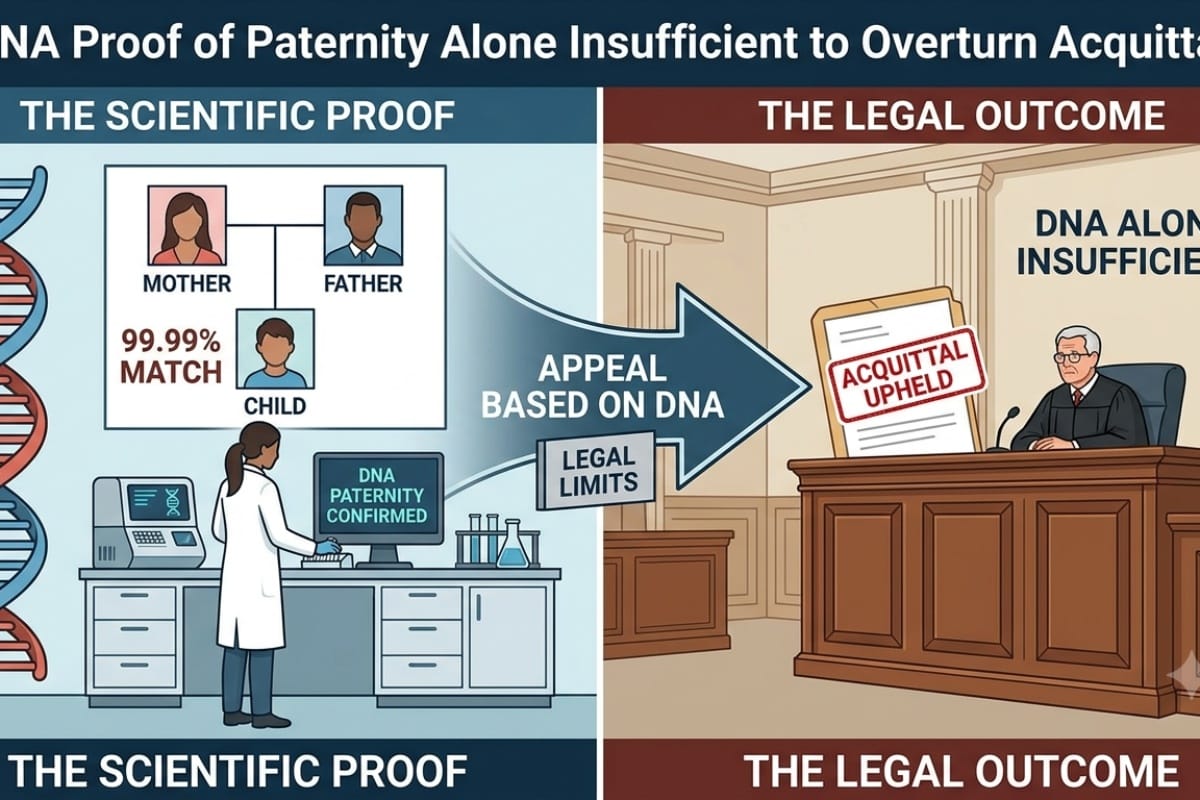
Headnote The Delhi High Court dismissed a prosecutrix's appeal against acquittal of the accused on charges under Sections 328/376 2 n /377/506/509 IPC, despite DNA evidence…
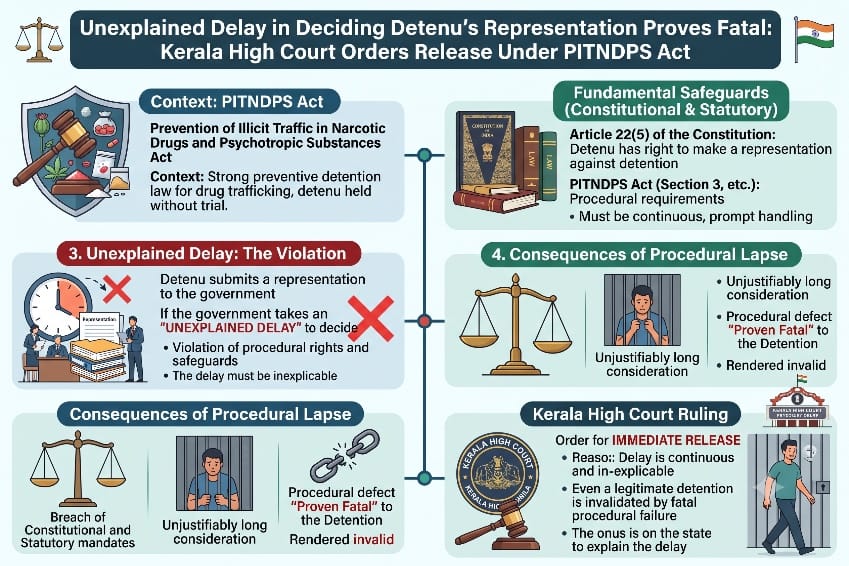
Fathimath Thasneem V.K. v. Union of India and Others | High Court of Kerala at Ernakulam | 3rd September, 2026 A habeas corpus writ petition by the wife of a detenu challenging…
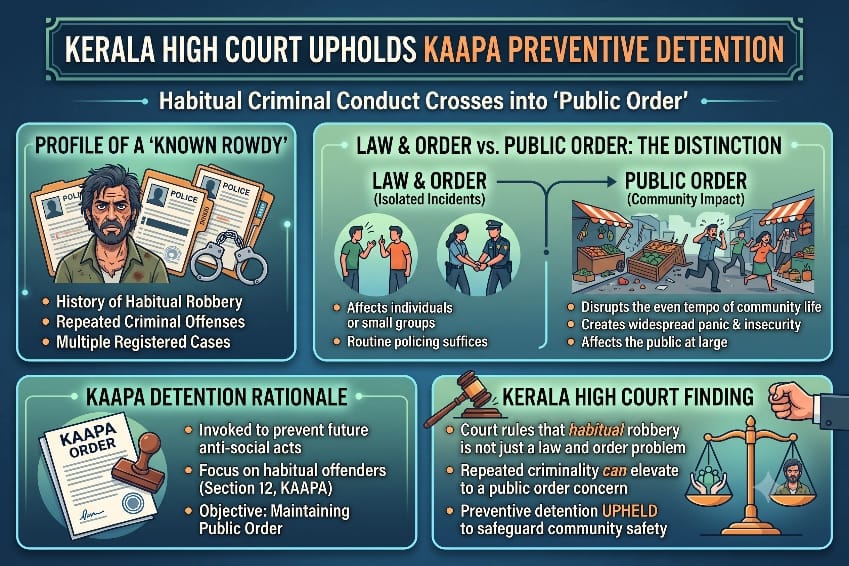
Thasmitha Abukutty v. State of Kerala and Others | High Court of Kerala at Ernakulam | 2nd September, 2026 A writ petition by the wife of a preventive detenu challenging a…
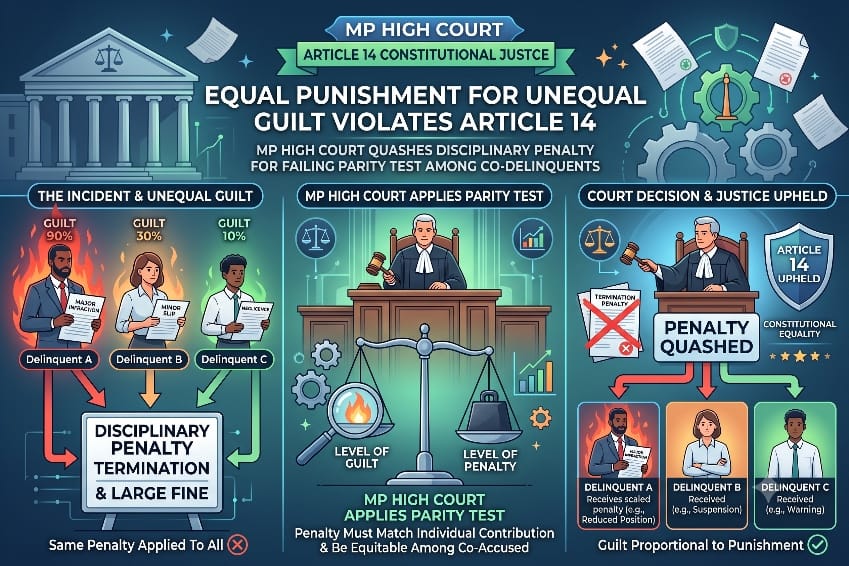
Brahm Kishore Dixit v. The State of Madhya Pradesh and Others | High Court of Madhya Pradesh, Gwalior | 1st September, 2026 A writ petition under Article 226 by a police Assistant…
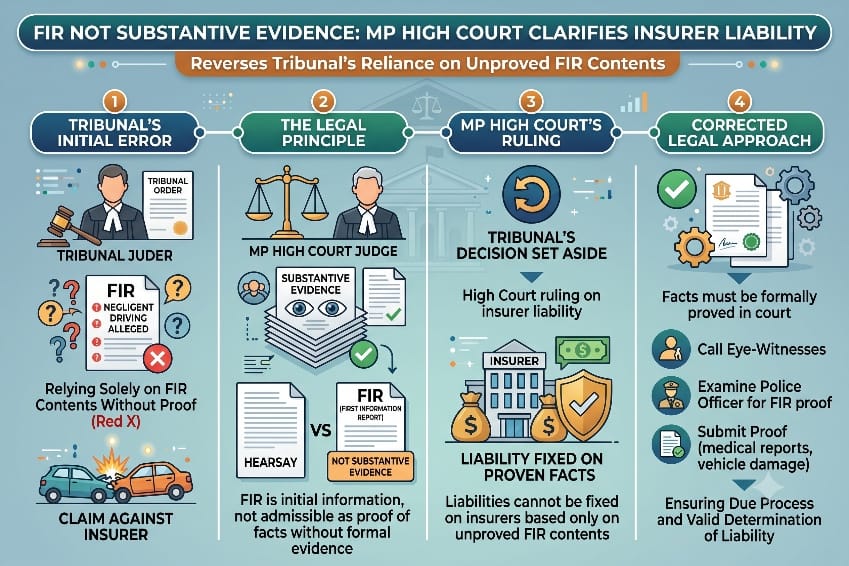
Anil Kumar Patel v. Smt. Munni Bai Barman and Others | High Court of Madhya Pradesh, Jabalpur | 1st September, 2026 A Motor Vehicle Act appeal under Section 173 1 against a Claims…
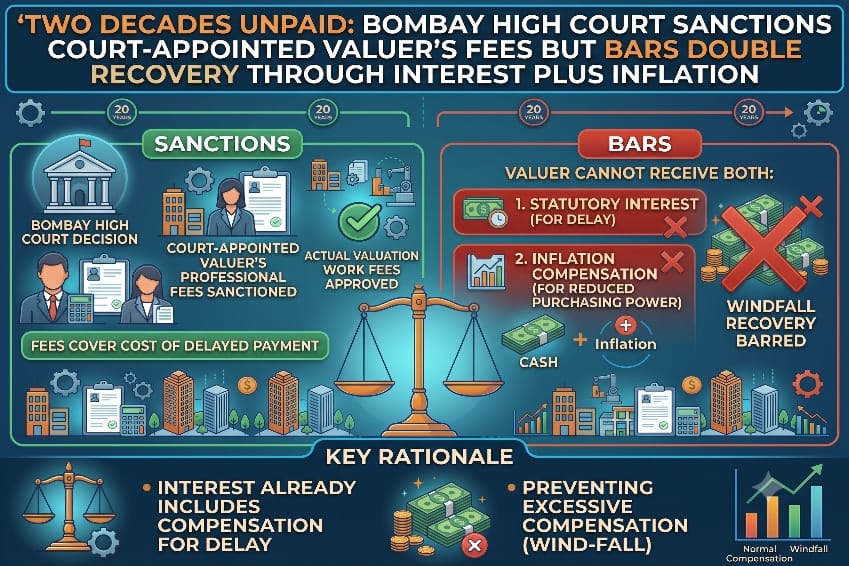
M/s. Kuber Mutual Benefits Ltd. & Ors. v. The State of Maharashtra & Ors. | High Court of Judicature at Bombay Appellate Side | 3rd September, 2026 A Court Receiver's Report…
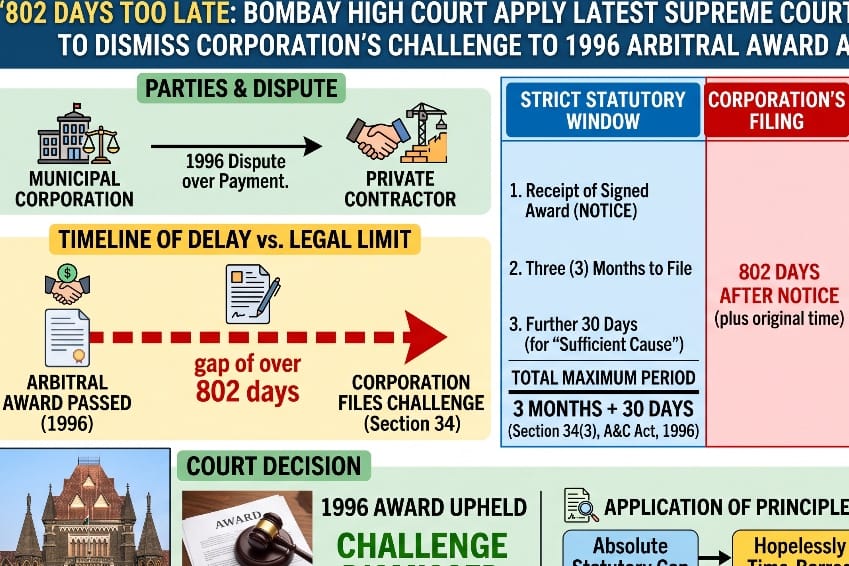
The Municipal Corporation of Greater Bombay v. M/s. Atul Raj Builders Pvt. Ltd. | High Court of Judicature at Bombay Ordinary Original Civil Jurisdiction | 3rd September, 2026 A…
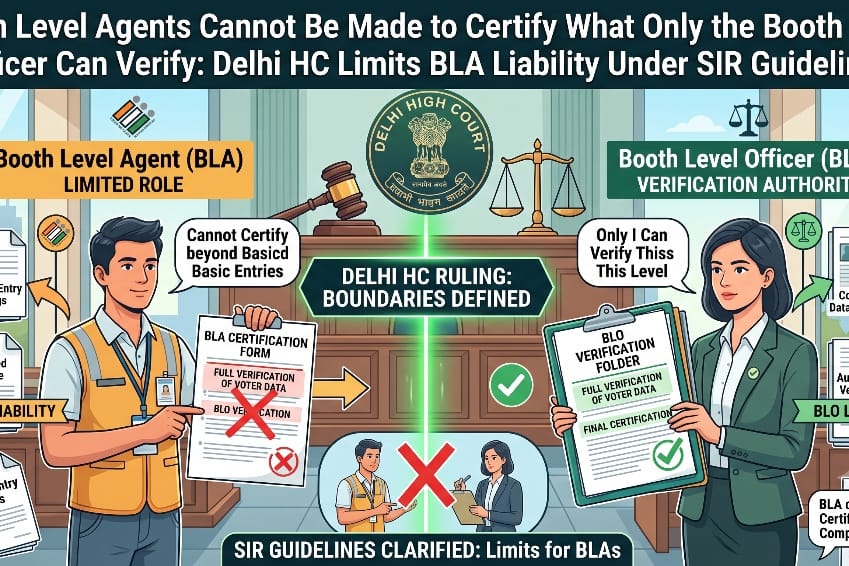
Devender Yadav & Anr. v. Election Commission of India & Anr. | High Court of Delhi Single Judge | Decided on: 03.09.2026 In a challenge to the Election Commission of India's…
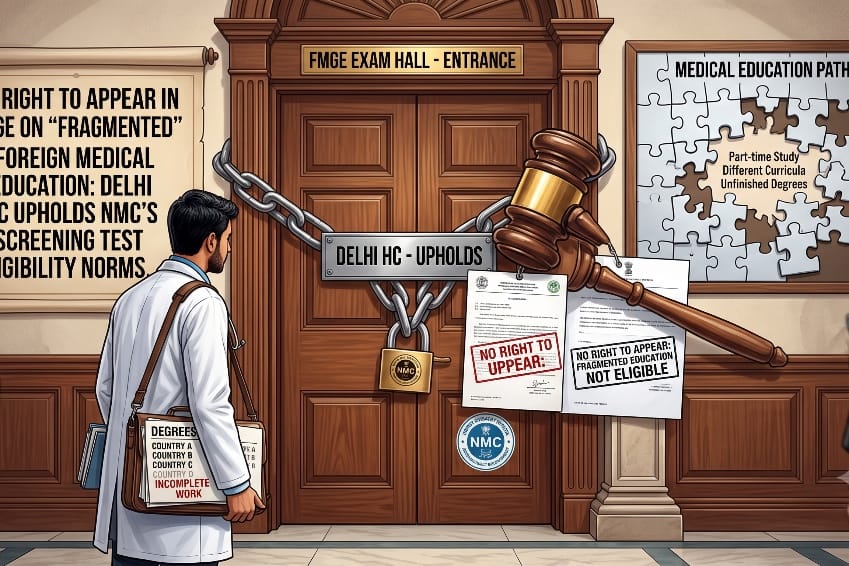
Brij Sharadbhai Bhatt & Ors. v. National Medical Commission & Ors. | High Court of Delhi Division Bench | Decided on: 03.09.2026 The Delhi High Court dismissed a challenge by…