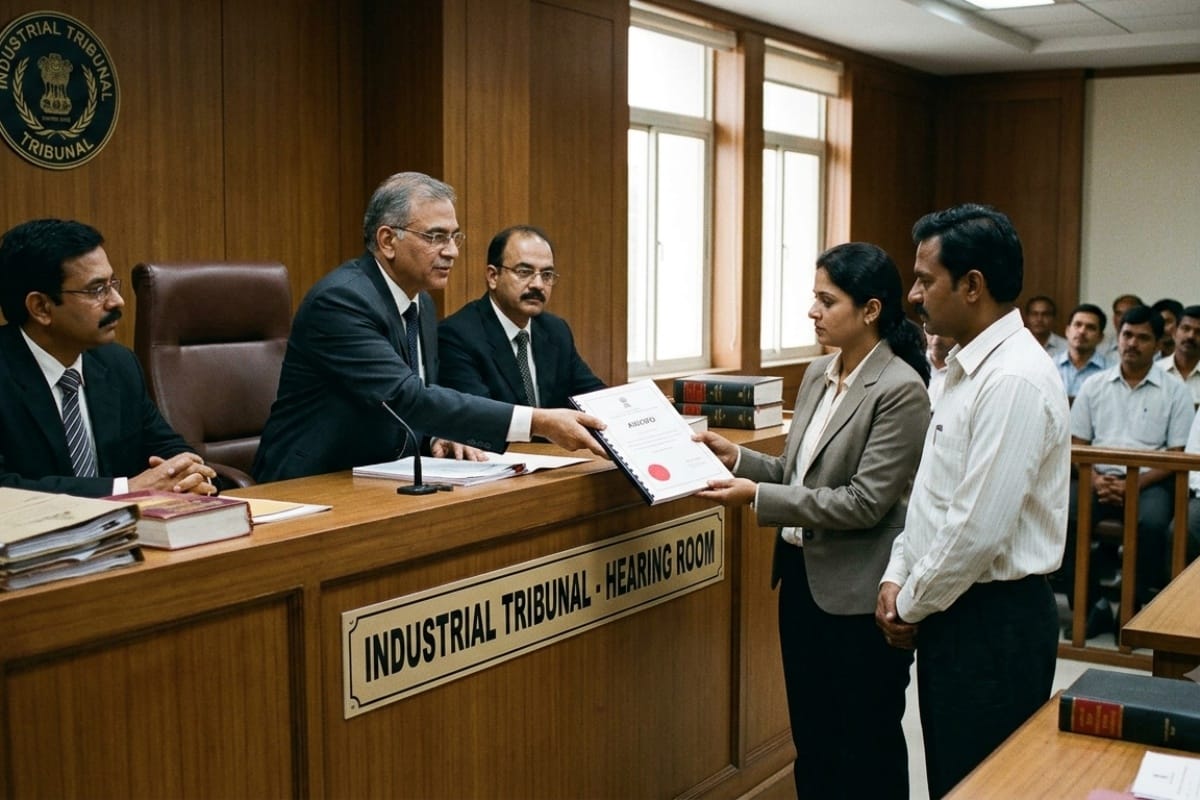
Deciding two connected writ petitions arising from a common Industrial Tribunal Award, the Delhi High Court set aside the Tribunal's direction granting hotel workmen a further…
Labour Laws
06/09/20264 min read
Update / Judgement Date
29 Sept 2025
Source
WCP News Bulletin
Author
Sakshi Bhardwaj — WCP Legal Desk
Reading Time
3 min read
Headnote:
In a notable ruling, the Delhi Income Tax Appellate Tribunal (ITAT) held that a U.S.-based BPO service provider operating through its Indian subsidiary did not constitute a Permanent Establishment (PE) under Article 5 of the India–U.S. Double Taxation Avoidance Agreement (DTAA). The Tribunal also rejected the taxability of IPLC/telecom link charges as “royalty” under Section 9(1)(vi) of the Income Tax Act or under the DTAA. Accordingly, no business profits could be attributed, and the interest and penalties were to be recalculated. Additionally, the Tribunal highlighted that non-mention of the Document Identification Number (DIN) could impact the validity of assessment orders.
Background:
The assessee, a tax resident of the United States, provided IT-enabled BPO and call center services to global clients. It engaged its Indian subsidiary, Concentrix Daksh Services India Pvt. Ltd. (CIS), for support services. The Assessing Officer (AO) alleged that CIS created a Fixed Place PE, Service PE, and Dependent Agent PE (DAPE) in India under Article 5 of the India–U.S. DTAA. Further, the AO categorized IPLC/telecom link charges paid to foreign vendors as “equipment royalty”, attracting tax under both Indian law and the treaty. The assessee challenged the existence of PE, profit attribution, and the royalty characterization of the link charges.
Key Arguments:
Assessee:
Revenue:
Tribunal’s Findings:
The Delhi ITAT granted complete relief to the U.S. assessee, affirming that no PE existed, no business profits were taxable, and link charges did not qualify as royalty. The ruling reaffirms key international tax principles, stresses the need for procedural compliance, and offers clarity on PE constitution in outsourcing models. It serves as a vital precedent for cross-border BPO and IT service structures.
Case Title:
Concentrix Services Netherlands B.V. v. DCIT
Bench: ITAT – Delhi Bench
Deciding two connected writ petitions arising from a common Industrial Tribunal Award, the Delhi High Court set aside the Tribunal's direction granting hotel workmen a further…
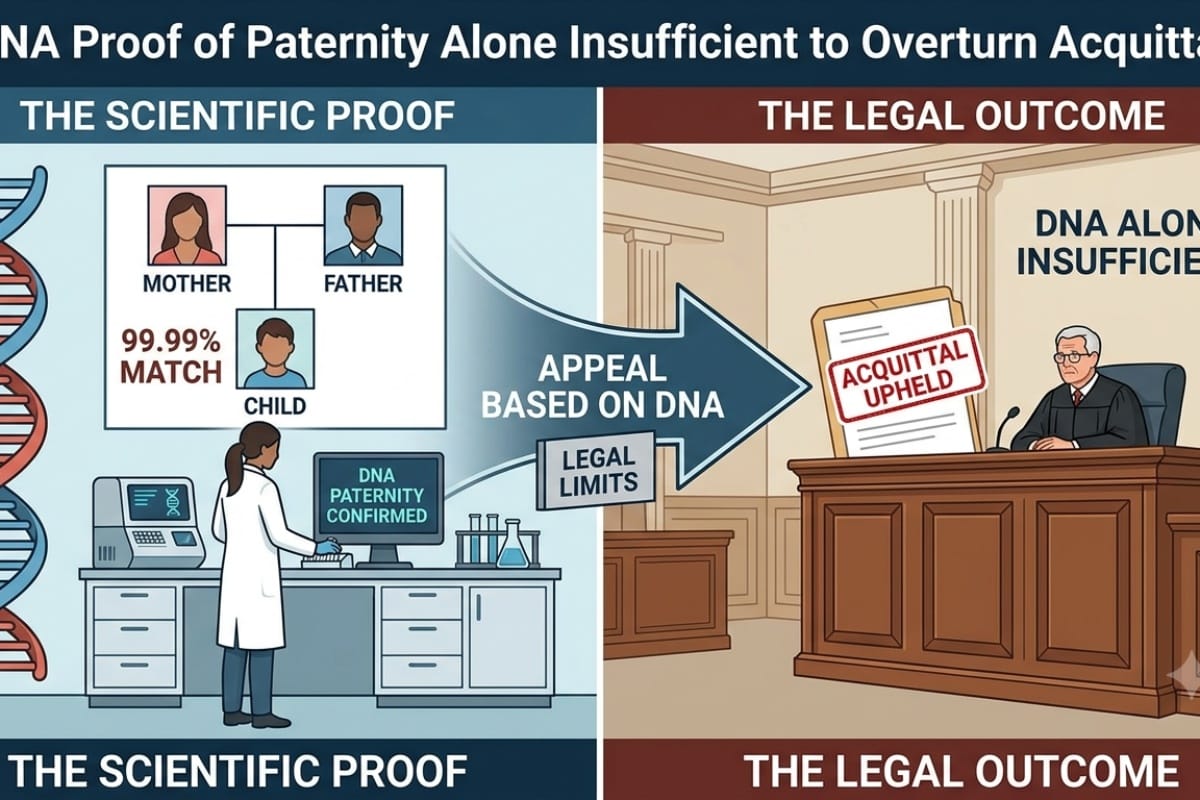
Headnote The Delhi High Court dismissed a prosecutrix's appeal against acquittal of the accused on charges under Sections 328/376 2 n /377/506/509 IPC, despite DNA evidence…
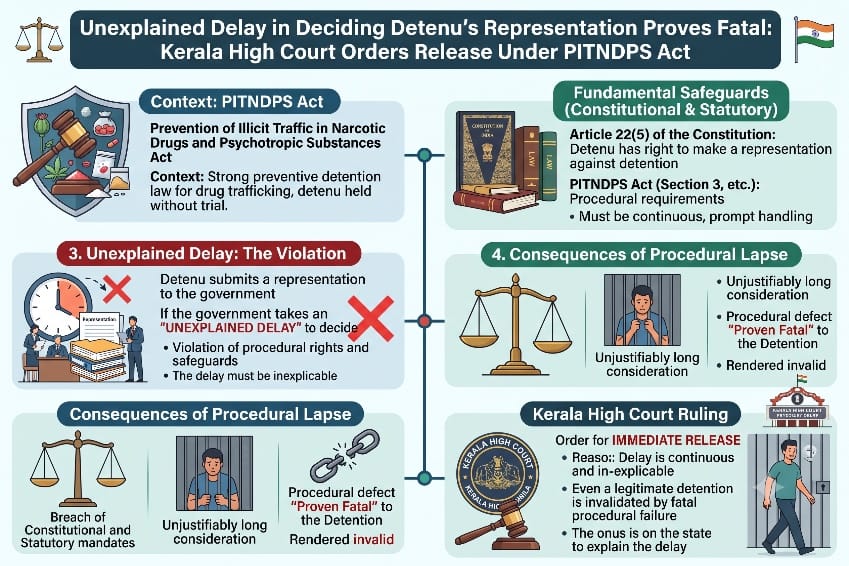
Fathimath Thasneem V.K. v. Union of India and Others | High Court of Kerala at Ernakulam | 3rd September, 2026 A habeas corpus writ petition by the wife of a detenu challenging…
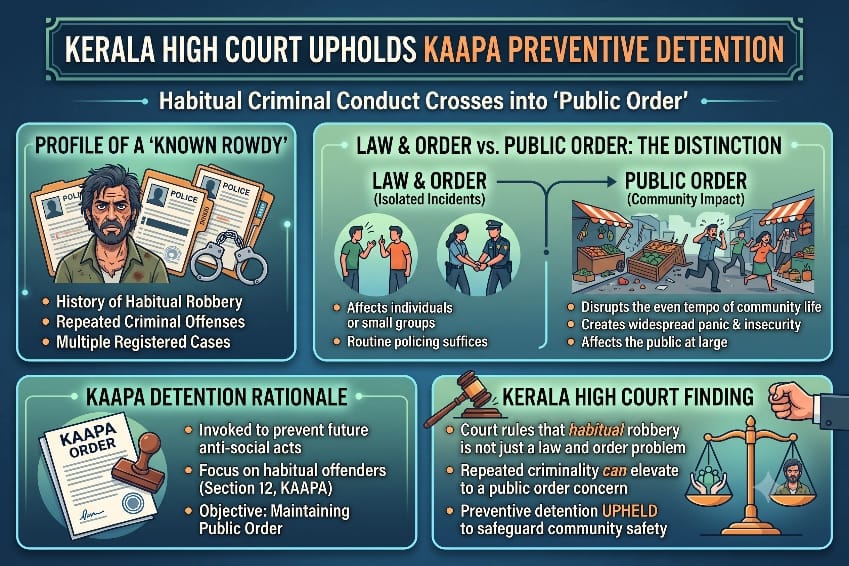
Thasmitha Abukutty v. State of Kerala and Others | High Court of Kerala at Ernakulam | 2nd September, 2026 A writ petition by the wife of a preventive detenu challenging a…
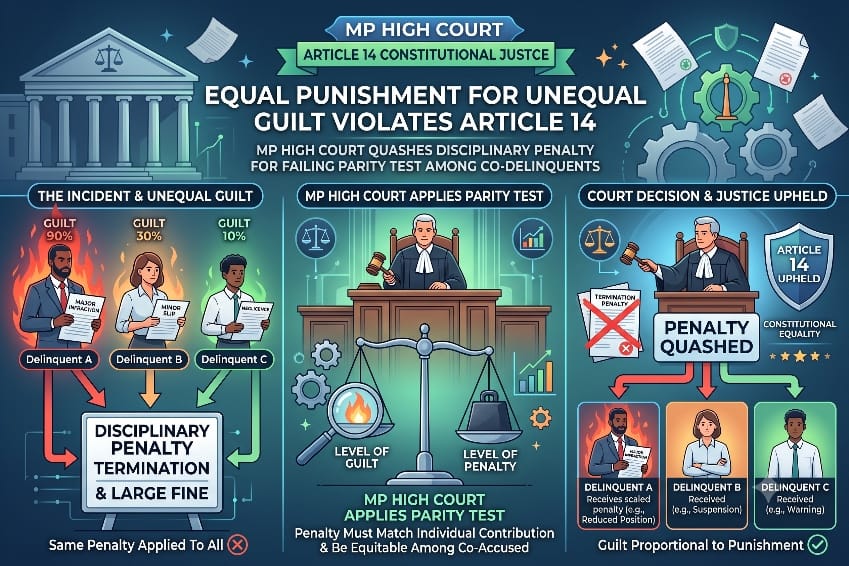
Brahm Kishore Dixit v. The State of Madhya Pradesh and Others | High Court of Madhya Pradesh, Gwalior | 1st September, 2026 A writ petition under Article 226 by a police Assistant…
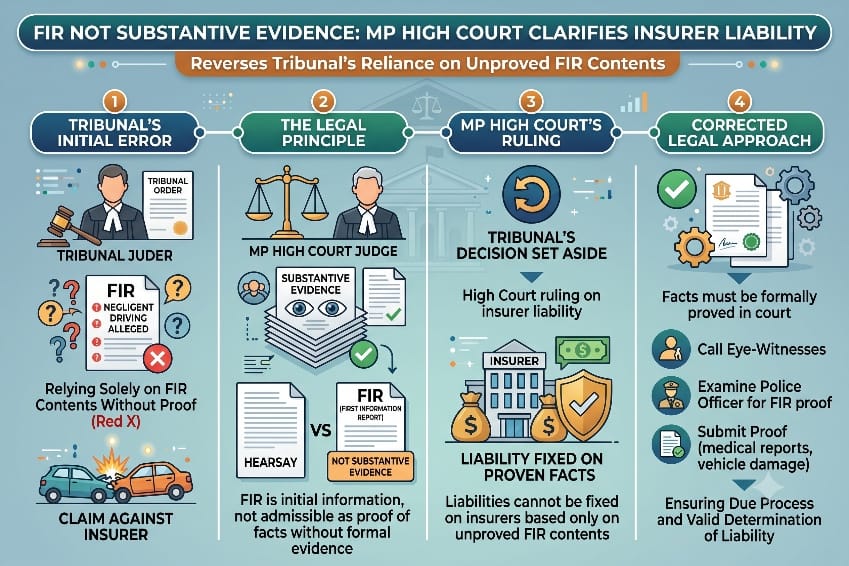
Anil Kumar Patel v. Smt. Munni Bai Barman and Others | High Court of Madhya Pradesh, Jabalpur | 1st September, 2026 A Motor Vehicle Act appeal under Section 173 1 against a Claims…
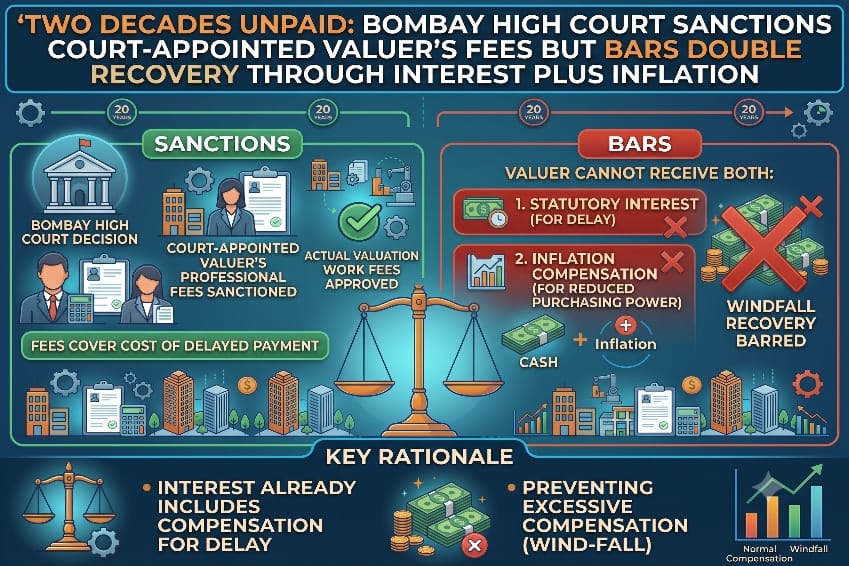
M/s. Kuber Mutual Benefits Ltd. & Ors. v. The State of Maharashtra & Ors. | High Court of Judicature at Bombay Appellate Side | 3rd September, 2026 A Court Receiver's Report…
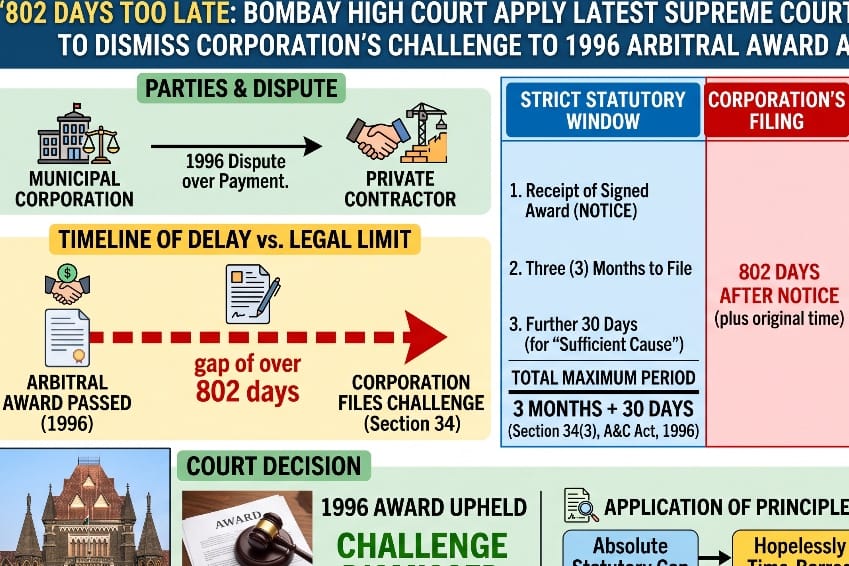
The Municipal Corporation of Greater Bombay v. M/s. Atul Raj Builders Pvt. Ltd. | High Court of Judicature at Bombay Ordinary Original Civil Jurisdiction | 3rd September, 2026 A…
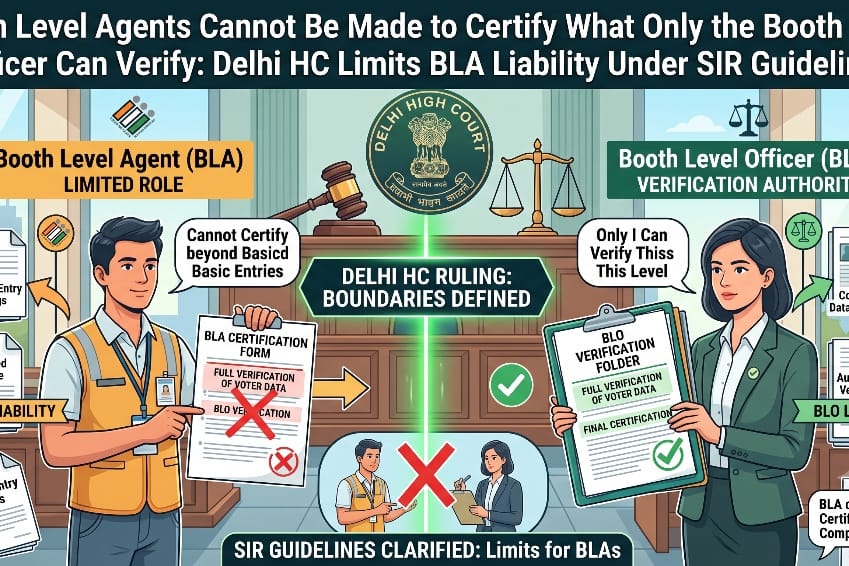
Devender Yadav & Anr. v. Election Commission of India & Anr. | High Court of Delhi Single Judge | Decided on: 03.09.2026 In a challenge to the Election Commission of India's…
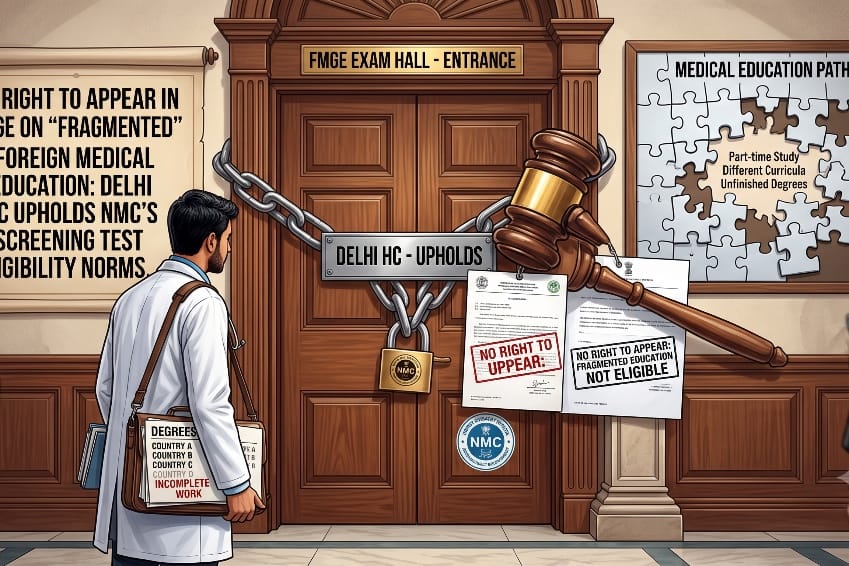
Brij Sharadbhai Bhatt & Ors. v. National Medical Commission & Ors. | High Court of Delhi Division Bench | Decided on: 03.09.2026 The Delhi High Court dismissed a challenge by…