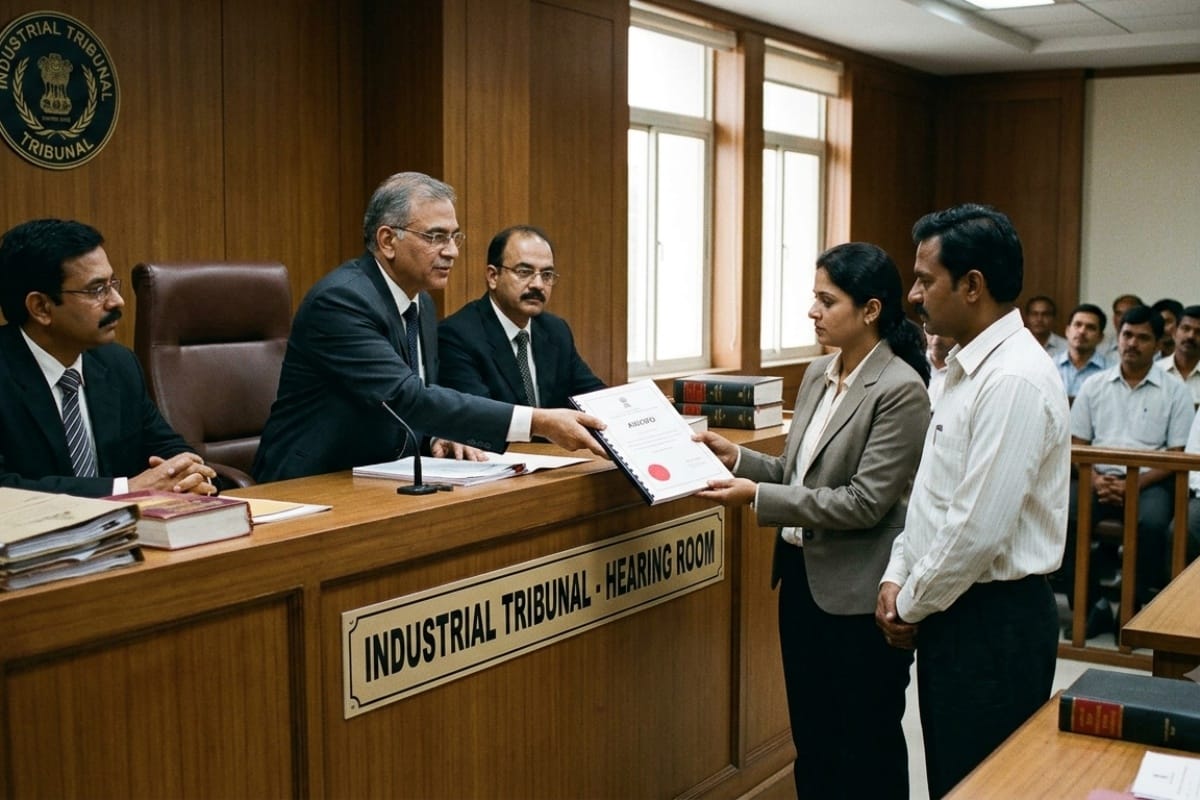
Deciding two connected writ petitions arising from a common Industrial Tribunal Award, the Delhi High Court set aside the Tribunal's direction granting hotel workmen a further…
Labour Laws
06/09/20264 min read
Update / Judgement Date
09 Oct 2025
Source
WCP News Bulletin
Author
Sakshi Bhardwaj — WCP Legal Desk
Reading Time
3 min read
Headnote:
Petitioner, a permanent employee of MSEDCL, suffered a cerebrovascular accident in April 2018, resulting in speech and language disability. Despite obtaining medical fitness certificates, the petitioner was repeatedly subjected to multiple medical examinations by the Civil Surgeon, Standing Medical Board, and MSEDCL Medical Advisor. Ultimately, the Standing Medical Board declared him unfit for duty, leading to termination of service in April 2023. Petitioner challenged termination under Article 226 of the Constitution.
The Court held that the Rights of Persons with Disabilities Act, 2016 is beneficial legislation, which protects employees acquiring disability during service from termination or reduction in rank, mandates reasonable accommodation, and provides for placement in supernumerary posts if reassignment is not immediately possible. Multiple medical examinations imposed on the petitioner were unnecessary and contrary to the Act’s rights-based approach. MSEDCL Employees Service Regulations, 2005 cannot override the Central legislation.
Background:
Petitioner was appointed temporary Junior Clerk in 2003, made permanent in 2004. In April 2018, petitioner suffered a severe brain disease requiring surgery. After recovery, he applied to rejoin service, providing a fitness certificate. Respondents repeatedly required medical examinations, culminating in a Standing Medical Board report declaring him unfit in June 2022. Petitioner subsequently obtained a Disability Certificate confirming 93% permanent speech and language disability under the Disabilities Act, 2016. Termination by MSEDCL on medical grounds was challenged before the Court.
Court Opinion/Analyses:
Decision / Relief Granted:
Held: Termination order quashed. Petitioner reinstated with arrears; if no suitable post is available, petitioner to be placed on supernumerary post until a suitable post arises or until superannuation. Arrears to carry interest if not paid within four weeks.
Legal Provisions Concerned:
Case No|WP-1671-2024|
Court|High Court of Judicature at Bombay, Civil Appellate Jurisdiction|
Coram|M.S. Karnik & N.R. Borkar, JJ.|
Date of Decision|10th October, 2025
Deciding two connected writ petitions arising from a common Industrial Tribunal Award, the Delhi High Court set aside the Tribunal's direction granting hotel workmen a further…
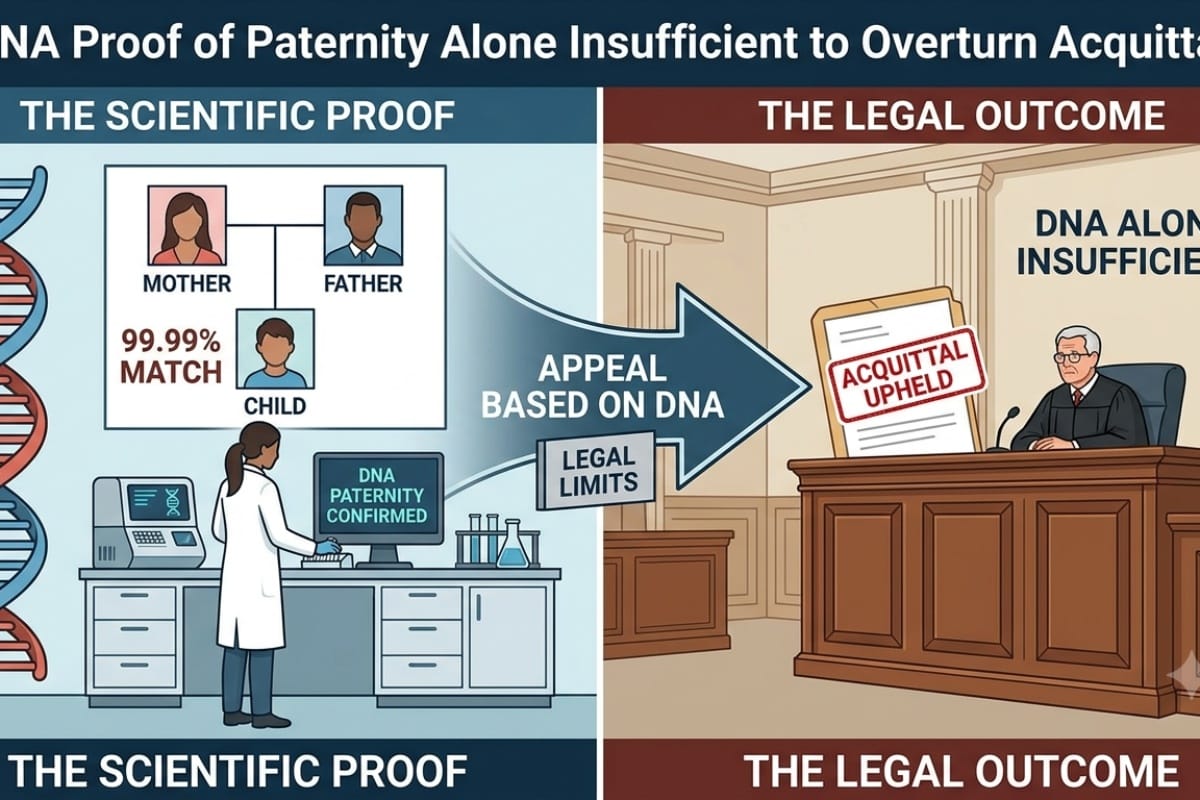
Headnote The Delhi High Court dismissed a prosecutrix's appeal against acquittal of the accused on charges under Sections 328/376 2 n /377/506/509 IPC, despite DNA evidence…
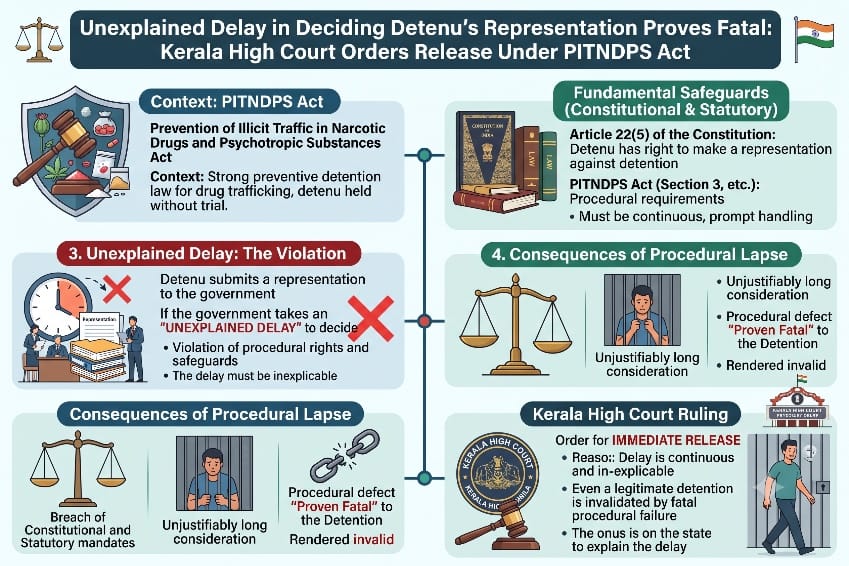
Fathimath Thasneem V.K. v. Union of India and Others | High Court of Kerala at Ernakulam | 3rd September, 2026 A habeas corpus writ petition by the wife of a detenu challenging…
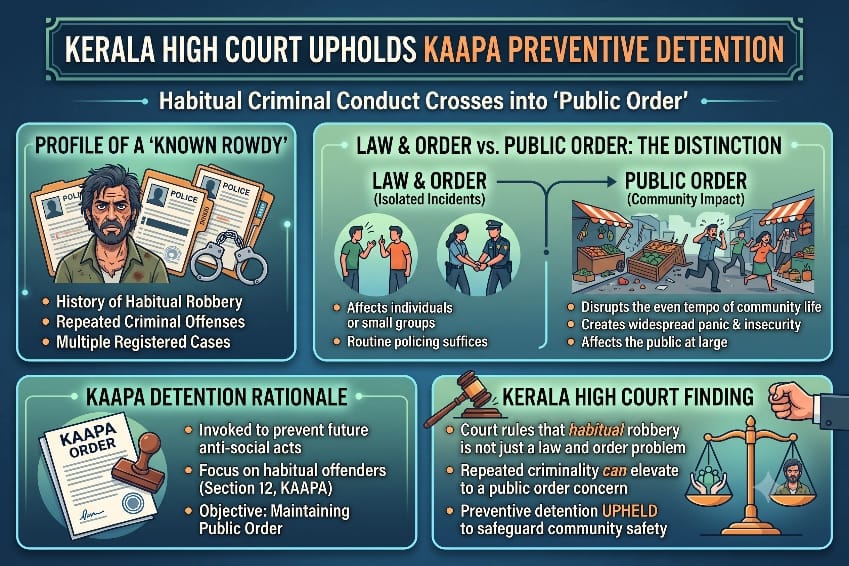
Thasmitha Abukutty v. State of Kerala and Others | High Court of Kerala at Ernakulam | 2nd September, 2026 A writ petition by the wife of a preventive detenu challenging a…
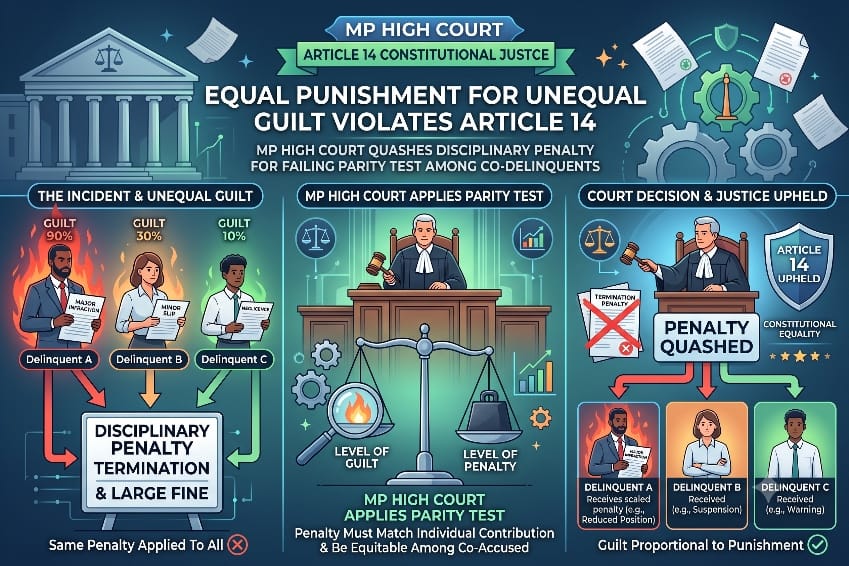
Brahm Kishore Dixit v. The State of Madhya Pradesh and Others | High Court of Madhya Pradesh, Gwalior | 1st September, 2026 A writ petition under Article 226 by a police Assistant…
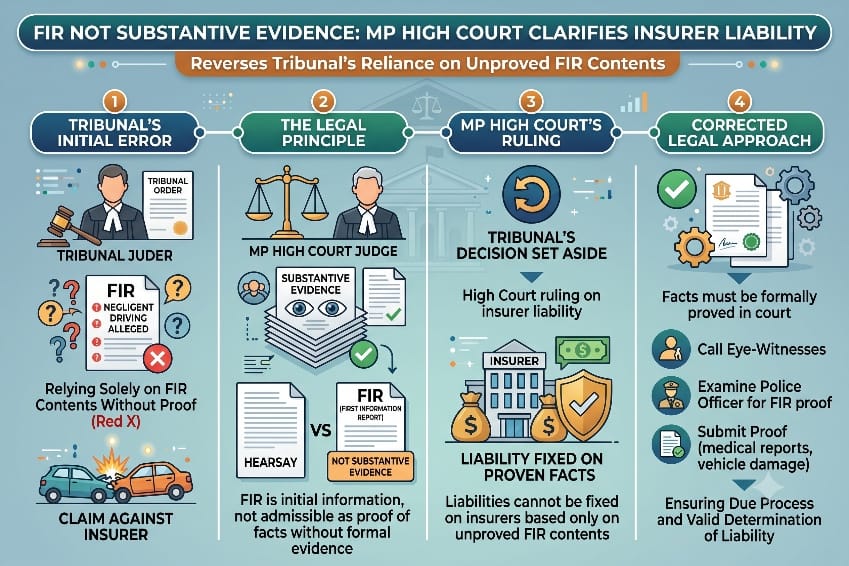
Anil Kumar Patel v. Smt. Munni Bai Barman and Others | High Court of Madhya Pradesh, Jabalpur | 1st September, 2026 A Motor Vehicle Act appeal under Section 173 1 against a Claims…
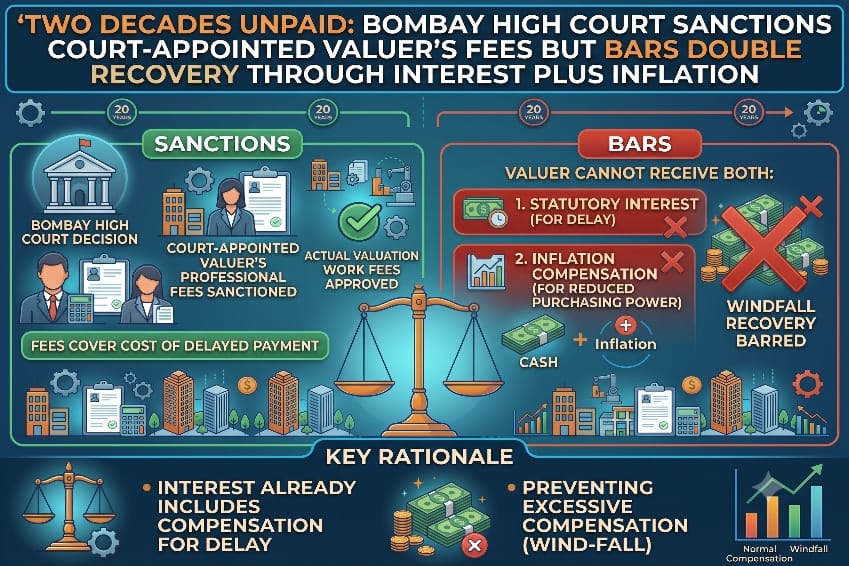
M/s. Kuber Mutual Benefits Ltd. & Ors. v. The State of Maharashtra & Ors. | High Court of Judicature at Bombay Appellate Side | 3rd September, 2026 A Court Receiver's Report…
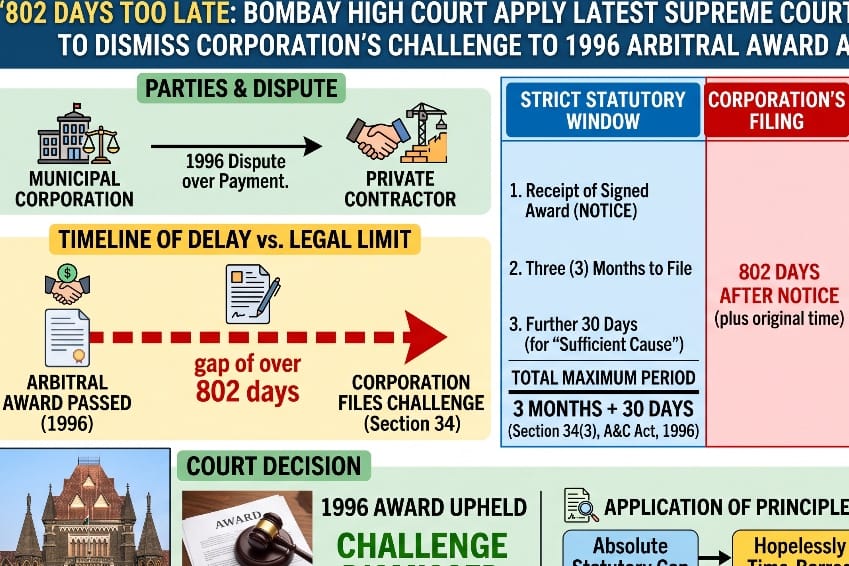
The Municipal Corporation of Greater Bombay v. M/s. Atul Raj Builders Pvt. Ltd. | High Court of Judicature at Bombay Ordinary Original Civil Jurisdiction | 3rd September, 2026 A…
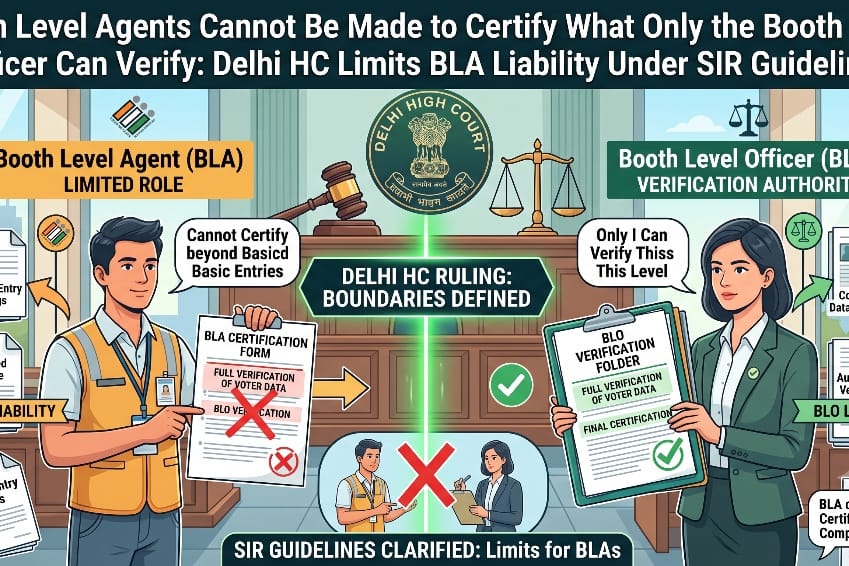
Devender Yadav & Anr. v. Election Commission of India & Anr. | High Court of Delhi Single Judge | Decided on: 03.09.2026 In a challenge to the Election Commission of India's…
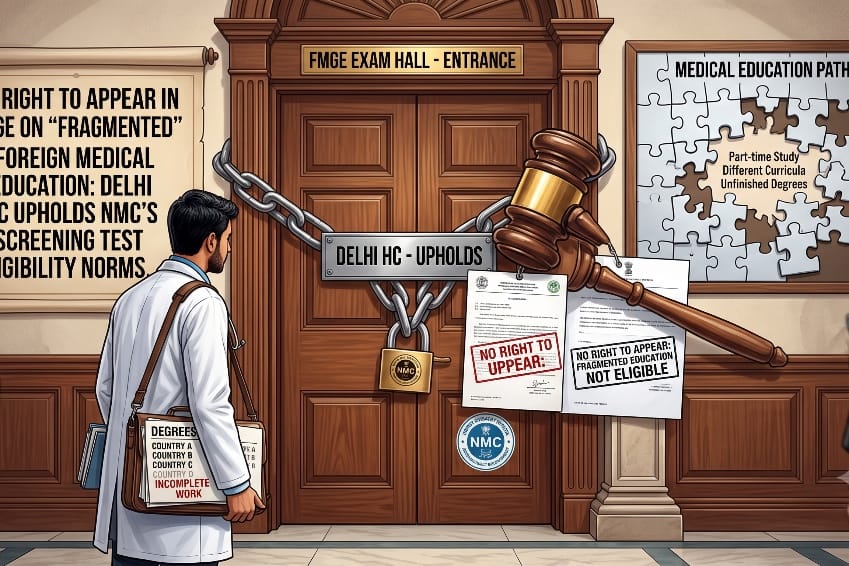
Brij Sharadbhai Bhatt & Ors. v. National Medical Commission & Ors. | High Court of Delhi Division Bench | Decided on: 03.09.2026 The Delhi High Court dismissed a challenge by…