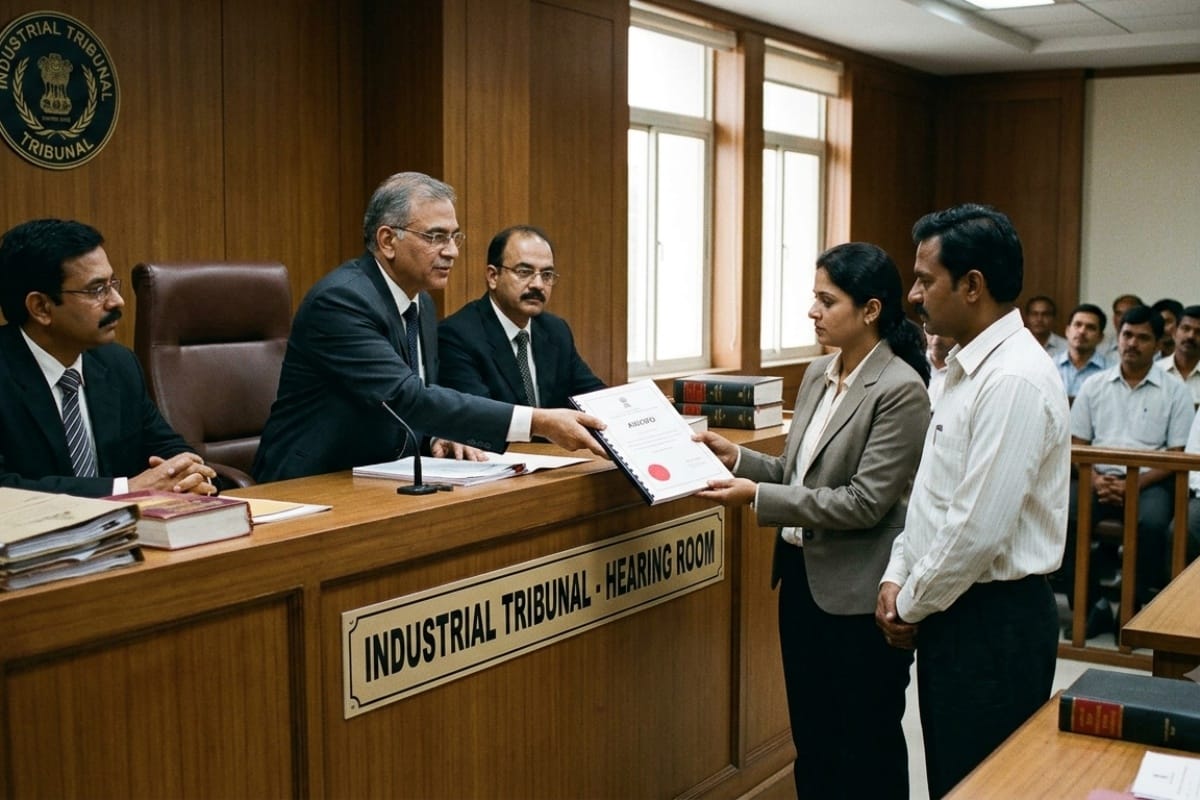
Deciding two connected writ petitions arising from a common Industrial Tribunal Award, the Delhi High Court set aside the Tribunal's direction granting hotel workmen a further…
Labour Laws
06/09/20264 min read
Update / Judgement Date
07 Oct 2025
Source
WCP News Bulletin
Author
Sakshi Bhardwaj — WCP Legal Desk
Reading Time
2 min read
Headnote:
The Enforcement Directorate (ED) has introduced a new digital system for issuing and verifying summons under the Prevention of Money Laundering Act (PMLA) and the Foreign Exchange Management Act (FEMA). Each summons will now bear a unique QR code and passcode to verify authenticity on the official ED website. The move follows multiple instances of fraudulent summons and impersonation attempts by conmen seeking extortion. The ED has also cautioned the public against fake “digital arrest” scams, reaffirming that all arrests under PMLA are made physically following due legal process.
Background:
During investigations under Section 50(2) of the PMLA, 2002 and Section 37 of the FEMA, 1999, the ED issues summons to individuals and entities. However, several recent cases have exposed attempts by unscrupulous individuals impersonating ED officers, who issued fake summons for cheating and extortion. These counterfeit notices closely resembled genuine ones, making it difficult for recipients to differentiate between authentic and forged documents.
To prevent such fraudulent activities, the ED has implemented a system-based summons generation mechanism. Under this mechanism, every summons will contain a QR code and a unique passcode printed at the bottom of the document. All ED officials have been instructed to issue summons only through this system, except in exceptional circumstances. Each genuine summons will also carry the signature, stamp, official email ID, and contact number of the issuing officer.
ED Advisory: No Concept of Digital Arrest:
The ED has warned the public about rising cases of scammers impersonating ED officers and threatening individuals with “digital arrest” or “online arrest” using fake orders. The agency clarified that there is no provision for digital or online arrest under the PMLA, 2002.
All arrests conducted by the ED are made physically in person, following due legal process. Citizens are urged not to respond to fraudulent calls, messages, or emails claiming to represent the Directorate or demanding money to avoid arrest.
Public Advisory and Commitment:
The Enforcement Directorate reiterates its commitment to uphold transparency and safeguard the public from fraudulent practices. Individuals are advised to:
The Directorate reaffirmed its zero-tolerance policy towards impersonation and extortion and urged citizens to remain vigilant against such fraudulent schemes.
Deciding two connected writ petitions arising from a common Industrial Tribunal Award, the Delhi High Court set aside the Tribunal's direction granting hotel workmen a further…
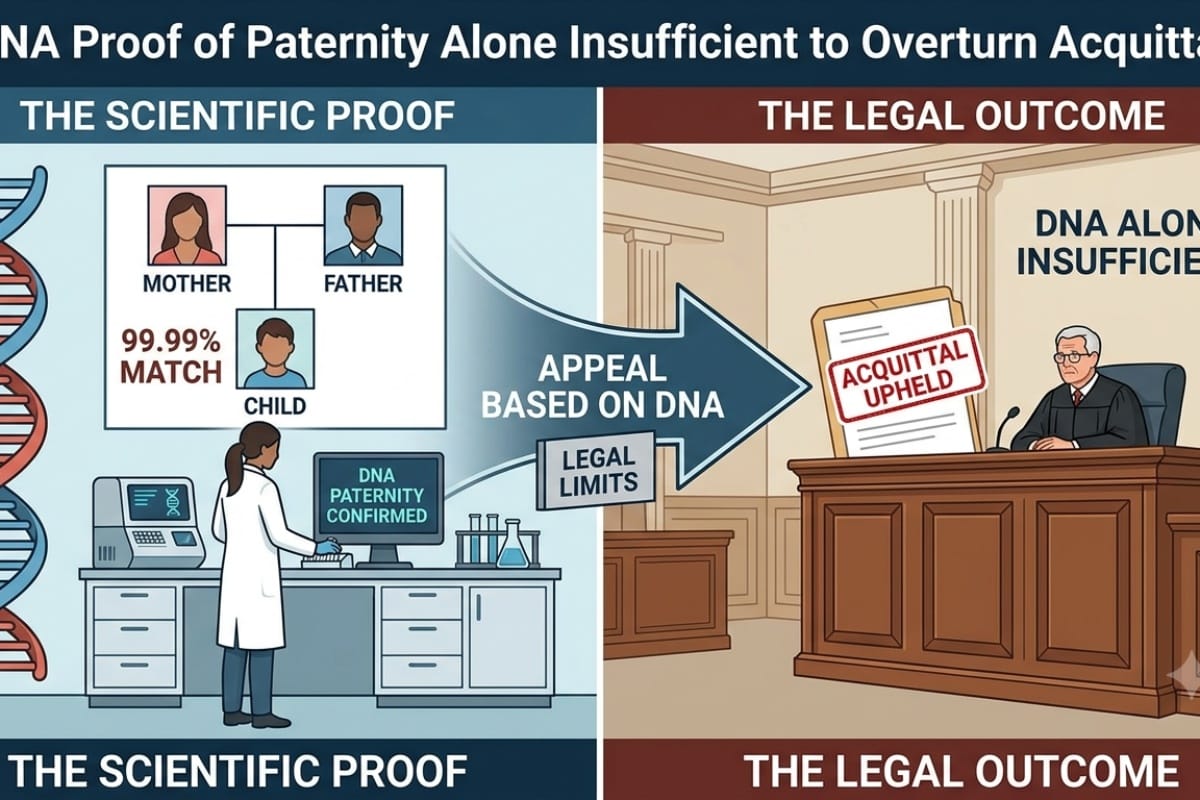
Headnote The Delhi High Court dismissed a prosecutrix's appeal against acquittal of the accused on charges under Sections 328/376 2 n /377/506/509 IPC, despite DNA evidence…
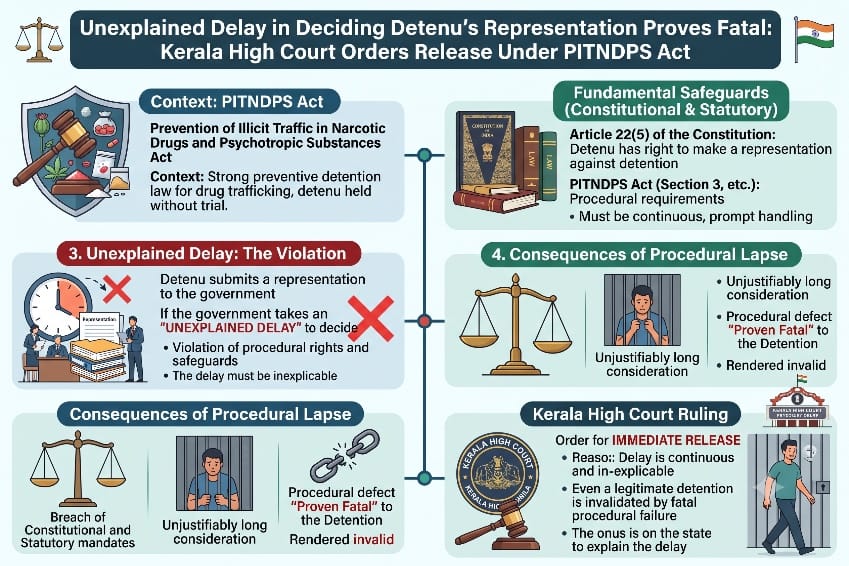
Fathimath Thasneem V.K. v. Union of India and Others | High Court of Kerala at Ernakulam | 3rd September, 2026 A habeas corpus writ petition by the wife of a detenu challenging…
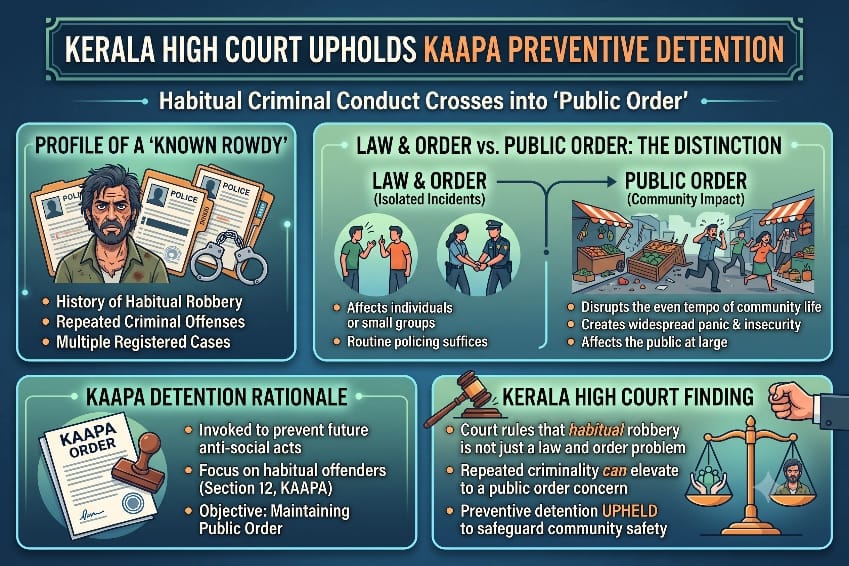
Thasmitha Abukutty v. State of Kerala and Others | High Court of Kerala at Ernakulam | 2nd September, 2026 A writ petition by the wife of a preventive detenu challenging a…
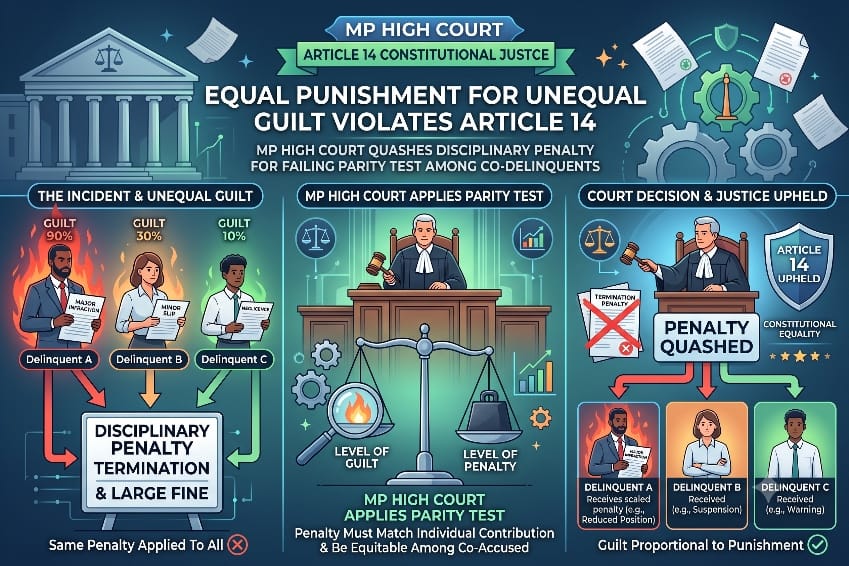
Brahm Kishore Dixit v. The State of Madhya Pradesh and Others | High Court of Madhya Pradesh, Gwalior | 1st September, 2026 A writ petition under Article 226 by a police Assistant…
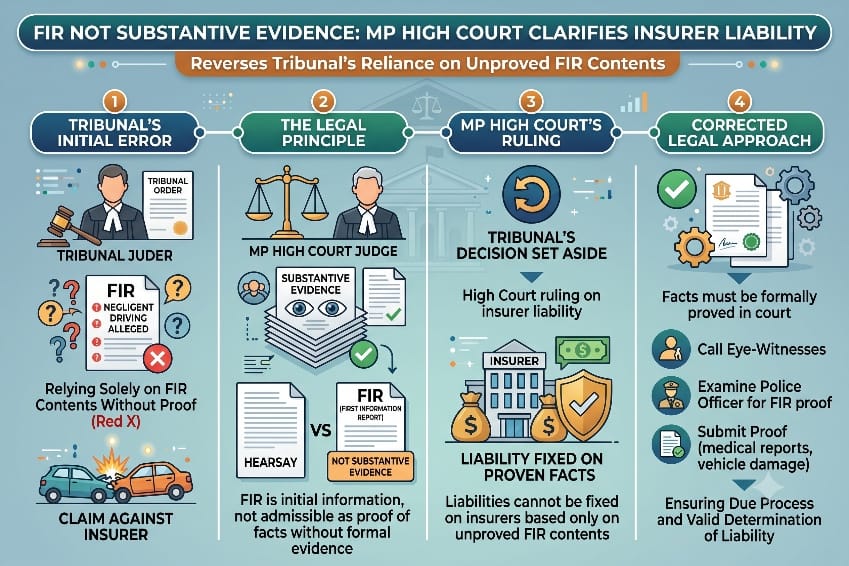
Anil Kumar Patel v. Smt. Munni Bai Barman and Others | High Court of Madhya Pradesh, Jabalpur | 1st September, 2026 A Motor Vehicle Act appeal under Section 173 1 against a Claims…
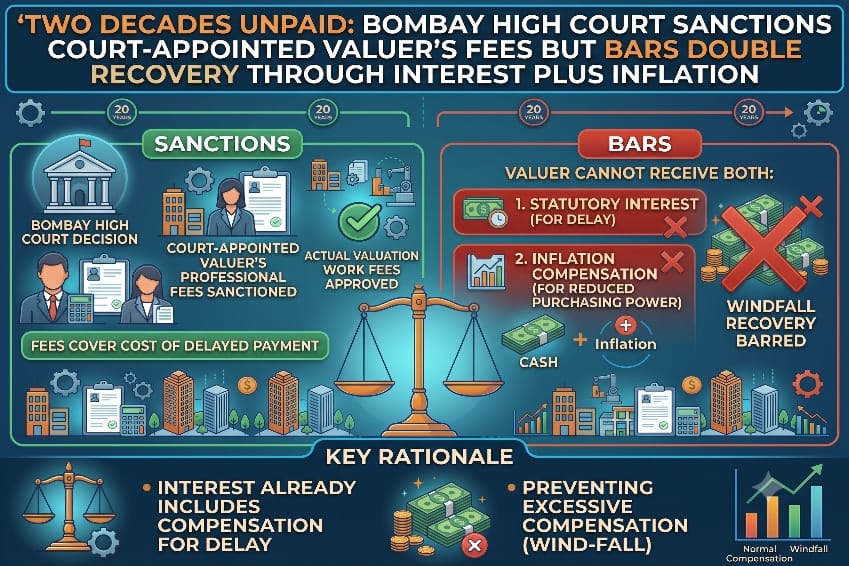
M/s. Kuber Mutual Benefits Ltd. & Ors. v. The State of Maharashtra & Ors. | High Court of Judicature at Bombay Appellate Side | 3rd September, 2026 A Court Receiver's Report…
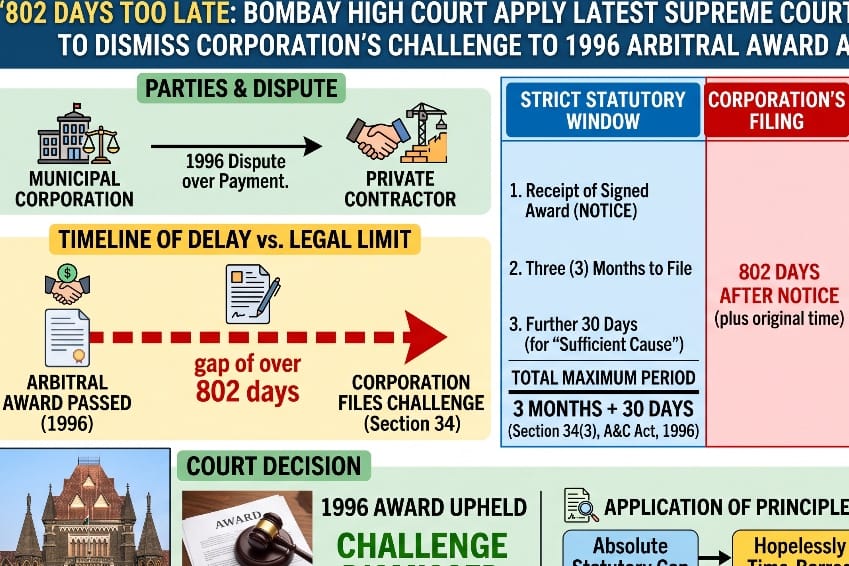
The Municipal Corporation of Greater Bombay v. M/s. Atul Raj Builders Pvt. Ltd. | High Court of Judicature at Bombay Ordinary Original Civil Jurisdiction | 3rd September, 2026 A…
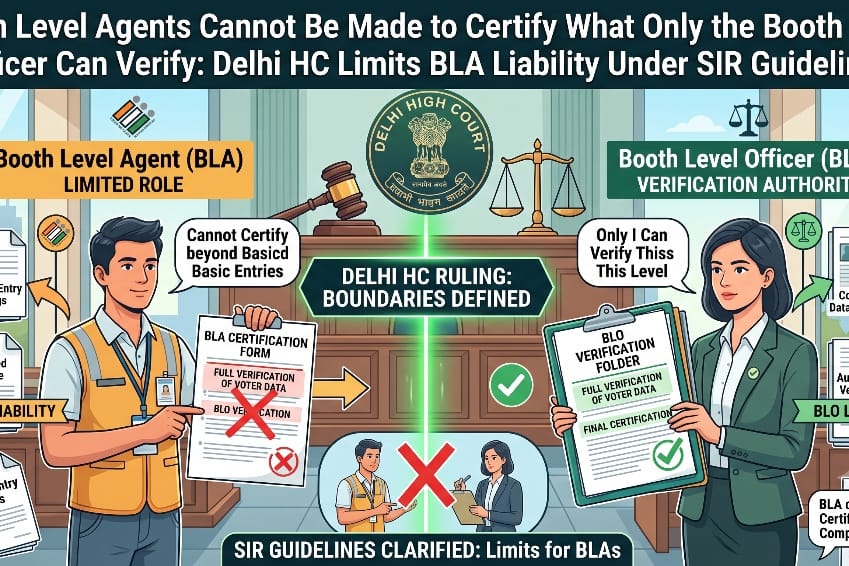
Devender Yadav & Anr. v. Election Commission of India & Anr. | High Court of Delhi Single Judge | Decided on: 03.09.2026 In a challenge to the Election Commission of India's…
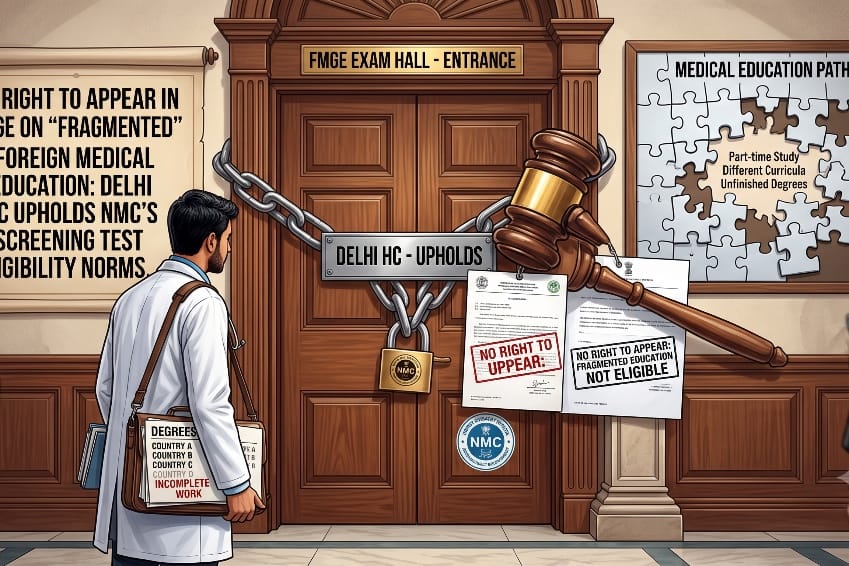
Brij Sharadbhai Bhatt & Ors. v. National Medical Commission & Ors. | High Court of Delhi Division Bench | Decided on: 03.09.2026 The Delhi High Court dismissed a challenge by…