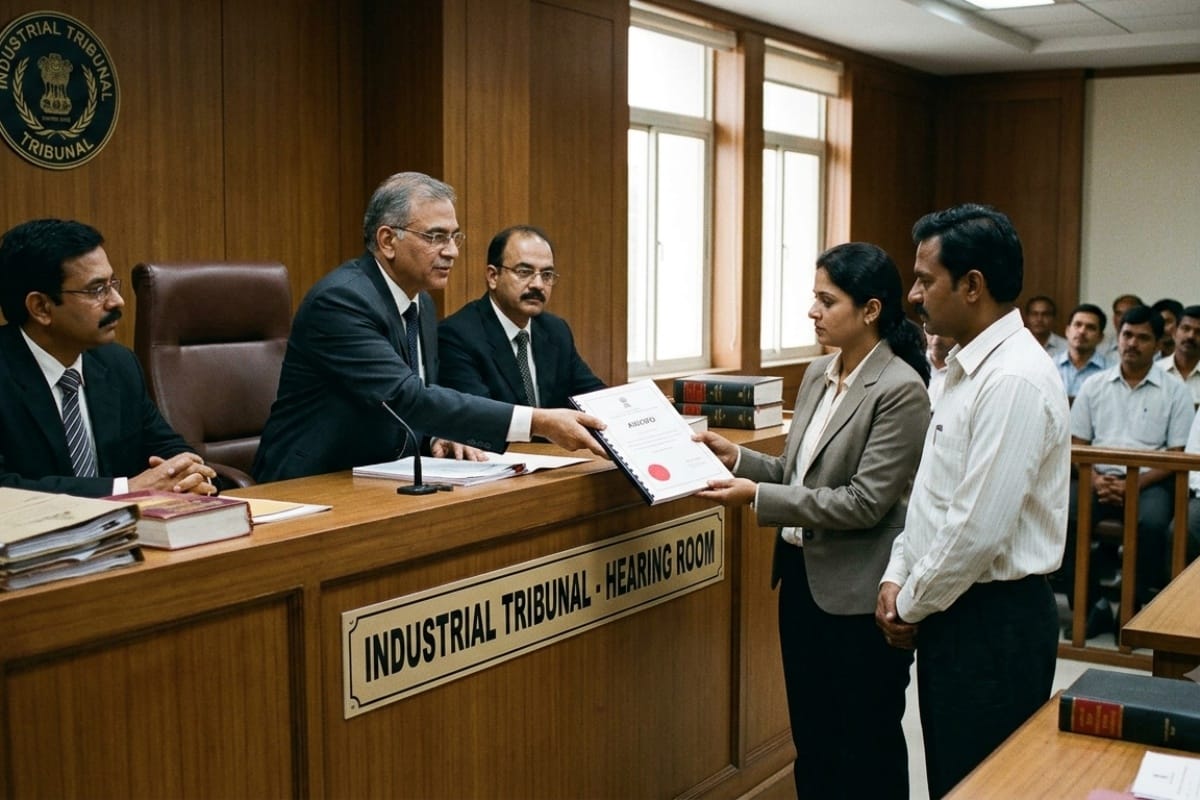
Deciding two connected writ petitions arising from a common Industrial Tribunal Award, the Delhi High Court set aside the Tribunal's direction granting hotel workmen a further…
Labour Laws
06/09/20264 min read
Update / Judgement Date
03 Nov 2025
Source
WCP News Bulletin
Author
Sakshi Bhardwaj — WCP Legal Desk
Reading Time
3 min read
The Delhi High Court granted regular bail to an accused charged under Sections 137(2)/127(2)/64/87/123 of the Bharatiya Nyaya Sanhita, 2023 and Section 4 of the Protection of Children from Sexual Offences (POCSO) Act, 2012, observing notable discrepancies in the complainant’s version of events and lack of corroborative evidence such as CCTV footage. The Court held that since the complainant had already been examined and the accused had been in custody for about nine months, continued incarceration was not justified at the current stage of trial. The Court emphasized that its observations were limited to the bail determination and should not influence the trial’s merits.
• An FIR was registered on 08.02.2025 at P.S. Bhalswa Dairy, Delhi, based on a complaint alleging that on the night of 06.02.2025, the applicant–a neighbour of the 17-year-old complainant–had dragged her to his house, made her consume alcohol forcibly, and committed sexual assault after she lost consciousness.
• The victim regained consciousness at 5:00 AM and found herself undressed beside the applicant.
• The police conducted medical examination (MLC No. 26738) and arrested the applicant the same day. The chargesheet was filed on 01.04.2025.
• The defence argued false implication, citing two days’ delay in lodging the FIR, inconsistencies in the victim’s statements, and absence of CCTV evidence despite its existence.
• The State opposed bail, arguing that the allegations were serious and the testimony consistent, with FSL reports pending and only two witnesses examined out of sixteen.
• The Court noted inconsistencies between the FIR and the complainant’s testimony: while the FIR stated she was dragged to the applicant’s house, her deposition suggested she was assaulted after being made to drink something in her own room and later found herself at the applicant’s house.
• Both families lived on the same floor, and the presence of other family members (two minor children) at the scene contradicted her earlier statement that she was alone.
• The Investigating Officer (IO) failed to retrieve or verify CCTV footage, even though its existence was admitted.
• The complainant had already been examined during trial, eliminating apprehension of influence.
• The Court also considered that the accused had been in custody for about nine months, while the trial was likely to take considerable time.
• The Court allowed the bail application, directing release of the accused on a personal bond of ₹20,000 with one surety of the like amount, subject to the following conditions:
• Sections 137(2)/127(2)/64/87/123, Bharatiya Nyaya Sanhita, 2023 (BNS) – Offences relating to assault, criminal force, and sexual offences.
• Section 4, Protection of Children from Sexual Offences Act, 2012 (POCSO Act) – Punishment for penetrative sexual assault.
• Section 183, Bharatiya Nagarik Suraksha Sanhita, 2023 (BNSS) – Examination of witnesses and recording of statements.
• Article 226, Constitution of India – Writ jurisdiction of the High Court.
Case: Arjun v. State (Govt. of NCT of Delhi)
Court: High Court of Delhi at New Delhi
Coram: Hon’ble Dr. Justice Swarana Kanta Sharma
Date of Decision: 03 November 2025
Case No.: BAIL APPLN. 3189/2025
Deciding two connected writ petitions arising from a common Industrial Tribunal Award, the Delhi High Court set aside the Tribunal's direction granting hotel workmen a further…
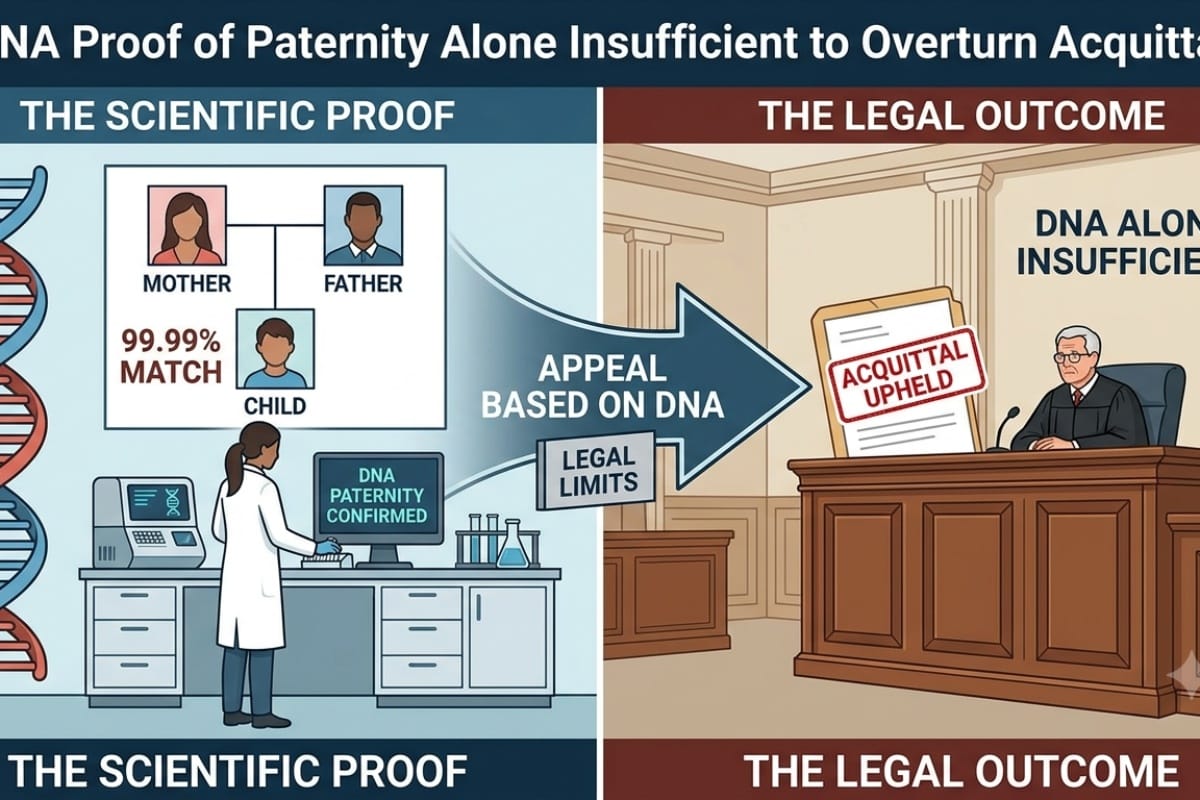
Headnote The Delhi High Court dismissed a prosecutrix's appeal against acquittal of the accused on charges under Sections 328/376 2 n /377/506/509 IPC, despite DNA evidence…
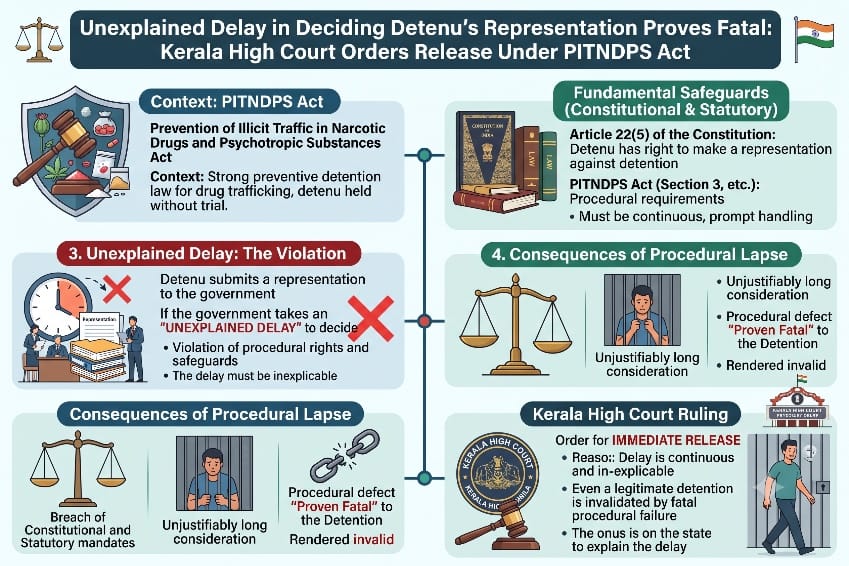
Fathimath Thasneem V.K. v. Union of India and Others | High Court of Kerala at Ernakulam | 3rd September, 2026 A habeas corpus writ petition by the wife of a detenu challenging…
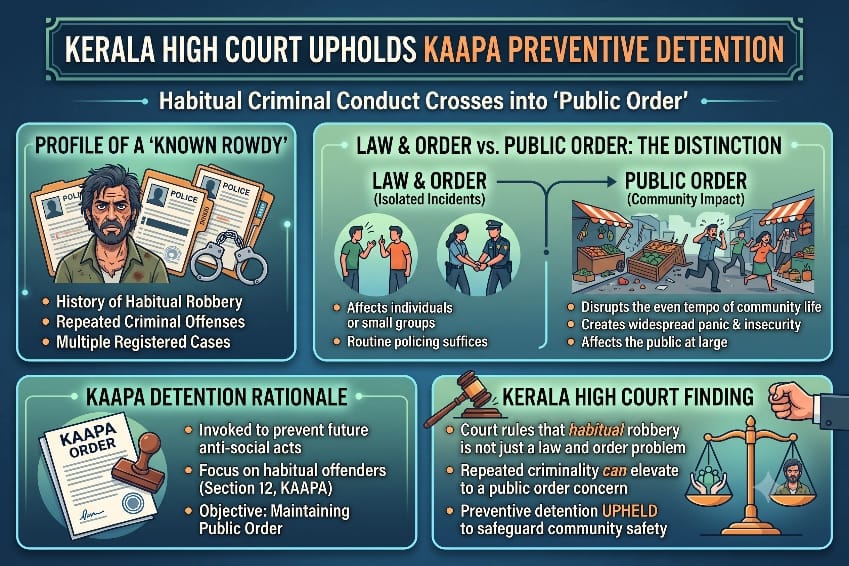
Thasmitha Abukutty v. State of Kerala and Others | High Court of Kerala at Ernakulam | 2nd September, 2026 A writ petition by the wife of a preventive detenu challenging a…
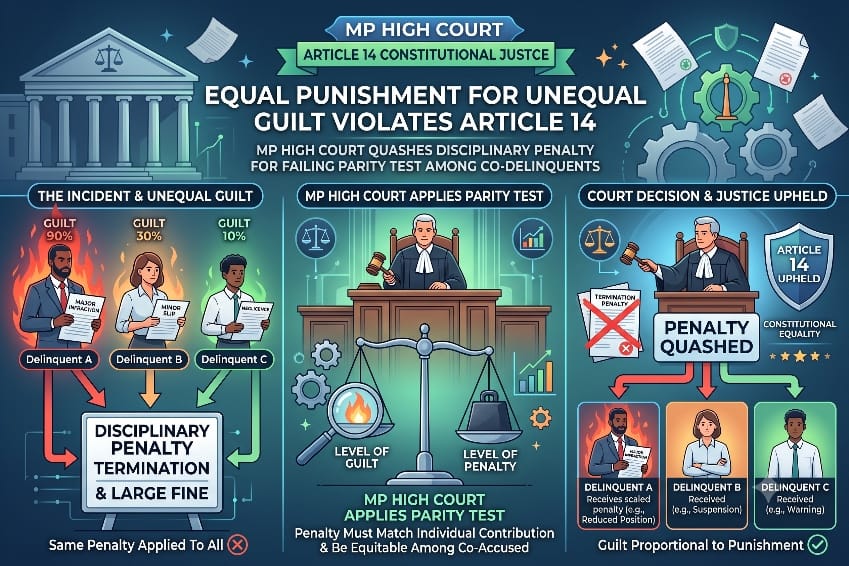
Brahm Kishore Dixit v. The State of Madhya Pradesh and Others | High Court of Madhya Pradesh, Gwalior | 1st September, 2026 A writ petition under Article 226 by a police Assistant…
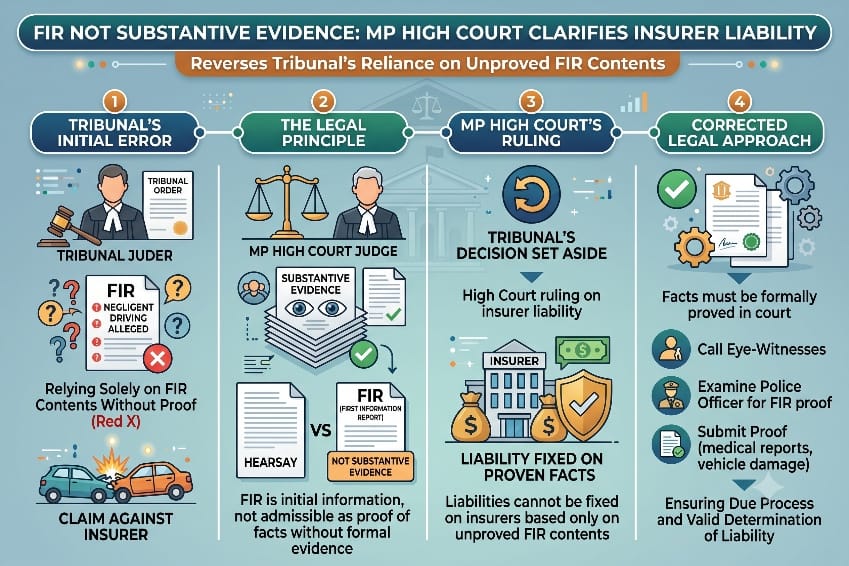
Anil Kumar Patel v. Smt. Munni Bai Barman and Others | High Court of Madhya Pradesh, Jabalpur | 1st September, 2026 A Motor Vehicle Act appeal under Section 173 1 against a Claims…
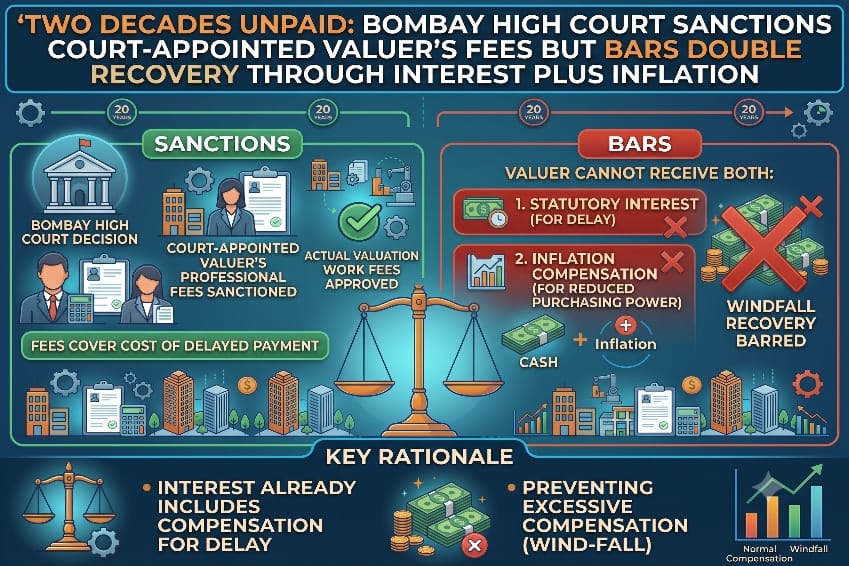
M/s. Kuber Mutual Benefits Ltd. & Ors. v. The State of Maharashtra & Ors. | High Court of Judicature at Bombay Appellate Side | 3rd September, 2026 A Court Receiver's Report…
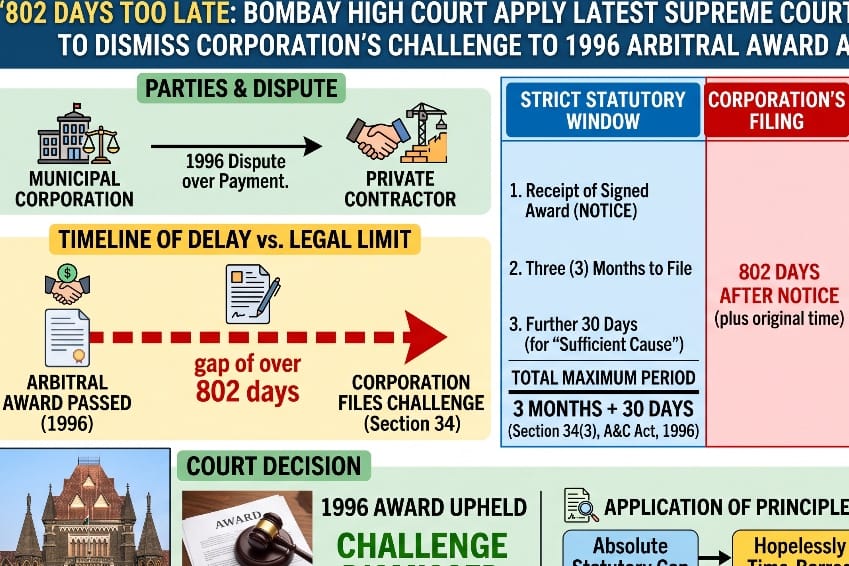
The Municipal Corporation of Greater Bombay v. M/s. Atul Raj Builders Pvt. Ltd. | High Court of Judicature at Bombay Ordinary Original Civil Jurisdiction | 3rd September, 2026 A…
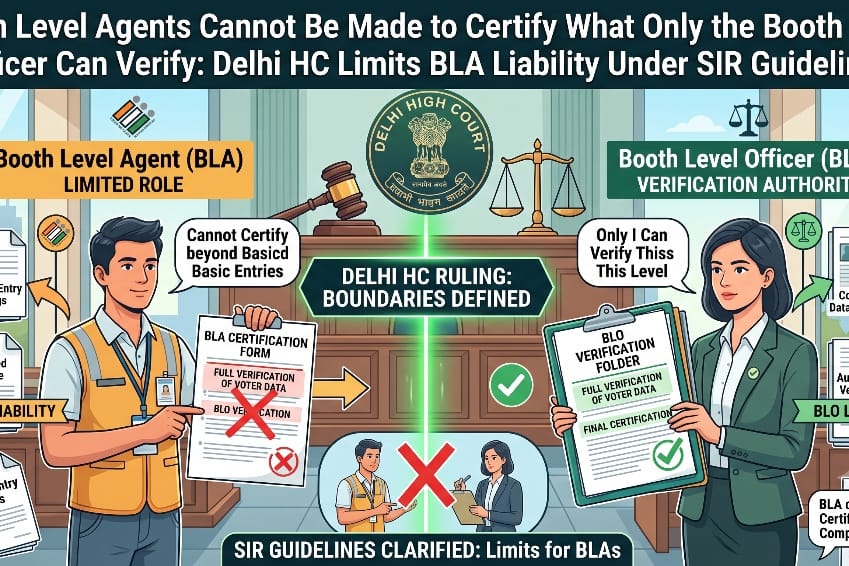
Devender Yadav & Anr. v. Election Commission of India & Anr. | High Court of Delhi Single Judge | Decided on: 03.09.2026 In a challenge to the Election Commission of India's…
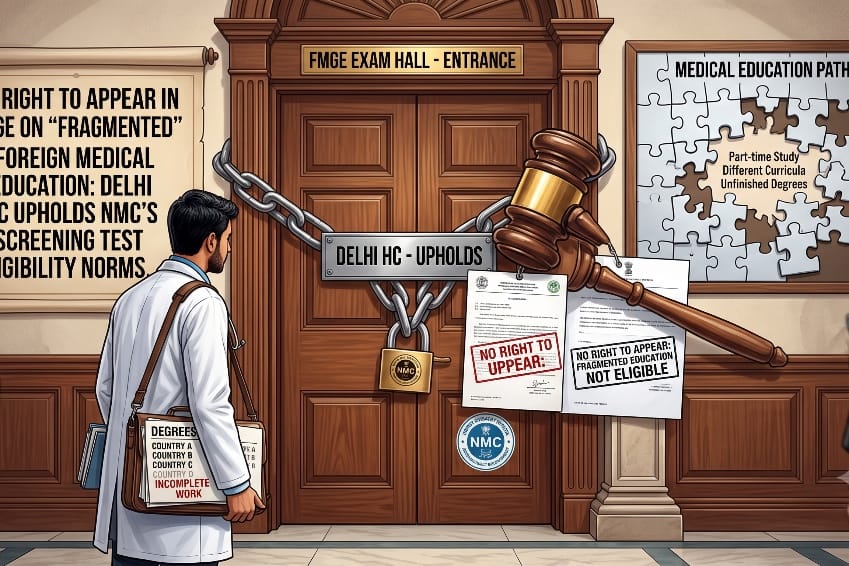
Brij Sharadbhai Bhatt & Ors. v. National Medical Commission & Ors. | High Court of Delhi Division Bench | Decided on: 03.09.2026 The Delhi High Court dismissed a challenge by…