
Deciding two connected writ petitions arising from a common Industrial Tribunal Award, the Delhi High Court set aside the Tribunal's direction granting hotel workmen a further…
Labour Laws
06/09/20264 min read
Update / Judgement Date
10 Oct 2025
Source
WCP News Bulletin
Author
Sakshi Bhardwaj — WCP Legal Desk
Reading Time
7 min read

Introduction:
The emergence of financial technology (fintech) has transformed the financial services industry in India, ushering in an era of rapid innovation, digital inclusion, and market disruption. However, the increasing pace of consolidation through mergers and acquisitions (M&A) in this sector has raised important questions about competition, data concentration, and consumer welfare. This article examines the evolving framework of competition law in India, particularly in the context of fintech mergers, and analyses the implications of the Competition (Amendment) Act, 2023. It further explores global regulatory developments, emerging challenges in data-driven markets, and the need for a nuanced, substance-based approach to merger control in the digital economy.
The digital transformation of India’s financial sector has redefined the contours of competition and market regulation. The fintech ecosystem—encompassing digital payments, peer-to-peer lending, neobanking, wealth management, and insurtech—has expanded exponentially, with India emerging as one of the fastest-growing fintech markets in the world.
As these enterprises scale, mergers and acquisitions (M&A) have become a crucial strategic instrument for enhancing market reach, technological capability, and user engagement. Yet, such consolidation also poses the risk of market concentration, data monopolization, and anti-competitive exclusionary practices.
The Competition Commission of India (CCI), historically oriented toward traditional industries, now faces the complex task of adapting its analytical tools to the unique dynamics of data-driven, algorithmic markets. The pressing question for policymakers is: how can competition law adapt to digital innovation without undermining its spirit?
The Rise of Fintech Consolidation:
India’s fintech sector, with over 10,000 registered start-ups, is projected to reach a valuation of USD 150 billion by 2025. M&A activity within this ecosystem has surged, reflecting both organic growth and strategic consolidation.
Large technology conglomerates and established financial institutions are increasingly acquiring smaller fintech start-ups to expand their user base and data ecosystems. This trend, often referred to as “killer acquisitions”, involves dominant players acquiring nascent innovators to preempt future competition.
Transactions such as PayU’s attempted USD 4.7 billion acquisition of BillDesk and Pine Labs’ investments in digital payment gateways exemplify the growing consolidation. While these transactions may offer efficiency gains, they also raise concerns of entrenched market power and data-based dominance.
The central regulatory challenge lies in determining whether such mergers enhance consumer welfare through efficiency or create structural barriers to entry by consolidating control over digital infrastructure.
Competition Law Framework in India:
The Competition Act, 2002 forms the cornerstone of India’s merger control regime. Sections 5 and 6 of the Act empower the CCI to examine combinations that may result in an appreciable adverse effect on competition (AAEC) in the relevant market.
However, traditional asset and turnover thresholds often fail to capture the true competitive significance of digital transactions, where value resides primarily in data, user networks, and technology integration rather than tangible assets or revenue. Consequently, many fintech acquisitions—particularly those involving early-stage start-ups—fall outside the ambit of merger review.
Recognizing this regulatory gap, the Competition (Amendment) Act, 2023 introduced a deal value threshold under Section 5A, enabling the CCI to examine transactions exceeding ₹2,000 crore if the target enterprise has “substantial business operations” in India. This marks a significant evolution in India’s competition jurisprudence, aligning it with international standards established in Germany and Austria.
This reform reflects a shift from a form-based to a substance-based evaluation of market impact, allowing regulators to consider non-monetary assets such as data access, platform control, and algorithmic leverage.
Emerging Challenges in Fintech M&A:
1. Data Concentration and Network Effects
In digital markets, data functions as a key competitive asset. Fintech entities leverage extensive consumer and transactional data to develop personalized financial products and pricing strategies. Post-merger, the accumulation of vast data sets can create entry barriers for competitors and enable anti-competitive practices such as price discrimination, self-preferencing, and exclusive dealing.
Accordingly, merger analysis in fintech should incorporate data access, interoperability, and potential exclusionary effects, ensuring that efficiency claims do not mask anti-competitive outcomes.
2. Innovation and “Killer Acquisitions”
Innovation constitutes the foundation of the fintech ecosystem. However, acquisitions undertaken primarily to suppress potential competitors—termed “killer acquisitions”—undermine long-term innovation and market dynamism.
Given the difficulty of quantifying innovation potential, the CCI must adopt a forward-looking analytical approach, evaluating potential competition and innovation markets, similar to the European Commission’s dynamic competition framework.
3. Multi-Sided Market Complexity
Fintech platforms typically operate as multi-sided markets, simultaneously engaging consumers, merchants, and financial institutions. Traditional market definition tools, based on linear relationships, fail to account for cross-platform dependencies and indirect network effects.
For instance, zero-pricing models in payment services may appear pro-competitive on the consumer side while concealing exploitative data practices that distort competition on the merchant side. Therefore, the CCI’s analytical models must evolve to capture cross-market linkages and platform interdependencies.
4. Regulatory Overlap and Coordination
Fintechs operate under the concurrent oversight of multiple regulators—the Reserve Bank of India (RBI), Securities and Exchange Board of India (SEBI), and Insurance Regulatory and Development Authority of India (IRDAI)—each addressing distinct policy domains. Competition issues, however, often transcend these jurisdictions.
Effective coordination through inter-agency frameworks, such as joint oversight councils or Memoranda of Understanding (MoUs) between the CCI and sectoral regulators, can promote coherence and reduce regulatory arbitrage.
Global Developments and Comparative Perspectives:
Competition authorities across jurisdictions have intensified scrutiny over digital and fintech mergers.
India’s Competition (Amendment) Act, 2023 represents a step toward this global convergence. However, effective implementation requires capacity-building within the CCI, investment in data analytics infrastructure, and development of digital market expertise to assess algorithmic competition comprehensively.
The Way Forward:
For India’s competition regime to effectively address fintech mergers, a paradigm shift is necessary—from a static assessment of market share to a dynamic evaluation of innovation, data control, and consumer impact.
Key policy measures include:
These reforms will enable a nuanced, evidence-based regulatory approach that safeguards competition without deterring innovation.
Conclusion:
Fintech mergers embody a dual narrative of opportunity and risk. On one hand, consolidation can drive efficiency, innovation, and scale. On the other, unchecked concentration may entrench dominant players, distort competition, and erode consumer trust.
The Competition (Amendment) Act, 2023 has laid the foundation for a modernized merger control regime that aligns with the realities of the digital economy. Yet, its effectiveness will depend on regulatory foresight, institutional capacity, and the willingness of authorities to engage with the complex interplay of data, technology, and market power.
As India aspires to become a global fintech hub, achieving a balance between innovation, inclusion, and fair competition will be critical to sustaining both economic dynamism and consumer welfare in the years ahead.
Deciding two connected writ petitions arising from a common Industrial Tribunal Award, the Delhi High Court set aside the Tribunal's direction granting hotel workmen a further…
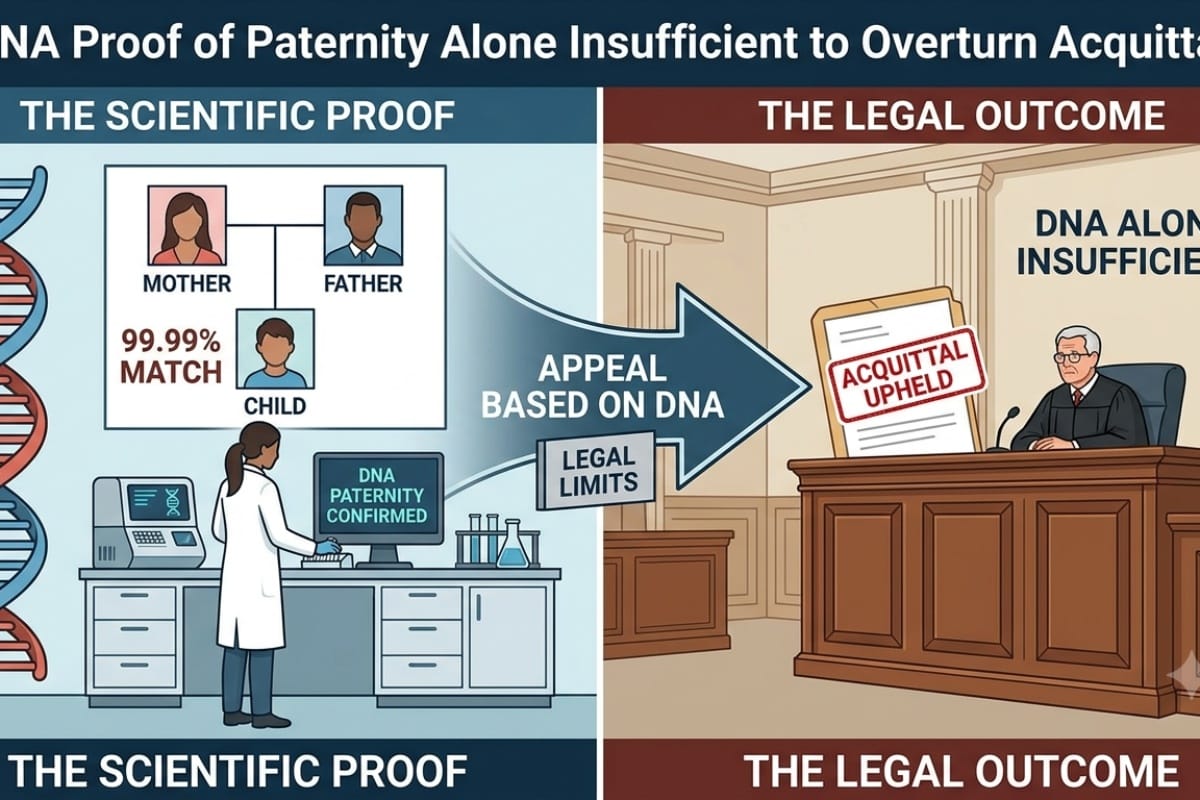
Headnote The Delhi High Court dismissed a prosecutrix's appeal against acquittal of the accused on charges under Sections 328/376 2 n /377/506/509 IPC, despite DNA evidence…
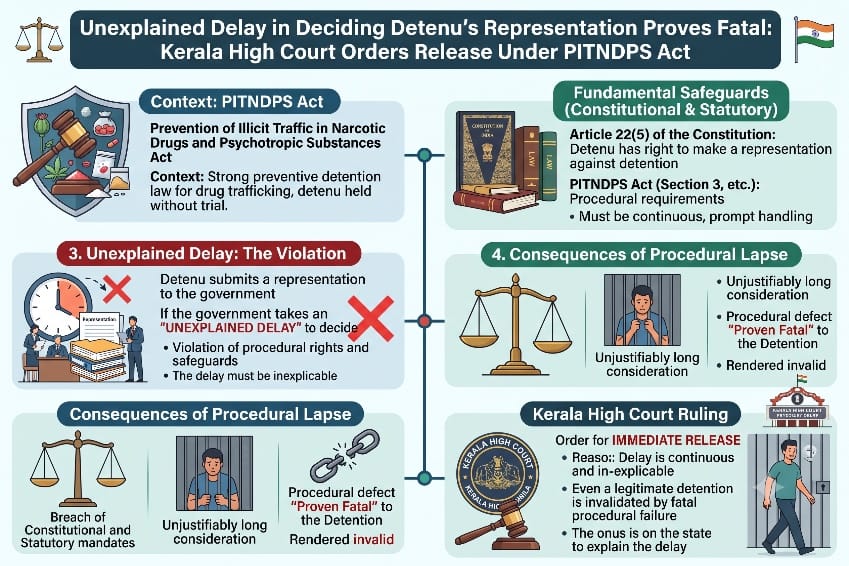
Fathimath Thasneem V.K. v. Union of India and Others | High Court of Kerala at Ernakulam | 3rd September, 2026 A habeas corpus writ petition by the wife of a detenu challenging…
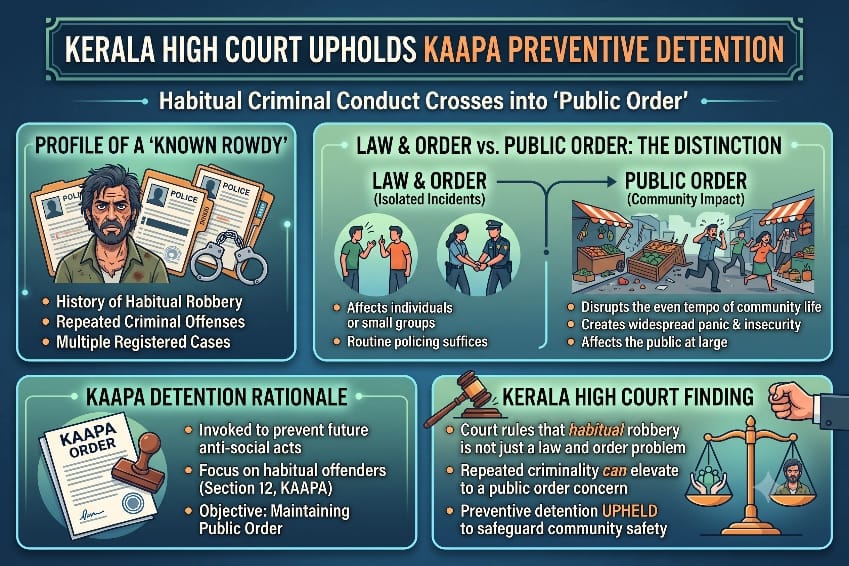
Thasmitha Abukutty v. State of Kerala and Others | High Court of Kerala at Ernakulam | 2nd September, 2026 A writ petition by the wife of a preventive detenu challenging a…
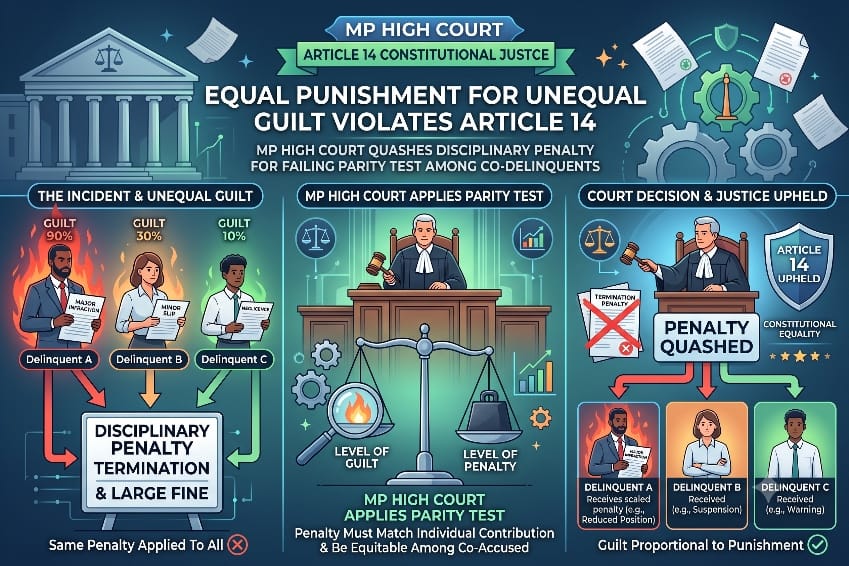
Brahm Kishore Dixit v. The State of Madhya Pradesh and Others | High Court of Madhya Pradesh, Gwalior | 1st September, 2026 A writ petition under Article 226 by a police Assistant…
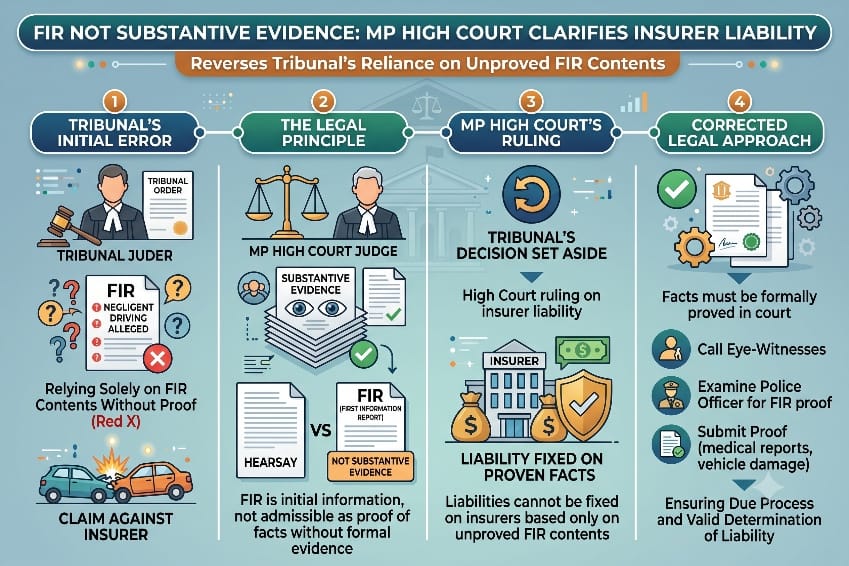
Anil Kumar Patel v. Smt. Munni Bai Barman and Others | High Court of Madhya Pradesh, Jabalpur | 1st September, 2026 A Motor Vehicle Act appeal under Section 173 1 against a Claims…
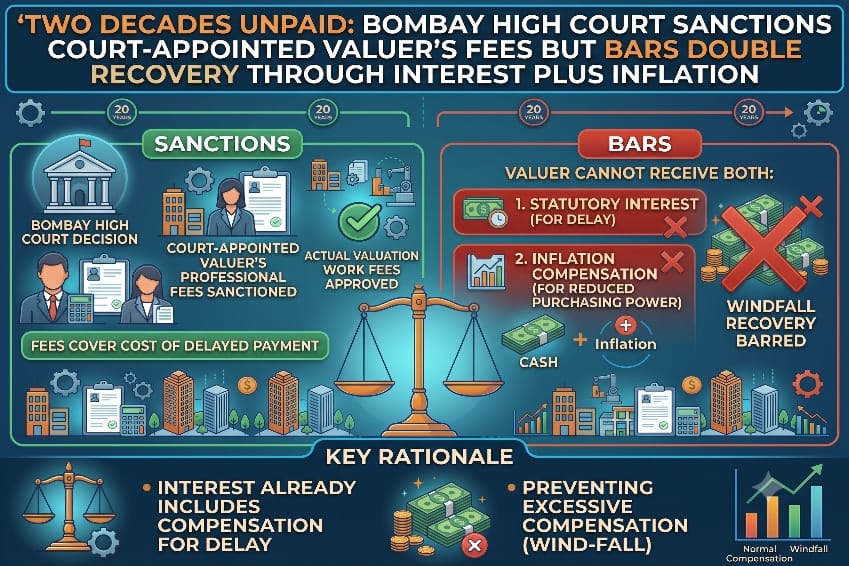
M/s. Kuber Mutual Benefits Ltd. & Ors. v. The State of Maharashtra & Ors. | High Court of Judicature at Bombay Appellate Side | 3rd September, 2026 A Court Receiver's Report…
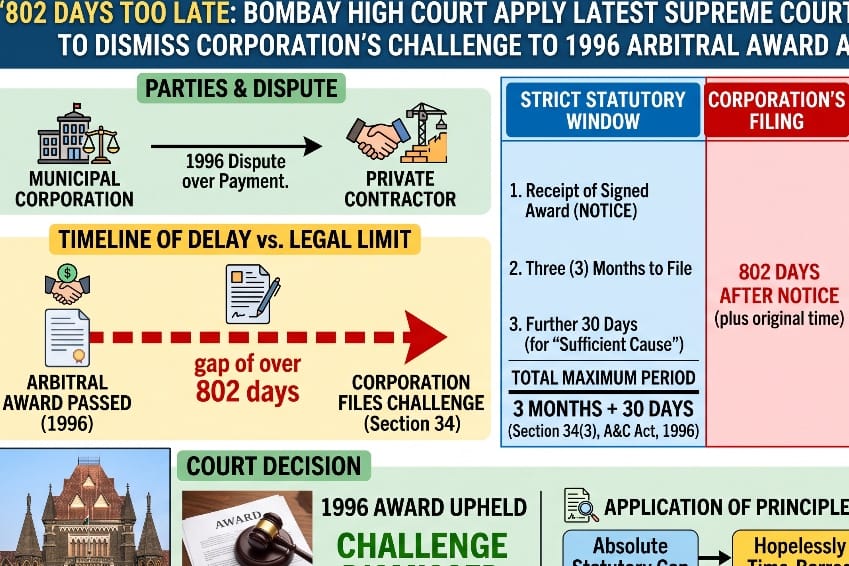
The Municipal Corporation of Greater Bombay v. M/s. Atul Raj Builders Pvt. Ltd. | High Court of Judicature at Bombay Ordinary Original Civil Jurisdiction | 3rd September, 2026 A…

Devender Yadav & Anr. v. Election Commission of India & Anr. | High Court of Delhi Single Judge | Decided on: 03.09.2026 In a challenge to the Election Commission of India's…
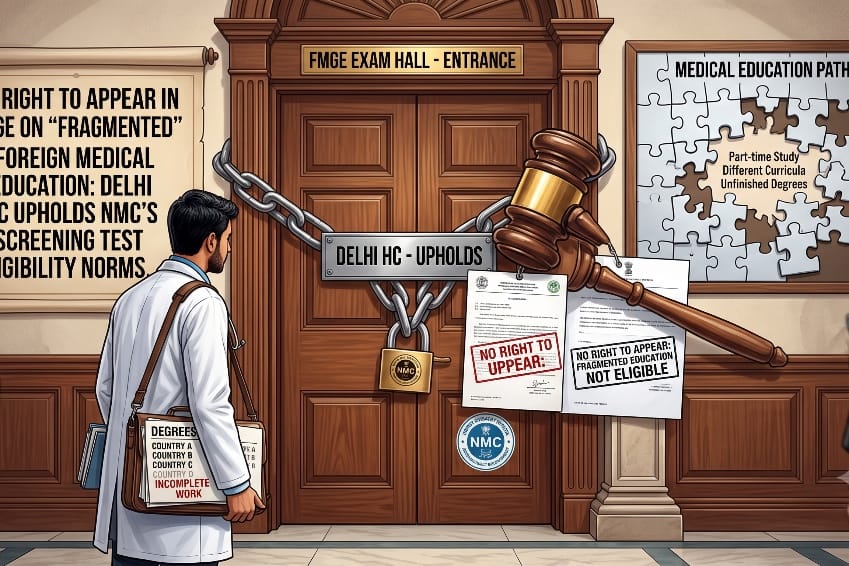
Brij Sharadbhai Bhatt & Ors. v. National Medical Commission & Ors. | High Court of Delhi Division Bench | Decided on: 03.09.2026 The Delhi High Court dismissed a challenge by…