
Deciding two connected writ petitions arising from a common Industrial Tribunal Award, the Delhi High Court set aside the Tribunal's direction granting hotel workmen a further…
Labour Laws
06/09/20264 min read
Update / Judgement Date
10 Oct 2025
Source
WCP News Bulletin
Author
Sakshi Bhardwaj — WCP Legal Desk
Reading Time
6 min read

Introduction:
Sustainable finance has emerged as a transformative force in global capital markets, reflecting the growing recognition that financial systems play a pivotal role in addressing environmental and social challenges. Among various instruments driving this shift, green bonds have gained remarkable prominence. Green bonds are debt securities issued to finance projects with clear environmental benefits, including renewable energy, energy efficiency, sustainable transportation, and climate resilience initiatives. Their rise is not only reshaping investment strategies but also prompting significant evolution in regulatory and legal frameworks worldwide.
In India and globally, the convergence of environmental, social, and governance (ESG) principles with financial markets has accelerated the demand for sustainable investments. Market participants, regulators, and policymakers are increasingly focused on ensuring that the issuance and utilization of green bonds adhere to transparency, accountability, and measurable impact criteria. This article explores the evolution of green bonds, the legal frameworks governing them, and the challenges and opportunities shaping sustainable finance markets.
Evolution of Green Bonds:
The concept of green bonds originated in the mid-2000s, with multilateral institutions such as the World Bank pioneering their issuance to fund environmentally beneficial projects. Over the past decade, the market has expanded exponentially, with the International Capital Market Association (ICMA) introducing the Green Bond Principles (GBP) in 2014 to provide voluntary guidelines for issuance, reporting, and impact assessment. These principles emphasize four key pillars: use of proceeds, project evaluation and selection, management of proceeds, and reporting.
India entered the green bond market in 2015, with companies like Yes Bank and public sector undertakings issuing instruments aligned with renewable energy and sustainable infrastructure projects. The Indian market has since witnessed significant growth, reflecting government initiatives such as the National Action Plan on Climate Change (NAPCC) and policies promoting renewable energy targets. As of 2025, green bonds in India have surpassed a cumulative issuance of over USD 15 billion, signaling strong investor appetite and policy support.
Legal and Regulatory Framework:
The legal architecture governing green bonds is multifaceted, encompassing securities law, corporate governance requirements, and sustainability disclosure norms. In India, the primary regulations include:
Globally, jurisdictions like the European Union have implemented more structured regulatory frameworks. The EU Green Bond Standard (EU GBS), aligned with the EU Taxonomy for Sustainable Activities, mandates stringent reporting, verification, and sustainability alignment criteria, creating a benchmark for credible green finance. Such international standards increasingly influence Indian issuers and investors seeking cross-border capital flows.
Market Dynamics and Investor Perspectives:
Green bonds occupy a unique niche within fixed-income markets. Investors are motivated by a combination of financial returns and social/environmental impact, often referred to as “double bottom line” investing. Institutional investors, such as pension funds, insurance companies, and sovereign wealth funds, have increasingly incorporated ESG mandates into portfolio allocation, driving demand for credible green instruments.
The market evolution has also fostered innovation, with hybrid instruments such as sustainability-linked bonds (SLBs) and transition bonds emerging to fund projects aligned with net-zero or climate transition goals. These instruments link coupon rates to achievement of predefined ESG targets, incentivizing issuers to meet measurable sustainability outcomes.
However, challenges remain. Greenwashing—the misrepresentation of environmental benefits—poses a significant risk to market integrity. Robust legal and regulatory oversight, coupled with independent verification by third-party agencies, is critical to maintaining investor confidence and ensuring that funds genuinely contribute to sustainable development.
Challenges and Legal Considerations:
The Way Forward:
The future of green bonds in India hinges on strengthening legal and regulatory frameworks, enhancing market transparency, and promoting investor confidence. Key recommendations include:
Conclusion:
Green bonds represent a powerful mechanism to mobilize capital for environmental sustainability, integrating financial markets with global climate and ESG goals. In India, the combination of supportive government policies, robust SEBI guidelines, and growing investor interest has created fertile ground for market expansion. However, sustainable finance is not merely a financial trend—it requires a rigorous legal and regulatory framework to ensure credibility, prevent malpractices, and maximize environmental impact.
As global and domestic expectations around ESG compliance intensify, the evolution of green bonds will depend on regulatory vigilance, market discipline, and the ability of issuers to deliver measurable sustainability outcomes. By embedding strong legal and governance frameworks, India can position itself as a leading hub for green finance, contributing to both economic growth and environmental stewardship.
Deciding two connected writ petitions arising from a common Industrial Tribunal Award, the Delhi High Court set aside the Tribunal's direction granting hotel workmen a further…

Headnote The Delhi High Court dismissed a prosecutrix's appeal against acquittal of the accused on charges under Sections 328/376 2 n /377/506/509 IPC, despite DNA evidence…
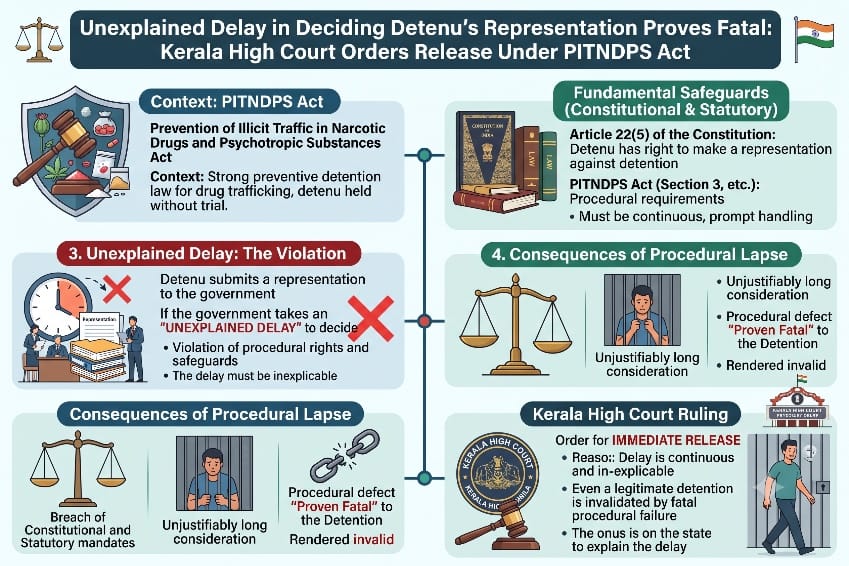
Fathimath Thasneem V.K. v. Union of India and Others | High Court of Kerala at Ernakulam | 3rd September, 2026 A habeas corpus writ petition by the wife of a detenu challenging…

Thasmitha Abukutty v. State of Kerala and Others | High Court of Kerala at Ernakulam | 2nd September, 2026 A writ petition by the wife of a preventive detenu challenging a…

Brahm Kishore Dixit v. The State of Madhya Pradesh and Others | High Court of Madhya Pradesh, Gwalior | 1st September, 2026 A writ petition under Article 226 by a police Assistant…
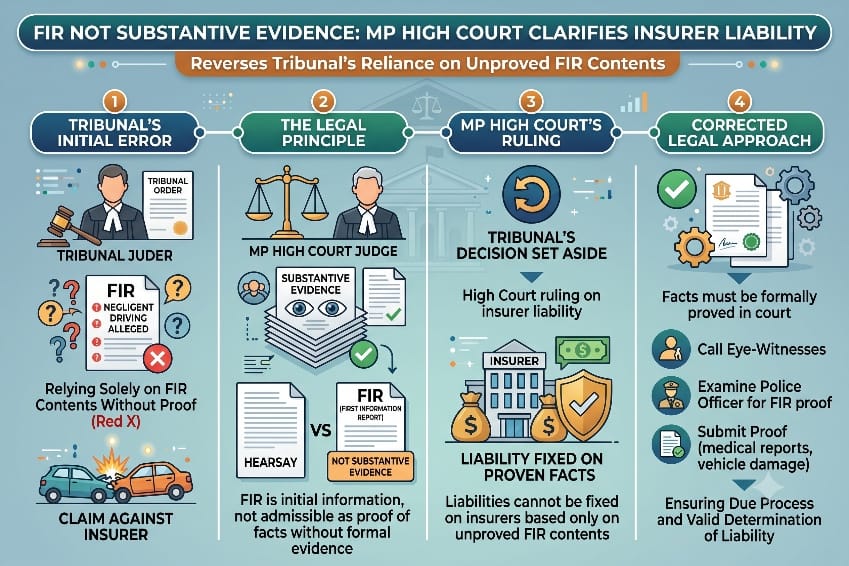
Anil Kumar Patel v. Smt. Munni Bai Barman and Others | High Court of Madhya Pradesh, Jabalpur | 1st September, 2026 A Motor Vehicle Act appeal under Section 173 1 against a Claims…
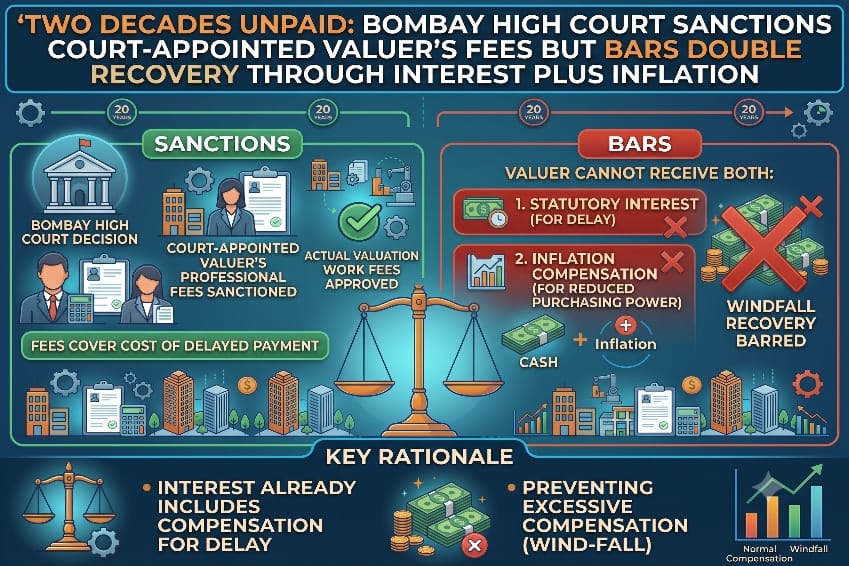
M/s. Kuber Mutual Benefits Ltd. & Ors. v. The State of Maharashtra & Ors. | High Court of Judicature at Bombay Appellate Side | 3rd September, 2026 A Court Receiver's Report…
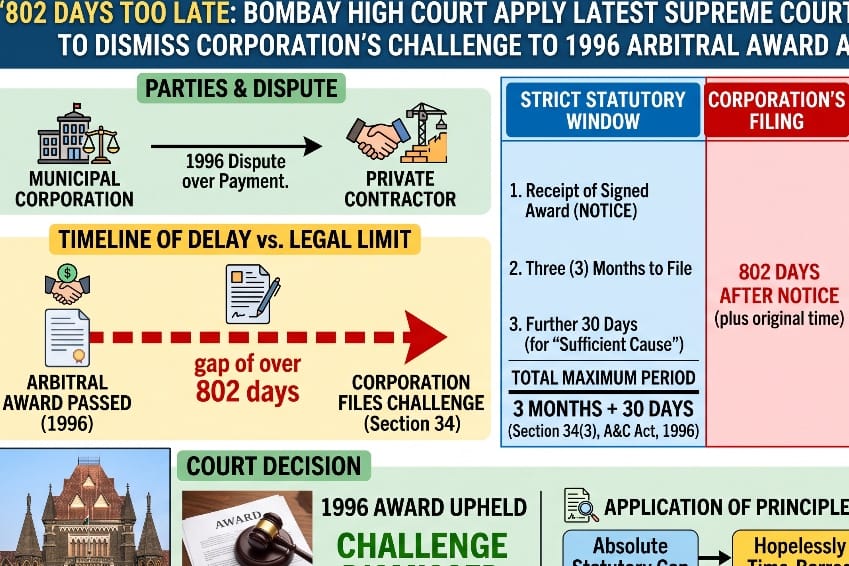
The Municipal Corporation of Greater Bombay v. M/s. Atul Raj Builders Pvt. Ltd. | High Court of Judicature at Bombay Ordinary Original Civil Jurisdiction | 3rd September, 2026 A…

Devender Yadav & Anr. v. Election Commission of India & Anr. | High Court of Delhi Single Judge | Decided on: 03.09.2026 In a challenge to the Election Commission of India's…

Brij Sharadbhai Bhatt & Ors. v. National Medical Commission & Ors. | High Court of Delhi Division Bench | Decided on: 03.09.2026 The Delhi High Court dismissed a challenge by…